Rara
Our verdict
Rara occupies a California Avenue address in Palo Alto, positioning itself within a corridor that draws both Stanford-adjacent professionals and South Bay regulars with refined appetites. The dining ritual here is deliberate rather than rushed, aligning with a broader shift in Peninsula dining toward paced, course-driven formats. Current booking windows and menu details are best confirmed directly with the venue.

Pearl is the En Primeur Club membership app — saves, bookings, and concierge access live there. Same editors, same standards.
- Address
- 201 California Ave, Palo Alto, CA 94306
- Phone
- (650) 485-1055
- Hours
- Daily 11 AM–10 PM
- Website
- rararestaurant.com
- Directions
- Get directions
- Booking
- Book on OpenTable
California Avenue and the Ritual of the Palo Alto Table
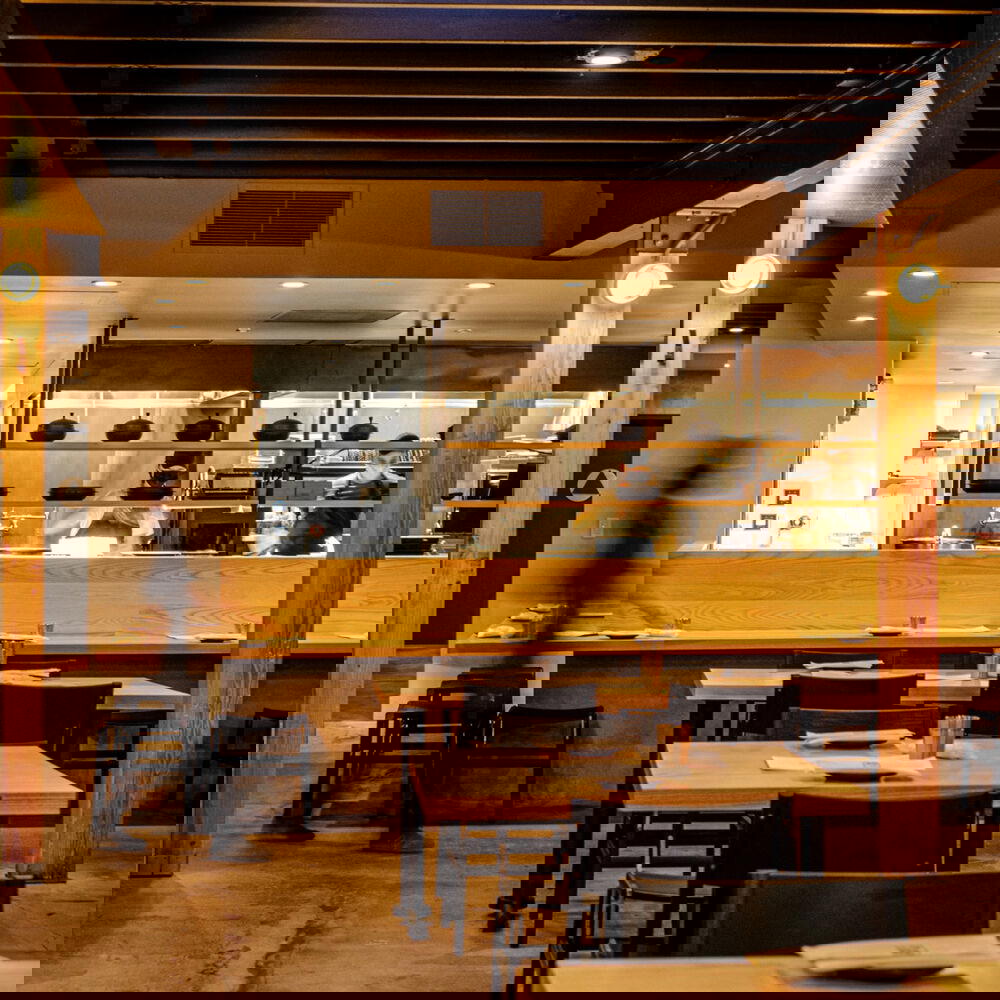
California Avenue has spent the last decade quietly becoming the more considered dining address in Palo Alto. While University Avenue absorbs foot traffic and handles volume, the California Avenue corridor runs on a different logic: smaller rooms, more deliberate menus, and a clientele that arrives with a purpose beyond convenience. Rara, at 201 California Avenue, occupies this zone and operates within its rhythms. The address itself carries context. You are a short walk from Caltrain, equidistant from Stanford's campus edge and the mid-Peninsula tech corridor, and surrounded by a block that includes long-running neighborhood fixtures alongside newer formats still finding their footing.
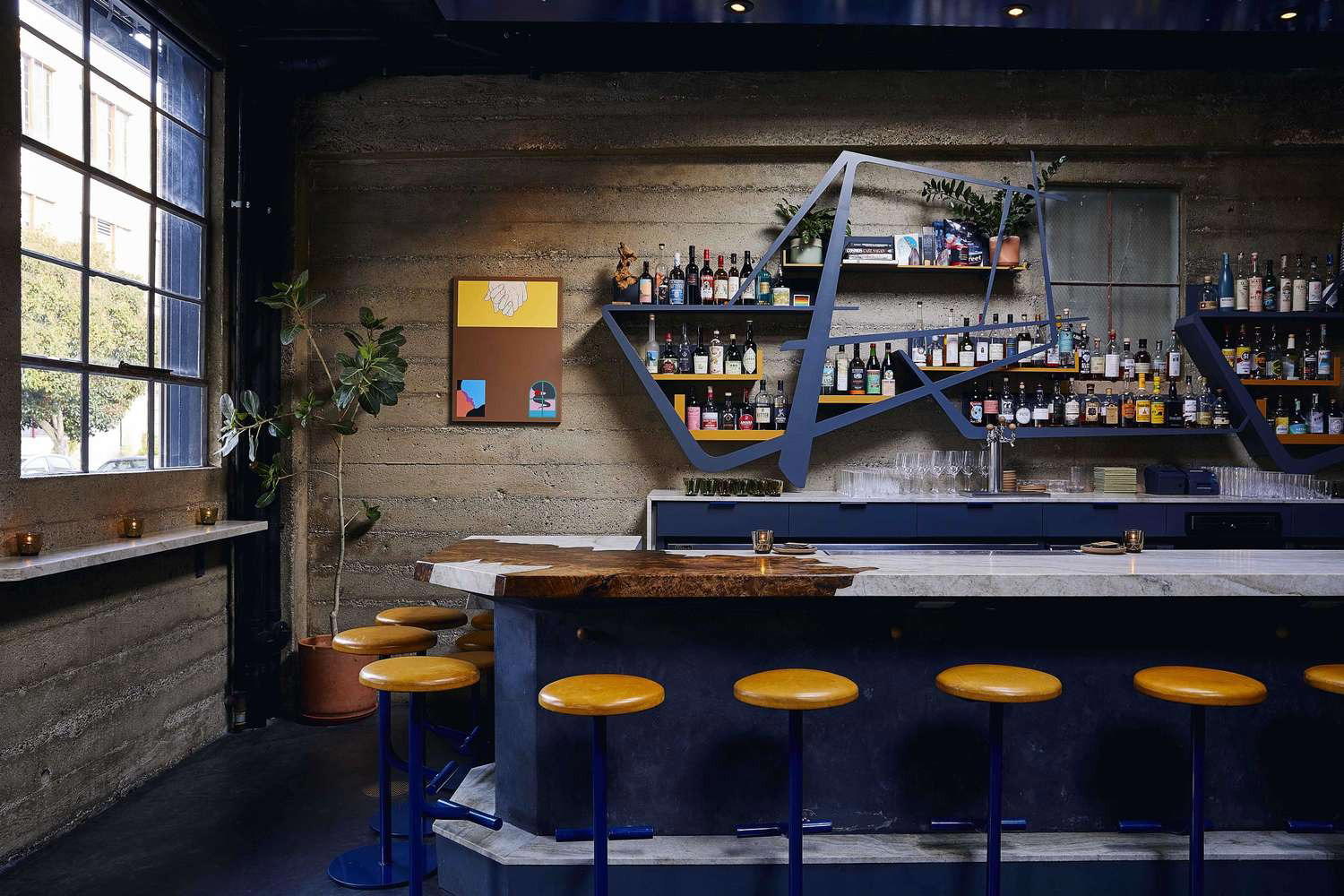
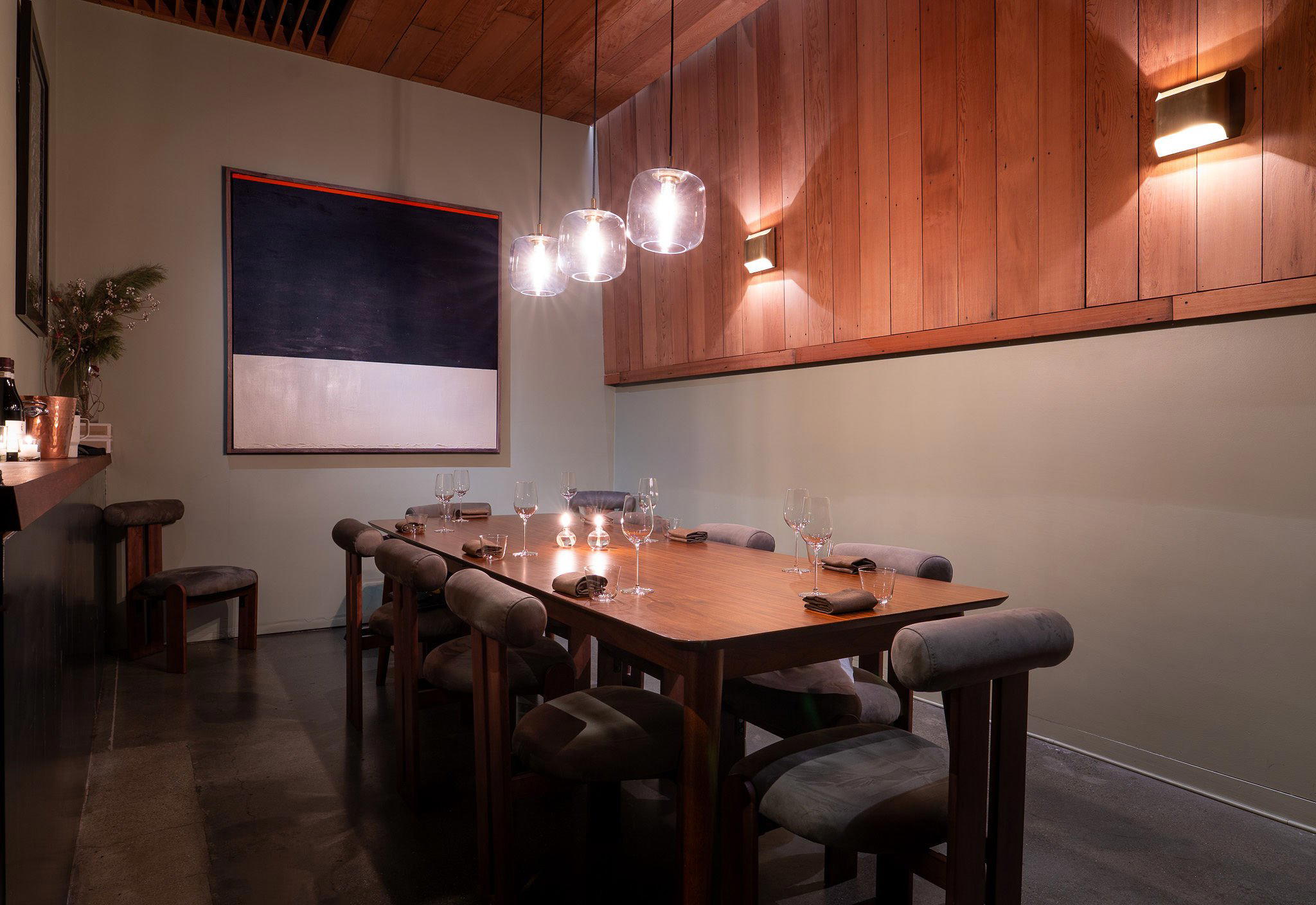
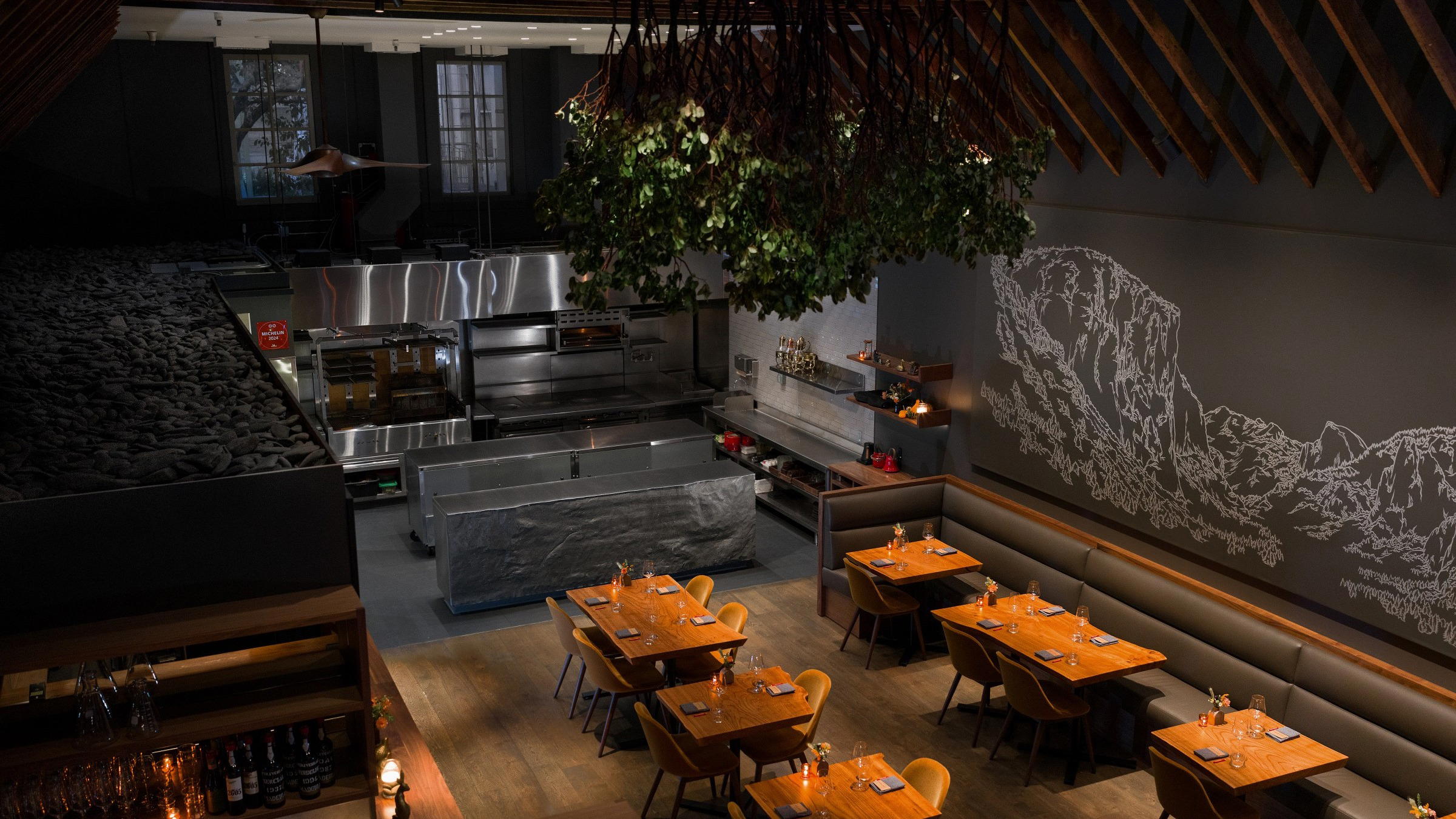
The physical approach to California Avenue restaurants tends to set expectations before any menu appears. Storefronts here are narrow relative to the seating ambitions inside, and the street-level presentation is characteristically low-key for a neighborhood where the people eating out often have significant means. That contrast between understated exterior and considered interior experience is a recurring pattern in this part of Palo Alto, and it shapes how regulars approach the meal: not as a spectacle, but as a private ritual conducted in public.
Where Rara Fits in the Peninsula Dining Pattern
The Peninsula dining scene, from Palo Alto south through Menlo Park and Los Altos, has bifurcated over the past several years. On one side sit casual-format operations, fast-casual bowls, and neighborhood standbys like Asian Box and Bare Bowls, which serve speed and accessibility. On the other side, a smaller cohort of table-service restaurants attempts something more structured, where the pacing of the meal is part of the offer. Rara aligns with the latter group. That positioning matters in a market where the most recognizable names on California Avenue already include Anatolian Kitchen, which occupies the Turkish-Mediterranean register, and Arya Steakhouse, which handles the Persian-inflected steakhouse format. Rara is not competing directly with either. It represents a different intention.
Across California, restaurants operating in a similar deliberate-format tier benchmark against a cohort that extends well beyond the Peninsula. The structured progression of a meal at Single Thread Farm in Healdsburg or the deeply controlled ritual at The French Laundry in Napa represent the upper ceiling of what paced, course-driven dining can achieve in Northern California. Within San Francisco itself, Lazy Bear operates a communal-table format that treats the dining ritual as a social architecture problem. Rara works on a smaller geographic and reputational scale, but the underlying question it engages with is the same: how does a restaurant translate an evening into something with genuine shape?
The Dining Ritual on California Avenue
In markets where course-driven or tasting-format dining has become a serious commercial segment, the pacing conventions are well-established. Courses arrive at intervals that allow for conversation without stretching into uncomfortable pauses. Amuse-bouche formats signal ambition before the main progression begins. The transition between savory and sweet acts as a kind of structural hinge in the meal. These conventions are now broadly shared across the restaurant tier that sits between casual and ceremonial, and they carry weight regardless of the specific cuisine. Restaurants like Alinea in Chicago and Atomix in New York City have pushed these rituals into genuinely theatrical territory. Most neighborhood-scale restaurants work closer to the understated end of that range, where the ritual functions as structure rather than performance.
What distinguishes California Avenue as a setting for this kind of dining is the compression of space. Rooms here rarely accommodate the volume that would dilute the experience. Smaller seat counts tend to correlate with more attentive service ratios, and the restaurants that have survived on this block over time have generally earned loyalty through consistency rather than novelty. That dynamic favors repeat visitors who understand the format and return for the execution, not for discovery. It also means that the dining room on any given evening operates with a particular social texture: regulars who know what they are ordering before they sit down, and newer visitors who are reading the room for cues.
For context on how the high end of structured dining operates at the national level, the comparison set includes Le Bernardin in New York City, Providence in Los Angeles, Addison in San Diego, and Blue Hill at Stone Barns in Tarrytown. Internationally, 8 1/2 Otto e Mezzo Bombana in Hong Kong and The Inn at Little Washington in Washington represent how the dining ritual functions at the highest formal register. Rara operates well below those brackets in scale and formality, but understanding where those markers sit clarifies what the more modest California Avenue format is attempting to do at its own level.
The broader California Avenue block also includes Birdie's at Stanford Golf, which serves a functionally different purpose and crowd, and Emeril's in New Orleans remains a useful national reference point for how chef-driven, mid-scale restaurants have historically handled the relationship between ritual and accessibility in American dining.
Planning a Visit to Rara
Rara's address at 201 California Avenue places it within easy reach of the California Avenue Caltrain station, making it accessible from San Francisco and San Jose without requiring a car. California Avenue has metered street parking and a city garage nearby, which eases the logistics for South Bay visitors arriving by car. For the most current information on hours, reservations, and menu format, contacting the venue directly is advisable. Given that smaller table-service restaurants in this part of Palo Alto operate with limited seatings, advance booking is the standard approach, and walk-in availability on weekends is generally limited. Midweek evenings tend to offer more flexibility, which also means a calmer room and a service pace that allows the ritual of the meal to unfold without the pressure of a full house turning tables.
For a broader view of where Rara sits within the wider Palo Alto dining picture, EP Club's full Palo Alto restaurants guide maps the range of formats and neighborhoods across the city.
Frequently asked questions
What part of town is Rara in?
Rara is located at 201 California Ave, Palo Alto, CA 94306, Palo Alto.
Is Rara in Palo Alto a good option for a dinner near the California Avenue Caltrain station?
Rara's address at 201 California Avenue places it within a short walk of the California Avenue Caltrain station, making it one of the more accessible dinner options on the Peninsula for guests arriving from San Francisco or San Jose without a car. The California Avenue corridor has developed into a considered dining destination in its own right over the past decade, distinct from the more casual foot traffic of University Avenue. It is worth confirming current hours directly with the restaurant before planning around a train schedule.
What do regulars order at Rara?
Rara's position on California Avenue, Palo Alto's more deliberate dining corridor, draws a repeat clientele that tends to follow the kitchen's lead rather than anchoring to specific dishes. Without a fixed public menu on record, the safest approach is to ask the front-of-house what's running that evening. Regulars at this address generally do exactly that.
How hard is it to get a table at Rara?
California Avenue restaurants with a focused format and limited covers typically fill several weeks out, particularly on Thursday through Saturday. Rara at 201 California Avenue sits in a corridor where demand has consistently outpaced supply over the past several years. Booking as far in advance as your schedule allows is the practical approach; walk-in availability is not something to count on.
Pricing, Compared
Comparable venues nearby, for context on price, style, and recognition.
| Venue | Cuisine | Price | Notes |
|---|---|---|---|
| RaraThis venue — the venue you are viewing | Authentic Nepalese | $20–30 | Not listed |
| Scoop | Artisanal Microcreamery | $1–10 | downtown, Artisanal Microcreamery |
| President's Terrace | West Coast Seafood Small Plates | $30–50 | Downtown Palo Alto, West Coast Seafood Small Plates |
| NM Cafe | Contemporary American Cafe | $30–50 | Stanford Shopping Center, Contemporary American Cafe |
| Birdie's at Stanford Golf | American Clubhouse | $20–30 | Stanford, American Clubhouse |
| Whole Foods Market | Organic Grocery Market with Prepared Foods & Deli | $10–20 | Downtown Palo Alto, Organic Grocery Market with Prepared Foods & Deli |