Khazana by Chef Sanjeev Kapoor
Our verdict
Khazana by Chef Sanjeev Kapoor brings one of India's most recognized culinary names to University Avenue in Palo Alto. The restaurant sits within a dining corridor that skews toward tech-adjacent casual, making its more formal Indian proposition something of an outlier. For diners seeking regional Indian cooking with a named-chef pedigree on the Peninsula, Khazana occupies a distinct position in the local market.

Pearl is the En Primeur Club membership app — saves, bookings, and concierge access live there. Same editors, same standards.
- Address
- 339 University Ave, Palo Alto, CA 94301
- Phone
- (650) 384-6411
- Hours
- Mon–Tue 5–9 PMWed–Thu 11:30 AM–2 PM, 5–9 PMFri 11:30 AM–2:30 PM, 5–10 PMSat 12–2:30 PM, 5:30–10 PMSun 12–2:30 PM, 5:30–9:30 PM
- Website
- khazanapaloalto.com
- Directions
- Get directions
- Booking
- Book on OpenTable

The menu
What to order
- Chicken Tikka Makhani
- Rogan Josh 'Nalli'
- Shaam Savera
University Avenue's Indian Outlier
University Avenue in Palo Alto runs a familiar Silicon Valley script: fast-casual bowls, steakhouses, and globally inflected comfort food aimed at a lunch crowd with short windows and large appetites. Khazana by Chef Sanjeev Kapoor operates against that grain. The address at 339 University Ave places it squarely in the corridor's foot-traffic zone, but the proposition is different from most of its neighbours: a named-chef Indian restaurant drawing on one of the subcontinent's most widely broadcast culinary identities. In a dining strip that includes Anatolian Kitchen, Arya Steakhouse, and Asian Box, Khazana represents the most explicit attempt at chef-brand dining on the avenue.
Chef Sanjeev Kapoor is not a local figure who built a following in the Bay Area. He is a television and publishing phenomenon in India, renowned for the long-running cookery program Khana Khazana, which aired for over two decades and reached audiences across South Asia and the Indian diaspora worldwide. That cultural context matters when reading what Khazana is. This is not a neighbourhood restaurant that grew organically from a local chef's ambitions; it is an extension of a media brand into a brick-and-mortar format. That distinction shapes everything from the menu's likely legibility to diaspora diners to the expectations a first-time visitor should carry through the door.
The Sourcing Logic Behind Indian Restaurant Cooking in the Bay Area
The editorial angle worth examining at any Indian restaurant operating at this price and profile tier is ingredient sourcing. Indian cooking, done with regional seriousness, is deeply dependent on specific spice origins, fresh aromatics, and in many cases dairy quality. The difference between a korma made with fresh-ground whole spices sourced from a specific Indian state and one assembled from blended powder is not academic; it is detectable in the first spoonful. The Bay Area has structural advantages for a restaurant with Khazana's ambitions: proximity to Northern California's agricultural base, access to Indian grocery supply chains serving one of the largest South Asian diaspora populations in the United States, and a consumer base that, particularly in Palo Alto's tech-adjacent demographic, is accustomed to thinking about provenance.
The broader trend in serious Indian restaurant cooking in American cities has moved toward articulating these sourcing decisions explicitly. Restaurants in New York and Chicago have begun naming spice origins and regional wheat varieties on their menus in ways that would have been unusual a decade ago. Whether Khazana operates at that level of sourcing specificity is something prospective diners should investigate directly, but the category has shifted, and any restaurant carrying a recognized chef name into this market faces expectations shaped by that shift. For a point of comparison on how chef-brand restaurants in the US frame their sourcing narratives, the model set by operations like Blue Hill at Stone Barns in Tarrytown or Single Thread Farm in Healdsburg represents one end of the sourcing-transparency spectrum, even if Indian fine dining sits in a different culinary tradition.
Where Khazana Sits in the Palo Alto Dining Conversation
Palo Alto's dining scene is not a single coherent market. It stratifies sharply between quick-service and casual formats serving the weekday tech workforce and a thinner layer of destination-oriented restaurants attracting diners from across the Peninsula for a more considered evening. Khazana's named-chef positioning places it in that second tier by intent, though the University Avenue location also catches significant walk-in traffic. That dual positioning is a common challenge for chef-brand restaurants in mid-sized American cities: the room and the brand signal one kind of experience, while the foot-traffic reality of the address delivers another mix of diners entirely.
For a broader read on Palo Alto's dining options and how different cuisine types are distributed across the city's neighbourhoods, our full Palo Alto restaurants guide maps the competitive set in detail. Locally, Bare Bowls and Birdie's at Stanford Golf represent the lighter, daytime-oriented end of the avenue's dining range, making Khazana's more structured Indian proposition feel like a deliberate counterpoint rather than an accident of real estate.
Chef-Brand Dining as a Category
It is worth contextualizing Khazana within the broader phenomenon of chef-brand restaurants in the US market. The model of a celebrity chef licensing or lending their name to restaurant outposts has a complicated track record. Venues that succeed tend to do so by maintaining genuine culinary standards and sourcing discipline independent of the founding name's day-to-day presence. Those that struggle often do so because the brand does the marketing work while the kitchen does not do the cooking work. Sanjeev Kapoor's name carries genuine authority in Indian food media, with a publishing catalogue and television reach that few chefs of any nationality can match. The question for a restaurant like Khazana is always whether that authority translates into the plate.
At the high end of the American restaurant market, the chef-presence question has been resolved differently. Le Bernardin in New York City, Alinea in Chicago, and The French Laundry in Napa have all navigated the question of chef presence versus chef brand in ways that kept culinary standards central. Emeril's in New Orleans offers a useful precedent from a media-heavy chef brand. Providence in Los Angeles, Addison in San Diego, Atomix in New York City, Lazy Bear in San Francisco, and The Inn at Little Washington in Washington all demonstrate what sustained standards-led restaurant operation looks like when a named culinary identity is involved. Even internationally, 8 1/2 Otto e Mezzo Bombana in Hong Kong shows that chef-brand restaurants can maintain serious culinary reputations outside their home markets. Khazana's position in Palo Alto invites comparison with all of these, even if its price point and format are more accessible than most.
Planning Your Visit
Khazana by Chef Sanjeev Kapoor is located at 339 University Ave in downtown Palo Alto, within walking distance of the Palo Alto Caltrain station, which makes it accessible from San Francisco and San Jose without a car. University Avenue has metered street parking and a public garage within a short walk. Given the absence of publicly available booking details at time of writing, prospective diners should contact the restaurant directly or check current availability through general reservation platforms. University Avenue dining tends to peak on Thursday through Saturday evenings, and mid-week visits generally allow for a less pressured experience of any restaurant in the corridor.
Frequently asked questions
What part of town is Khazana by Chef Sanjeev Kapoor in?
Khazana by Chef Sanjeev Kapoor is located at 339 University Ave, Palo Alto, CA 94301, Palo Alto.
How does Khazana by Chef Sanjeev Kapoor differ from other Indian restaurants in the Bay Area?
Khazana operates as part of a chef-brand licensing model tied to Sanjeev Kapoor, whose name is attached to dozens of restaurants across multiple countries, making it structurally distinct from independently owned Indian restaurants in the Bay Area. That positioning places it in a different category from, say, a chef-owned regional specialist or a dhaba-style spot. For diners on University Avenue in Palo Alto, the draw is a standardized menu framework built on a nationally and internationally recognized culinary identity.
What should I eat at Khazana by Chef Sanjeev Kapoor?
Khazana draws from the Sanjeev Kapoor culinary catalog, which spans regional Indian cooking from Mughlai to coastal preparations. Given the chef-brand framework behind the restaurant, dishes rooted in North Indian classical technique are likely to anchor the menu. For specific current dishes, checking directly with the restaurant at 339 University Ave, Palo Alto is advisable before visiting.
What's the best way to book Khazana by Chef Sanjeev Kapoor?
Khazana is located at 339 University Ave in downtown Palo Alto, close to the Caltrain station. Walk-ins may be possible depending on time of day, but for a restaurant operating under a recognized chef name on a high-traffic street, reservations made in advance are the more reliable approach. check the venue's official channels for current booking options.
What is Khazana by Chef Sanjeev Kapoor known for?
Khazana operates under the Sanjeev Kapoor brand, one of the most widely distributed chef-media presences in Indian food globally, spanning television, publishing, and restaurant licensing. On University Avenue in Palo Alto, that translates to Indian cooking positioned above the fast-casual tier but within reach of the weekday tech-worker crowd. The brand's reputation rests on accessible, well-executed Indian cooking rather than avant-garde or hyper-regional positioning.
Do they accommodate allergies at Khazana by Chef Sanjeev Kapoor?
Indian cooking at this tier typically involves dishes where dairy, gluten, tree nuts, and legumes appear frequently across the menu. Specific allergy protocols at Khazana's Palo Alto location at 339 University Ave are best confirmed directly with the restaurant before your visit, particularly for severe or cross-contamination concerns.
Comparable Venues
Comparable venues nearby, for context on price, style, and recognition.
| Venue | Cuisine | Price | Awards | Notes |
|---|---|---|---|---|
| Khazana by Chef Sanjeev KapoorThis venue — the venue you are viewing | Modern Indian Fine Dining | $50–100 | Not listed | Not listed |
| Naschmarkt - Palo Alto | Austrian-German | $50–100 | Not listed | California Avenue |
| Zaytinya | Modern Mediterranean Mezze (Turkish, Greek, Lebanese) | $50–100 | Wine Spectator Award of Excellence | Stanford Shopping Center |
| Wildseed | Seasonal Plant-Based Californian | $30–50 | Not listed | Town & Country Village |
| Maum | Modern Korean Tasting Menu | Not listed | Not listed | downtown |
| Arya Steakhouse | Persian Steakhouse | $150–200 | Not listed | Downtown Palo Alto |
Continue exploring
More in Palo Alto
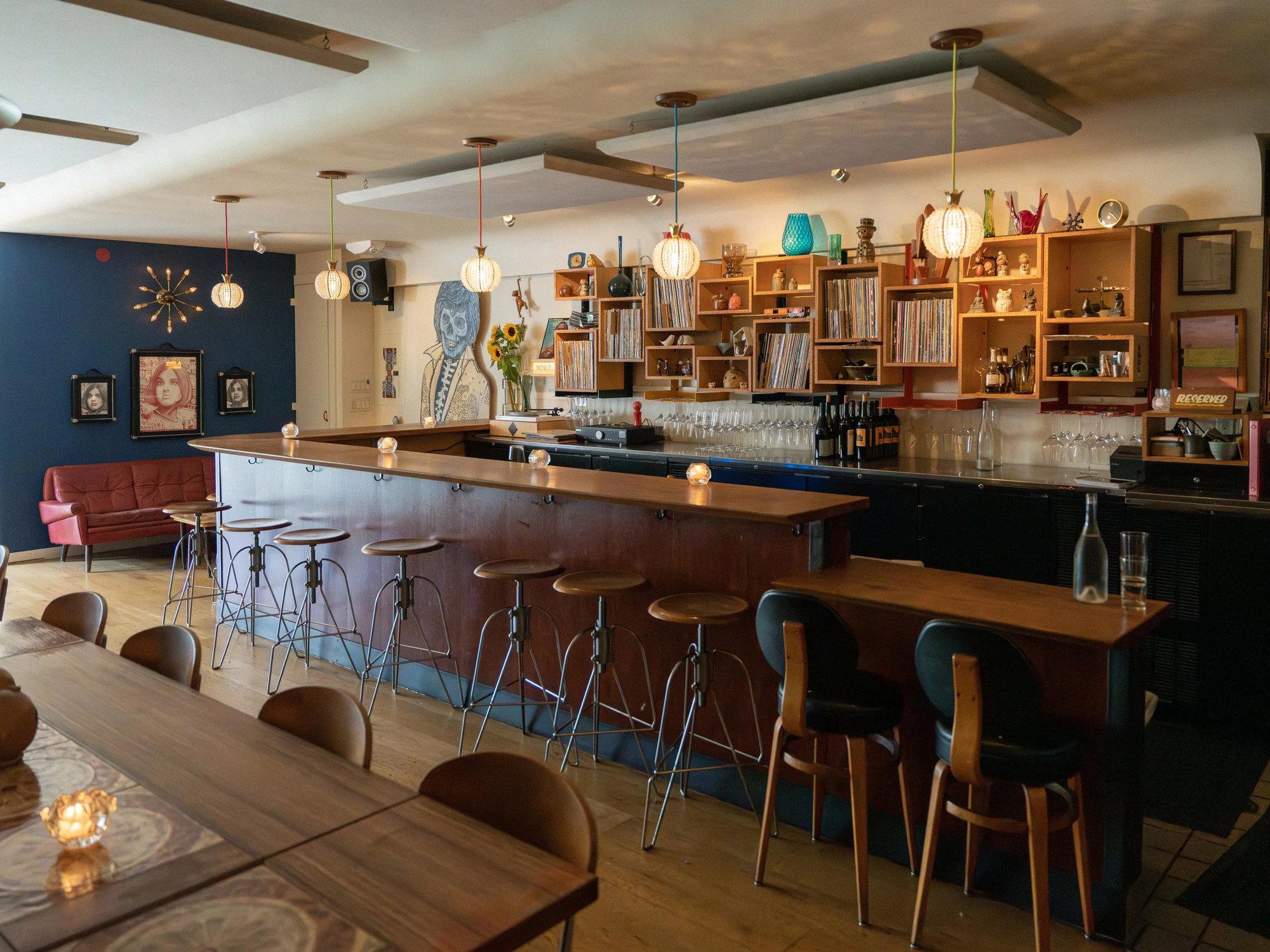
Restaurants in Palo Alto
Browse all →
Bars in Palo Alto
Browse all →
Hotels in Palo Alto
Browse all →
Details
- Elegant
- Sophisticated
- Modern
- Date Night
- Business Dinner
- Special Occasion
- Open Kitchen
- Craft Cocktails
- A La Carte
- Craft Cocktails
- Vegetarian Friendly
Current opening hours
- Monday
- 5–9 PM
- Tuesday
- 5–9 PM
- Wednesday
- 11:30 AM–2 PM, 5–9 PM
- Thursday
- 11:30 AM–2 PM, 5–9 PM
- Friday
- 11:30 AM–2:30 PM, 5–10 PM
- Saturday
- 12–2:30 PM, 5:30–10 PM
- Sunday
- 12–2:30 PM, 5:30–9:30 PM
Hours can change for holidays and private events. Last verified .
Sophisticated atmosphere praised for its elegance, though some diners noted service inconsistencies.