
Tabelog 100 #6
Our verdict
Ramen Tei Hinari Ryuou belongs to Tokyo’s serious counter-ramen tier: small, low-priced, and validated by repeat Tabelog Ramen TOKYO 100 selection. In Omorinaka, the appeal is less about destination dining theatre than about the city’s everyday ramen discipline, where lunch and dinner can feel like two different bets on the same nine-seat room.

Pearl is the En Primeur Club membership app, where members save venues, book tables and use the concierge.
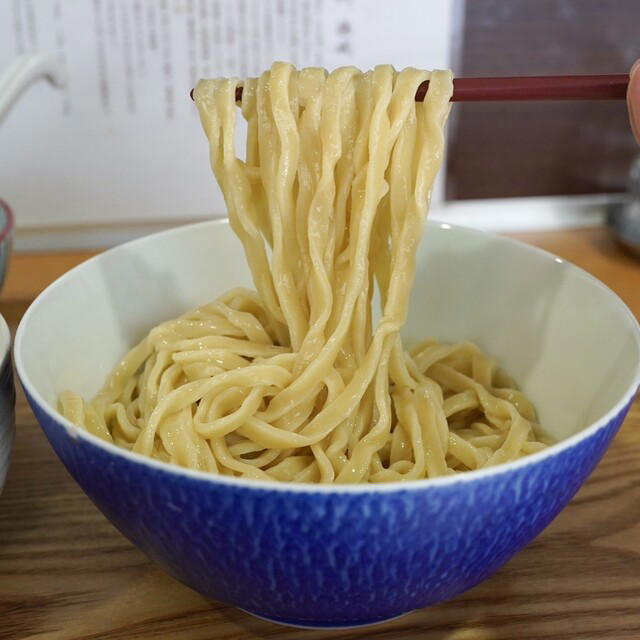
Approaching a Tokyo ramen venue is unlike stepping into a formal, reservation-led dining room. The cues are smaller: a focused menu category, a quick-meal expectation, and the recalibration required when the experience is built around ramen rather than ceremony. Ramen Tei Hinari Ryuou sits in the Tokyo category where the meal is brief, the price democratic, and the attention high enough to earn recognition from Tabelog’s 2025 Hyakumeiten selection in the ramen category.
That matters because Tokyo ramen is not one scene. It runs from everyday bowls to specialist venues where a lunch stop can carry the same queue logic as a far pricier dinner. At Ramen Tei Hinari Ryuou, the listed spend is JPY 1,000 to JPY 1,999 for both lunch and dinner, closer to everyday Tokyo dining than the city’s reservation-led luxury economy. The Tabelog score of 3.78 signals not merely a convenient stop, but a shop with enough public traction to sit in a competitive ramen field.
Lunch has the sharper Tokyo rhythm; dinner changes the stakes
The lunch-versus-dinner divide in ramen is less about different rituals than tempo. Daytime ramen compresses decision-making: office breaks, solo diners, quick turnover, and bowls consumed with minimal ceremony. Evening service slows the city around the meal. The same price band can feel more deliberate after work, when diners choose ramen as the main event rather than a functional pause between errands.
Ramen Tei Hinari Ryuou makes that split legible without needing the apparatus of a luxury restaurant. The format rewards direct planning and a willingness to move with the rhythm of a focused Tokyo ramen venue. In small-scale casual dining, capacity is not assumed to be elastic; the point is to arrive with the right expectations, eat well, and let the bowl carry the experience.
Value also shifts by hour. At lunch, JPY 1,000 to JPY 1,999 competes with Tokyo’s broad casual dining field, from quick everyday meals to set-meal formats and other restaurants. At dinner, the same spend sharply contrasts with higher-ticket restaurants, including Mori Iro or Flowers&Spanish Sonrisa. The editorial point is simple: ramen remains one of Tokyo’s few formats where serious recognition and low spend can share the same frame.
A focused format keeps the attention on ramen culture, not occasion dining
Ramen changes behaviour. It reduces the meal to practical choices: arrive, order, eat, leave. The absence of a heavy occasion-dining script is not a limitation in ramen culture. It is the point. The bowl becomes the room, service model, and social contract. Solo dining fits naturally, while the broader appeal of ramen gives the venue a role beyond the narrow logic of destination fine dining.
Tokyo’s ramen strength lies partly in this range. The same city that supports high-spend sushi, kaiseki, and other formal dining also sustains specialist bowls in modest settings far from hotel corridors. For a broader map of the city’s dining spread, Our full Tokyo restaurants guide gives useful context, while travellers building a longer stay may pair it with Our full Tokyo hotels guide, Our full Tokyo bars guide, Our full Tokyo wineries guide, and Our full Tokyo experiences guide. The lesson is not that ramen replaces those categories, but that it explains Tokyo’s dining intelligence at a different speed and price.
Within that wider field, the comparison is not always another ramen shop. A casual Tokyo itinerary might move between everyday dining formats, tightly focused small restaurants, playful design-led stops, or other dining rooms across the city. Ramen Tei Hinari Ryuou asks for a narrower commitment: travel within Tokyo, accept the focused ramen format, and let the bowl carry the meal without ceremony.
How to think about the detour within Tokyo
Tokyo changes the dining calculation from one plan to the next. This is not luxury convenience dressed up as discovery; it is a focused ramen move with the usual practical friction of a small specialist venue. For visitors used to frictionless payment, booked tables, and hotel-adjacent dining, the relevant detail is less about grandeur than expectation: ramen is fast, direct, and built around a compact service rhythm.
The 2025 Tabelog Hyakumeiten recognition is the trust signal here, not décor, chef mythology, or a tasting-menu narrative. In a city with deep ramen density, that selection says the venue has moved beyond anonymity into public appraisal. The category is ramen, the score is 3.78, and the listed budget remains JPY 1,000 to JPY 1,999 for both lunch and dinner.
For travellers building a wider Japan eating route, the useful comparison is format discipline. A focused bowl in Tokyo occupies a different slot from broader regional dining, cross-city restaurant stops, or Japanese-food diaspora narratives abroad. Tokyo ramen is better judged on its own terms: low price, compact settings, fast turnover, and a public recognition culture that can make a small ramen venue matter beyond its immediate area.
The strongest case for Ramen Tei Hinari Ryuou is lunch-dinner flexibility within a serious ramen frame. Lunch gives the cleaner Tokyo utility play; dinner gives a lower-cost alternative to the city’s expensive evening dining circuit. Either way, the focused format makes timing the real luxury.
In Context: Similar Options
Comparable venues by cuisine and category.
| Venue | Cuisine | Price | Awards | Notes |
|---|---|---|---|---|
| Ramen Tei Hinari RyuouThis venue (the venue you are viewing) | Ramen | $10–20 | Tabelog 100 #6 | Not listed |
| Niboshi Tsukemen Miyamoto | Niboshi-focused Tsukemen & Ramen | $10–20 | Tabelog 100 #55 | Ōta |
| TOUJOURS DEBUTER | Traditional Japanese kissaten cafe | $10–20 | Tabelog 100 | Shinagawa |
| Meguro Hiiragi Himonya kouen doori ten | Taiyaki & Japanese Wagashi Shop | $1–10 | Tabelog 100 #23 | Meguro |
| Kasho Kikuya | Traditional Japanese Wagashi Confectionery | $1–10 | Tabelog 100 #80 | Minato |
| Gyokueido Hikokuro | Traditional Japanese Wagashi & Dorayaki | $1–10 | Tabelog 100 #63 | Chūō |
Recognition history
Dated appearances from independent guides and award organizations, with the underlying list record or original source where available.
Tabelog 100 #6 · No. 6
Tabelog · Tabelog 100 - Ramen - TOKYO - 2025
Continue exploring
More in Tokyo
Restaurants in Tokyo
All restaurants in Tokyo →

Bars in Tokyo
All bars in Tokyo →


Details
- Cozy
- Intimate
- Solo
- Family
- Casual Hangout
- After Work
- Late Night
- Standalone
- A La Carte
- Counter Dining
A compact, non-smoking, counter-only space with nine seats, bright and functional rather than decorative, where the atmosphere is casual and energetic but still comfortable for solo diners and families.