
Tabelog 100 #63
Our verdict
Gyokueido Hikokuro belongs to Tokyo’s serious wagashi circuit rather than the café-dessert mainstream. Its Ningyocho setting, Kyoto lineage dating to 1576, takeaway format, dorayaki category, and Tabelog 100 selection for Tokyo Japanese sweets place it in a small bracket where craft, portability, and old merchant-neighbourhood habits matter more than ceremony.

Pearl is the En Primeur Club membership app, where members save venues, book tables and use the concierge.
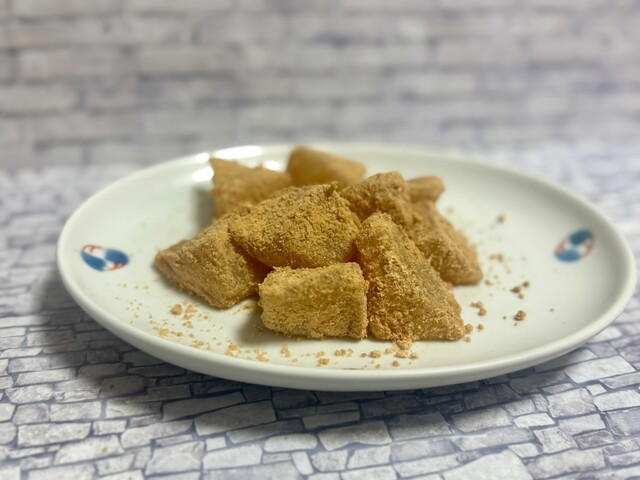
The menu
What to order
- Torayaki (虎家㐂 dorayaki)
- Tamaman (玉万 yam bun with layered fillings)
- Shuhama dango (州浜だんご)
- Seasonal namagashi (上生菓子)
- Yokan
Approaching a traditional sweets shop in Tokyo changes the tempo of a food day. The setting is not the hotel-lobby choreography or youth-culture churn that visitors may associate with other parts of the city; its food culture can feel more practical, more tied to errands, gifts carried by hand, and small purchases chosen with care. Gyokueido Hikokuro fits that grammar: a wagashi address where the experience is not a seated dessert course but a short, disciplined exchange built around Japanese sweets and dorayaki.
Tokyo’s dessert scene often splits into two tracks. One track chases plated pastry, coffee pairings, and camera-ready interiors. The other keeps to wagashi’s tighter logic: season, portion, wrapper, and the social function of sweets as gifts or tea companions. This shop sits firmly in the second camp. Its Tabelog Hyakumeiten recognition in 2023 matters because the category is crowded with specialists, not because it turns the place into a luxury restaurant. The signal is narrower and more useful: this is a serious stop for readers trying to understand how Tokyo treats confections as craft rather than dessert-as-spectacle.
Wagashi as sequence, not sit-down theatre
The assigned rhythm here is closer to a tasting progression than a conventional meal, but the sequence happens by selection rather than courses. In wagashi culture, a visit can move from everyday sweetness to a more formal gift box, from dorayaki to seasonal confections, from personal snack to presentation piece. That arc is part of the appeal. The shop’s categories include Japanese traditional sweets and dorayaki, a useful clue for readers who want an anchor rather than a broad pastry counter.
Dorayaki also explains the level of restraint expected. The form is familiar across Japan, two small pancake-like rounds enclosing sweet bean paste, but the category rewards balance more than novelty. Serious dorayaki shops compete on texture, sweetness, proportion, and freshness, not on elaborate plating. In that sense, Gyokueido Hikokuro belongs beside Tokyo’s traditional specialists rather than dessert cafés engineered for long stays. Morinoen and Yanagiya can be useful reference points for readers thinking through traditional Japanese sweets and snack culture in Tokyo, while Gyokueido Hikokuro remains the concise wagashi stop in this particular plan.
The deeper point is cultural rather than theatrical. Tokyo preserves many food formats that are brief, precise, and retail-minded, especially when the object is meant to be selected carefully rather than stretched into a long meal. That kind of sweets shopping says something about the city’s appetite for small specialisms. The result is not museum food. It is a living retail habit, compressed into a few decisions at the counter.
Tokyo rewards compact specialist eating
Tokyo is useful for travellers who find the city most revealing in small, specific stops. Its dining personality is built from specialisms: sweets, grilled foods, noodles, casual set meals, and counters that serve office workers and long-time residents as much as visitors. A wagashi stop works well because it does not demand the appetite, time, or budget of a full lunch. It can sit between walks, errands, sightseeing, or a second food stop elsewhere in the city.
That compactness is also what separates it from Tokyo’s premium tasting rooms. L'appartamento di NAOKI operates in a different restaurant register; Edomae Shinsaku signals another kind of precision and occasion. Gyokueido Hikokuro occupies another lane entirely: small-format craft, low-friction purchasing, and sweets that can be folded into the rhythm of a day. For readers mapping a day through Tokyo, that contrast is useful. A city itinerary does not need every food stop to be a reservation battle. Some of the clearer cultural evidence comes from places where the transaction is brief and the tradition is legible.
For a broader Tokyo eating plan, place this address among specialist stops rather than general restaurants. EP Club’s Tokyo restaurant coverage includes a wide range of other Tokyo dining rooms, casual counters, cafés, and specialist shops. Use Our full Tokyo restaurants guide for the wider dining map, then cross-check the city through Our full Tokyo hotels guide, Our full Tokyo bars guide, Our full Tokyo wineries guide, and Our full Tokyo experiences guide.
How to use it in a serious Tokyo food day
The strongest way to read this stop is as a palate and culture marker. Tokyo can make visitors chase long menus and reservation status, but wagashi teaches a different discipline: sweetness in small measure, form before excess, and an understanding that food can be designed for carrying as much as consuming immediately. The purchase becomes part of the day rather than the day’s main event.
That makes Gyokueido Hikokuro especially useful for travellers building a food itinerary across categories. Pair a traditional sweets stop with a more substantial meal elsewhere, not another dessert-led venue immediately after. Across Japan and beyond, EP Club’s restaurant notes can help calibrate that range, but this particular address is best understood on its own terms: a focused Tokyo stop for Japanese traditional sweets and dorayaki, with a modest listed price band and a compact role in a larger day of eating.
The editorial case is simple: in a city often judged by sushi counters, cocktail technique, and tasting-menu scarcity, wagashi offers a quieter measure of seriousness. Gyokueido Hikokuro earns attention because it sits at the intersection of a focused sweets format, a modest budget listing, and Tokyo Tabelog Hyakumeiten recognition in 2023. For travellers who care about sequence, it is not necessarily the finale. It is the precise middle note that makes a Tokyo food day feel properly composed.
Frequently asked questions
Is Gyokueido Hikokuro expensive?
Pricing at Gyokueido Hikokuro is listed as - JPY 999.
What are Gyokueido Hikokuro's hours?
Specific opening hours are not provided here. Check directly with Gyokueido Hikokuro before planning a visit.
Where is Gyokueido Hikokuro located?
Gyokueido Hikokuro is located in Tokyo.
What's the defining dish or idea at Gyokueido Hikokuro?
The defining idea is wagashi, with dorayaki listed among the categories. That format, plus its Tabelog Hyakumeiten recognition in 2023, places it among Tokyo’s credentialed traditional sweets stops.
Do they accommodate allergies at Gyokueido Hikokuro?
Allergy handling should be checked directly before ordering, especially for Japanese traditional sweets and dorayaki. Phone inquiries can be made at +81-3-3666-2625.
Quick Comparison
Comparable venues to anchor price and recognition.
| Venue | Cuisine | Price | Awards | Notes |
|---|---|---|---|---|
| Gyokueido HikokuroThis venue (the venue you are viewing) | Traditional Japanese Wagashi & Dorayaki | $1–10 | Tabelog 100 #63 | Not listed |
| Rodin | European-style Japanese Curry | Not listed | Tabelog 100 #18 | Chūō |
| Kagaribi | Handmade Shoyu Ramen Counter | $10–20 | Tabelog 100 #33 | Chūō |
| Koseto Coffee Ten | Japanese kissaten & cafe | $10–20 | Tabelog 100 | Chiyoda |
| Kikumaru | Traditional Japanese sweets café (anmitsu & wagashi) | $1–10 | Tabelog 100 #82 | Taitō |
| Tsukemen Gonokami Seisakujo | Shrimp Tsukemen Ramen Shop | $10–20 | Tabelog 100 #42 | Shibuya |
Recognition history
Dated appearances from independent guides and award organizations, with the underlying list record or original source where available.
Tabelog 100 #63 · No. 63
Tabelog · Tabelog 100 - Japanese traditional sweets / Japanese sweets cafe - TOKYO - 2023
Continue exploring
More in Tokyo
Restaurants in Tokyo
All restaurants in Tokyo →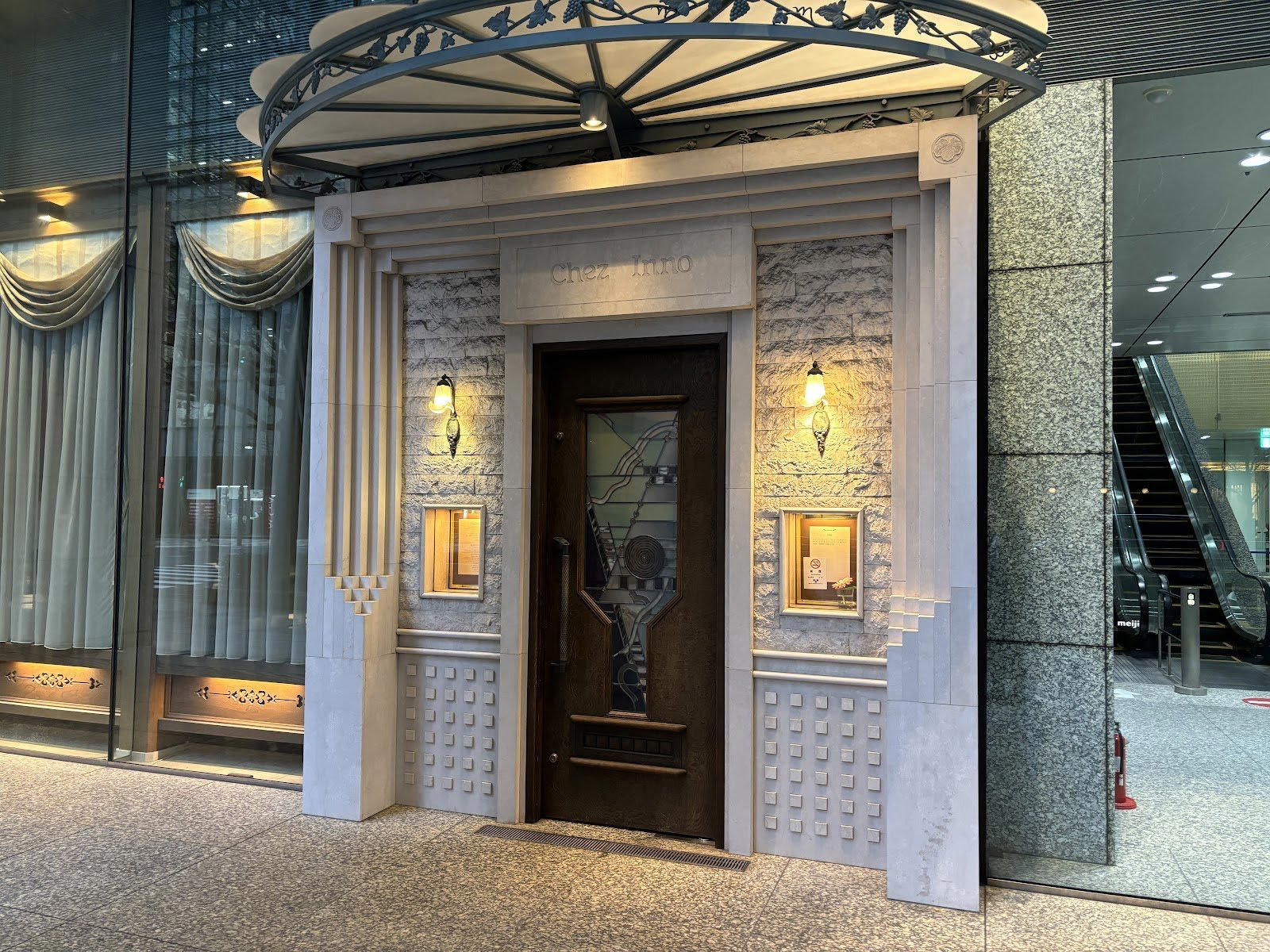

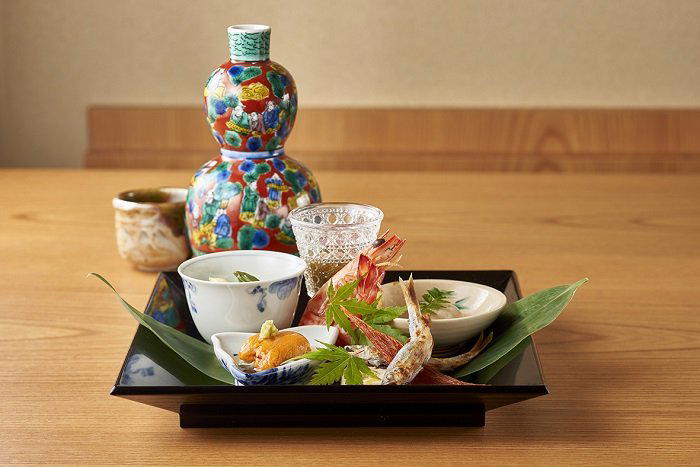
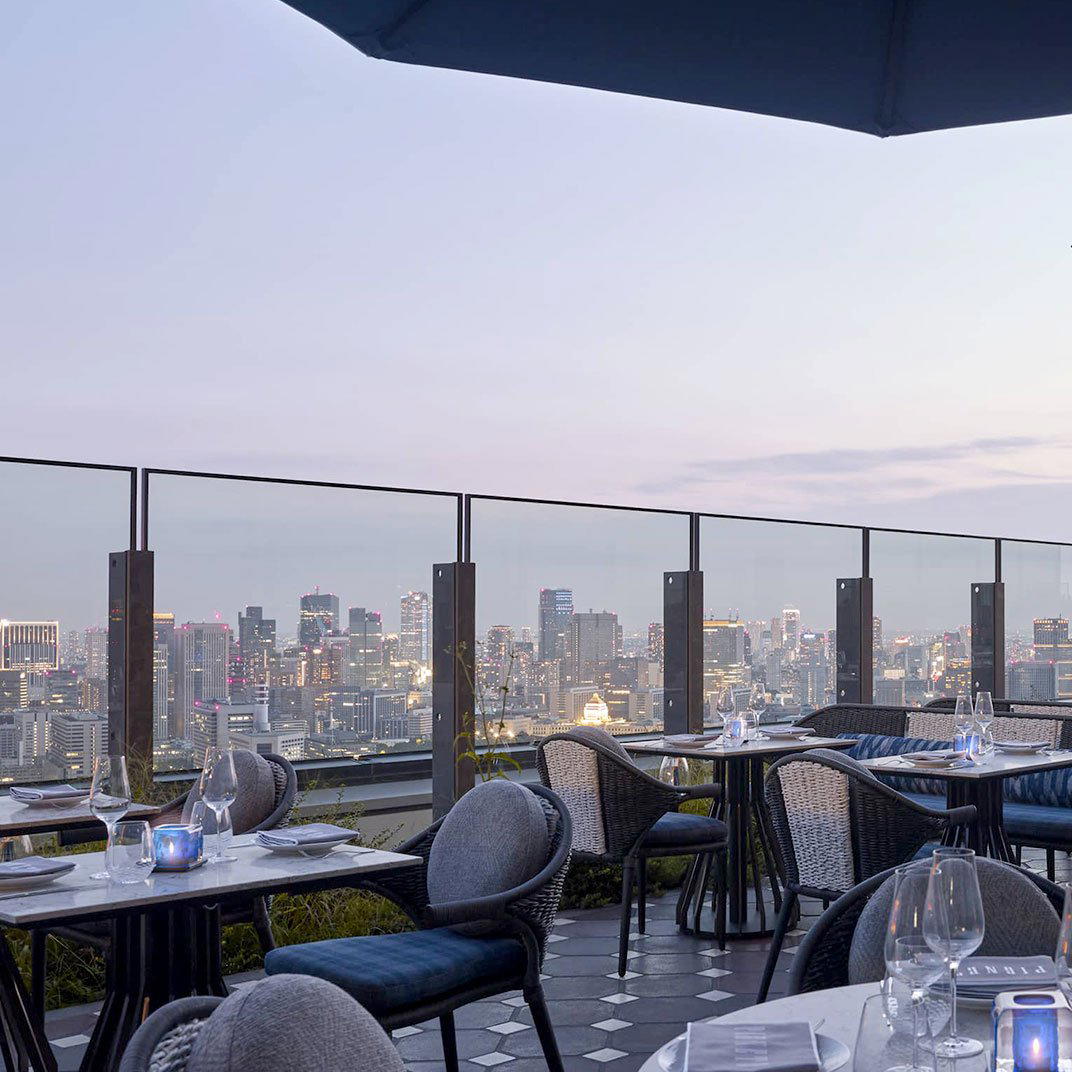






Details
- Classic
- Cozy
- Well Known
- Quiet
- Solo
- Family
- Casual Hangout
- After Work
- Celebration
- Historic Building
- Standalone
- Design Destination
- Local Sourcing
- Street Scene
- A La Carte
- Counter Dining
Current opening hours
- Monday
- 9 AM–7 PM
- Tuesday
- 9 AM–7 PM
- Wednesday
- 9 AM–7 PM
- Thursday
- 9 AM–7 PM
- Friday
- 9 AM–7 PM
- Saturday
- 9 AM–6 PM
- Sunday
- 9:30 AM–5 PM
Hours can change for holidays and private events. Hours as of .
A small, traditional Japanese sweets shop with a classic neighborhood feel; calm and unhurried, focused on meticulous handcraft rather than dine‑in service, with a nostalgic, long‑established atmosphere suited to quiet browsing and gift buying rather than lingering meals.