Tabelog 100
Our verdict
Tokyo’s kissaten culture rewards patience, low spend, and a tolerance for rooms that run on their own tempo. TOUJOURS DEBUTER belongs to that older coffee-shop lane in Gotanda, with Tabelog Kissaten 100 selections in 2021 and 2022 giving it a clearer signal than most casual cafés at this price level.

Pearl is the En Primeur Club membership app — saves, bookings, and concierge access live there. Same editors, same standards.
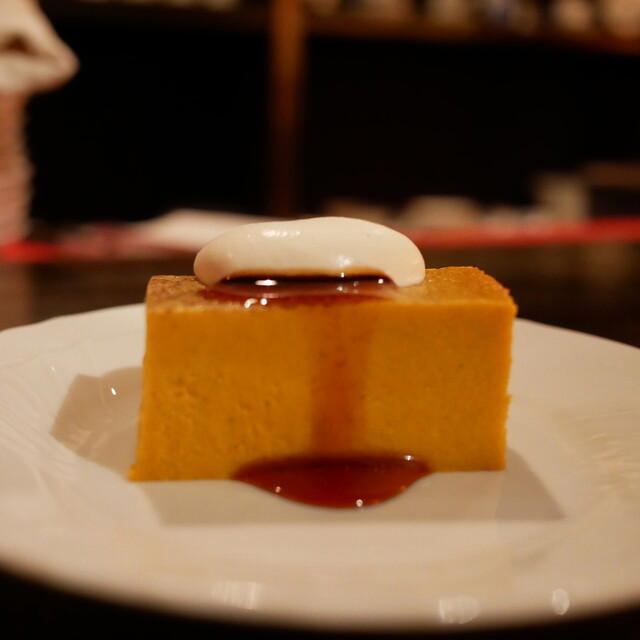
Many Tokyo kissaten are less spectacle than shift in pace: stairs down, a smaller room, regulars reading the room before the menu. Tokyo, with station traffic, office workers, modest dining rooms, and old coffee shops, suits that rhythm. TOUJOURS DEBUTER belongs to the city’s practical coffee-house tradition, not the dessert-driven café circuit that dominates social feeds.
That distinction matters. Tokyo has at least three café cultures at once: design cafés built for photography, chain coffee engineered for speed, and kissaten where value sits in time, seating, and repetition. The third is harder to summarize because it rarely depends on novelty. A place can be inexpensive and still carry serious local weight if consistency makes it part of a city’s daily pattern.
Tokyo's kissaten value sits in time, not theatre
The value proposition is clear for Tokyo: a low-price coffee-shop format with a recognized local dining signal. The venue was selected for Tabelog’s Kissaten 100 in 2022, and its Tabelog score is listed at 3.72, meaningful in a category where atmosphere, regular use, and small preferences often outweigh formal culinary ambition. Spend is listed at - JPY 999 for both lunch and dinner, closer to everyday dining than to higher-ticket café counters.
Tokyo sharpens that equation. This is not a polished destination-café pitch, nor a room built only around destination dining. The city has workday lunch rooms, after-work counters, older casual formats, and quick-service standbys. In that context, a kissaten is not competing on luxury, but on whether the room gives a useful pause in the day.
The local comparison set underlines the point. Grill F runs higher at dinner while keeping lunch more accessible; Nichinan and Niwa Tori sit in a fuller evening-dining range; Oniyanma Gotanda honten occupies a quick, low-price lane. TOUJOURS DEBUTER is closer to the low-spend end of that spectrum but belongs to a different ritual: not speed, not full dinner, but coffee-shop time. That is why it reads as good value, especially for travellers who want Tokyo’s everyday food culture without making every stop a reservation project.
For broader Tokyo planning, the contrast helps. A day might pair a kissaten stop with a sharper booking, a counter-led meal, or other Tokyo dining rooms with a very different rhythm. The point is not ranking; it is reading Tokyo through formats: counter dining, casual rooms, kissaten, quick-service stops, and specialist cafés answer different needs.
A coffee-shop category with a stricter local filter
Tabelog’s Kissaten 100 list is useful because it separates Japanese coffee shops from the broader café category. A kissaten is not simply a place serving coffee. Historically, it is closer to a social room: part rest stop, part light-meal counter, part everyday habit. The category often tolerates quirks contemporary café culture edits out, including older interiors, slower turnover, and local payment customs.
Those details divide readers. Travellers expecting a laptop-friendly, international specialty-coffee environment may misread the format. Travellers interested in Tokyo’s older casual hospitality grammar will understand it faster. The point is not to force the room into a global café template, but to approach it as part of Japanese coffee-house culture alongside newer café styles.
TOUJOURS DEBUTER should therefore be treated less as a generic café recommendation than a category lesson. Tokyo’s casual food scene is full of inexpensive rooms with strong identity, from quick counters to theme-forward cafés and long-running coffee shops. The kissaten lane is quieter. Its pleasures are procedural: sit, order, stay within the room’s tempo, leave without forcing it into a contemporary café shape.
For wider Japan itineraries, the logic travels. Café culture in other Japanese cities expresses different local habits through everyday rooms, specialist counters, and neighbourhood coffee stops. The lesson is not that every casual address does the same work; it is that Japan’s lower-price food rooms often carry as much cultural information as higher-spend dining rooms when read on their own terms.
How to place it in a Tokyo day
This fits a solo pause or small catch-up better than a large group. Its listed categories are Kissa and Cafe, which makes the compact, everyday character part of the appeal rather than a limitation. Best uses: between commitments in Tokyo, a coffee-shop interval before dinner, a short break after station travel, or a low-pressure meeting point when a full meal is too much.
Planning is practical. In humid Tokyo summer, a kissaten can be a controlled pause between train transfers and pavement heat; in winter, the appeal becomes a longer indoor stop. Treat the visit as part of Tokyo’s everyday café culture rather than the city’s advance-booking economy, and keep expectations aligned with a low-spend coffee-shop format.
Readers mapping a full Tokyo stay should separate this address from hotel, bar, and experience planning. Use Our full Tokyo restaurants guide for dining context, Our full Tokyo hotels guide for base selection, Our full Tokyo bars guide for evening structure, Our full Tokyo wineries guide for wine-led detours, and Our full Tokyo experiences guide for non-restaurant planning. Nearby-city and overseas comparisons help only when they clarify format, and other casual rooms may serve very different occasions. TOUJOURS DEBUTER’s role is narrower and stronger for it: a low-spend Tokyo kissaten with enough recognition to justify making room for coffee-shop time.
Frequently asked questions
What should I budget for a meal at TOUJOURS DEBUTER?
Pricing at TOUJOURS DEBUTER is listed as - JPY 999 - JPY 999.
Where is TOUJOURS DEBUTER in Tokyo?
Tokyo.
Can I walk in to TOUJOURS DEBUTER?
A casual visit is the practical way to think about TOUJOURS DEBUTER: plan around a low-spend Tokyo kissaten format rather than a formal dining appointment.
What is TOUJOURS DEBUTER known for?
TOUJOURS DEBUTER is known as a Tokyo Kissa and Cafe, with Tabelog Kissaten 100 recognition in 2022 and a listed score of 3.72.
Comparable Spots
Comparable venues in the metro at similar price points.
| Venue | Cuisine | Price | Awards | Notes |
|---|---|---|---|---|
| TOUJOURS DEBUTERThis venue (the venue you are viewing) | Traditional Japanese kissaten cafe | $10–20 | Tabelog 100 | Not listed |
| Grill F | Classic Yoshoku (Japanese Western-style) Grill | $10–20 | Tabelog 100 #26 | JPY 3,000 - JPY 3,999 JPY 1,000 - JPY 1,999 View spending breakdown |
| Nichinan | Traditional Japanese Izakaya | Not listed | Tabelog 100 #29 | JPY 6,000 - JPY 7,999 |
| Niwa Tori | Yakitori & Chicken Izakaya | $30–50 | Tabelog 100 #5 | JPY 6,000 - JPY 7,999 |
| Oniyanma Gotanda honten | Standing Sanuki Udon Shop | $1–10 | Tabelog 100 #27 | JPY 999 - JPY 999 |
Recognition history
Dated appearances from independent guides and award organizations, with the underlying list record or original source where available.
Tabelog 100
Tabelog · Tabelog 100 - Kissaten - 2026
Full recognition history (2 entries)
Tabelog 100 #71 · No. 71
Tabelog · Tabelog 100 - Kissaten - 2022