O'KINY

O'KINY places Korean cooking inside Nishinomiya’s everyday dining rhythm: casual, structured, and built around repeatable meal rituals rather than ceremony. Its 2024 selection for Tabelog 100 Asian cuisine / Ethnic cuisine WEST gives it a clear trust signal in a category where local regularity matters as much as destination status.
Pearl is the En Primeur Club membership app — saves, bookings, and concierge access live there. Same editors, same standards.
- Address
- 10-12 Kitanatsugicho, Nishinomiya, Hyogo 662-0025, Japan
- Phone
- +81 798-75-6477
- Website
- o-kiny.com
 Saves & bookings on Pearl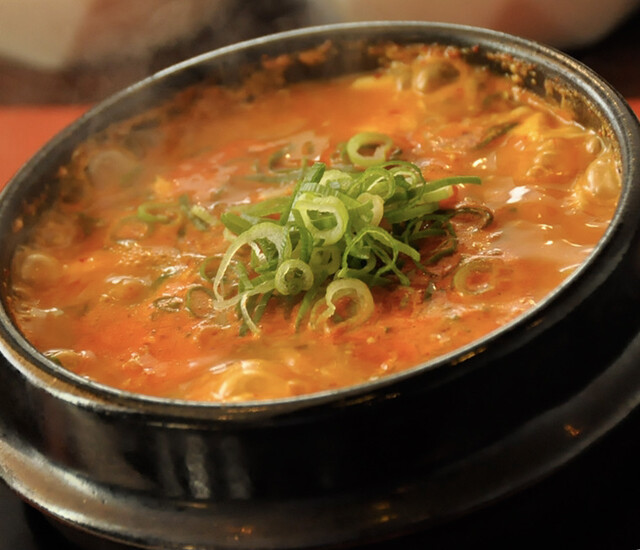
Kurakuenguchi’s restaurant streets do not perform for visitors like central Osaka or Kobe dining districts. Their appeal is quieter: upstairs rooms, family tables, meaningful lunch services, and restaurants that win loyalty through repetition rather than spectacle. Here, Korean cooking feels less like a special-occasion detour than part of Nishinomiya’s weekly rhythm, built around shared side dishes, rice, soup, heat, pickles, and the small negotiations across a table.
O'KINY fits that pattern clearly. Categorized as Korean, selected for Tabelog 100 Asian cuisine / Ethnic cuisine WEST in 2024, and rated 3.62 on Tabelog, it carries a meaningful signal in Japan’s user-driven restaurant culture. The point is not the badge alone, but how a modestly priced Korean table in Hyogo can share an award conversation with more obvious destination dining, because Japan’s regional food culture rewards consistency, pacing, and a reliable sense of how a meal should unfold.
Korean dining as a table ritual, not a tasting-menu performance
Korean restaurants in Japan often work through accumulation rather than one centrepiece. The meal builds through side dishes, grilled or stewed mains, rice, soup, condiments, refills, and the timing of sharing. At O'KINY, public details point directly to that format: kimchi, namul, and wakame are listed with free refills, and the first pack of Korean seaweed is free, with additional packs at JPY 55. Those small facts say more than inflated adjectives. The value is a table that keeps resetting itself, letting diners move between salt, heat, acidity, greens, and rice at their own pace.
That rhythm separates this address from Nishinomiya’s higher-spend dining. Nearby comparison points such as Asai sit in a different budget band, while numero Cinco, listed at a much higher dinner range, belongs to another decision category. O'KINY operates where lunch and dinner can stay casual without becoming careless. It is a narrow lane: inexpensive restaurants can be merely functional, while award-listed ethnic dining can become destination theatre. The interest here is the middle ground, where the meal remains accessible and standards register beyond the neighbourhood.
Nishinomiya’s broader food map helps explain the appeal. The city is not a single-cuisine destination; it is a commuter belt with serious local habits, where bakeries, patisseries, Japanese counters, and casual regional cooking compete for repeat visits. A reader might pair this Korean address with the bread culture of Boulangerie Miyanaga, the sweets circuit around Cake House Tsumagari Kouyouen honten, or a different South Asian register at Akash and ameen’s oven. The useful comparison is not cuisine superiority, but how each address serves a specific local need.
Why the award matters in a low-price category
Tabelog’s Hyakumeiten selections matter in categories where Michelin-style fine-dining markers are less relevant. Asian and ethnic cuisine in western Japan covers a wide field, and the 2024 WEST selection places O'KINY in a regional conversation, not only a Nishinomiya one. For travellers, that helps because lower price categories can be hard to read from outside Japan. A JPY 1,000 to JPY 1,999 range tells only part of the story; the award suggests the restaurant has moved from local utility into broader recognition.
The pricing also changes the decision. This meal need not anchor an entire day, which is part of its usefulness. In a city where premium itineraries often over-index on formal reservations, a strong casual Korean restaurant can restore the schedule, feed a mixed group, or give a sharper local read than another polished counter. Children are welcome and a kids menu is listed, reinforcing the point. The ritual is communal rather than hushed, structured enough for serious eaters but not built around exclusivity.
Public details make the room easier to place. The restaurant lists 34 seats, no private rooms, no smoking, take-out, parking, and a setting for families and friends. These signals point to regular use, not rarity. Reservations are available, and the restaurant has operated since 2009, giving it a longer local timeline than many trend-driven casual openings. In Kansai, that durability matters. Restaurants serving everyday food need returning customers more than spectacle, and sixteen-plus years in operation is evidence.
How to fit it into a Nishinomiya itinerary
The practical logic is strongest for travellers already moving through Nishinomiya or Kurakuenguchi, rather than forcing a single-purpose trip from central Osaka. The restaurant is listed near Kurakuenguchi Station, with access on foot from the station area, and runs lunch and dinner. Weekday lunch has a slightly tighter window than weekends and public holidays, while dinner ends with last orders before the listed closing time. Temporary closures are noted, so check timing before building a schedule around it.
Payment is useful context in suburban Japan. Credit cards and electronic money are not listed as accepted, while PayPay is accepted for QR payment. Do not assume urban hotel-district payment habits apply. Treat it as a local meal with local systems: arrive with flexibility, respect the table rhythm, and let the side dishes do their work rather than turning the room into a destination checklist.
For a fuller read on the city’s dining spread, use Our full Nishinomiya restaurants guide. Travellers building a broader stay can cross-reference Our full Nishinomiya hotels guide, Our full Nishinomiya bars guide, Our full Nishinomiya wineries guide, and Our full Nishinomiya experiences guide. For contrast beyond Hyogo, the Japanese casual-dining spectrum runs from -Grilled beef Sukiyaki- KAMAKURA TANUKIAN 鎌倉 たぬき庵 in Kamakura and. 鮪と炭火焼き うお炭 秋葉原店 in Tokyo to.cafe in Osaka.know in Kumamoto, (Shoku) Vietnam in Kawasaki, and [Curry Senmon Ten] Maruyama Kyoju. in Sapporo. Readers tracking Japanese food culture abroad can also compare the ritual language of rice, sake, and casual formats at Jōdo Saké Bar in Los Angeles and Onigiri Time in Pasadena.
Where It Fits
Nearby venues at a similar price tier for orientation.
| Venue | Cuisine | Price | Notes |
|---|---|---|---|
| O'KINYThis venue — the venue you are viewing | Casual Korean Restaurant | $$ | Not listed |
| Men Sho Kuukai | Dining | Not listed | Nishinomiya |
| Little Lanka | Authentic Sri Lankan Curry & Set Courses | $$ | Yamaguchi-cho |
| Akash | Indian curry house | $$ | Not listed |
| Asai | Okonomiyaki (Japanese savory pancakes) counter | $$ | Kurakuenguchi |
| numero Cinco | Mexican & Southwestern Comfort Food | $$ | Not listed |
Recognition history
Dated appearances from independent guides and award organizations, with the underlying list record or original source where available.
Tabelog 100 #71 · No. 71
Tabelog · Tabelog 100 - Asian cuisine / Ethnic cuisine - WEST - 2024
Continue exploring
More in Nishinomiya
Restaurants in Nishinomiya
Browse all →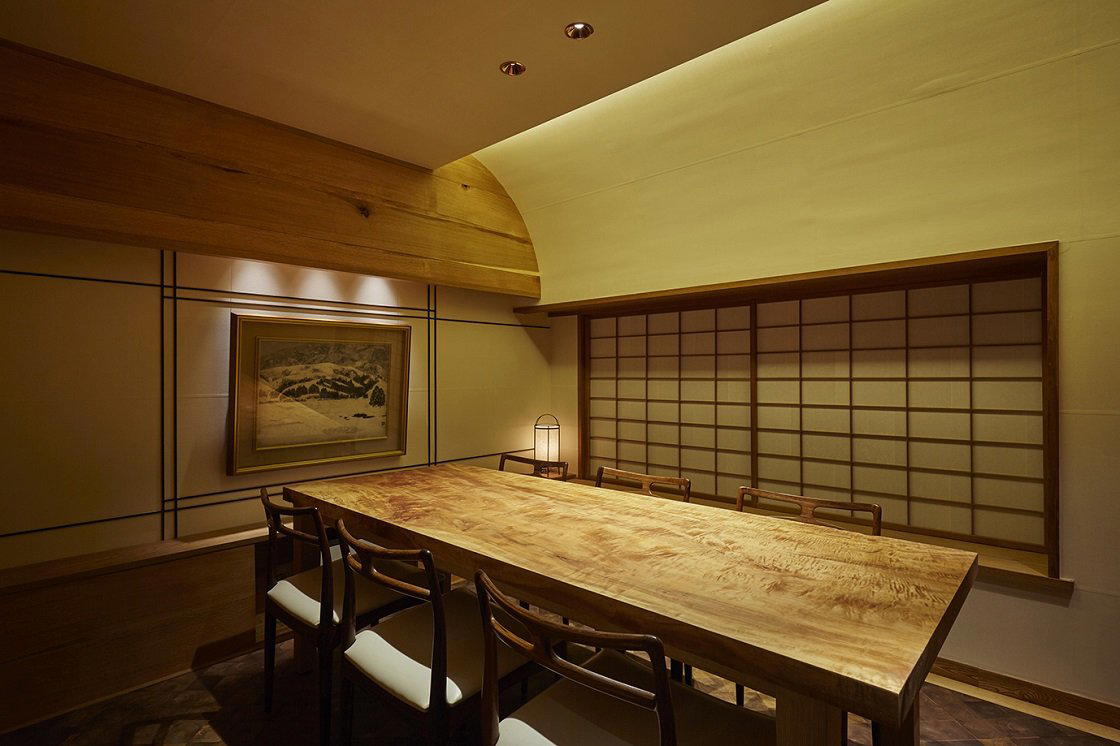




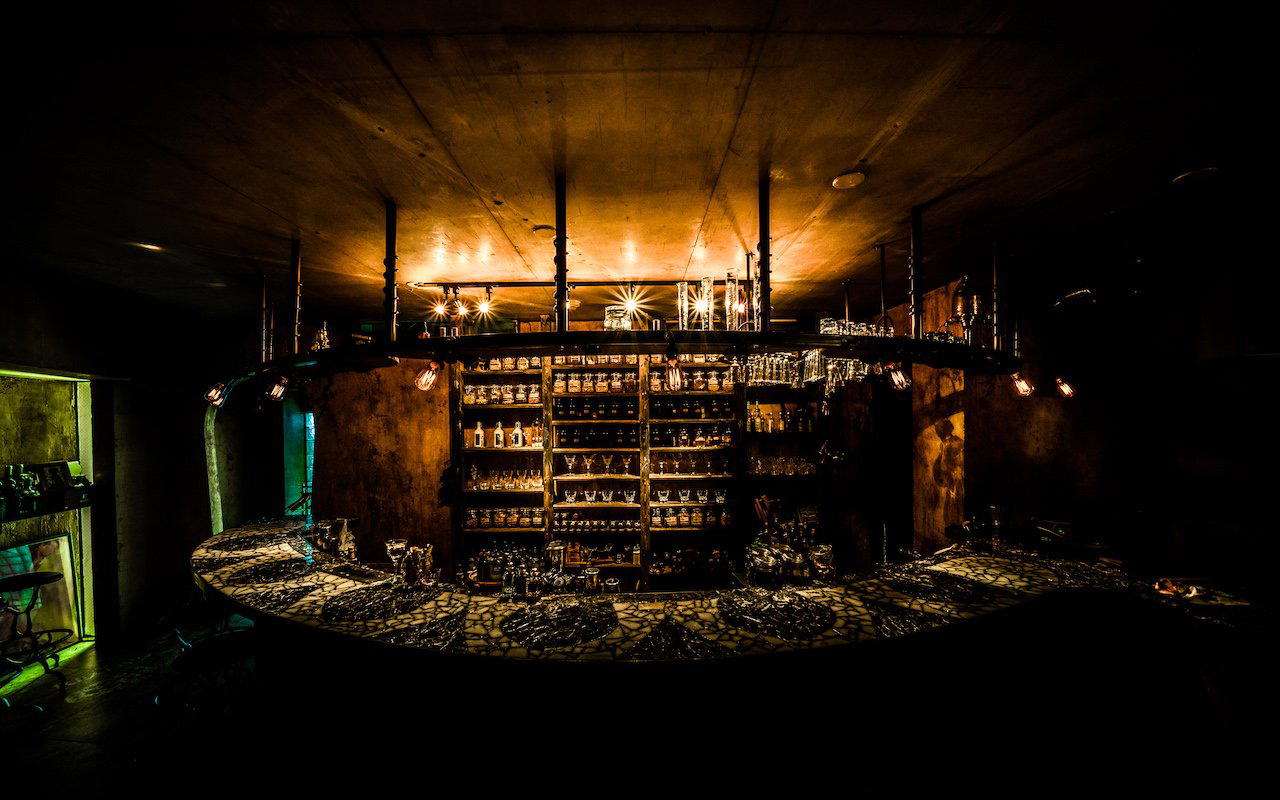
Bars in Nishinomiya
Browse all →



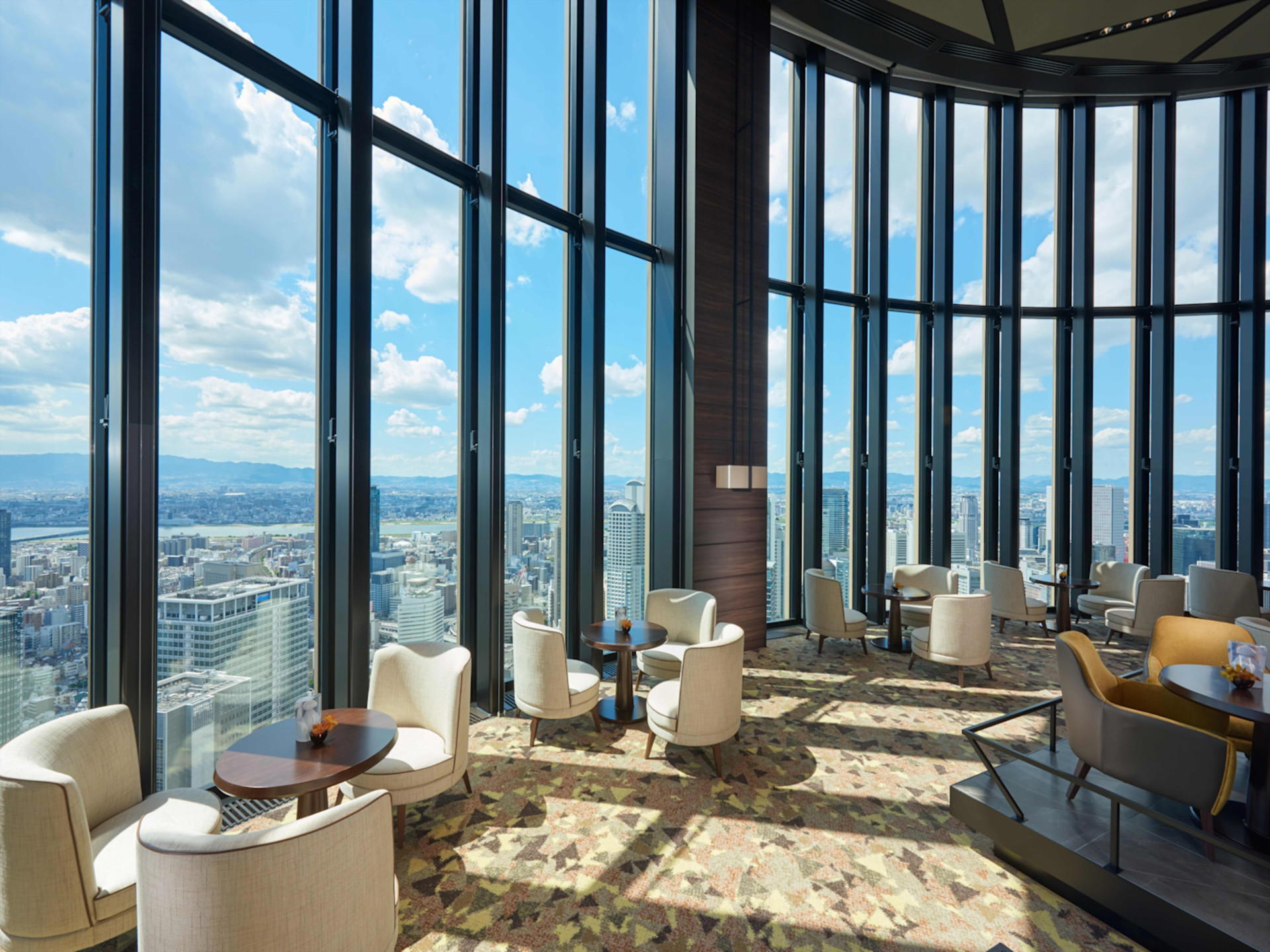
Hotels in Nishinomiya
Browse all →


Wineries in Nishinomiya
Browse all →
At a Glance
- Cozy
- Lively
- Casual
- Family
- Group Dining
- Casual Hangout
- After Work
- Solo
- Standalone
Current opening hours
- Monday
- 11 AM–3 PM, 5–9 PM
- Tuesday
- 11 AM–3 PM, 5–9 PM
- Wednesday
- 11 AM–3 PM, 5–9 PM
- Thursday
- 11 AM–3 PM, 5–9 PM
- Friday
- 11 AM–3 PM, 5–9 PM
- Saturday
- 11 AM–3:30 PM, 5–9 PM
- Sunday
- 11 AM–3:30 PM, 5–9 PM
Hours can change for holidays and private events. Last verified .
Warm and casual neighborhood spot with simple decor, bright but comfortable lighting, and an easygoing atmosphere that works for everyday meals and small group gatherings.