tonkatu butashou

A compact Nishinomiya tonkatsu address near Shukugawa, tonkatu butashou belongs to the newer wave of specialist pork-cutlet rooms where frying technique carries the meal. Its 2026 Tabelog 100 Tonkatsu selection and small counter-led format place it above the casual set, while the family-friendly details keep it more accessible than many award-listed Japanese counters.
Pearl is the En Primeur Club membership app — saves, bookings, and concierge access live there. Same editors, same standards.
- Address
- 兵庫県西宮市羽衣町4-23-104 夙川羽衣町パークハイム
- Phone
- +81798315229
- Website
- tabelog.com
 Saves & bookings on Pearl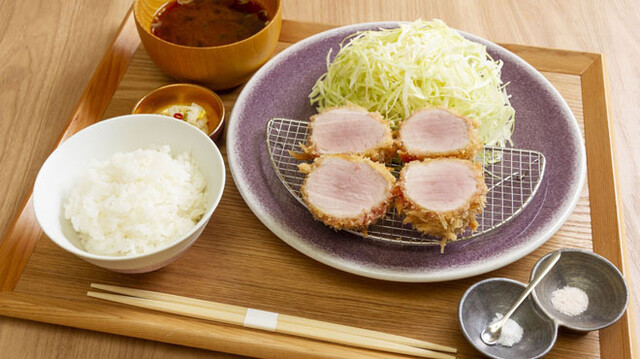
Approaching a serious tonkatsu counter in suburban Hyogo is a different proposition from chasing sushi in Ginza or kaiseki in Kyoto. The cues are quieter: a small room, counter seats close to the action, and a menu built around the discipline of frying rather than theatrical luxury. Tonkatu butashou fits that Kansai pattern. It is not trying to turn pork cutlet into ceremony; it belongs to a Japanese tradition where breading, oil temperature, pork selection, rice, cabbage, and timing are judged with the same seriousness that other cuisines reserve for sauce work or grill marks.
Tonkatsu occupies a peculiar place in Japanese dining because it is both everyday comfort food and a specialist craft. The dish arrived through yōshoku, Japan’s adaptation of Western cooking, then became its own category: cutlet houses, set meals, regional preferences, and obsessive attention to frying. In a city such as Nishinomiya, better known to many travelers as a residential rail stop between Osaka and Kobe than as a destination dining district, a small tonkatsu room with national category recognition says something useful about how Japanese food culture is distributed. Serious eating is not confined to large-city hotel towers or chef-counter capitals.
Low-temperature frying and the modern tonkatsu specialist
The current tonkatsu conversation in Japan has moved well beyond the old binary of lean hire-katsu versus richer rosu-katsu. Specialist houses are judged by control: how the crust holds, how the meat rests after frying, how the oil behaves, and whether the set meal feels balanced rather than heavy. Tonkatu butashou’s public description points to slow, low-temperature frying, a technique associated with a gentler approach to pork texture than the darker, harder fry of older mass-market shops. That matters because tonkatsu, at this level, is less about novelty than calibration.
The Tabelog 100 Tonkatsu 2026 selection gives the restaurant its clearest external signal. Tabelog’s Hyakumeiten lists are category-specific rather than broad fine-dining awards, which makes the recognition especially relevant here: this is a pork-cutlet list, not a generalized restaurant popularity badge. The listed Tabelog score of 3.65 also places it in the serious-review zone for a casual-specialist category, where small differences in score can reflect a highly engaged local audience rather than tourist volume.
That category focus separates the experience from Nishinomiya’s lighter daytime circuit. The city has strong bakery and confectionery habits, visible in places such as Boulangerie Miyanaga and Cake House Tsumagari Kouyouen honten, where precision is expressed through dough, butter, and pastry technique. Tonkatsu asks a different question: can a familiar dish justify focused attention when stripped of tasting-menu language? In Japan, the answer is often yes, and the stronger shops prove it through repetition rather than reinvention.
Nishinomiya's small-room dining culture rewards precision
Nishinomiya sits in the practical middle of the Hanshin corridor, close enough to Osaka and Kobe to absorb both cities’ dining habits, but local enough to support compact neighborhood rooms. That geography explains part of the appeal. A venue such as Akash, ameen’s oven, or Asai may draw different audiences, but together they show a city where small formats matter. Tonkatsu fits that ecosystem cleanly: it rewards regulars, solo diners, families, and anyone who understands that a narrow menu can be a strength when the technique is exacting.
The room itself reinforces that reading. Eleven seats, including seven at the counter and one four-seat table, make the meal feel closer to a focused workshop than a broad casual restaurant. Counter seating matters in tonkatsu because frying is not hidden labor; the format lets diners register pacing, sequence, and the kitchen’s handling of each order without turning the meal into performance. The availability of sake and wine also moves the restaurant slightly away from the purely functional lunch-set model and toward a more adult evening rhythm, while the family-friendly notes keep it grounded in local dining life.
For travelers building a Nishinomiya day around food rather than a single reservation, the better approach is to treat tonkatsu as the anchor and add smaller stops around it. The broader city guide at Our full Nishinomiya restaurants guide gives useful context, while adjacent planning pages such as Our full Nishinomiya hotels guide, Our full Nishinomiya bars guide, Our full Nishinomiya wineries guide, and Our full Nishinomiya experiences guide help place the meal inside a fuller itinerary. Nishinomiya does not require the posture of destination dining; it rewards a slower read of neighborhood appetite.
How to read the meal against Japan's broader comfort-food canon
Tonkatsu also belongs in a wider Japanese comfort-food canon that prizes specialization. A sukiyaki-focused room such as -Grilled beef Sukiyaki- KAMAKURA TANUKIAN 鎌倉 たぬき庵 in Kamakura, a tuna-and-charcoal format like. 鮪と炭火焼き うお炭 秋葉原店 in Tokyo, or a curry specialist such as [Curry Senmon Ten] Maruyama Kyoju. in Sapporo all sit within the same national habit: one central dish, narrowed until small technical choices become the point. Even casual-leaning venues such as.cafe in Osaka.know in Kumamoto, and (Shoku) Vietnam in Kawasaki show how Japan’s dining map resists easy hierarchy between formal and informal eating.
Seen from abroad, tonkatsu can look simple: pork, crumb, oil, cabbage, rice. Seen from within Japan, it is a test of restraint. The better version does not need luxury signals to justify itself; it needs the cutlet to arrive with the right relationship between crust and meat, and the meal to leave room for repeat use rather than spectacle. That is why tonkatu butashou’s strongest case is not as a detour for collectors, but as a marker of how seriously Japan treats a dish that elsewhere is dismissed as merely fried food.
There is also an international echo here. Japanese comfort-food formats have traveled widely, from sake-led counters such as Jōdo Saké Bar in Los Angeles to focused rice-and-filling concepts like Onigiri Time in Pasadena. What often gets lost in translation is the local scale: the small room, the limited seat count, the expectation that a familiar dish can support close judgment. Nishinomiya’s version keeps that scale intact.
- Low-temperature fried premium pork tonkatsu
- Matsusaka pork tonkatsu
- TOKYO X loin tonkatsu
- Chicken breast tempura
- Kids’ menchi-katsu set
- Hojicha pudding
Cost and Credentials
Comparable venues by cuisine and price in the same metro.
| Venue | Cuisine | Price | Notes |
|---|---|---|---|
| tonkatu butashouThis venue — the venue you are viewing | Not listed | $$ | Not listed |
| Asai | Not listed | $$ | Kurakuenguchi, Okonomiyaki (Japanese savory pancakes) counter |
| Sanka Udon Hangeshou | Not listed | $ | Nishinomiya, Traditional Sanuki Udon & Oyako-don |
| Komago | Kōyōen, Traditional Japanese Kaiseki | $$$$ | Not listed |
| Michel bach | Not listed | $$ | Shukugawa, Classic Western-style patisserie and dessert shop |
| Men Sho Kuukai | Dining | Not listed | Not listed |
Recognition history
Dated appearances from independent guides and award organizations, with the underlying list record or original source where available.
Tabelog 100 #38 · No. 38
Tabelog · Tabelog 100 - Tonkatsu - 2026
Continue exploring
More in Nishinomiya
Restaurants in Nishinomiya
Browse all →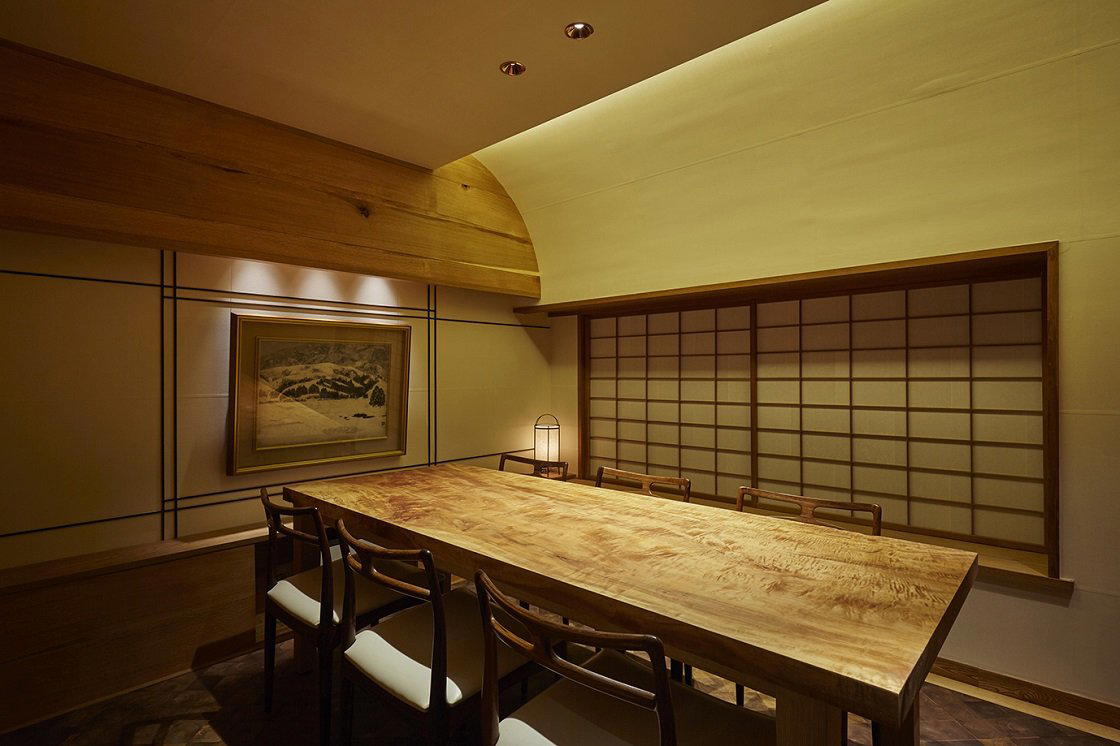




Bars in Nishinomiya
Browse all →



Hotels in Nishinomiya
Browse all →


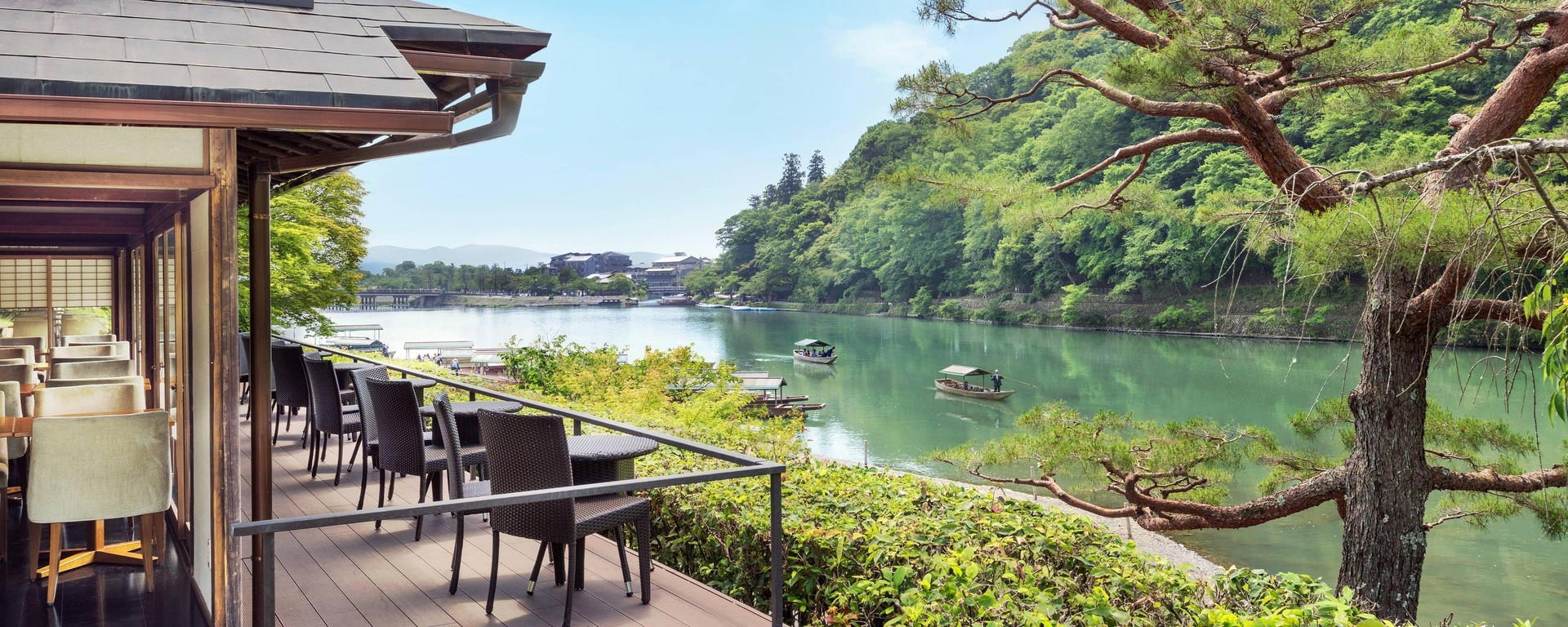
Wineries in Nishinomiya
Browse all →
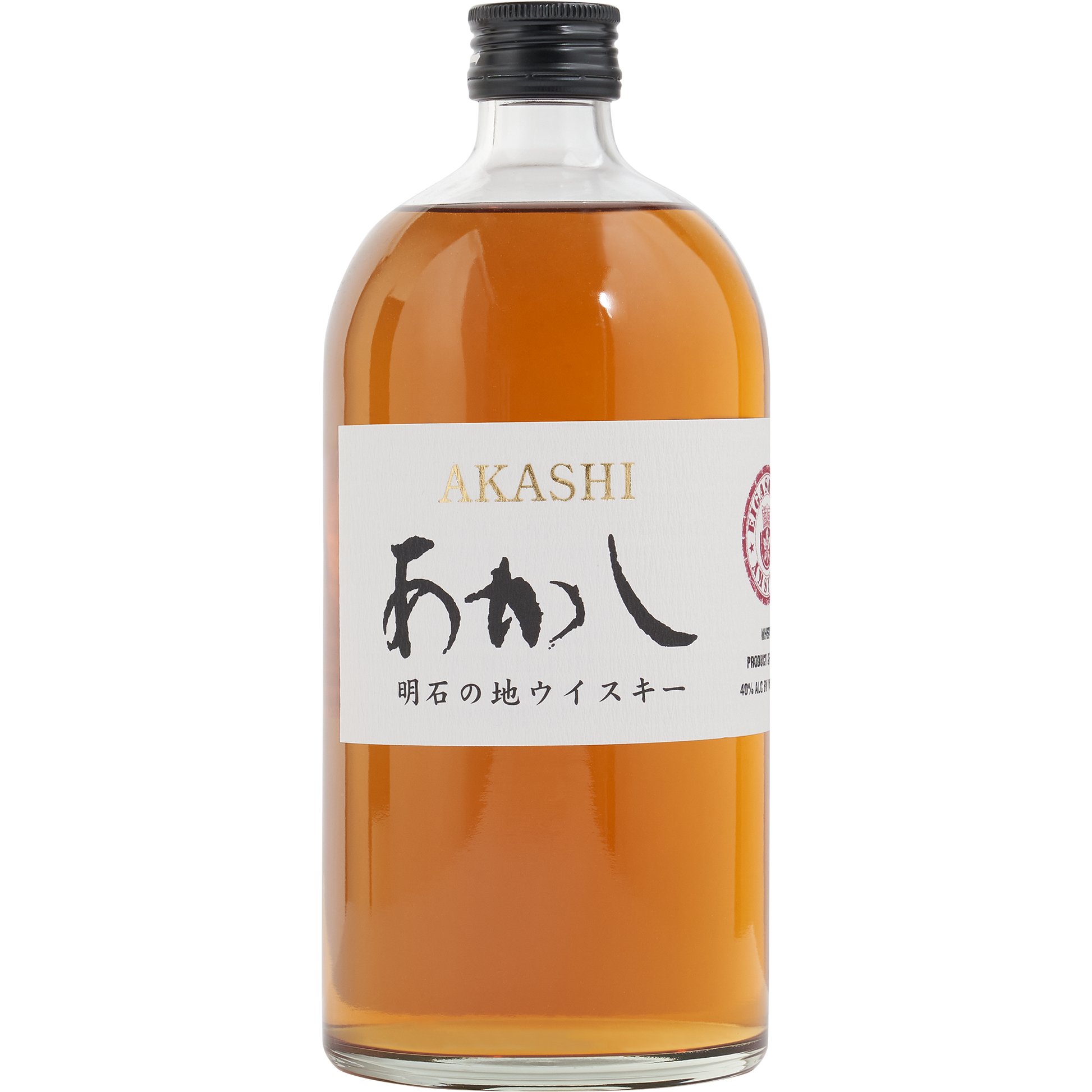
At a Glance
- Modern
- Cozy
- Trendy
- Intimate
- Solo
- Family
- Casual Hangout
- After Work
- Standalone
- Design Destination
- Sake Program
Current opening hours
- Monday
- 11:30 AM–3 PM, 6–9 PM
- Tuesday
- 11:30 AM–3 PM, 6–9 PM
- Wednesday
- 11:30 AM–3 PM, 6–9 PM
- Thursday
- 11:30 AM–3 PM, 6–9 PM
- Friday
- 11:30 AM–3 PM, 6–9 PM
- Saturday
- 11:30 AM–3 PM, 6–9 PM
- Sunday
- Closed
Hours can change for holidays and private events. Last verified .
Simple, stylish, and modern with a small mix of counter and one table, creating a relaxed, cozy atmosphere suited to both solo diners and families.