
Tabelog 100 #46
Our verdict
Nagoya’s ramen scene rewards precision over ceremony, and Ramen Suiren fits that pattern with a counter-led format, sub-¥1,000 pricing, and selection for Tabelog 100 - Ramen - AICHI - 2025. It is better understood as a focused everyday ramen address than a milestone dining room, though its small scale gives even a casual bowl a sense of occasion.

Pearl is the En Primeur Club membership app, where members save venues, book tables and use the concierge.
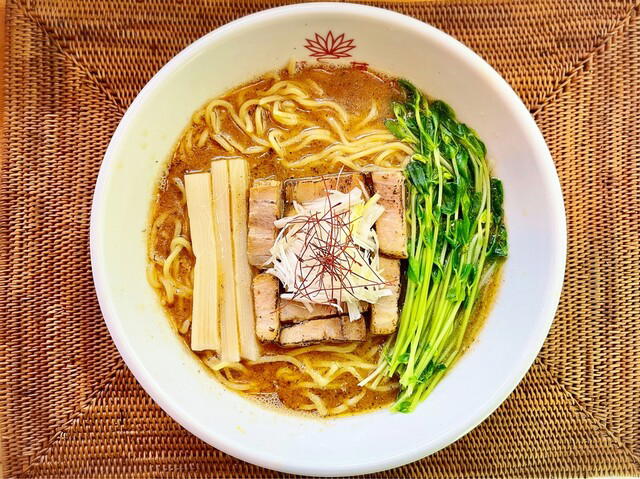
The menu
What to order
- Rich pork and chicken broth ramen
- White fermented-tofu marinated chashu ramen
- Summer-only chilled shio ramen
- Summer-only chilled spicy ramen
- Koi-me yakiboshi karai ramen
Approaching a serious ramen stop in Nagoya is a different form of occasion dining from the city’s reservation-heavy premium rooms. The ritual is compressed: a short plan, a focused meal, and a bowl that has to justify itself quickly. Ramen Suiren belongs to that compact, high-expectation tier, where the appeal is narrow in focus and reputation is built bowl by bowl rather than through ceremony.
That matters in Nagoya, a city whose dining identity often gets flattened between Tokyo ambition and Kansai habit. The more useful reading is local: Nagoya has a practical appetite, but it also rewards specialists that hold a line over time. In that setting, ramen can carry the emotional weight of a celebration without adopting the trappings of a formal meal. A focused visit, a direct service rhythm, and a recognized local audience create their own pressure.
A ramen meal with the discipline of a specialist shop
Ramen’s appeal as occasion dining lies in its refusal to over-explain itself. The format is brief, public, and unforgiving. A ramen shop has little room to hide a confused identity or a bowl that does not land. Ramen Suiren’s selection for Tabelog 100 - Ramen - AICHI - 2025 places it inside Aichi’s recognized ramen conversation, a more useful signal than generic popularity because the category is crowded and fiercely local.
The shop’s positioning reinforces that reading. The meal is focused without turning it into theatre. The format also changes how a group should think about the occasion: this is not a long-table birthday or a drawn-out business dinner. It suits a precise, low-friction celebration, especially for diners who would rather mark an achievement with a serious bowl than a multi-course bill. The listed price range sits at - JPY 999 - JPY 999, which sharpens the point. The occasion comes from scarcity, focus, and local reputation, not spend.
Compared with Nagoya’s higher-ticket dining rooms, the distinction is stark. Sekine, Sushi Yasuke, La Liliana, Chez Kobe, and Cucina Italiana Gallura each sit elsewhere in the city’s dining landscape. Ramen Suiren operates in a different social grammar: faster, more concise if needed, and more dependent on timing. That does not make it lesser. It makes it a cleaner test of what the diner is seeking. For a formal anniversary, the format may feel too compressed. For a quiet personal milestone, it can feel exactly right.
Why ramen in Nagoya rewards decisive diners
Nagoya’s ramen culture does not need to imitate Tokyo’s queue mythology to matter. The city has enough local density to support specialists, and Aichi’s Tabelog 100 ramen selections give outside diners a practical map through that field. Ramen Suiren’s Tabelog score of 3.63 and 2025 listing indicate a shop with documented recognition rather than a passing social-media spike. Those signals are useful because ramen evaluation is unusually sensitive to repeat local custom: a bowl that travels well on photographs may not hold regulars over time.
The listing is the strongest editorial clue here. Modern ramen has splintered into many approaches, from lighter bowls to richer styles and from regional nostalgia to newer interpretations aimed at younger diners. A Nagoya ramen shop that remains part of a recognized Aichi selection is participating in that wider evolution while keeping the economics close to ramen’s democratic core.
There is also a practical cultural point. In Japan, a meal does not need a white tablecloth to carry significance. The choice of ramen for a milestone says something about the diner: taste over display, timing over lingering, repetition over novelty. The solo-dining signal is especially relevant. Ramen can allow celebration without performance, which is why it remains useful for the traveller marking a private win, the local eating after work, or two friends who know that a good bowl can say enough.
How to place it in a Nagoya itinerary
The smart way to use Ramen Suiren is as a focused anchor rather than a flexible fallback. The concise format and reputation-led appeal reward diners who build the day around it instead of treating it as an afterthought. Its Nagoya setting means the meal works best when approached with a little flexibility, rather than squeezed into a rushed schedule.
For travellers mapping the wider city, Our full Nagoya restaurants guide gives the broader dining frame, while Our full Nagoya hotels guide, Our full Nagoya bars guide, Our full Nagoya wineries guide, and Our full Nagoya experiences guide help shape the rest of the day. Within the restaurant field, other Nagoya dining pages show how varied the city’s dining register has become, from premium rooms to casual specialists and tightly focused ramen stops.
Readers building a Japan-wide food itinerary can use the same logic beyond Nagoya: choose places by format, not just cuisine label. A specialist shop, a casual café, or a drinks-led stop each solves a different dining problem. The useful question is not whether a place looks grand, but whether its format matches the moment: a quick solo meal, a low-key celebration, a precise lunch, or a stop built around one dish done well.
The verdict is simple: Ramen Suiren is not the place to manufacture grandeur. Its value is in the opposite direction, a focused ramen meal that uses reputation and local recognition to make the category feel consequential. For Nagoya, that is a useful corrective to the idea that special-occasion dining has to be expensive, slow, or dressed in ceremony.
Frequently asked questions
What's Ramen Suiren's location?
Nagoya.
Is Ramen Suiren more mid-range or high-end?
Pricing at Ramen Suiren is listed as - JPY 999 - JPY 999.
What are Ramen Suiren's hours?
Check current hours directly with Ramen Suiren before visiting.
What has Ramen Suiren built its reputation on?
Ramen Suiren is anchored by a Tabelog Ramen Aichi 100 selection for 2025 and a listed Tabelog score of 3.63, signals of how firmly it sits in Nagoya’s ramen conversation.
The Essentials
Comparable venues at similar price and category levels.
| Venue | Cuisine | Price | Awards | Notes |
|---|---|---|---|---|
| Ramen SuirenThis venue (the venue you are viewing) | Cozy Bali-inspired ramen counter | $1–10 | Tabelog 100 #46 | Not listed |
| Sekine | Traditional Japanese Kaiseki | $150–200 | Tabelog 100 #92 | JPY 20,000 - JPY 29,999 |
| La Liliana | Italian | Not listed | Tabelog 100 #98 | JPY 10,000 - JPY 14,999 JPY 6,000 - JPY 7,999 |
| Cucina Italiana Gallura | Authentic Italian with Local Seafood | $100–150 | Tabelog Bronze #50 | Sushi |
| Chez Kobe | Classic French Fine Dining | $100–150 | Tabelog 100 #71 | Not listed |
| Sushi Yasuke | Traditional Edomae Sushi Omakase | $50–100 | Tabelog 100 #82 | JPY 10,000 - JPY 14,999 JPY 5,000 - JPY 5,999 |
Recognition history
Dated appearances from independent guides and award organizations, with the underlying list record or original source where available.
Tabelog 100 #46 · No. 46
Tabelog · Tabelog 100 - Ramen - AICHI - 2025
Continue exploring
More in Nagoya
Restaurants in Nagoya
All restaurants in Nagoya →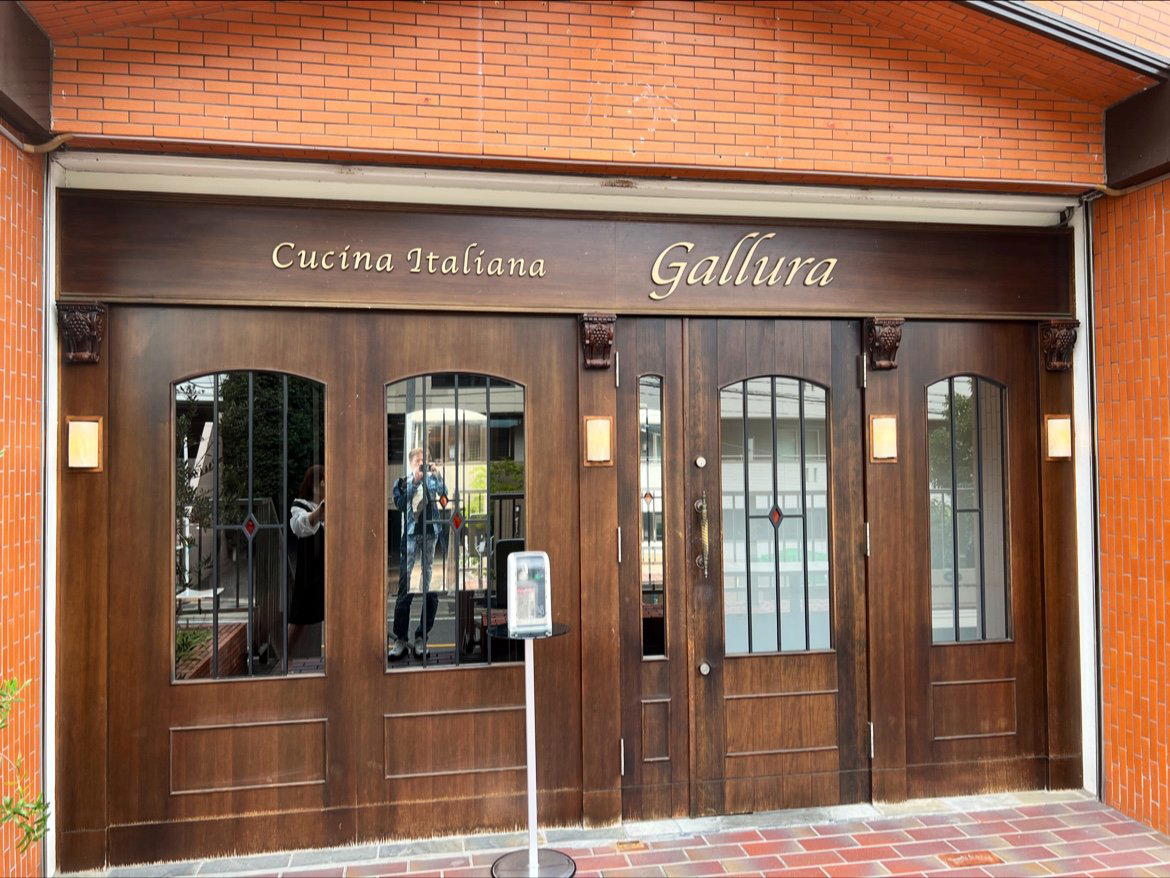





Details
- Cozy
- Intimate
- Whimsical
- Solo
- Casual Hangout
- After Work
- Chefs Counter
- Standalone
- Design Destination
- A La Carte
- Counter Dining
Current opening hours
- Monday
- 11:30 AM–1:50 PM
- Tuesday
- Closed
- Wednesday
- Closed
- Thursday
- 11:30 AM–1:50 PM, 6:30–8:50 PM
- Friday
- 11:30 AM–1:50 PM, 6:30–8:50 PM
- Saturday
- 11:30 AM–1:50 PM
- Sunday
- 11:30 AM–1:50 PM
Hours can change for holidays and private events. Hours as of .
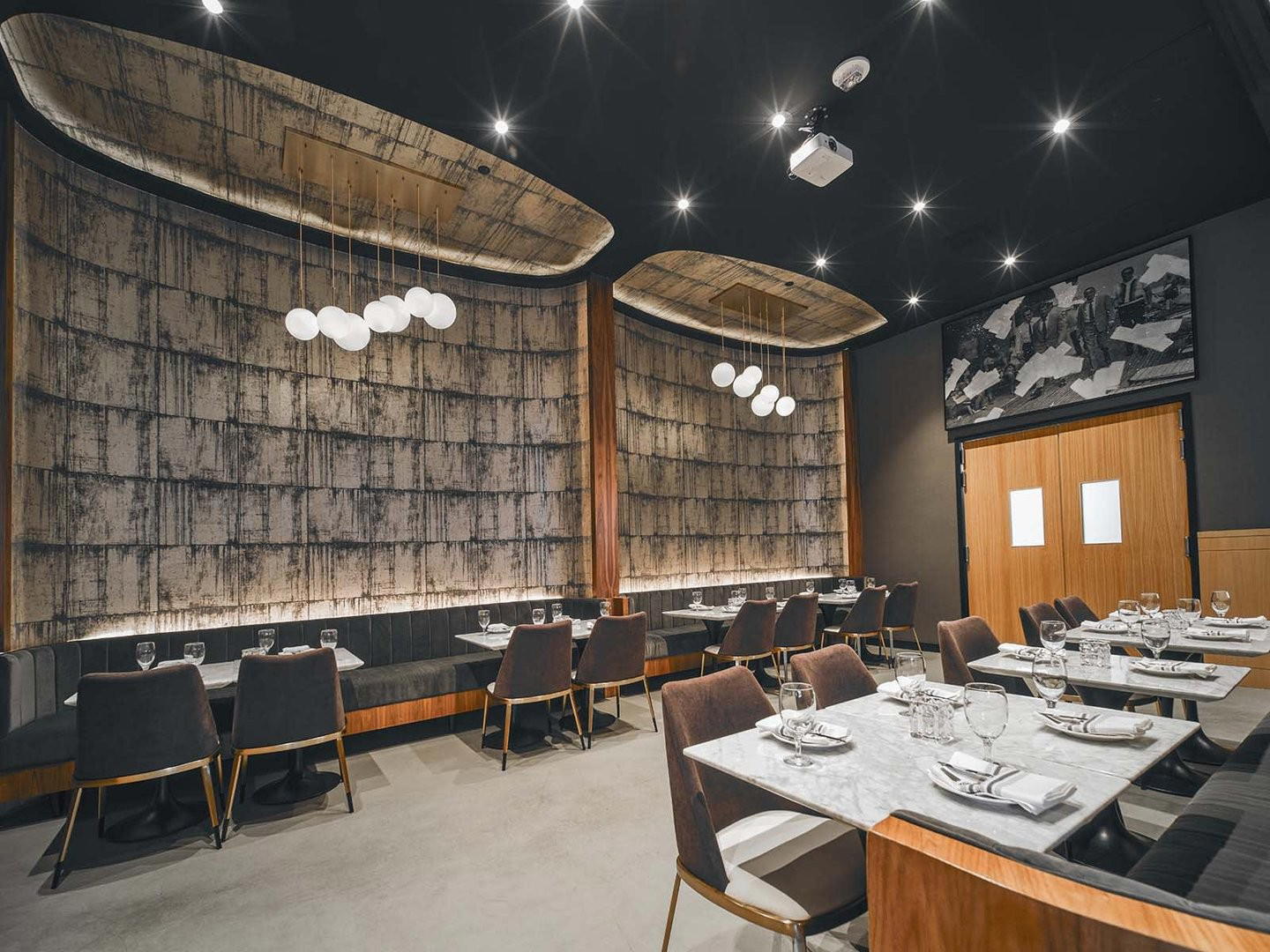
A tiny counter-only ramen shop with about ten seats, decorated with Bali frog statues, Balinese cat figures, and gamelan music, creating an intimate, slightly whimsical Asian resort feel despite its casual neighborhood setting.