
Onoki gives Asahikawa a chicken-focused counterpoint to the city’s ramen reputation, with Tabelog 100 Chicken Cuisine 2025 recognition placing it in a national conversation rather than a local-only lane. The appeal is practical and specific: poultry cookery, a house-restaurant setting, tatami and counter seating, take-out, sake and shochu, and pricing that keeps it closer to everyday Hokkaido dining than luxury tasting-menu theatre.
Pearl is the En Primeur Club membership app — saves, bookings, and concierge access live there. Same editors, same standards.
- Address
- Japan, 〒078-8251 Hokkaido, Asahikawa, Higashiasahikawa Kita 1 Jo, 6 Chome−10−27 鳥料理小野木
- Phone
- +81 166-36-1146
- Website
- onoki.org
- Directions
- Get directions
 Saves & bookings on Pearl
Approaching the Higashi-Asahikawa side of the city, the dining mood changes. Central Asahikawa trades in ramen steam, late trains, and quick bowls; farther east, the rhythm becomes lower, more domestic, and more tied to Hokkaido’s agricultural belt. Onoki belongs to that second Asahikawa: a house-restaurant setting where chicken cookery is treated as a full meal category rather than a supporting act.
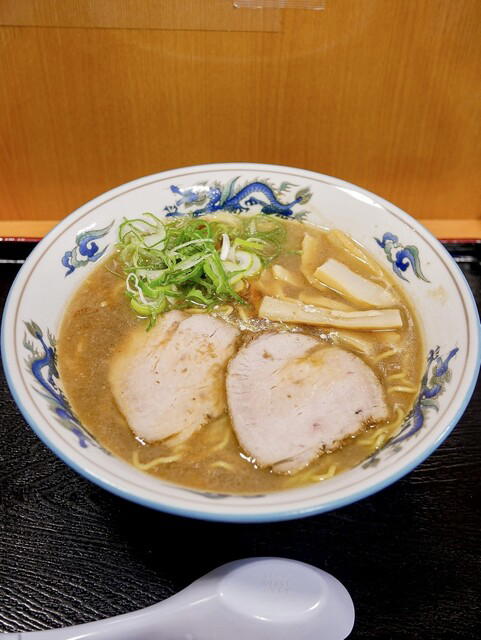
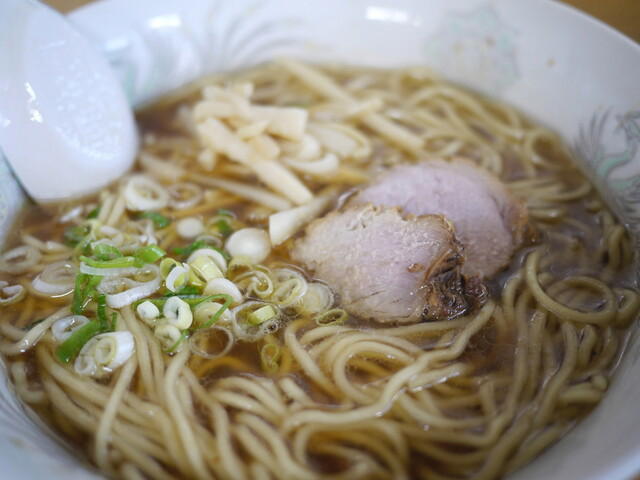
That matters in a city whose food identity is often flattened into soy-sauced ramen. Asahikawa ramen has earned the attention, and places such as Ramen Senmon Himawari keep that tradition close to its everyday roots. But poultry restaurants tell a different Hokkaido story: one of local appetite, modest pricing, and formats built for repeat visits rather than trophy dining. Onoki’s selection for Tabelog 100 Chicken Cuisine 2025 is the useful signal here. It places a neighborhood-feeling chicken specialist inside a national list for the category, which is not the same thing as fine-dining grandeur, and that distinction is part of the appeal.
Chicken as the main event in a ramen city
Japanese chicken cuisine covers a wider field than yakitori alone. Regional restaurants can move between grilled pieces, set meals, rice dishes, fried preparations, simmered components, and drinking snacks without presenting themselves as formal kaiseki or chef-counter theatre. The point is range, not ceremony. In Hokkaido, where ingredient identity often gets reduced to seafood, dairy, corn, and lamb, a chicken specialist offers a quieter view of how locals actually eat across a week.
Onoki sits in that lane with a category focus that is unusually clear for Asahikawa visitors. The restaurant is listed under chicken dishes, with sake and shochu as the drinks frame, and the room includes both counter seating and tatami space. Those signals point to a place built for meals with friends and family as much as solo dining. It is not trying to compete with the tasting-menu economy of Tokyo or Kyoto; it competes with the practical pleasures of regional Japan, where specialization is often expressed through repetition and consistency rather than theatrical explanation.
For travelers mapping Asahikawa by appetite, the comparison is useful. Minato gives another restaurant reference point within the city, while ramen names such as Ramen Senmon Himawari sit in a lower-price noodle lane. Out-of-metro ramen comparisons including Ramen Senmon Tsuruya, Hachiya Asahikawa honten, Ramenya Tenkin Shijou ten, and Shoga Ramen Mizuno show how strongly the region’s casual dining image is tied to bowls. A chicken specialist with national category recognition widens the frame without abandoning the city’s preference for accessible, unpretentious meals.
Why sourcing context matters in Hokkaido poultry
Ingredient sourcing is not only about luxury labels. In northern Japan, it is also about climate, distribution, and the way restaurants build menus around dependable local demand. Hokkaido’s scale makes supply chains feel different from those in compact urban markets: producers sit farther apart, seasons are sharper, and diners tend to recognize quality through freshness, portioning, and price discipline rather than imported prestige. Poultry fits that culture well because it can support lunch, drinking food, take-out, and group meals without forcing the restaurant into a narrow special-occasion role.
That is the editorial case for Onoki. The restaurant’s recognition is attached to chicken cuisine, not a broad “Japanese” category, and that specificity makes the visit more instructive. It shows how a regional city can sustain a specialist outside the obvious tourist scripts. The presence of private rooms for larger groups, tatami seating, counter seating, and take-out also suggests a hybrid role: part neighborhood dining room, part category destination for visitors paying attention to national food lists.
Asahikawa’s dining scene rewards this kind of side-step. Ramen may define the first meal, but the second or third meal should test another local habit. For broader planning, Our full Asahikawa restaurants guide is the natural place to build the route, with parallel city coverage in Our full Asahikawa hotels guide, Our full Asahikawa bars guide, Our full Asahikawa wineries guide, and Our full Asahikawa experiences guide. The point is not to replace the ramen itinerary; it is to keep Asahikawa from becoming a single-dish city in the traveler’s mind.
How to read the room
The house-restaurant format is an important clue. Tatami rooms change the pace of a meal, especially for groups, while counter seats keep the experience workable for diners who want a shorter stop. Smoking is listed as allowed, which may influence the choice for travelers sensitive to smoke. Payment is cash-oriented, with credit cards, electronic money, and QR code payments not accepted, so the planning is more old-school than urban Japan’s increasingly frictionless restaurant culture.
Reservations are available by phone, and the private-room note specifies a reservation requirement for groups of 20 to 30 people. That makes the restaurant more flexible than a tiny counter, but not anonymous. It is a 60-seat operation with a defined local function, and the scale helps explain why it can serve different use cases: lunch, weekend dining, friends’ gatherings, and take-out.
For readers building a wider Japan food file, the useful comparison is not only within Asahikawa. Category specialists across the country often tell clearer stories than broad “Japanese cuisine” labels: -Grilled beef Sukiyaki- KAMAKURA TANUKIAN 鎌倉 たぬき庵 in Kamakura, . 鮪と炭火焼き うお炭 秋葉原店 in Tokyo.cafe in Osaka.know in Kumamoto, (Shoku) Vietnam in Kawasaki, [Curry Senmon Ten] Maruyama Kyoju. in Sapporo, [ki:] in Kyoto, #肉といえば松田 奈良本店 in Kashihara, and 1/3 HAMBURGER FACTORY in Kanazawa all make the same argument in different registers. Even outside Japan, focused formats such as Jōdo Saké Bar in Los Angeles and Onigiri Time in Pasadena show how a narrow category can carry more cultural information than a long, unfocused menu.
The verdict is simple: in Asahikawa, Onoki is the poultry detour that makes the city’s dining map more complete. Go for the category focus, the Hokkaido context, and the chance to see chicken treated as the meal’s center of gravity rather than a side note.
In Context: Similar Options
Comparable venues by cuisine and price in the same metro.
| Venue | Cuisine | Price | Notes |
|---|---|---|---|
| Onoki | Traditional Hokkaido chicken specialties | $$ | Higashi Asahikawa |
| Ramen Senmon Himawari | Asahikawa ramen shop famous for hormone miso “Morumen” | $ | Taisetsudori |
| Minato | Edomae-Style Sushi with Hokkaido Seafood | $$$$ | 3-jo-dori (downtown Asahikawa) |
| 相撲料理神雷 | Sumo Chanko Nabe | $$ | 三井寺 |
| Kumasotei (熊襲亭) | Authentic Satsuma Shabu-Shabu | $$ | 天文館 |
| 1000mヒュッテ 1000m Hut | Mountain Café - Japanese & Western | $$ | Niseko Grand Hirafu |
Recognition history
Dated appearances from independent guides and award organizations, with the underlying list record or original source where available.
Tabelog 100 #50 · No. 50
Tabelog · Tabelog 100 - Chicken cuisine - 2025
Continue exploring
More in Asahikawa
At a Glance
- Classic
- Cozy
- Scenic
- Intimate
- Family
- Group Dining
- Casual Hangout
- Special Occasion
- Solo
- Garden
- Standalone
- Historic Building
- Garden
Current opening hours
- Monday
- Closed
- Tuesday
- Closed
- Wednesday
- 11 AM–3 PM
- Thursday
- 11 AM–3 PM
- Friday
- 11 AM–3 PM
- Saturday
- 11 AM–8:30 PM
- Sunday
- 11 AM–8:30 PM
Hours can change for holidays and private events. Last verified .
A traditional, house-style Japanese restaurant with private rooms and views of a small Japanese garden, offering a calm, classic atmosphere suited to unhurried meals rather than quick bites.