
Shoga Ramen Mizuno belongs to Hokkaido’s no-frills ramen tradition, where lunch-hour rhythm, compact rooms, and low prices matter as much as reputation. Its Tabelog Ramen HOKKAIDO 100 selections in 2024 and 2025 place it within a serious regional conversation, while the ginger-led identity gives the bowl a clear point of difference inside Asahikawa’s ramen culture.
Pearl is the En Primeur Club membership app — saves, bookings, and concierge access live there. Same editors, same standards.
- Address
- 2 Chome Tokiwadori, Asahikawa, Hokkaido 070-0043, Japan
- Phone
- +81 166-22-5637
- Website
- tabelog.com
 Saves & bookings on Pearl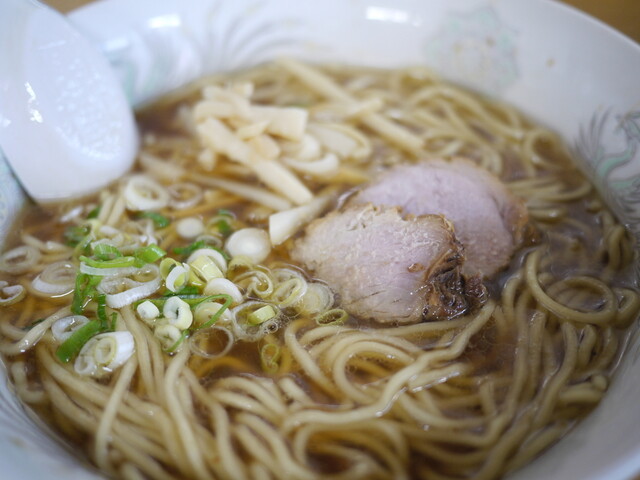
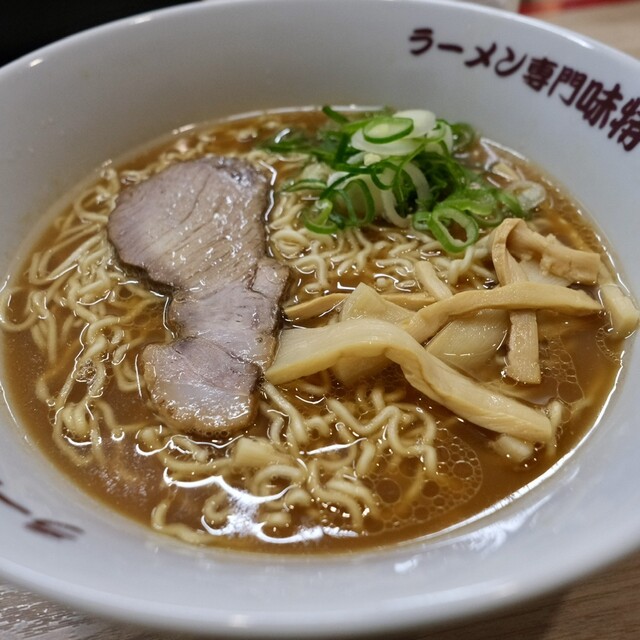
At midday, a serious Hokkaido ramen shop gives clear signals: steam on glass, quick turnover, low voices, and bowls moving from counter to table. This is not theatrical Japanese dining but a civic habit: a short lunch of heat, broth, noodles, and disciplined repetition. Shoga Ramen Mizuno fits that grammar with a sharper identity than the average station-area noodle stop: ginger is not garnish, but the organizing idea.
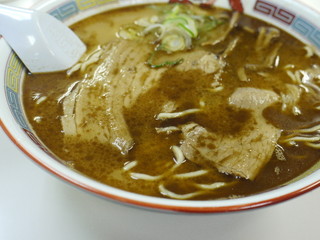
Asahikawa ramen holds its own place on Hokkaido’s noodle map, distinct from Sapporo’s miso-heavy image and Hakodate’s salt-leaning bowls. The city is known for soy-based ramen with cold-climate logic: fat, aroma, and heat retention matter when winter is daily life. A ginger-led shop belongs in that setting. The point is function, not novelty. Ginger cuts richness, lifts the broth, and makes a hot bowl feel purposeful in a region where ramen is weather management as much as lunch.
Ginger gives Asahikawa ramen a colder-climate edge
Japan’s stronger ramen cultures rely on restraint as much as abundance. Hokkaido visitors often arrive with a checklist of butter-corn miso, seafood markets, and late-night bowls, but Asahikawa asks for another reading. Its tradition rewards attention to structure: soy seasoning, broth weight, surface fat, noodle texture, and aromatics after the first mouthfuls. At Shoga Ramen Mizuno, ginger clarifies the bowl rather than decorating it.
The recognition supports that reading. Selection for Tabelog Ramen HOKKAIDO 100 in both 2024 and 2025 places the shop inside a curated regional field, not just local word of mouth. Its Tabelog score of 3.61 is meaningful in Japan’s review ecosystem, where modest-looking numbers can still mark a serious specialist. The under JPY 999 price bracket keeps the experience grounded in everyday ramen, not destination dining. Recognized but inexpensive, it shows one pleasure of Japan’s noodle culture: credibility does not require ceremony.
In its comparison set, the shop is leaner than places priced for a longer evening. Dokushaku Sanshiro sits in a much higher spending band, while Ramenya Tenkin Shijou ten moves into JPY 1,000 to JPY 1,999. Hachiya Gojou sougyou ten and Aji Toku Honten share the low-price territory, making the question less cost than style. For travelers using Our full Sapporo restaurants guide as a regional launch point, this address explains why Hokkaido noodle culture cannot be reduced to a single Sapporo stereotype.
A compact lunch room, not a luxury performance
The room format matters. With 26 seats across small tables, the experience is closer to a working lunch shop than a counter-only shrine: less hushed performance, more neighborhood cadence. No private rooms and no private use reinforce the point. This is public, efficient ramen, suitable for friends and families rather than a staged tasting format. Children of school age are welcomed, a detail that says more about the genre than any adjective could. Ramen can be serious without becoming precious.
The operation is disciplined. Reservations are unavailable, payment is cash-only, and parking is unavailable. Those details shape the visit more than décor language. The shop rewards travelers who treat ramen as a timed meal, not an open-ended evening plan. Lunch service is narrow, Wednesday is closed, and the rhythm belongs to people who know what they want before sitting. In Japan, that operational tightness is often part of the appeal: fewer variables, faster decisions, sharper focus.
With no official website listed, planning should stay conservative. The English Tabelog page carries the public listing, but travelers should avoid building a day on flexible assumptions. The nearest station is Asahikawa Station, with a listed walk of about 15 minutes. That makes the shop more intentional than incidental for visitors based in Sapporo, where the ramen circuit has its own pull around miso, tantanmen, curry, and late-night drinking districts.
For a broader Hokkaido eating itinerary, the contrast is useful. 175°DENO Tantanmen Sapporo kitaguchi ten points toward spice and sesame heat near Sapporo Station, while [Curry Senmon Ten] Maruyama Kyoju., Ajanta Indo Curry Ten, and Ajanta Sohonke show how soup curry and Indo-curry traditions complicate the city’s cold-weather dining identity. Aigues Vives widens the frame again, proving that Hokkaido’s food conversation is not only noodles and broth.
How to place it in a Hokkaido itinerary
The editorial case for Shoga Ramen Mizuno is strongest for travelers who care about regional specificity. This is not for a long wine-paired dinner or a room built around spectacle. It is a focused ramen stop that explains Asahikawa’s contribution to Hokkaido eating: soy, heat, aroma, and a clean ginger line through the bowl. Tabelog Ramen HOKKAIDO 100 selections in 2024 and 2025 give it third-party standing; the low price keeps it within the democratic ramen tradition.
That balance makes the shop a counterpoint to higher-ceremony travel days. Pairing a quick ramen lunch with a more structured dinner elsewhere in Hokkaido makes more sense than treating every meal as a major production. Travelers mapping a Sapporo-based trip can use Our full Sapporo hotels guide for where to stay, Our full Sapporo bars guide for the evening drinking circuit, Our full Sapporo wineries guide for regional wine context, and Our full Sapporo experiences guide for the non-restaurant side of the itinerary.
For readers building a wider Japan file, the useful comparison is not only ramen to ramen but format to format. A concise Hokkaido lunch sits opposite beef-focused dining such as -Grilled beef Sukiyaki- KAMAKURA TANUKIAN 鎌倉 たぬき庵 in Kamakura, Tokyo tavern cooking at. 鮪と炭火焼き うお炭 秋葉原店 in Tokyo, café culture at.cafe in Osaka, Kumamoto’s contemporary dining at.know in Kumamoto, Vietnamese cooking at (Shoku) Vietnam in Kawasaki, and Kyoto’s quieter modern rooms such as [ki:] in Kyoto. Across the Pacific, Jōdo Saké Bar in Los Angeles and Onigiri Time in Pasadena show how Japanese formats change once transplanted. Hokkaido ramen is harder to separate from climate, city rhythm, and lunch-hour utility.
A Quick Peer Check
Side-by-side context: comparable cuisine and price.
| Venue | Cuisine | Price | Awards | Notes |
|---|---|---|---|---|
| Shoga Ramen MizunoThis venue — the venue you are viewing | Traditional ginger shoyu ramen | $ | , | |
| Menya Rei | Hokkaido Ramen & Tsukemen Shop | $ | , | Chitose |
| Menya Suzuran | Sapporo ramen & soup curry-style ramen | $ | , | Chūō |
| SAKURA BROWN | Sapporo-style soup curry shop | $ | , | Nishi |
| CURRY ’OHANA | Japanese Curry House | $ | , | Higashi |
| Soup Curry & Dining Suage+ (suage+ 本店) | Hokkaido Soup Curry | $$ | , | Susukino, Chuo Ward |
Continue exploring
More in Sapporo
At a Glance
- Classic
- Cozy
- Hidden Gem
- Solo
- Casual Hangout
- Late Night
- Standalone
Traditional, compact ramen-ya with a simple counter-style setup and quick, no-frills service focused on slurping a hot bowl of ginger-infused ramen rather than lingering.