
Tabelog 100 #81
Our verdict
RAMEN ROOM 18 puts Hakodate ramen into a sourcing-led frame: Hokkaido wheat noodles, additive-free production, and broths built from chicken, seafood, clam stock, and niboshi. Its Tabelog Ramen HOKKAIDO 100 selections in 2024 and 2025 place it in a serious regional conversation rather than a casual tourist ramen stop.

Pearl is the En Primeur Club membership app — saves, bookings, and concierge access live there. Same editors, same standards.
- Address
- 北海道函館市昭和2-1-23
- Website
- tabelog.com
- Directions
- Get directions
The menu
What to order
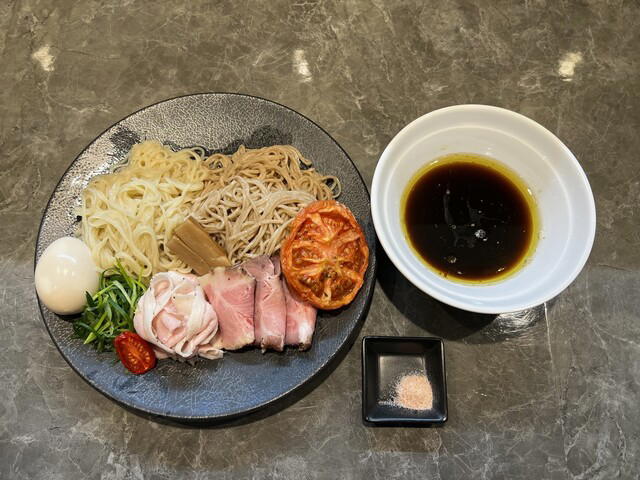
- Shoyu tsukemen
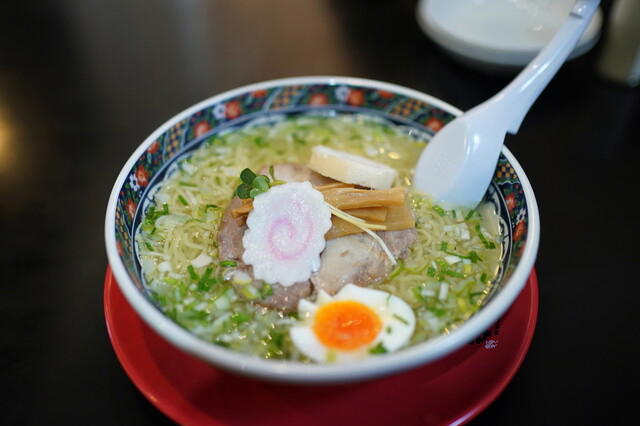
- Triple-stock chicken, seafood, and clam ramen
- Niboshi (dried sardine) ramen
In Hakodate, away from the city’s postcard seafood markets and familiar visitor routes, ramen can enter a quieter everyday register: a meal built around bowls, pace, and local appetite rather than sightseeing theatre. Hakodate is often reduced to a single ramen shorthand, but its noodle culture is broader, shaped by port-city eating habits, Hokkaido foodways, and a northern appetite for bowls that suit cold weather without needing ceremony.
That context matters for RAMEN ROOM 18 because the argument is focus, not flash or chef theatre. The venue is listed in the ramen category, with the kind of everyday price band that keeps attention on the bowl rather than ceremony. In a category often flattened into familiar menu labels, the appeal here is the discipline of a Hakodate ramen room working inside a clear local dining context.
Hokkaido context and ramen focus move Hakodate beyond shorthand
Hakodate’s ramen reputation usually begins with a familiar local image, but contemporary Hokkaido ramen is a more granular conversation about noodles, stock, seasoning, and local expectation. A bowl signals whether a kitchen is built around simple volume or a more deliberate reading of texture and balance. The latter demands discipline: noodles need clarity and chew, while the bowl as a whole has to feel complete rather than merely familiar.
The room’s value is best understood without leaning on unverified backstory. RAMEN ROOM 18 belongs to a modern ramen conversation that treats noodles, seasoning, aroma, and broth as a technical system rather than as a casual stop between more famous meals. That places it apart from tourist-led formats where local fame can outweigh bowl construction, and it keeps the focus on what a diner can judge directly at the table.
Tabelog selected the restaurant for its 2025 ramen recognition, and its listed score is 3.63. In Japan, where Tabelog scoring is compressed and users can be severe, that is meaningful, especially for a ramen venue outside Sapporo’s larger dining gravity. It is not a Michelin star and should not be read as one; it is a regional filter for shops that serious local diners and travelling noodle obsessives take seriously.
Within Hakodate, it contrasts with Ajisai Honten, another reference point for local ramen at an everyday price tier. The city’s dining range extends beyond noodles, with other Hakodate dining rooms covering a broad spread of formats, including Enoteca La Ricolma. Ramen Room 18 sits where a low-ticket meal can still carry serious category intent.
A direct ramen stop built for bowls, not ceremony
The format keeps expectations grounded: this is ramen rather than a reservation-led dining room. It suits diners who want a direct meal, whether alone or in a small group, without turning the visit into a long formal occasion. The appeal is pace, concentration, and the short distance between order and bowl.
The stronger read is dine-in. Ramen loses precision quickly once noodles sit, so eating at the venue remains the cleaner choice for evaluating texture and broth balance. The restaurant’s listed everyday budget makes it useful in a city where visitors may be balancing seafood meals, sightseeing, and more formal dinners across the same trip.
For travellers, timing matters more than ceremony. Ramen venues often work best when approached deliberately rather than treated as a late fallback after a long itinerary. RAMEN ROOM 18 is better framed as a Hakodate anchor or intentional detour for diners who care about the category and want a focused meal at a modest price.
The restaurant is in Hakodate. The city’s tourist meals often cluster around seafood, views, and convenience; choosing a ramen stop asks for a more local rhythm. For visitors planning a day around the city, the meal can frame Hakodate differently from the bayfront image: less spectacle, more everyday utility, with the bowl carrying the main argument.
How to place it in a Hakodate dining itinerary
Hakodate rewards travellers who avoid eating every meal in the same register. Seafood is central, but a strong day might move from market fish to ramen, then into other local dining or a more formal dinner. For broader planning, our full Hakodate restaurants guide is the starting point, while our full Hakodate hotels guide, full Hakodate bars guide, full Hakodate wineries guide, and full Hakodate experiences guide place the meal inside a wider trip rather than a single-stop noodle hunt.
The comparison set calibrates ambition. Shunsai Shungyo Tajima and Nidaime Saheiji sit in a different dining register, while Enoteca La Ricolma and Lela point to a more restaurant-led evening. Ramen Room 18 is different: it compresses category focus, casual access, and local ramen purpose into a short meal. That is its appeal. It does not try to behave like a formal restaurant, and it is stronger for staying within ramen’s disciplined limits.
Readers building a wider Japan food route can use the same lens elsewhere: category clarity matters more than hype. A specialist counter, a casual noodle shop, a simple dining room, a café, or a small bar each makes more sense when judged by format rather than generic destination status. The same applies beyond Japan: focused formats need clear purpose. In Hakodate, the purpose is legible in the choice to keep the experience direct while the bowl carries the argument.
Frequently asked questions
Does RAMEN ROOM 18 work for a family meal?
Yes, within limits: it is a casual ramen venue in Hakodate, so it suits diners looking for a straightforward meal rather than a formal restaurant experience. The listed lunch and dinner budget is JPY 1,000 - JPY 1,999.
What should I expect atmosphere-wise at RAMEN ROOM 18?
Expect a ramen venue in Hakodate rather than a formal dining room. The rhythm is practical and direct, with the focus on a category-driven meal.
What price level is RAMEN ROOM 18?
Pricing at RAMEN ROOM 18 is listed as JPY 1,000 - JPY 1,999 JPY 1,000 - JPY 1,999.
How do I find RAMEN ROOM 18?
Hakodate.
Comparable Spots, Quickly
Comparable venues by cuisine and price in the same metro.
| Venue | Cuisine | Price | Awards | Notes |
|---|---|---|---|---|
| RAMEN ROOM 18This venue — the venue you are viewing | Modern Hokkaido Ramen by Tsuta | $10–20 | Tabelog 100 #81 | Not listed |
| Jiyouken (滋養軒) | Traditional Hakodate shio ramen | $1–10 | Tabelog 100 #32 | Daimon (大門) |
| Hakodate Shio Ramen Shinano | Hakodate Salt Ramen | $1–10 | Tabelog 100 #57 | Wakamatsucho / Hakodate Station area |
| Uni Senmon Ten Yoichiya Hakodate asaichi ten | Hokkaido uni and seafood donburi | $50–100 | Tabelog 100 #66 | Hakodate Asaichi (Morning Market) / near Hakodate Station |
| Yakidango Gingetsu | Traditional Japanese dango & sweets shop | $1–10 | Tabelog 100 #21 | Yunokawa Onsen |
| Kira | Creative Japanese Kaiseki | $20–30 | Not listed | Sumiyoshi-cho |
Recognition history
Dated appearances from independent guides and award organizations, with the underlying list record or original source where available.
Tabelog 100 #81 · No. 81
Tabelog · Tabelog 100 - Ramen - HOKKAIDO - 2025
Details
- Cozy
- Modern
- Solo
- Casual Hangout
- After Work
- Standalone
- Design Destination
- Local Sourcing
- A La Carte
- Counter Dining
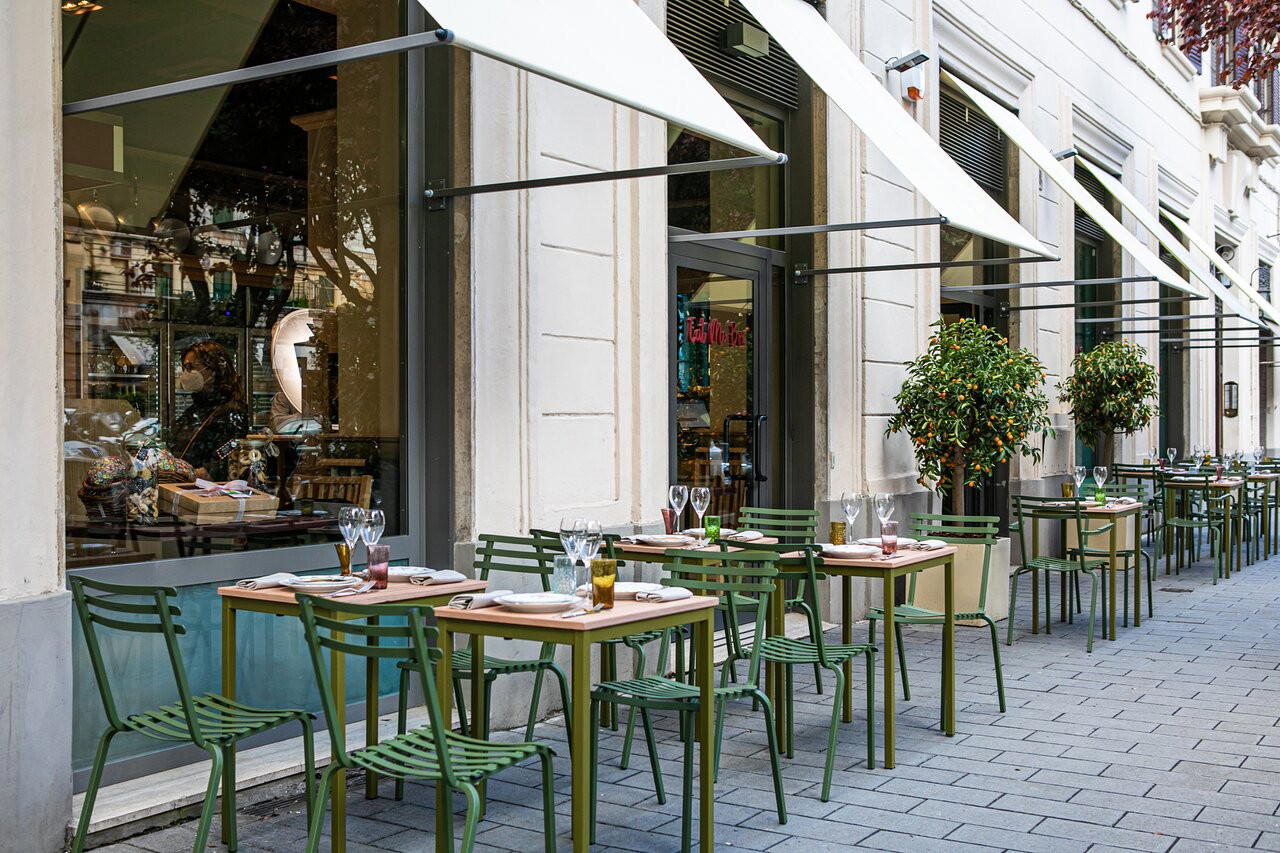
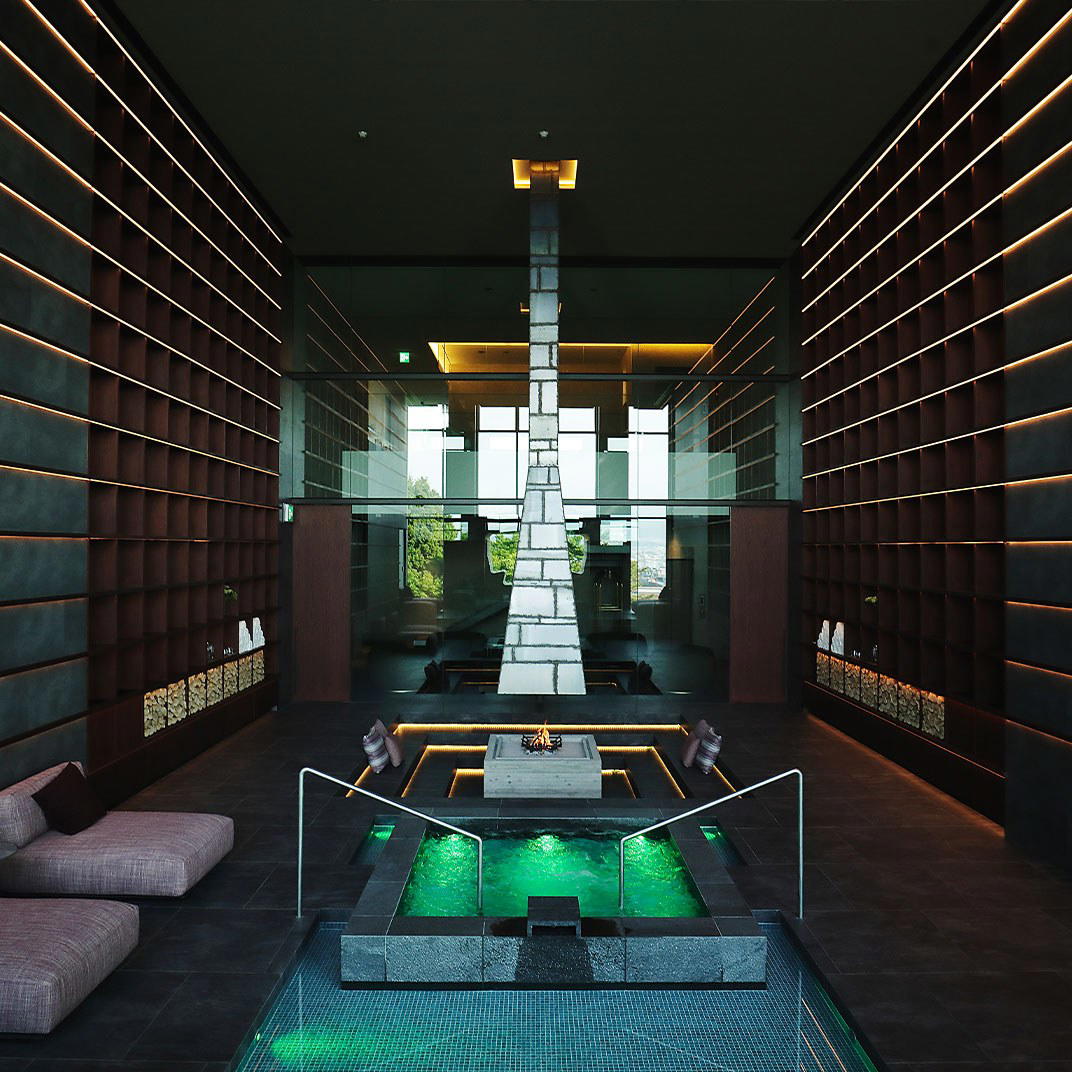
A compact, house-like ramen shop with counter seats and two small tatami rooms, giving a modern yet homey feel that suits solo diners and ramen-focused visits rather than long, social meals.