
Tabelog 100 #32
Our verdict
Jiyoken puts Hakodate’s ramen culture in its lean, practical register: low-priced bowls, a small room, short lunch service, and recognition on Tabelog’s Ramen HOKKAIDO 100 list for 2024 and 2025. Its value is not ceremony but compression, a compact stop near Hakodate Eki Mae where Hokkaido’s appetite for clear, local noodle traditions reads without fuss.

Pearl is the En Primeur Club membership app — saves, bookings, and concierge access live there. Same editors, same standards.
- Address
- 7-12 Matsukazecho, Hakodate, Hokkaido 040-0035, Japan
- Phone
- +81 138-22-2433
- Hours
- Mon 11:15 AM–1:30 PMTue–Thu ClosedFri–Sun 11:15 AM–1:30 PM
- Website
- tabelog.com
- Directions
- Get directions
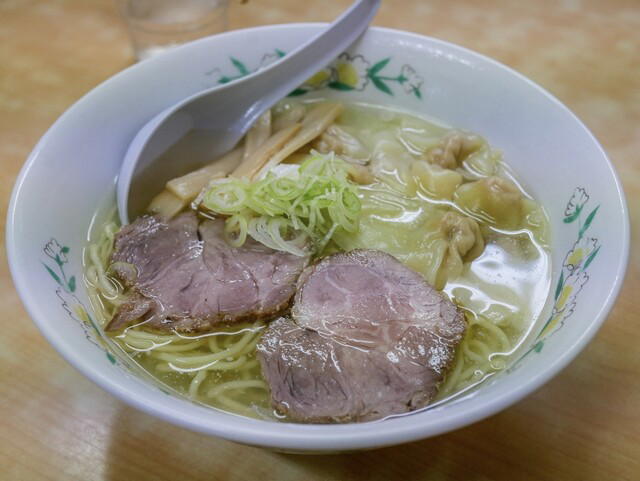
Approaching Hakodate, the city shifts into the practical rhythm of an old port town: tram stops, modest shopfronts, lunch-hour movement, and the smell of broth hanging in the colder months. Ramen in Hakodate is not a side note to the seafood markets; it is part of the same northern food logic, built around warmth, wheat, and the kind of direct comfort that makes sense in Hokkaido. Jiyoken belongs to that register, with a price band of - JPY 999 - JPY 999 that places the meal in the city’s everyday category rather than its special-occasion tier.
That matters in Hakodate because the dining map splits sharply. Seafood counters and uni specialists trade on proximity to the reputation of the surrounding waters. Rooms such as Colz sit in another lane, where Hokkaido produce can be approached through a different kind of dining. Ramen occupies a third space: faster, cheaper, and more dependent on broth discipline than on theatre. Jiyoken’s selection for Tabelog Hyakumeiten in 2025 gives it a useful external marker inside that crowded field.
Hakodate ramen works through restraint, not spectacle
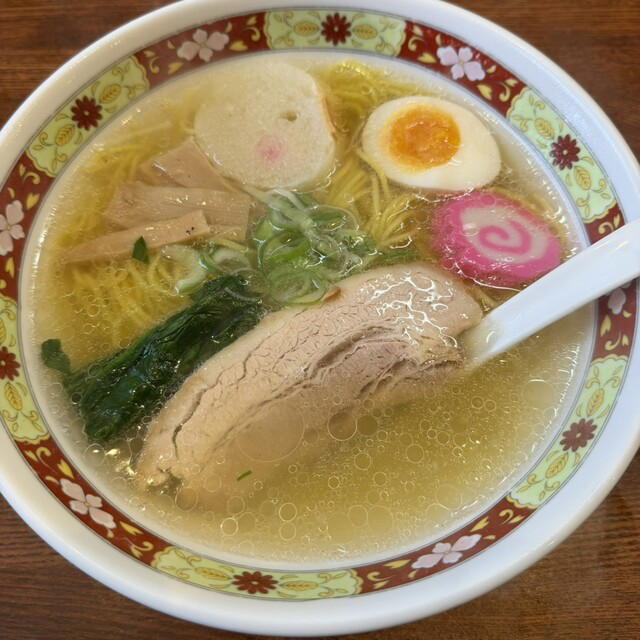
Hakodate’s ramen identity is often discussed through cleaner, lighter bowls, especially when compared with richer ramen traditions elsewhere in Hokkaido. That regional comparison is useful because it explains why a small, low-priced ramen shop can carry culinary weight without expensive ingredients or elaborate presentation. The craft is in balance: broth, noodle texture, seasoning, and timing. In a city where visitors often chase crab, squid, and sea urchin, ramen offers a different view of Hokkaido appetite, one where the surrounding climate and port-city history show up through everyday comfort rather than luxury signaling.
Jiyoken’s format reinforces that point. This is not a restaurant to fold into a plan only as an afterthought; it is better understood as a focused ramen stop in Hakodate. The appeal is practical as much as culinary: a low spend, a clear category, and a meal that belongs naturally in the middle of the day for travellers moving around the city.
The city has other ramen reference points, including Hakodate Shio Ramen Shinano, which helps define the local conversation around ramen. Jiyoken sits in that same price-accessible bracket rather than the city’s higher-spend seafood lane, where Uni Senmon Ten Yoichiya Hakodate asaichi ten and Uni Murakami represent a different calculation. The comparison is less about ranking than mood: ramen here is the meal between city stops, markets, and the evening’s more formal booking.
A small counter economy in a seafood city
Hakodate’s reputation is tied to seafood, but the city’s everyday dining is broader and more grounded. Other local dining rooms show the city’s range beyond seafood, while ramen shops complete the map by turning lunch into a compact, repeatable ritual. In that context, Jiyoken’s low price is not an incidental detail. It defines the kind of decision the reader is making: quick, local, inexpensive, and dependent on choosing the right moment for a ramen meal.
The Tabelog score of 3.66 and inclusion in the 2025 Tabelog Hyakumeiten selection place the shop above the anonymity of a simple noodle stop, but the experience remains structurally modest. The category is clear, the spend is low, and the draw is a direct ramen experience rather than a dining room built for ceremony. That makes Jiyoken easier to understand as part of Hakodate’s everyday food culture than as a luxury destination.
For travellers building a Hakodate food itinerary, the smarter move is to treat ramen as a counterpoint to the city’s seafood spending. A lunch here preserves budget and appetite for a higher-priced dinner, while keeping the day anchored in a form that locals use rather than merely photograph. For wider planning, Our full Hakodate restaurants guide gives the broader dining spread, while Our full Hakodate hotels guide, Our full Hakodate bars guide, Our full Hakodate wineries guide, and Our full Hakodate experiences guide help place the meal within the rest of the trip.
How to place it within a Japan food itinerary
Jiyoken makes sense for travellers who care about regional food systems more than ceremony. The appeal is not rarity; it is specificity. Hakodate’s ramen tradition gives a northern answer to Japan’s larger noodle map, and this room compresses that answer into a small, inexpensive format. Visitors moving through Japan can compare the decision with other tightly focused restaurants in major Japanese cities. The common thread is not cuisine but precision of use: each works when the meal is matched to the right moment in the day.
That same logic extends beyond Japan. A compact specialty venue in another city asks a diner to understand format before expectation. Jiyoken asks the same. Come for ramen in a city where ingredient culture is usually discussed through seafood, and the reward is a sharper reading of Hakodate: not only what its waters produce, but how its casual dining counters feed the city between larger meals.
For a different Japanese regional benchmark, other comfort-food venues show the opposite end of the spectrum, slower and more expansive. Jiyoken is quicker, lighter on ceremony, and better understood as a disciplined Hakodate ramen stop with enough recognition to justify planning around it.
Frequently asked questions
Would Jiyoken be comfortable with kids?
Jiyoken is in Hakodate and is best understood as a compact, low-priced ramen stop. Check the venue's official channels for the latest details.
How would you describe the vibe at Jiyoken?
It is a modest ramen shop in Hakodate with a price band of - JPY 999 - JPY 999. Tabelog selected it for its 2025 Hyakumeiten recognition, which points to a serious local following rather than a dining room built for ceremony.
Is Jiyoken more mid-range or high-end?
Pricing at Jiyoken is listed as - JPY 999 - JPY 999.
What is Jiyoken known for?
Jiyoken is known as a ramen venue in Hakodate, with a 2025 Tabelog Hyakumeiten recognition and a Tabelog score of 3.66.
At-a-Glance Comparison
Comparable venues by cuisine and price in the same metro.
| Venue | Cuisine | Price | Awards | Notes |
|---|---|---|---|---|
| JiyokenThis venue — the venue you are viewing | Traditional Hakodate shio ramen | $1–10 | Tabelog 100 #32 | Not listed |
| 函館麺厨房あじさい 本店 | Hakodate shio ramen | $10–20 | Tabelog 100 #11 | 五稜郭 |
| Jiyouken (滋養軒) | Traditional Hakodate shio ramen | $1–10 | Tabelog 100 #32 | Daimon (大門) |
| Ajisai Honten | Hakodate shio ramen | $10–20 | Tabelog 100 #11 | Goryokaku |
| Hakodate Shio Ramen Shinano | Hakodate Salt Ramen | $1–10 | Tabelog 100 #57 | Wakamatsucho / Hakodate Station area |
| Asari Honten | Traditional Sukiyaki in Historic House | $30–50 | Tabelog 100 #94 | Horaicho |
Recognition history
Dated appearances from independent guides and award organizations, with the underlying list record or original source where available.
Tabelog 100 #32 · No. 32
Tabelog · Tabelog 100 - Ramen - HOKKAIDO - 2025
Details
- Well Known
- Classic
- Cozy
- Solo
- Family
- Casual Hangout
- After Work
- Standalone
- A La Carte
- Counter Dining
Current opening hours
- Monday
- 11:15 AM–1:30 PM
- Tuesday
- Closed
- Wednesday
- Closed
- Thursday
- Closed
- Friday
- 11:15 AM–1:30 PM
- Saturday
- 11:15 AM–1:30 PM
- Sunday
- 11:15 AM–1:30 PM
Hours can change for holidays and private events. Last verified .
Small, old-school local ramen shop with only 15 seats, counter and simple table seating, a constant queue, and a casual, bustling atmosphere centered on quick bowls of classic Hakodate shio ramen.