
Tabelog 100 #21
Our verdict
Yakidango Gingetsu places Hakodate’s onsen-side sweet-shop culture in sharp focus: modest format, take-out service, and Japanese traditional sweets rather than a full restaurant ritual. Its selection for Tabelog 100 Japanese traditional sweets / Japanese sweets cafe EAST 2023 gives it a clear credential in a category where craft is usually judged by repetition, restraint, and local habit.

Pearl is the En Primeur Club membership app, where members save venues, book tables and use the concierge.
The menu
What to order
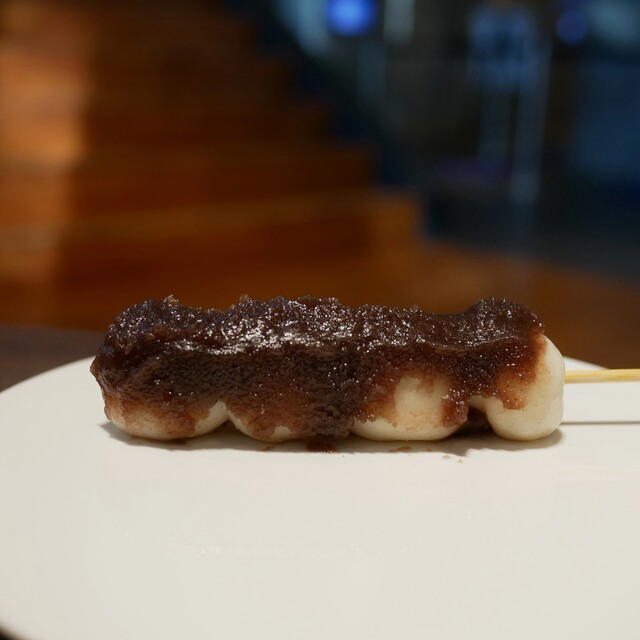
- Yakidango skewered dumplings
- Sesame dango
- Soy sauce dango
- Red bean paste dango
Hakodate’s food rhythm is broader than the seafood-market image that defines much of the city for visitors. Eating often happens in small increments: a bowl of ramen, a skewer, a sweet taken away and eaten between stops in the day. That is the cultural setting that makes Yakidango Gingetsu useful to understand. It belongs less to the destination-restaurant circuit than to the older Japanese habit of buying wagashi as a daily pleasure, a gift, or a pause in the day.
Hakodate’s reputation usually leans toward port-city abundance: morning-market rice bowls, shio ramen, dairy, squid, and Western-influenced dining shaped by its history as an early treaty port. Japanese sweets occupy a different register. They are about portion, seasonality, texture, and social use. A shop in this category is not judged by theatre or length of meal; it is judged by whether a narrow craft can hold local loyalty and still register with national diners. Selection for Tabelog 100 in 2023 for Japanese traditional sweets puts this address inside that conversation, alongside specialist sweet shops rather than against Hakodate’s sushi counters or French rooms.
Hakodate's sweet-shop culture, not a long-form restaurant ritual
The format matters. Japanese traditional sweets shops work on a different clock from tasting-menu restaurants. They are built around concise transactions, repetition, and portable pleasure. In Hakodate, that suits a city where travellers move between sightseeing, transit, casual food stops, and slower moments rather than committing every eating moment to a reserved table. The sweets-shop model reinforces that tempo. It also makes the craft easier to compare with other Japanese sweet traditions, where the counter or storefront is often as important as a dining room.
The defining idea here sits within the broader wagashi tradition. This is a practical place in Japanese sweets: less ceremonial than formal tea-ceremony confections, more textural and immediate than many packaged souvenirs. The appeal is not complexity for its own sake. It is the discipline of a focused sweet-shop craft, a small object that has to make its case quickly. That is why the category can be severe. There is little room to hide behind luxury ingredients, elaborate plating, or a wine program.
Hakodate travellers often plan meals around savoury landmarks, and the city supports that pattern. Other Hakodate dining rooms speak to the city’s ramen identity, seafood culture, port history, and Western-influenced restaurant life. Contemporary European-leaning addresses and sushi counters show another side of the city, one shaped by produce, craft, and a slower meal structure. A wagashi stop changes the scale. It gives the day a smaller, more local punctuation mark.
Why the Tabelog 100 signal matters for a modest category
Awards in Japanese sweets read differently from awards in fine dining. In a tasting room, recognition often follows visible ambition: service choreography, menu architecture, beverage depth, and chef identity. In wagashi, recognition is more likely to reward durability, consistency, and the ability to make a narrow form feel necessary. The 2023 Tabelog 100 selection therefore functions as a category-specific trust signal. It says this is not merely a convenient sweet shop in Hakodate; it has been placed among a curated group of Japanese traditional sweets addresses.
That distinction also helps travellers set expectations. This is not competing with Hakodate’s higher-ticket dining rooms, nor with out-of-metro tasting-menu formats such as Le Cucina Ventitre in the comparison set. It occupies a smaller price-and-format lane, where a short stop can carry as much local meaning as a scheduled dinner. The better comparison is not another restaurant genre, but the Japanese practice of treating sweets as part of movement through a city: after sightseeing, before a train, or as something carried back to a hotel room.
For a broader Hakodate itinerary, the sweet-shop stop works well because it resists the city’s more obvious seafood narrative. Other local dining points to Hakodate’s long-running appetite for imported and adapted flavors, while European-leaning, sushi, and other dining rooms map the city’s port history into dinner. Wagashi adds the domestic register: a craft tied to everyday Japanese gifting, festivals, tea, and childhood memory, not just restaurant tourism.
How to place it in a Hakodate day
The strongest use of this stop is as a contrast move. Pair it with a savoury meal elsewhere, or fold it into a Hakodate walk when the day is already built around sightseeing, transit, and slower pacing. Because the format is a sweet-shop stop rather than a long meal, the decision is less about structuring an entire evening than about timing a visit sensibly within the day’s route. That puts it in a different planning category from Hakodate’s reservation-led dining rooms.
EP Club’s broader city coverage is useful for building that contrast. Start with Our full Hakodate restaurants guide for the main dining map, then use Our full Hakodate hotels guide to understand the city’s stay patterns. For evenings, Our full Hakodate bars guide gives the drinking context; Our full Hakodate wineries guide and Our full Hakodate experiences guide broaden the trip beyond restaurants.
Readers comparing Japanese regional food culture beyond Hokkaido can also place this kind of specialist stop against other focused formats in other cities. The common thread is format discipline. A narrow offer, handled seriously, can explain a city as clearly as a long menu.
Frequently asked questions
What's the pricing like at Yakidango Gingetsu?
Pricing at Yakidango Gingetsu is listed as - JPY 999 - JPY 999 View spending breakdown.
How do I find Yakidango Gingetsu?
Yakidango Gingetsu is located in Hakodate.
How hard is it to get a table at Yakidango Gingetsu?
Yakidango Gingetsu is best understood as a Japanese traditional sweets stop rather than a long-form restaurant. The listed price band is - JPY 999 - JPY 999, and the shop was selected for Tabelog 100 in 2023 for Japanese traditional sweets.
What's the defining dish or idea at Yakidango Gingetsu?
The idea is concise Japanese traditional sweets in Hakodate rather than a sit-down dessert menu. Its Tabelog 100 selection in 2023 is the main trust signal, with the venue listed in the Japanese traditional sweets category.
Pricing, Compared
Nearby venues at a similar price tier for orientation.
| Venue | Cuisine | Price | Awards | Notes |
|---|---|---|---|---|
| Yakidango GingetsuThis venue (the venue you are viewing) | Traditional Japanese dango & sweets shop | $1–10 | Tabelog 100 #21 | Not listed |
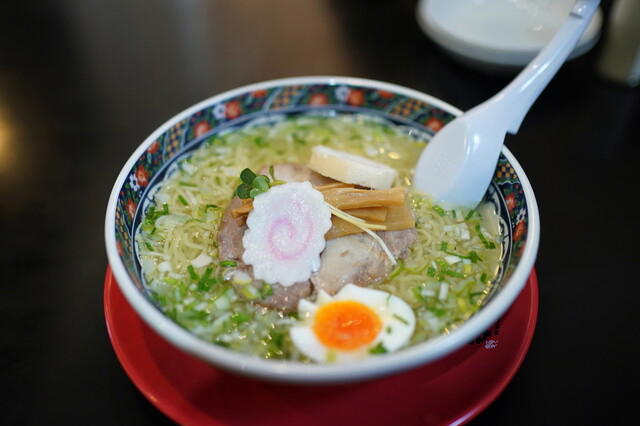
| Jiyouken (滋養軒) | Traditional Hakodate shio ramen | $1–10 | Tabelog 100 #32 | Daimon (大門), Hakodate-Style Salt Ramen |
| Hakodate Shio Ramen Shinano | Hakodate Salt Ramen | $1–10 | Tabelog 100 #57 | Wakamatsucho / Hakodate Station area, Hakodate Salt Ramen |
| Jiyoken | Traditional Hakodate shio ramen | $1–10 | Tabelog 100 #32 | Matsukaze-cho / Daimon area, Traditional Hakodate shio ramen |
| Uni Senmon Ten Yoichiya Hakodate asaichi ten | Hokkaido uni and seafood donburi | $50–100 | Tabelog 100 #66 | Hakodate Asaichi (Morning Market) / near Hakodate Station, Hokkaido uni and seafood donburi |
| Asari Honten | Traditional Sukiyaki in Historic House | $30–50 | Tabelog 100 #94 | Horaicho, Traditional Sukiyaki in Historic House |
Recognition history
Dated appearances from independent guides and award organizations, with the underlying list record or original source where available.
Tabelog 100 #21 · No. 21
Tabelog · Tabelog 100 - Japanese traditional sweets / Japanese sweets cafe - EAST - 2023
Continue exploring
More in Hakodate
Restaurants in Hakodate
All restaurants in Hakodate →
Hotels in Hakodate
All hotels in Hakodate →
Details
- Classic
- Cozy
- Well Known
- Solo
- Family
- Casual Hangout
- After Work
- Standalone
- A La Carte
- Counter Dining
A simple, nostalgic Japanese sweets shop with a cozy, low-key atmosphere focused on takeaway dango rather than sit-down dining; non-smoking and family friendly, it feels like a classic neighborhood favorite rather than a café for lingering.