
Tabelog 100 #66
Our verdict
Hakodate’s morning-market dining culture is built around seafood bowls, counter seats, and the city’s proximity to Hokkaido’s cold-water fisheries. Uni Senmon Ten Yoichiya Hakodate asaichi ten sits in that context as a sea-urchin specialist with Tabelog 100 Diner 2026 recognition, a compact 34-seat format, multilingual menus, and a seafood-bowl focus that suits travellers using Hakodate Station as their base.

Pearl is the En Primeur Club membership app, where members save venues, book tables and use the concierge.
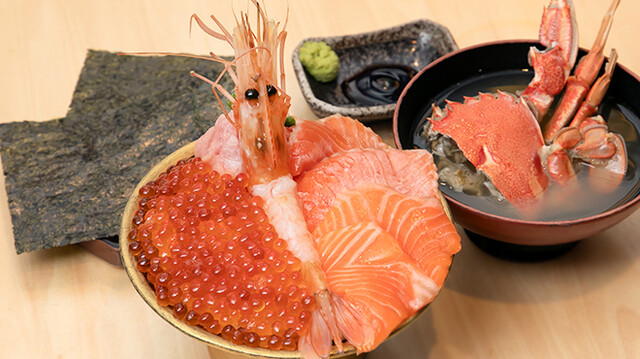
The menu
What to order
- Uni 5-kind tasting bowl
- Uni and ikura don
- Yoichiya kaisen-don
- Uni and bluefin tuna don
The first signal is the city: Hakodate is a natural frame for travellers looking at seafood, quick meals, and compact dining choices. For visitors, the useful question is not only what to eat, but how clearly a restaurant communicates its role. Here, sea urchin is not presented as an incidental garnish but as the central cue in the restaurant’s identity.
Uni Senmon Ten Yoichiya Hakodate asaichi ten sits on the focused side of that culture. Its listed categories are cafeteria, kaisen-don, and seafood, but the name sets the hierarchy: uni leads, bowls provide the format, and the room reads more like a specialist diner than a formal sushi counter. Tabelog Hyakumeiten recognition in 2026 is a useful trust signal in a city where casual seafood restaurants can blur together for visitors moving through Hakodate.
Hakodate's seafood-bowl culture, seen through uni
Hakodate does not need a formal tasting-menu format to argue for serious seafood. Its strength, for many visitors, is legibility: a seafood category, a bowl format, and a meal that can be understood without a long sequence. Kaisen-don suits that kind of dining because it compresses abundance into one decision. Uni Senmon Ten Yoichiya Hakodate asaichi ten narrows the lens further by putting uni at the centre.
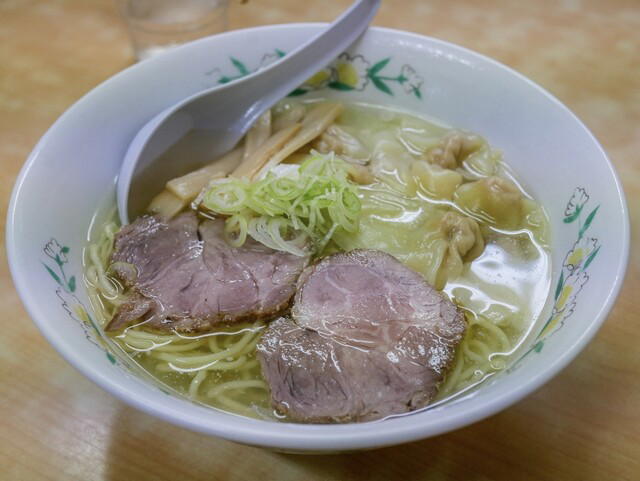
That focus changes expectations. A Hakodate kaisen-don shop is often judged on clarity, turnover, and visual abundance; an uni-led shop is judged more tightly on how clearly the ingredient defines the meal. The distinction matters because several Hakodate dining modes compete for the same visitor meal slot. Uni Murakami sits in the uni category, Hakodate Shio Ramen Shinano and Jiyoken represent noodle-and-diner comfort, Hakodate Fusaya Daimon ten occupies a casual register, and Sushi Dokoro Minami moves into a sushi bracket. Yoichiya keeps the Hakodate bowl format but frames the meal around seafood specificity rather than everyday fuel.
For travellers building a Hakodate eating itinerary, it works as a category marker. Other local dining rooms speak to the city’s range beyond a single seafood stop. The broader map is easier to read through a full Hakodate restaurants guide, because seafood, ramen, curry, and other cooking styles sit close enough for a short stay to feel crowded with choices.
A specialist diner rather than a ceremony
The format is part of the point. The listed categories of cafeteria, kaisen-don, and seafood read as a tourism-aware Hakodate restaurant, not a hushed temple of technique. That is not a criticism. In Hakodate, this kind of casual category has its own discipline: food must be legible, practical for travellers, and specific enough to stand apart from surrounding casual restaurants.
The Tabelog score of 3.55 and 2026 Tabelog Hyakumeiten recognition place the restaurant inside Japan’s user-review dining culture rather than the Michelin-style hierarchy familiar to many inbound travellers. Tabelog’s Hyakumeiten lists often reward category depth and local repeat appeal across everyday formats, where value lies not in linen, ceremony, or a named chef but in consistency within a narrow genre. Here, the recognition separates the restaurant from the general Hakodate seafood-bowl pack without making it formal fine dining.
The appeal is direct rather than ceremonial. The restaurant is not best understood as a drinking destination or an omakase substitute, but as proof that Hakodate’s seafood category can support a composed meal without abandoning the speed and clarity of a bowl-focused format. The point is less private luxury than a readable, ingredient-led meal in a city where seafood dining is a major visitor draw.
How to fit it into a Hakodate trip
The strongest use case is a seafood-focused meal in Hakodate, especially for travellers structuring a day around the city’s dining options. The listed price range, JPY 6,000 - JPY 7,999, places it above a quick everyday bowl and closer to a planned seafood stop. For visitors deciding where to spend one focused seafood meal, that budget signal helps separate it from more casual dining in Hakodate.
Practical expectations should stay simple. This is a public-facing specialist restaurant rather than a private occasion room, and the value proposition rests on its category: cafeteria, kaisen-don, and seafood, with uni at the centre of the identity. The 2026 Tabelog Hyakumeiten recognition and 3.55 score give outside readers a concise way to understand its standing within Hakodate’s competitive seafood field.
For a fuller city plan, pair the meal with practical guides around it: a full Hakodate hotels guide for where to base, a full Hakodate bars guide for the evening, a full Hakodate wineries guide for regional drinking context, and a full Hakodate experiences guide for planning beyond the table. Readers comparing Japanese casual formats can place this against other unnamed dining rooms in Japan and abroad. The comparison clarifies the appeal: Hakodate’s seafood bowl is not merely casual Japanese dining, but a local restaurant format translated into a fast, readable plate.
Frequently asked questions
What are the operating hours at Uni Senmon Ten Yoichiya Hakodate asaichi ten?
Operating hours for Uni Senmon Ten Yoichiya Hakodate asaichi ten are not specified here; check directly before visiting.
What's the pricing like at Uni Senmon Ten Yoichiya Hakodate asaichi ten?
Pricing at Uni Senmon Ten Yoichiya Hakodate asaichi ten is listed as JPY 6,000 - JPY 7,999.
Where exactly is Uni Senmon Ten Yoichiya Hakodate asaichi ten?
Uni Senmon Ten Yoichiya Hakodate asaichi ten is located in Hakodate.
What is Uni Senmon Ten Yoichiya Hakodate asaichi ten known for?
Uni Senmon Ten Yoichiya Hakodate asaichi ten is known as a cafeteria, kaisen-don seafood bowl, and seafood venue in Hakodate, with Tabelog Hyakumeiten recognition in 2026.
A Pricing-First Comparison
Nearby venues at a similar price tier for orientation.
| Venue | Cuisine | Price | Awards | Notes |
|---|---|---|---|---|
| Uni Senmon Ten Yoichiya Hakodate asaichi tenThis venue (the venue you are viewing) | Hokkaido uni and seafood donburi | $50–100 | Tabelog 100 #66 | Not listed |
| Shunsai Shungyo Tajima | Seasonal Japanese Izakaya with Omakase | $30–50 | Tabelog 100 #26 | Tomiokacho, Seasonal Japanese Izakaya with Omakase |
| Ajisai Honten | Hakodate shio ramen | $10–20 | Tabelog 100 #11 | Goryokaku, Hakodate shio ramen |
| Uni Murakami | Sea Urchin Specialty Japanese | $50–100 | Not listed | Otemachi, Sea Urchin Specialty Japanese |
| Kira | Creative Japanese Kaiseki | $20–30 | Not listed | Sumiyoshi-cho, Creative Japanese Kaiseki |
| Sushi Dokoro Minami | Traditional Sushi Omakase | $150–200 | Tabelog 100 #91 | Suehirocho, Traditional Sushi Omakase |
Recognition history
Dated appearances from independent guides and award organizations, with the underlying list record or original source where available.
Tabelog 100 #66 · No. 66
Tabelog · Tabelog 100 - Diner - 2026
Continue exploring
More in Hakodate
Restaurants in Hakodate
All restaurants in Hakodate →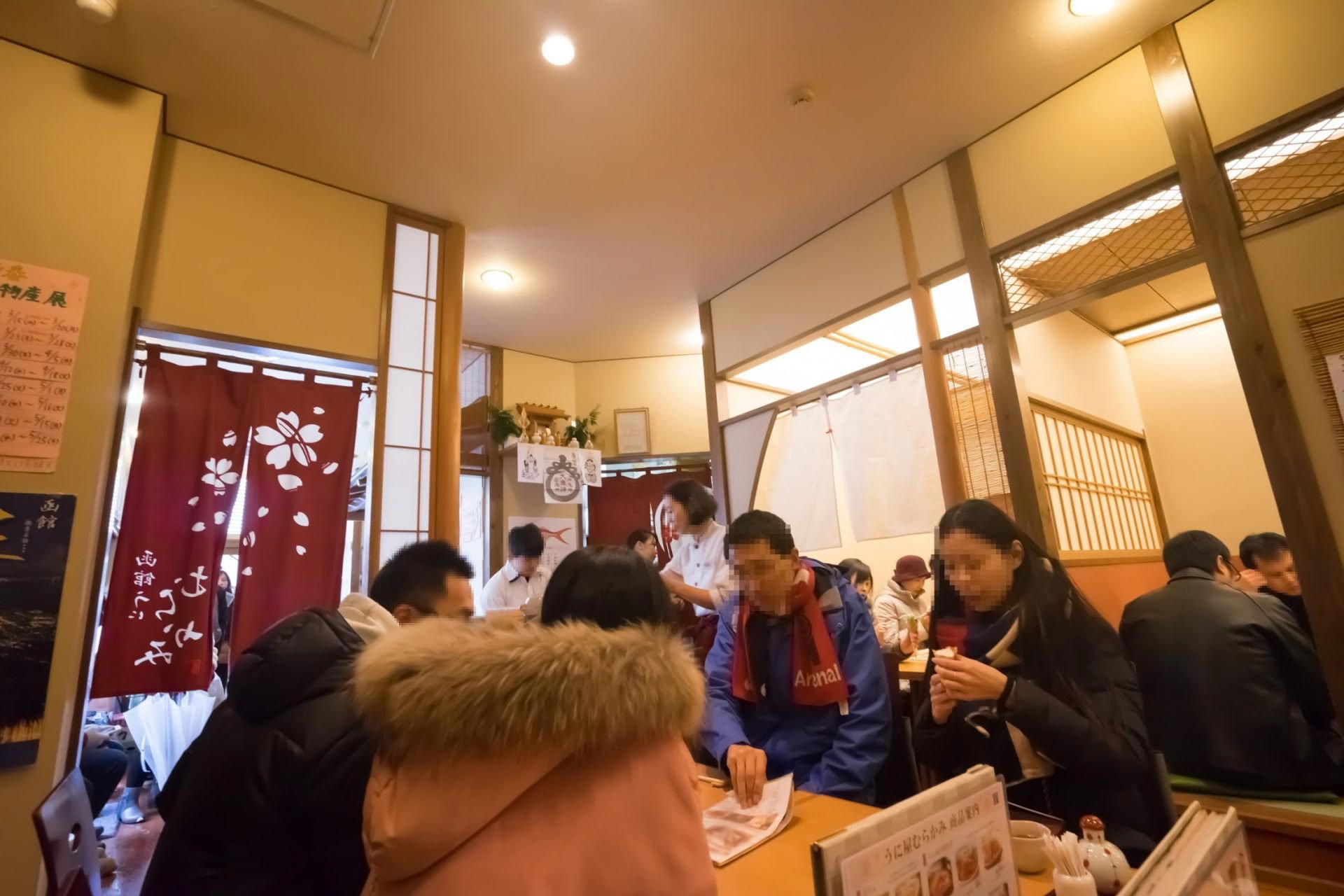
Hotels in Hakodate
All hotels in Hakodate →
Details
- Lively
- Cozy
- Solo
- Family
- Casual Hangout
- Group Dining
- Brunch
- Standalone
- Local Sourcing
- Sustainable Seafood
- Street Scene
- A La Carte
- Set Menu
- Pescatarian Friendly
Current opening hours
- Monday
- 9 AM–8 PM
- Tuesday
- 9 AM–8 PM
- Wednesday
- 9 AM–4 PM
- Thursday
- 9 AM–4 PM
- Friday
- 9 AM–8 PM
- Saturday
- 9 AM–8 PM
- Sunday
- 9 AM–8 PM
Hours can change for holidays and private events. Hours as of .
Casual, compact diner-style space inside the Hakodate Morning Market area, with a bustling, lively atmosphere fueled by breakfast and lunch crowds of travelers and families enjoying colorful seafood bowls.