Ramen in the Provinces: Why Shiga Has a Quiet Case for Attention Japan's ramen culture is frequently mapped through its major metropolitan poles: Tokyo's shoyu-forward broth houses, Sapporo's miso traditions (see 夕佳山乃 in Sapporo for a northern...
 Request Booking on Pearl
Pearl is the En Primeur Club membership app — saves, bookings, and concierge access live there. Same editors, same standards.
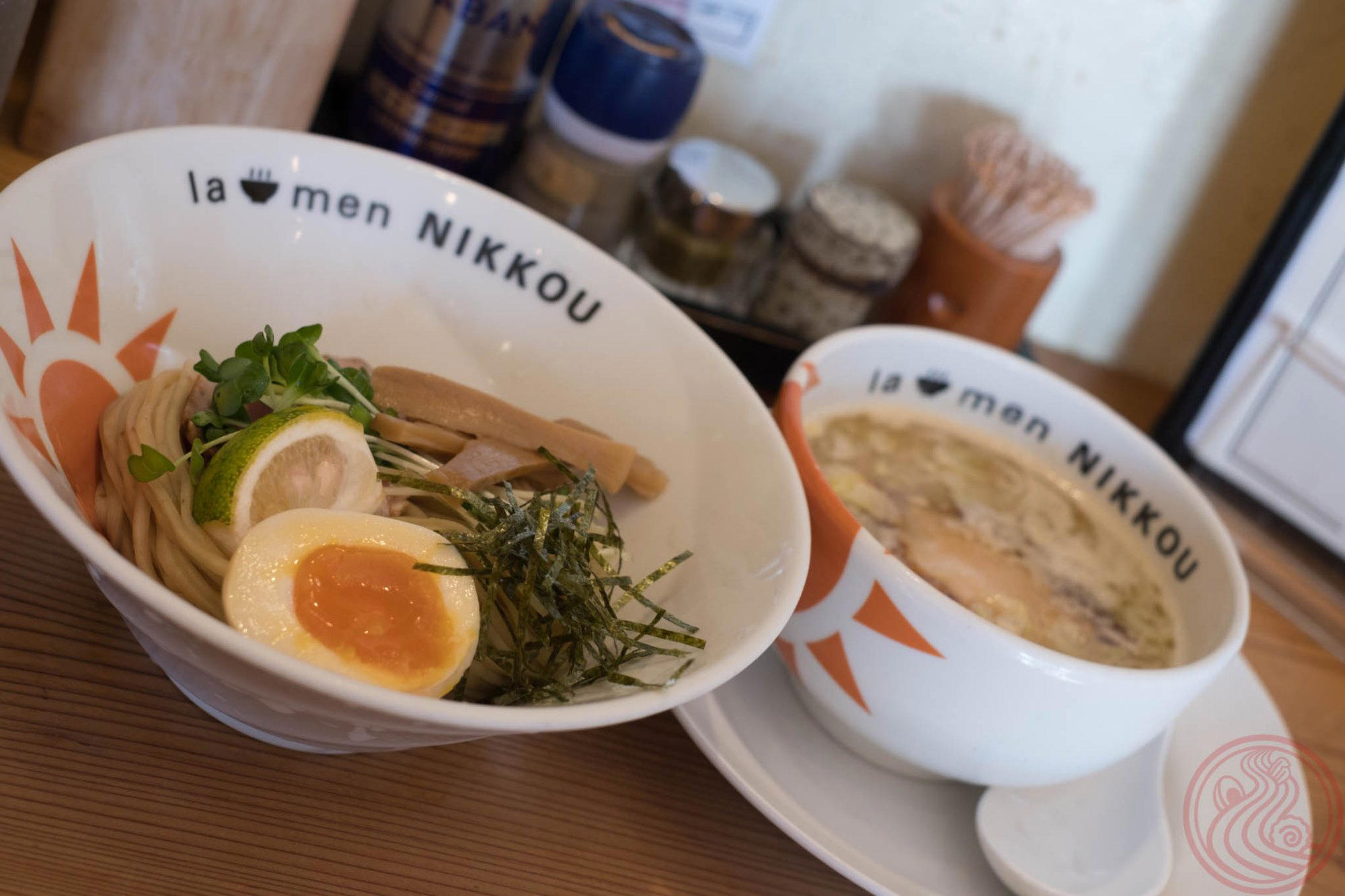
Ramen in the Provinces: Why Shiga Has a Quiet Case for Attention
Japan's ramen culture is frequently mapped through its major metropolitan poles: Tokyo's shoyu-forward broth houses, Sapporo's miso traditions (see 夕佳山乃 in Sapporo for a northern reference point), Fukuoka's tonkotsu lineage. What this shorthand misses is the breadth of serious ramen work happening in smaller prefectures, where lower rents and less competitive noise give individual kitchens room to develop without the pressure of Tokyo's churn. Shiga, sandwiched between Kyoto and the Biwako basin, is precisely that kind of prefecture: close enough to the Kansai culinary axis to absorb its rigour, removed enough to operate at its own pace.
Ramen Nikkou sits within that provincial context. Ramen Nikkou is a casual ramen restaurant in Shiga, with a typical spend of about US$10 per person. What is clear is the cultural register the name and location occupy: a ramen-specialist house in a city that shares a regional identity with Kyoto and Nara, two prefectures where culinary tradition runs deep and where even casual dining tends to reflect a certain attention to sourcing and preparation.
The Cultural Weight of a Bowl of Ramen
Ramen is sometimes treated as Japan's casual-dining floor, the reliable fallback between omakase experiences. That framing sells the category short. The postwar history of ramen, its roots in Chinese wheat-noodle traditions, its transformation through regional Japanese ingredient cultures, and its eventual codification into distinct regional styles, makes it one of the more instructive lenses through which to read Japanese food culture broadly. A kitchen that takes ramen seriously is making a statement about craft applied to everyday form, the same philosophy that underpins the finest kaiseki counters (like Gion Sasaki in Kyoto) and the leading sushi counters (like Harutaka in Tokyo), even if the price points sit in entirely different tiers.
The Kansai regional palette, dashi-led, restrained in salt, attentive to umami depth from kombu and dried fish rather than pork fat alone, tends to influence ramen houses that operate within its geographic orbit. Whether Ramen Nikkou draws from that tradition or positions itself against it is a distinction worth asking about directly when you visit. The answer tells you more about what to order than any menu description could.
Shiga as a Dining Destination
Visitors approaching Shiga through a dining lens typically arrive via Kyoto or Osaka, both less than an hour away by rail. That proximity has historically meant Shiga gets treated as a day-trip addendum rather than a destination in its own right, but the prefecture's food culture merits more than that framing. Lake Biwa, the largest freshwater lake in Japan, has shaped a local ingredient culture around freshwater fish, funa-zushi (fermented crucian carp) being the most cited regional speciality, and the agricultural land around the lake supports rice and vegetable production that feeds into serious local kitchens.
Within the Kansai region, the comparison set includes Michelin-starred houses: HAJIME in Osaka, operating at the ¥¥¥¥ tier in French-Innovative format, sits at the opposite end of the formality and price spectrum, but it anchors the regional context for serious cooking. akordu in Nara represents the kind of mid-tier ambitious cooking that the region supports beyond the obvious flagship addresses. And in Fukuoka, Goh shows how a regional city outside the Tokyo-Osaka axis can sustain genuinely competitive restaurants.
The pattern across all of these is instructive: Japan's secondary cities and prefectures are not simply diluted versions of the metropolitan dining offer. They operate on different economic logic, with different relationships to local sourcing, and often with less pressure to perform for international media. Ramen houses in that context can be among the more honest expressions of what a kitchen actually values.
Placing Ramen Nikkou in the Category
Japan's ramen category has stratified considerably over the past fifteen years. At one end, national chain operations standardise broth and noodle profiles across hundreds of locations. At the other, a tier of specialist shops, some of them accumulating serious critical attention, including coverage in regional Michelin guides, treat broth construction, noodle hydration and cut, and topping sourcing with the same discipline applied at much higher price points. Nishitomo, also in Shiga, represents the kind of local specialist that anchors a prefecture's dining identity.
For comparison outside Japan, the discipline applied to a single-format kitchen operating at a high level of repetition is well illustrated by houses like Le Bernardin in New York City (seafood, three Michelin stars) and Atomix in New York City (Korean tasting menu, two Michelin stars): both demonstrate what happens when a kitchen commits completely to one culinary grammar and executes it without deviation. The analogy is imperfect, ramen is a different price register and a different dining contract, but the underlying logic of mastery through constraint applies across formats.
Regional ramen houses in Japan with loyal followings tend to earn that loyalty through consistency, through a broth that tastes the same on a Tuesday in February as it does on a Saturday in October, and through the kind of minor details, the temperature of the bowl, the timing of noodle delivery, the ratio of fat to clear liquid in the surface layer, that accumulate into a recognisable signature without any single element being theatrical about it. The circumstantial case for visiting is the location, the regional culinary context, and the simple fact that serious ramen in provincial Japan is frequently more interesting than its metropolitan equivalent.
Planning Your Visit
Shiga is accessible from Kyoto in under thirty minutes by JR Biwako Line, making it a realistic lunch or dinner extension from a Kyoto base. Ramen Nikkou is walk-in friendly. Carrying cash remains advisable at smaller ramen houses across Japan, where card acceptance is not guaranteed.
Further regional reference points within driving or rail distance: 湖畔荘 in Takashima, on the western shore of Lake Biwa; and for a broader sense of small-city dining in the region, 三本木 川魚店 in Nanao and 庄羽屋 in Nishikawa Machi each illustrate the range of format and tradition available outside the main urban centres.
Pricing, Compared
Comparable venues nearby, for context on price, style, and recognition.
| Venue | Cuisine | Price | Awards | Notes |
|---|---|---|---|---|
| Ramen NikkouThis venue — the venue you are viewing | $ | , | ||
| Nishitomo | $$ | , | Omi-Imazu, Traditional Japanese Eel and River Fish | |
| Honke Daiichi Asahi Honten | Shimogyō, Classic Kyoto ramen shop | $ | , | |
| Oniyanma Gotanda honten | Shinagawa, Standing Sanuki Udon Shop | $ | , | |
| Tanikawa Beikokuten (谷川米穀店) | まんのう町, Sanuki Udon | $ | , | |
| Chuka Soba Nishino | $ | , | Bunkyō, Tokyo ramen (chuka soba) counter |
Continue exploring
More in Shiga
Restaurants in Shiga
Browse all →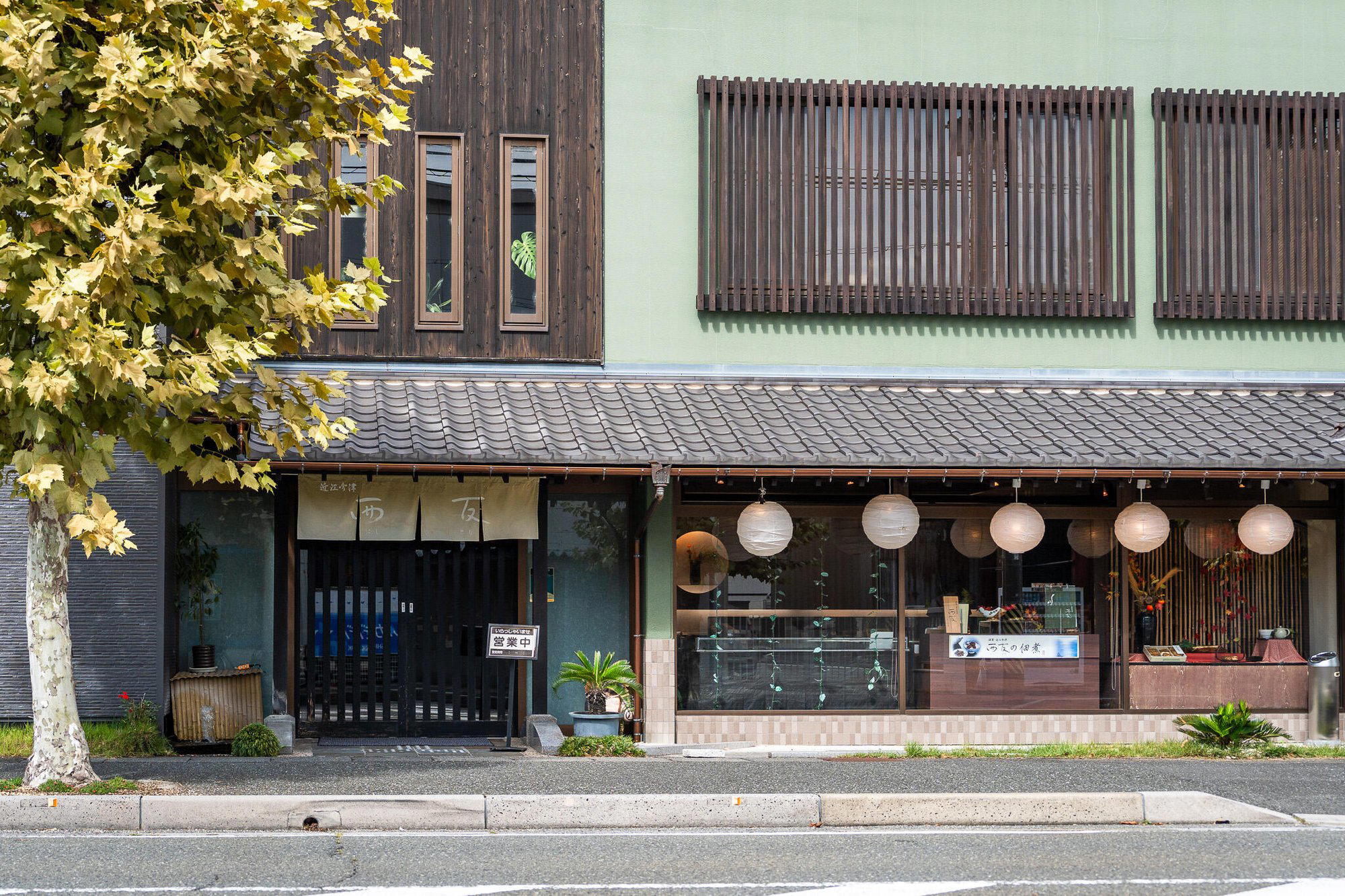
At a Glance
- Casual
- Rustic
- Iconic
- Casual Hangout
- Solo
- Open Kitchen
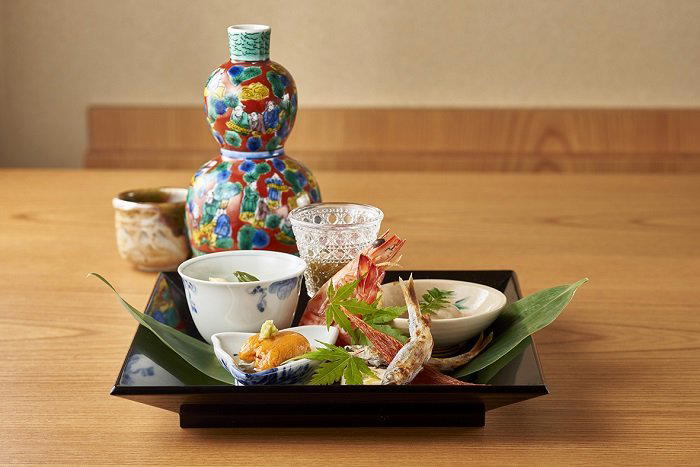
Humble, casual noodle establishment with a traditional Japanese ramen shop atmosphere; counter and table seating create an intimate, no-frills dining experience.