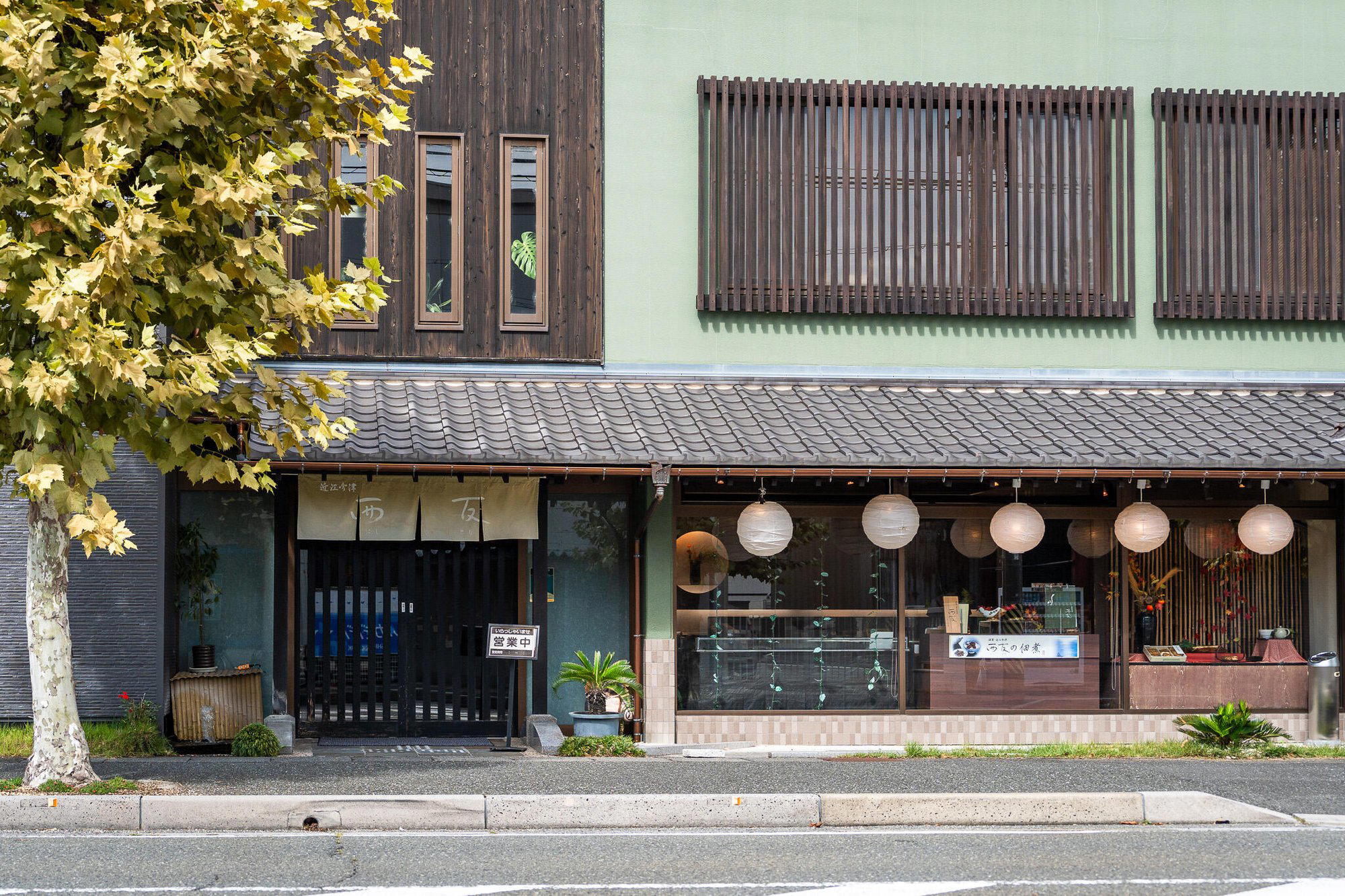
Shiga Prefecture sits between the mountain ranges that feed Japan's largest freshwater lake, and Nishitomo draws on that geography as a sourcing foundation. The restaurant occupies a dining scene where proximity to Lake Biwa and the Kinki region's agricultural hinterland shapes what arrives at the table, placing it within a broader tradition of ingredient-driven Japanese cuisine that the prefecture has quietly sustained for decades.
 Request Booking on Pearl
Pearl is the En Primeur Club membership app — saves, bookings, and concierge access live there. Same editors, same standards.
Where Lake Biwa's Larder Meets the Plate
Shiga Prefecture rarely appears on international dining itineraries, and that omission is largely a matter of geography rather than quality. Sandwiched between Kyoto to the west and the Suzuka mountain range to the east, the prefecture is defined by Lake Biwa, Japan's largest freshwater body and an ecological zone that has supplied regional kitchens for centuries. The lake and its surrounding farmland produce a distinct set of ingredients: funa-zushi fermented carp, Omi beef fattened on local grasses, freshwater fish that appear nowhere else on the archipelago in comparable form. Nishitomo sits inside this tradition, and understanding what that tradition means is the most useful starting point for any visit.
Ingredient provenance in this part of Japan is not a contemporary marketing position. It is the structural fact around which regional cuisine has organized itself long before farm-to-table became a global shorthand. The contrast with Kyoto, forty minutes west by rail, is instructive: Kyoto's kaiseki culture imports ingredients from across Japan and refines them through technique. Shiga's better kitchens tend to work with shorter supply chains, using what the lake basin and surrounding prefectural farms produce in a given season. Nishitomo operates within that framework, which places it in a different competitive conversation than the grand kaiseki establishments of Gion or the innovation-led tasting menus at places like HAJIME in Osaka.
The Shiga Sourcing Tradition in Context
Japan's regional dining scene has shifted considerably over the past decade. The concentration of Michelin attention in Tokyo, Kyoto, and Osaka has, paradoxically, made prefectures like Shiga more interesting to serious diners who have exhausted the obvious circuits. The same pattern appears in other countries: once the flagship cities are well-mapped, the surrounding agricultural zones attract scrutiny. In Japan's case, the surrounding zones are often where the ingredients originate, which means the culinary logic of eating there is sound.
Lake Biwa's ecological specificity matters at the table in ways that are difficult to replicate elsewhere. The nigorobuna carp that forms the base of funa-zushi, one of Japan's oldest forms of preserved fish, is endemic to the lake system. Omi beef carries a regional designation and a production history that predates the Meiji era. These are not ingredients that travel easily to other prefectures and retain the same character. A kitchen in Shiga that sources seriously is therefore working with material that a kitchen in Tokyo simply cannot replicate, regardless of budget. This is the argument for eating in the prefecture rather than treating it as a pass-through between Kyoto and Nagoya.
For context on how sourcing-driven cuisine operates at the highest levels in the wider Kansai region, the contrast with Gion Sasaki in Kyoto is useful: Sasaki's kitchen draws on the full breadth of Japanese seasonal produce and interprets it through classical kaiseki structure. Shiga's ingredient-first approach is narrower in geographic scope but often more direct in the relationship between source and dish. The two traditions are complementary rather than competing.
Planning a Visit to Nishitomo
Shiga's dining scene is not organized for drop-in visitors in the way that Kyoto's Gion district is. The prefecture rewards planning, and Nishitomo is the kind of restaurant where advance contact, ideally through a hotel concierge or a Japanese-language inquiry, is the practical approach for visitors arriving from outside the region. Shiga is accessible from Kyoto Station in under thirty minutes by JR Biwako Line, and from Osaka in roughly an hour, making it viable as a day trip or an extension of a longer Kansai itinerary. Those combining the visit with broader regional exploration might also consider 湖魚庵子 in Takashima, which sits further north along Lake Biwa's western shore and operates in a related sourcing tradition.
The prefecture's dining rhythm follows agricultural and fishing seasons closely. The funa-zushi tradition peaks in spring and early summer when the carp are prepared for fermentation, and autumn brings different freshwater fish to prominence. Visitors timing a trip around ingredient availability will find the experience more coherent than arriving without seasonal reference points. This is not a city where the same menu runs twelve months unchanged.
For those building a broader Japan itinerary that includes serious dining, Shiga works well as a counterpoint to the high-density restaurant circuits in Tokyo and Osaka. After a counter experience at Harutaka in Tokyo or an innovative tasting menu at akordu in Nara, the ingredient-grounded register of Shiga's better kitchens offers a different kind of value. The comparison is not about quality hierarchy but about what each tradition is trying to do. Goh in Fukuoka offers another version of regional ingredient focus worth considering for the same itinerary.
The Wider Shiga Table
Nishitomo does not operate in isolation. Shiga has a cluster of restaurants that take the prefecture's agricultural and aquatic output seriously, and visiting one without awareness of the broader scene misses part of the context. Ramen Nikkou represents a different register of the same prefecture, demonstrating that Shiga's ingredient sourcing extends across price points and formats. The depth of the local food culture is not concentrated only at the higher end.
The pattern of quality regional dining operating below the radar of major food media is not unique to Shiga. Similar dynamics appear at 一本杉 川嶋 in Nanao on the Noto Peninsula, where proximity to the Sea of Japan creates its own sourcing logic, and at 翁知屋 in Nishikawa Machi in the Yamagata mountains. The common thread is geography as the primary shaping force on what appears at the table. For international diners accustomed to the framework of ingredient sourcing at places like Le Bernardin in New York City or the Korean-American produce-driven approach at Atomix in New York City, the Japanese regional version of the same logic has a different character: it is less articulated as a position and more embedded as a structural assumption about how cooking works.
At-a-Glance Comparison
Comparable venues nearby, for context on price, style, and recognition.
| Venue | Cuisine | Price | Awards | Notes |
|---|---|---|---|---|
| NishitomoThis venue — the venue you are viewing | Traditional Japanese Eel and River Fish | $$ | , | |
| Ramen Nikkou | Traditional Ramen & Tsukemen | $ | , | Hikone City |
| Osake to Gohan Taku | Tuna-focused Japanese Izakaya | $$ | , | Kita |
| Sumibi Yakitori Ikoka Nishitenma | Charcoal-Grilled Yakitori Izakaya | $$ | , | Kita |
| Maidreamin Shibuya Store | Japanese Maid Cafe | $$ | , | Shibuya |
| Shuhari Tanimachi yonchome ten | Traditional handmade soba & tempura | $$ | , | Chūō |
Continue exploring
More in Shiga
Restaurants in Shiga
Browse all →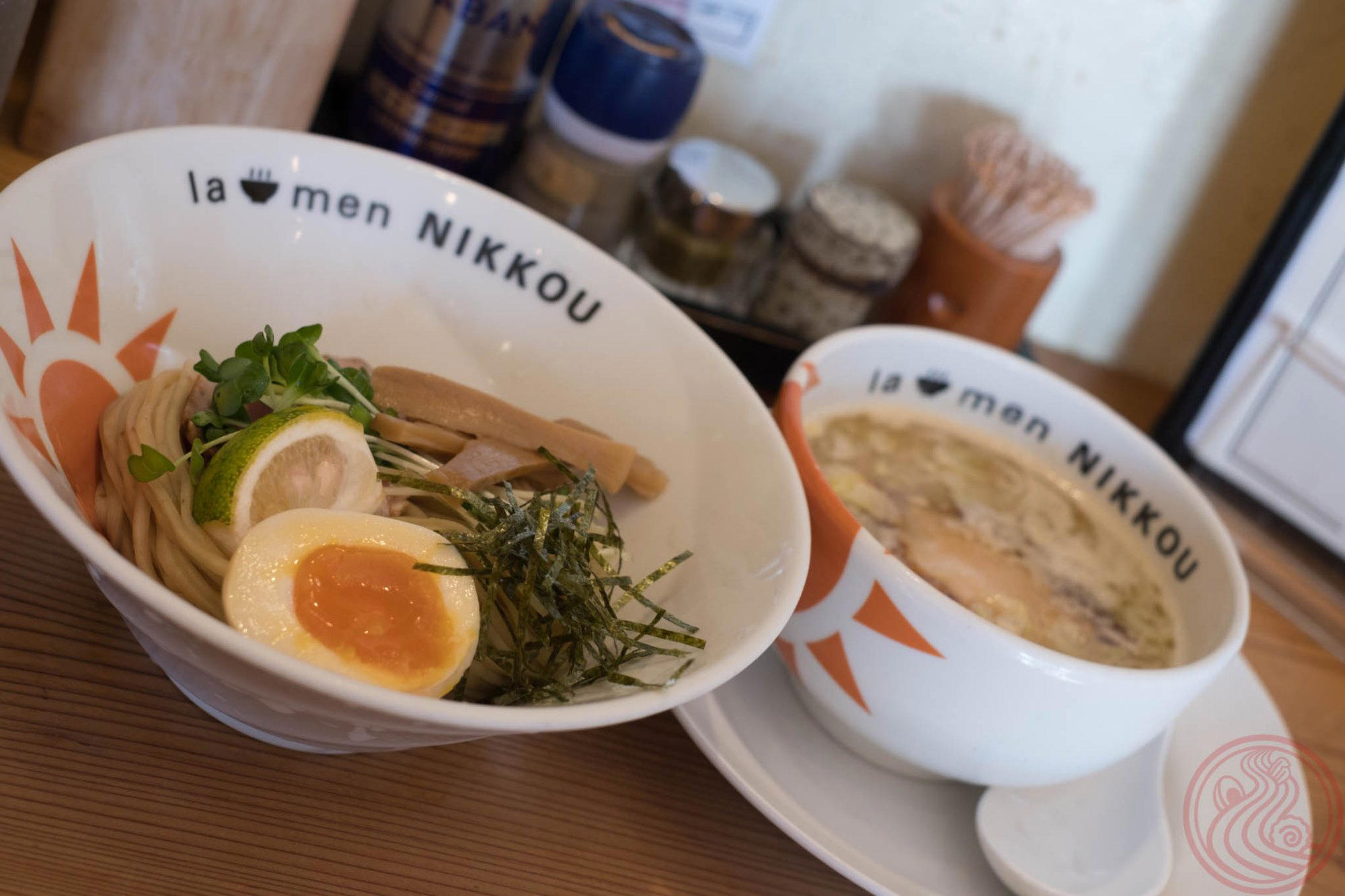
At a Glance
- Classic
- Casual Hangout
- Family
- Standalone
- Sake Program
- Local Sourcing
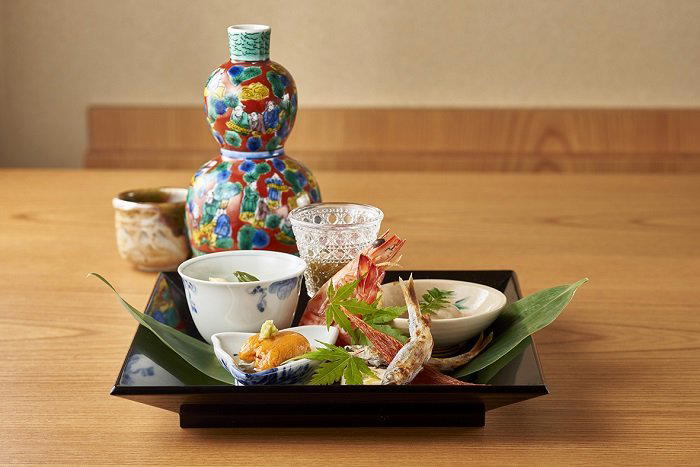
Traditional Japanese atmosphere focused on fresh local seafood in a welcoming setting.