RAMEN Burosu brings Obu’s small-format ramen culture into the Aichi conversation, with a 2025 Tabelog 100 Ramen AICHI selection and a compact counter-led room. The appeal is less about spectacle than discipline: a local ramen shop operating in the same value band as nearby noodle specialists, where sourcing, broth structure, and repeatable execution matter more than ceremony.
Pearl is the En Primeur Club membership app — saves, bookings, and concierge access live there. Same editors, same standards.
- Address
- 愛知県大府市共栄町8-11-10
- Website
- instabio.cc
 Saves & bookings on Pearl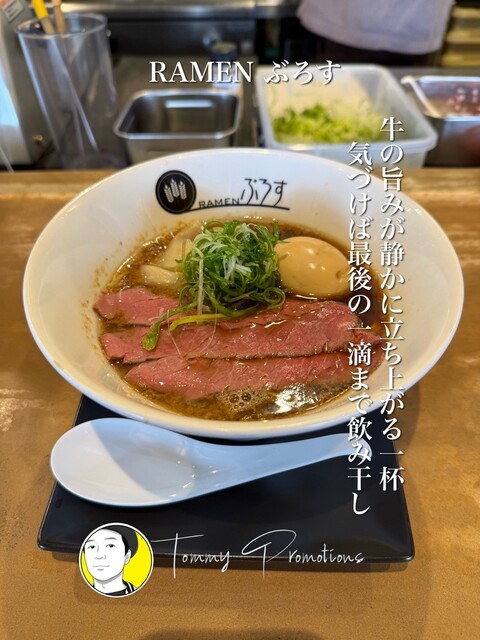
Approach ramen in Obu and the first read is modest scale rather than urban theatre: a short meal, a compact room, the rhythm of counter seating, and the expectation that the bowl carries the argument. In Aichi, ramen has to compete with a deep everyday dining culture, from miso-katsu and kishimen to suburban Chinese counters and station-side noodle shops. RAMEN Burosu belongs to the smaller, more exacting end of that scene, where a low-price bowl still has to justify attention through stock, noodles, tare, and the discipline of service.
The 2025 Tabelog 100 Ramen AICHI selection gives the shop a useful signal in a prefecture where ramen excellence is not concentrated only in Nagoya. Its Tabelog score is 3.61, a number that matters less as a trophy than as a marker of sustained local approval in a category where diners compare bowls aggressively and often. For broader planning across the city, keep Our full Obu restaurants guide close, then balance meals with Our full Obu hotels guide, Our full Obu bars guide, Our full Obu wineries guide, and Our full Obu experiences guide.
Aichi ramen, judged by sourcing discipline rather than spectacle
Ramen shops in regional Japan live or fail by procurement as much as technique. The ingredient story is usually quiet: bones or seafood for stock, wheat for noodles, soy or salt seasoning, aromatic oils, and toppings that must work within a narrow price ceiling. That is the useful lens here. A bowl in this bracket cannot hide behind luxury produce or elaborate dining-room choreography. It has to show control in extraction, salinity, noodle texture, and portion rhythm, all within a meal format designed for regulars as much as travellers.
That context separates serious ramen from novelty ramen. Aichi’s noodle culture has room for heavier local preferences, but recognition on the Tabelog 100 Ramen AICHI list points toward consistency across repeat visits and. RAMEN Burosu sits in the same broad affordability band as Shurakutei Kuan and Men Tamayura Kariya ten, while Banrai Tei and Ramen Burai occupy nearby value territory. Chinese Sai Tanaka pushes into a slightly higher dinner range, which makes the comparison useful: Obu-area diners are not only choosing a cuisine, they are choosing how much structure, speed, and sourcing precision they want from a casual meal.
A ten-seat format changes the way the bowl is read
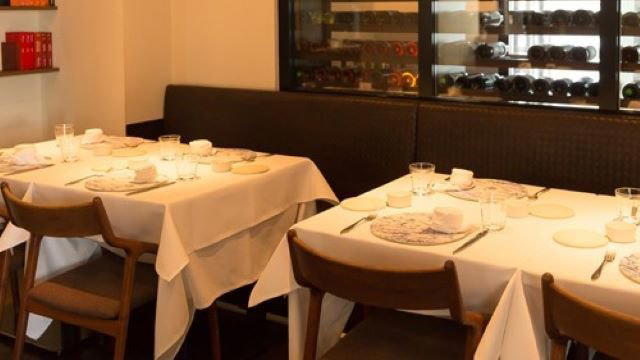
The room’s scale matters. Ten seats, including counter seating, put the cooking process close to the diner and remove much of the buffer that larger restaurants use to smooth service. In ramen, that intimacy is not decorative; it affects timing. Noodles have a narrow window, broth temperature carries the meal, and turnover shapes the atmosphere. Counter-led ramen rewards focus, and the better version of this format feels direct rather than rushed.
Obu is also a different proposition from central Nagoya. The dining map is more local, less performative, and less dependent on visitors chasing a famous name. That gives restaurants like this a clearer test: school-age children are welcome, solo dining is common enough to be part of the stated use case, and the room is non-smoking. Those details say something about the local ramen shop as civic infrastructure: quick enough for a solo lunch, structured enough for a deliberate stop, and accessible enough for families who understand the pace of a small noodle room.
The value position is part of the editorial case. Ramen at this level often offers more technical labor per yen than many casual formats, because the invisible work sits in the stock, seasoning base, oil, noodle handling, and day-to-day calibration. That is why a Tabelog 100 selection in ramen carries a different meaning than a glossy fine-dining award. It recognizes a shop working inside tight constraints, not a restaurant inflating the occasion around the meal.
Where it fits in a Japan dining itinerary
For travellers building a wider Japan dining route, Obu should not be treated as a lesser stop simply because the meal is casual. The useful comparison is format. A sukiyaki specialist such as -Grilled beef Sukiyaki- KAMAKURA TANUKIAN 鎌倉 たぬき庵 in Kamakura asks the diner to think about beef, heat, and pacing. A Tokyo grill counter like . 鮪と炭火焼き うお炭 秋葉原店 in Tokyo shifts the frame toward charcoal and seafood. Ramen compresses that same concern with sourcing and timing into a shorter, cheaper, more repeatable format.
That contrast is useful across Japan’s casual dining spectrum. .cafe in Osaka, .know in Kumamoto, (Shoku) Vietnam in Kawasaki, [Curry Senmon Ten] Maruyama Kyoju. in Sapporo, and [ki:] in Kyoto each sit in different casual or specialist lanes, but all raise the same question: what does a focused kitchen do with a narrow brief? That question is also present at #肉といえば松田 奈良本店 in Kashihara, 1/3 HAMBURGER FACTORY in Kanazawa, 1000 in Yokohama, and 1000mヒュッテ 1000m Hut in Kutchan. Even outside Japan, focused formats such as Jōdo Saké Bar in Los Angeles and Onigiri Time in Pasadena show how a tight menu can make sourcing easier to read.
The right expectation is a compact ramen meal with local recognition, not a drawn-out tasting-menu performance. Read it through the ingredients and the constraints: a small room, a low meal cost, a recognized Aichi ramen listing, and a format that leaves little room for distraction. That is where the intelligence of the place sits.
Snapshot
Comparable venues by cuisine and price in the same metro.
| Venue | Cuisine | Price | Notes |
|---|---|---|---|
| RAMEN Burosu | Ramen | $ | Obu |
| Chuka Soba Dokoro Konpiraso | Yamagata Chuka Soba | $ | Sanze |
| Uogashi Nihon-ichi (魚がし日本一) | Standing Sushi Bar | $ | Shibuya |
| Wakasa Nomise | Japanese Izakaya | $ | Rishiri Island |
| Ramen Nikkou | Traditional Ramen & Tsukemen | $ | Hikone City |
| ラーメン亭「十五夜」 | Japanese Ramen | $ | Kushiro |
Recognition history
Dated appearances from independent guides and award organizations, with the underlying list record or original source where available.
Tabelog 100 #34 · No. 34
Tabelog · Tabelog 100 - Ramen - AICHI - 2025
Continue exploring