
Ramen Burai places Nagoya’s suburban ramen culture in a compact, counter-led format, with ramen and tsukemen priced in the city’s accessible everyday bracket. Its 2025 Tabelog 100 Ramen Aichi selection gives it a useful critical marker in a prefecture where noodle shops compete on repeat local traffic rather than ceremony.
Pearl is the En Primeur Club membership app — saves, bookings, and concierge access live there. Same editors, same standards.
- Address
- 愛知県名古屋市緑区鹿山3-1
- Website
- ameblo.jp
 Saves & bookings on Pearl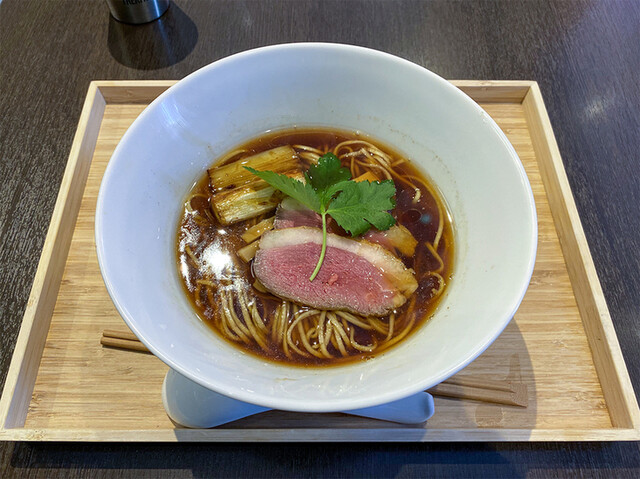
In Midori-ku, ramen is less about theatre than compression: a small room, counter seats, quick turnover, and a bowl judged before the train ride back has finished. Ramen Burai belongs to that Nagoya rhythm, away from the polished restaurant corridors and closer to the local shopping-street pattern that keeps suburban noodle shops honest. The room is built around counter dining, with a small table presence, which puts the experience in Japan’s practical ramen tradition rather than in the longer-form restaurant category.
The useful context is critical reception. Aichi’s ramen field is dense enough that selection for the Tabelog 100 Ramen Aichi 2025 list carries weight, especially for a shop outside the central visitor circuit. That marker does not turn a casual noodle counter into a luxury reservation, and it should not be read like a Michelin-style dining award. It does something more relevant for ramen: it places the shop among a curated prefectural group where consistency, local following, and specialist focus matter.
Aichi ramen recognition without the central-city polish
Nagoya’s dining reputation is often filtered through miso katsu, hitsumabushi, kishimen, and coffee-shop breakfast culture, but ramen here has its own competitive grammar. The city rewards shops that can hold a line on broth style, noodle texture, and speed without drifting into concept-heavy branding. Ramen Burai’s category is listed as ramen and tsukemen, the split that matters for diners choosing between a complete soup bowl and dipping noodles with a stronger emphasis on noodle structure.
The price tier also explains the appeal. At under JPY 999 on the listed budget, this sits below several Nagoya peers in the same casual field. Banrai Tei and Chinese Sai Tanaka run into higher listed ranges, while Ramen mellow and Shurakutei Kuan sit around the JPY 1,000 to JPY 1,999 bracket. Komugi to Yakiago Sugure is closer on price. In that context, Ramen Burai is not competing through luxury cues; it competes through the harsher test of low-cost repeatability, where a small difference in execution decides whether locals return.
For readers mapping Nagoya beyond this single address, the wider restaurant picture is best read across neighborhood formats rather than cuisine labels alone. The city’s compact counters and casual specialists sit alongside broader local dining options in Our full Nagoya restaurants guide, while cross-category planning belongs in Our full Nagoya hotels guide, Our full Nagoya bars guide, Our full Nagoya wineries guide, and Our full Nagoya experiences guide. The point is not to turn a ramen stop into an itinerary anchor; it is to understand how a city’s everyday counters often say more about its eating habits than its formal dining rooms.
The counter format keeps the judgment narrow
Small ramen rooms remove many of the distractions that protect larger restaurants. There is little space for long service choreography, wine pairing, or table-side explanation. The evaluation narrows to ordering clarity, bowl timing, and whether the kitchen can repeat its core product across lunch and dinner service. The restaurant’s 10-seat setup, including counter seating, fits that model. It is the kind of format where solo dining is not a compromise and family use is possible without shifting the shop into a casual chain register.
That scale also changes how recognition should be interpreted. A Tabelog score of 3.64 and inclusion in the 2025 Aichi ramen selection point to local credibility, not to grand-occasion dining. In Japanese ramen culture, that distinction matters. A shop can be highly regarded while remaining brief, inexpensive, and operationally blunt. No reservations are part of the category’s logic: diners accept a first-come rhythm because the format is designed for short meals rather than lingering tables.
The opening date, June 2019, places the shop in a post-2010s ramen moment when regional specialists had to compete not only with old neighborhood names but also with a more digitally literate ramen audience. Tabelog-era recognition rewards visibility, but it also exposes shops to diners who compare across prefectures. That pressure is useful. It forces the reader to ask whether a ramen counter has a defined reason to be on the map, or whether it is simply convenient. The award signal gives the restaurant a clearer answer than address alone would.
How to read it against Nagoya's casual dining field
The smarter comparison is not with tasting menus or hotel restaurants; it is with other low-to-mid-price specialists where the meal is brief and the margin for error is thin. In Nagoya, that includes ramen counters, Chinese-leaning casual rooms, and neighborhood shops whose reputations depend on repeat customers. The city’s strength is that these formats often avoid the inflated language attached to destination dining. They succeed by being specific.
Travelers building a Japan eating route can use that same lens across cities. A compact local specialist in Nagoya has little in common with destination dining such as 1022, 451, Aaron, Alan., or All Day Dining Montmartre, but the comparison is instructive because it separates ceremony from specialization. Elsewhere in Japan and beyond, formats such as -Grilled beef Sukiyaki- KAMAKURA TANUKIAN 鎌倉 たぬき庵 in Kamakura. 鮪と炭火焼き うお炭 秋葉原店 in Tokyo.cafe in Osaka.know in Kumamoto, (Shoku) Vietnam in Kawasaki, [Curry Senmon Ten] Maruyama Kyoju. in Sapporo, Jōdo Saké Bar in Los Angeles, and Onigiri Time in Pasadena show how narrow concepts can travel across price points without needing formal dining signals.
For Nagoya, the editorial takeaway is direct: this is a low-cost ramen and tsukemen address with a recognized Aichi credential, a small seating plan, and a neighborhood setting that suits diners who want the city’s everyday noodle culture rather than a staged restaurant night. The value lies in the category discipline. Go for a focused ramen stop, not for ceremony, and judge it by the standards that matter at the counter.
Cuisine Context
Nearby venues at a similar price tier for orientation.
| Venue | Cuisine | Price | Notes |
|---|---|---|---|
| Ramen Burai | Nagoya neighborhood ramen shop | $ | Midori |
| Banrai Tei | Traditional Yokohama Iekei Ramen | $ | Midori |
| Ramen Suiren | Cozy Bali-inspired ramen counter | $ | Shōwa |
| Shin Suzume Honten | Traditional Japanese sweets (mitarashi dango) | $ | Naka |
| Chuka Soba Paikaro | Traditional Fukuyama-style ramen shop | $ | Chikusa |
| Kawaguchi Ya | Japanese confectionery shop | $ | Naka |
Recognition history
Dated appearances from independent guides and award organizations, with the underlying list record or original source where available.
Tabelog 100 #82 · No. 82
Tabelog · Tabelog 100 - Ramen - AICHI - 2025
Continue exploring
More in Nagoya
Restaurants in Nagoya
Browse all →

At a Glance
- Solo
- Casual Hangout
- Late Night
- Standalone
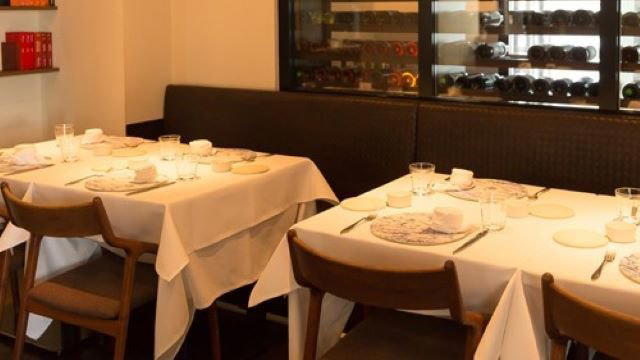
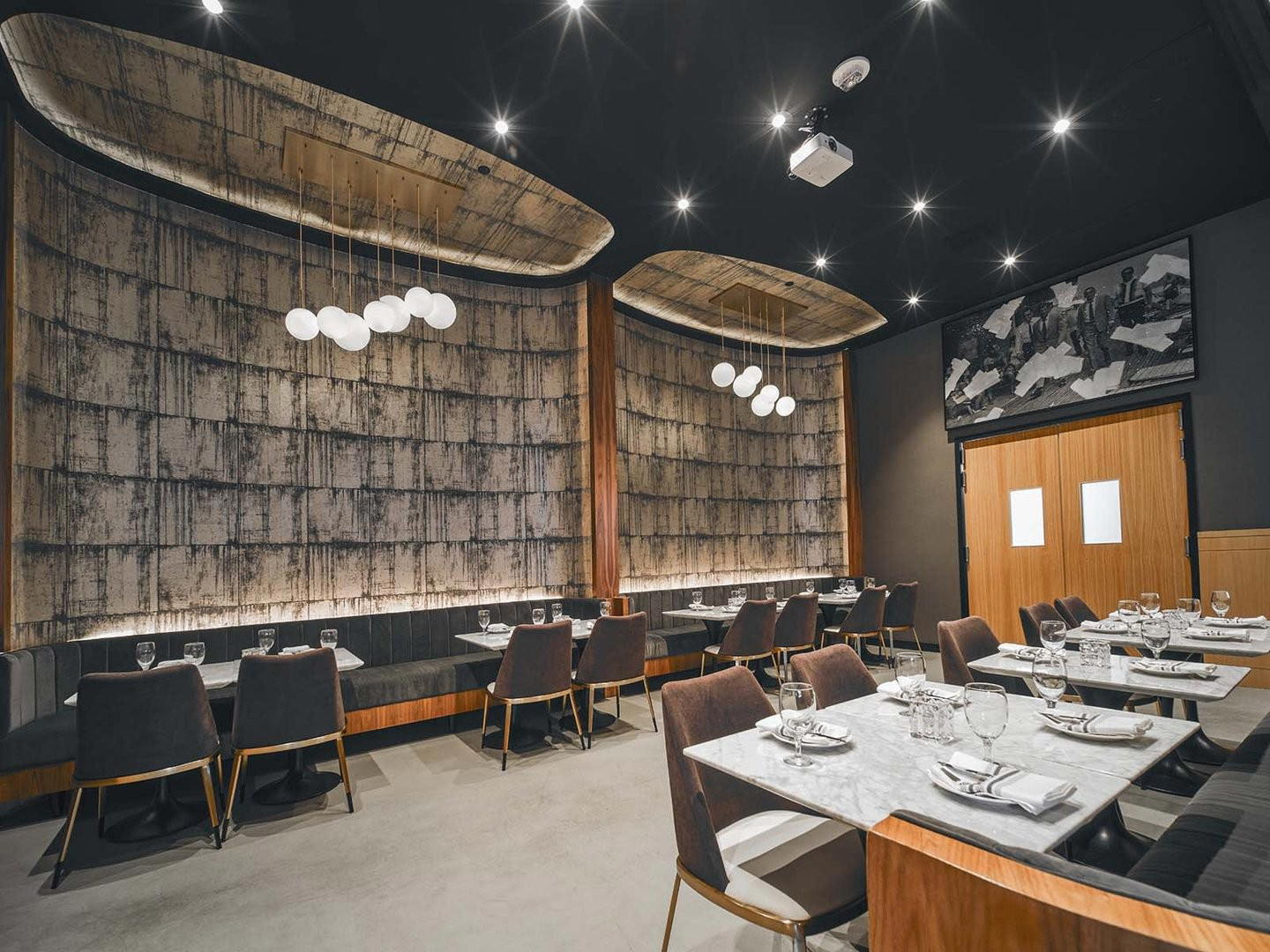
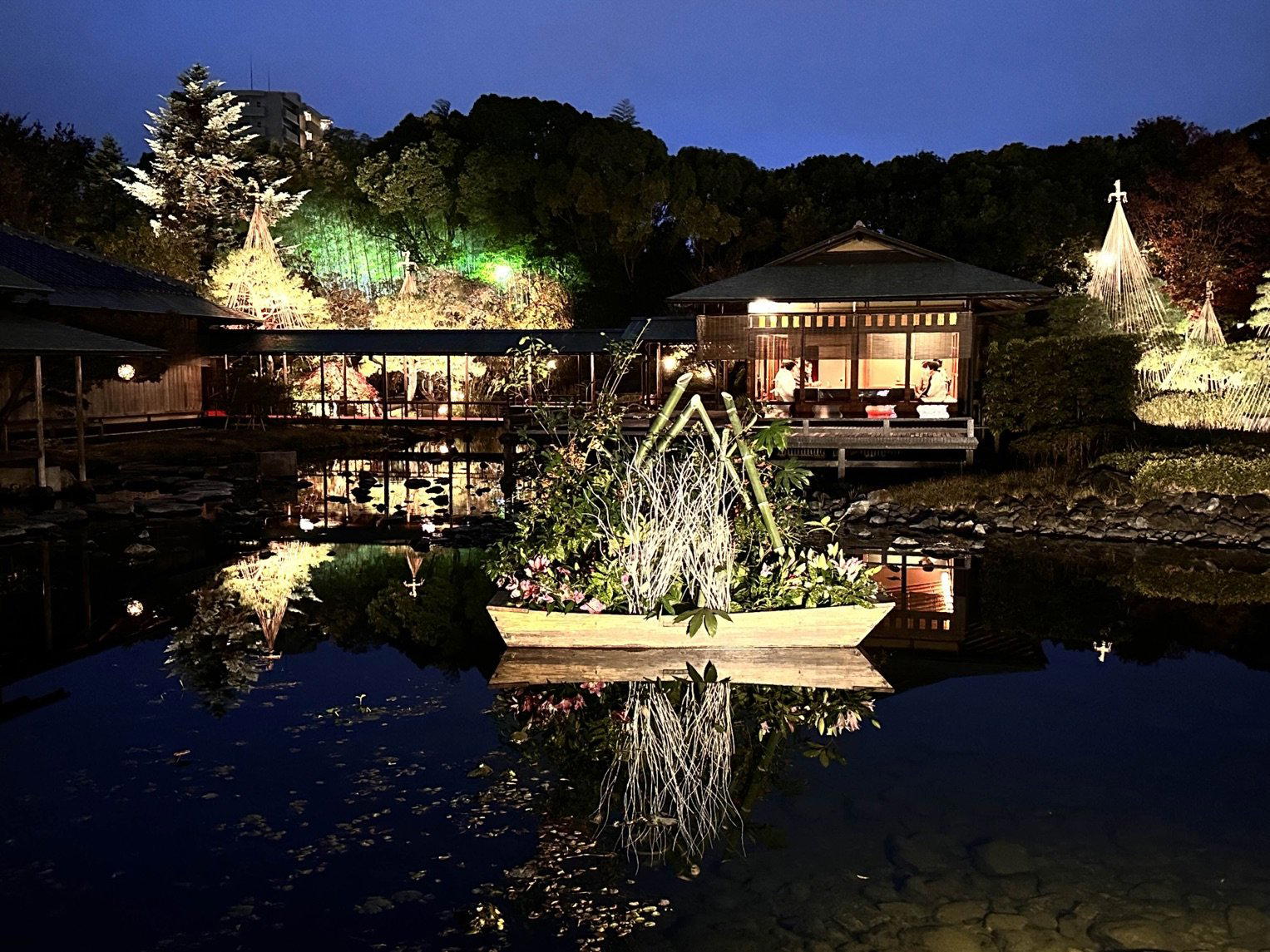
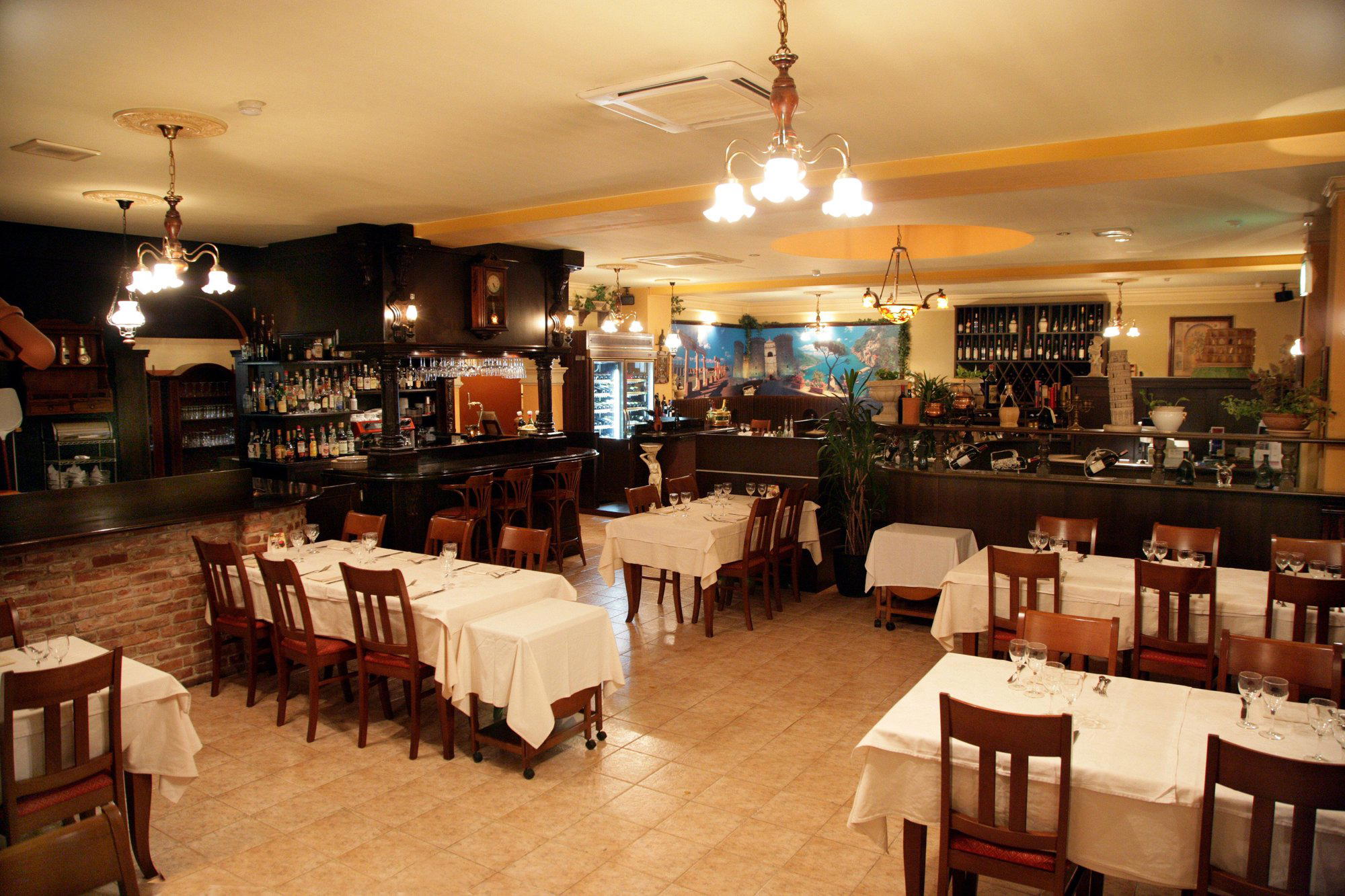
Casual, lively ramen-ya atmosphere typical of a local favorite, focused on the counter and kitchen rather than decor, with an everyday neighborhood feel.