A small, tucked-away spot on Hùng Vương street in Đà Lạt, Rainy Rhythm draws on the highland city's cool climate and agricultural abundance — the same growing conditions that supply Vietnam's most serious restaurant kitchens. The setting leans atmospheric and unhurried, in keeping with a city whose culinary character is shaped by altitude, mist, and produce that arrives at the table hours after harvest.
Pearl is the En Primeur Club membership app — saves, bookings, and concierge access live there. Same editors, same standards.
- Address
- Cuối hẻm 20, Hùng Vương, Phường 10, Đà Lạt, Lâm Đồng 66117, Vietnam
- Phone
- +84328909062
- Website
- facebook.com
- Directions
- Get directions
 Saves & bookings on Pearl
Đà Lạt and the Ingredient Advantage
Few cities in Southeast Asia have a more direct relationship between geography and plate than Đà Lạt. Sitting at roughly 1,500 metres above sea level in Vietnam's Central Highlands, the city produces strawberries, artichokes, hydroponic greens, and cool-climate vegetables that supply restaurant kitchens as far away as Ho Chi Minh City and Hanoi. The altitude compresses growing seasons in some respects and extends shelf life in others, which means produce moving through local kitchens is often a day or less from the field. For a city of its size, that is an unusual supply-chain advantage, and the more considered dining spots in town have built their approach around it.
Rainy Rhythm sits at the end of a lane off Hùng Vương — one of the city's main arteries — in Phường 10, a neighbourhood that mixes everyday commerce with the kind of quiet, alley-set spaces that Đà Lạt does particularly well. The address, Cuối hẻm 20, places it at the very back of a narrow lane, which in Vietnamese urban dining culture is often a signal: spots that rely on a procession of passing foot traffic rarely end up here. The walk in is part of the experience, dampened footsteps on wet pavement on the frequent grey afternoons that give the city, and, evidently, this venue, its character.
A City That Eats Differently
Đà Lạt's dining culture has always operated at a slight remove from the speed and intensity of Vietnam's major coastal cities. The temperature alone changes the logic: at 15–20°C on a typical evening, the instinct is not for cold beer and ice-laden dishes but for warmth, slow cooking, and the kind of food that suits a sweater. Hotpot restaurants, bánh mì carts with longer queues than most, and café culture that bleeds into late afternoon are the dominant formats. Alongside those, a smaller tier of independent spots has developed over the past decade, drawing on the city's agricultural output more deliberately than the mainstream.
Within Đà Lạt's current dining scene, Rainy Rhythm occupies a specific niche: a lane-set, atmosphere-forward space whose location and name both suggest a deliberate relationship with the city's persistent drizzle and slower pace. It sits in a different register from the Japanese-influenced counters like Fujiya Sushi Đà Lạt and Kiyo Dalat, or the internationally-leaning formats like Lee's Pizza House and Moto Laurie Cafe & Bistro. Thai-leaning options such as Happy Thái Đà Lạt fill out the mid-range international tier. Rainy Rhythm's positioning, by contrast, appears to lean into the local and the ambient rather than any imported cuisine format.
That instinct aligns with a broader pattern visible across Vietnam's more considered independent restaurants. At Gia in Hanoi and Akuna in Ho Chi Minh City, sourcing specificity has become a genuine editorial position, menus are structured around what the season and the region provide, not around a fixed international template. Đà Lạt, with its density of highland produce, is arguably the Vietnamese city leading positioned to support that approach at a local, neighbourhood scale. At the other end of the formality spectrum, venues like La Maison 1888 in Da Nang or internationally recognised rooms such as Le Bernardin in New York City and Atomix in New York City demonstrate how ingredient provenance can anchor an entire dining identity, the principle scales down just as effectively to a lane-end café in the highlands.
The Rhythm of the Place
The name Rainy Rhythm is not incidental. Đà Lạt records measurable rainfall on more than 160 days per year, with the wet season running roughly from May through October. Rain here is not an interruption to dining; it is the backdrop against which most meals in the city are actually eaten. Spots that acknowledge this, through architecture, materials, ambient sound, or simply the warmth of the space relative to the wet street outside, tend to read more authentically local than those that treat the weather as a problem to be solved.
The Hùng Vương address puts Rainy Rhythm within reach of the city's main pedestrian activity without placing it in the tourist-facing strip itself. For visitors staying near Hồ Xuân Hương lake or in the central hotel cluster, the walk is manageable and the lane approach gives a sense of discovery that the main drag does not. For a broader view of what the city's restaurant scene currently offers, our full A Lat restaurants guide maps the range from street-level to more considered formats.
What to Know Before You Go
The practice of visiting in person to check availability is common in this tier of the city's dining scene and fits the unhurried character of the place. Given the lane-end location, arriving in daylight on a first visit is practical, the address is specific enough (Cuối hẻm 20, Hùng Vương, Phường 10) but the lane itself will not be signposted from the main road. Đà Lạt's compact centre means most accommodation is within a short taxi or grab ride of the address.
Elsewhere in Vietnam's broader dining geography, spots like Before and Now in Hoi An demonstrate how smaller independent formats have carved out durable followings without the infrastructure of larger groups. Regional options across the country, from Bien 14 Seafood Buffet in Ha Long to Duyên Anh Restaurant in Phu Vang and casual formats like GoGi House in Bac Lieu, Dookki in Minh Xuan, and BIG CHILL in Phan Thiết, show how varied the country's mid-range dining tier has become. Matchandeul BBQ in Binh Duong rounds out the picture of a national scene expanding rapidly beyond its major urban centres. Rainy Rhythm, at the end of its Đà Lạt lane, represents the quieter, more local end of that expansion.
Continue exploring
More in A Lat
Restaurants in A Lat
Browse all →
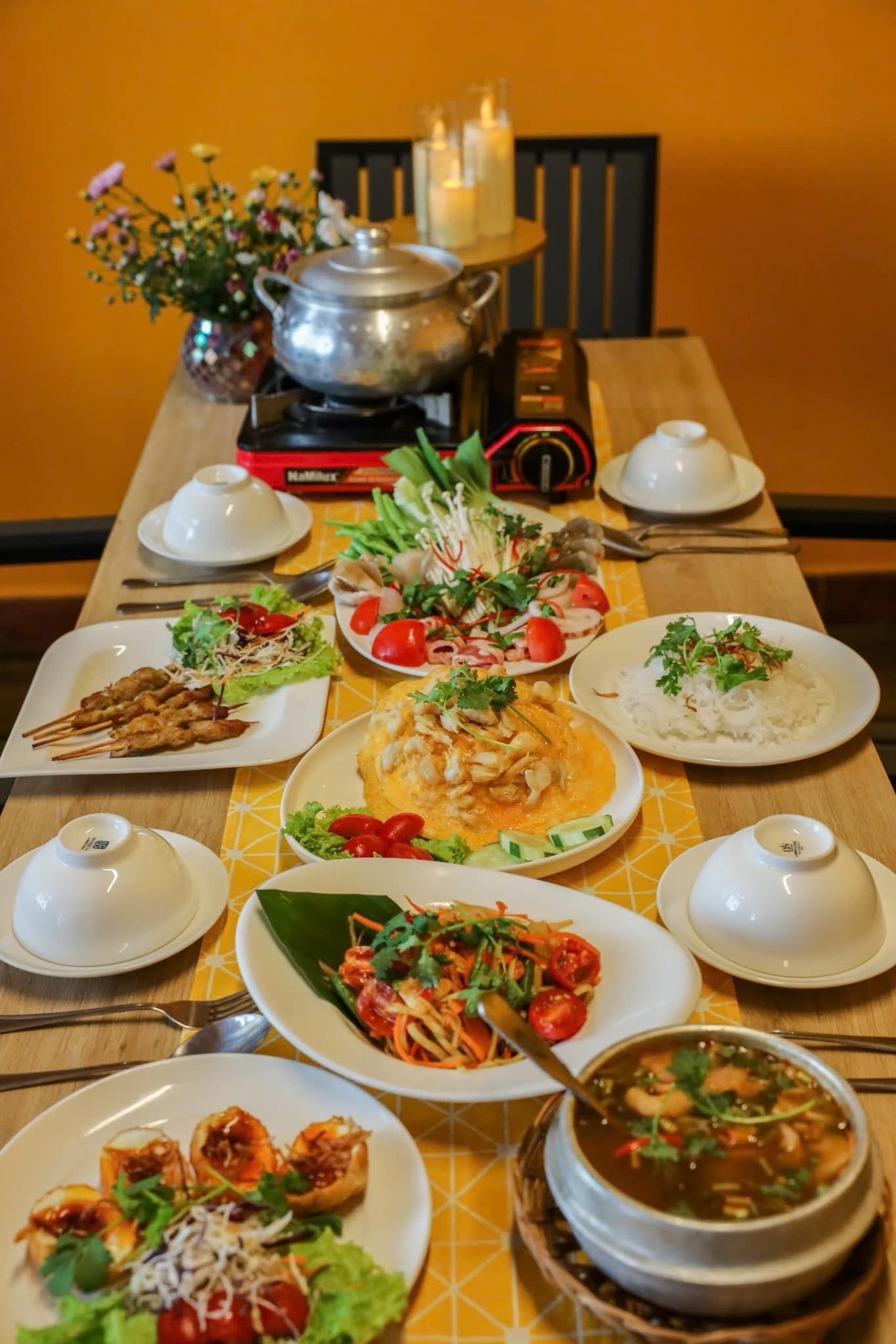
Bars in A Lat
Browse all →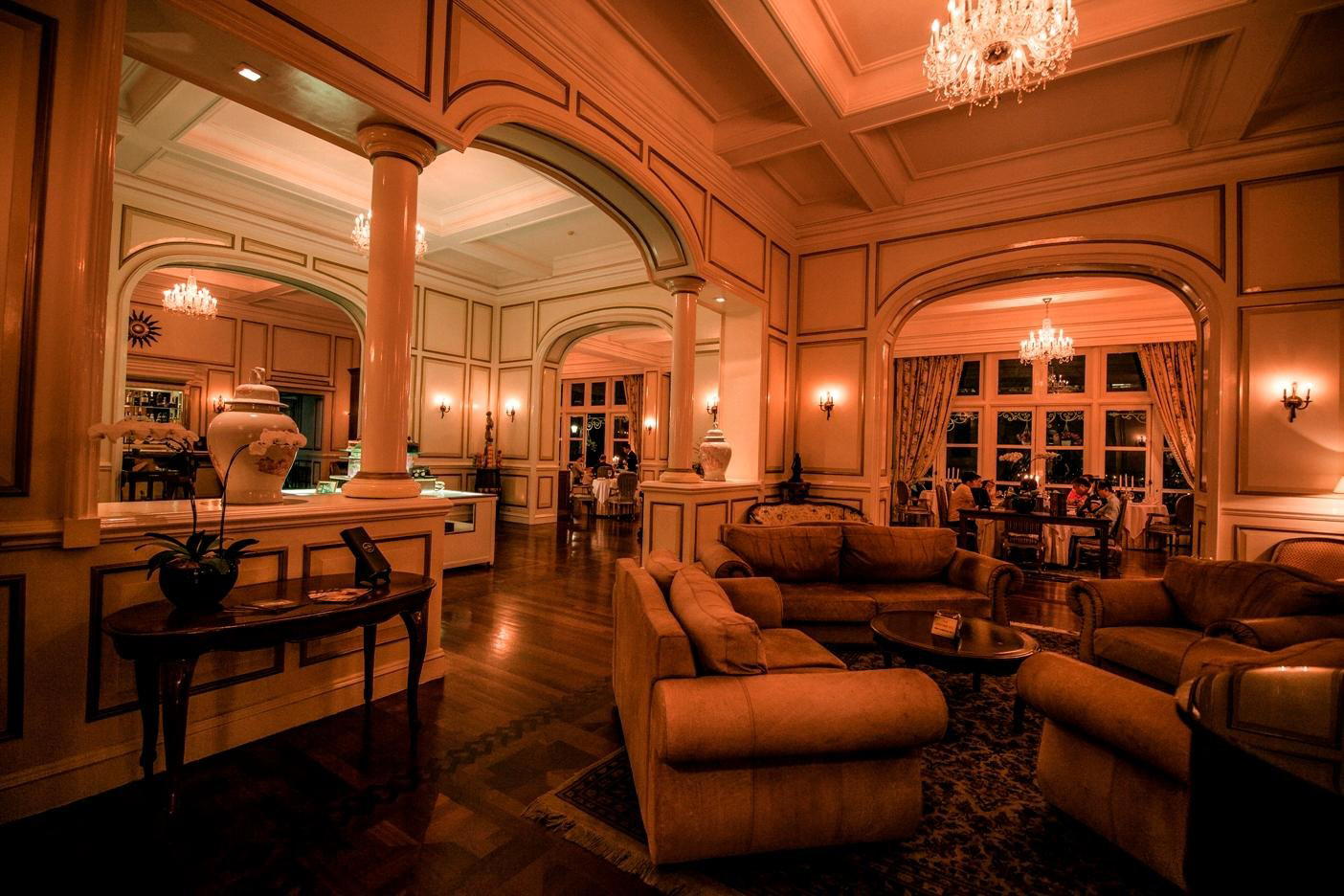
Hotels in A Lat
Browse all →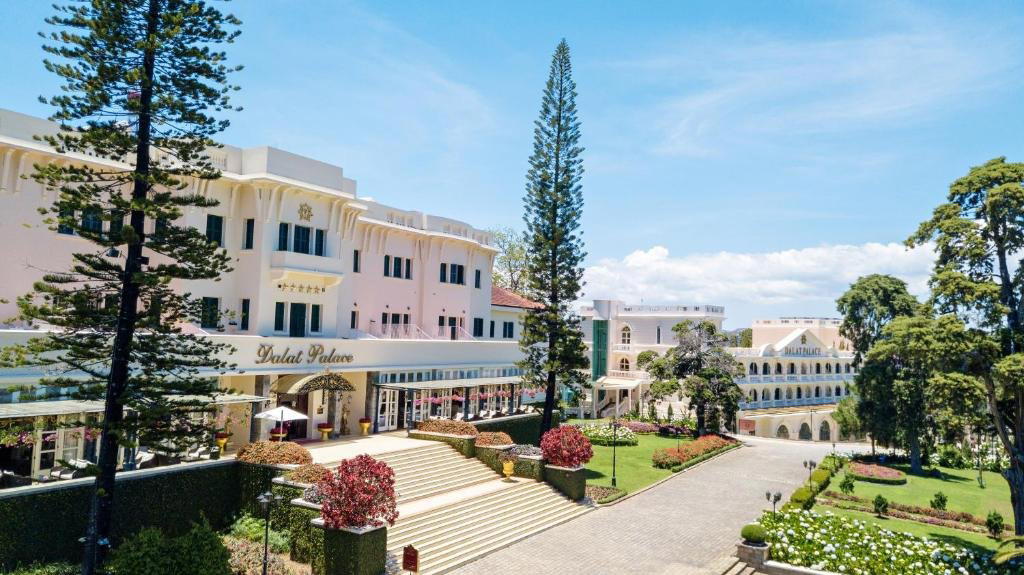
At a Glance
- Cozy
- Intimate
- Date Night
- Casual Hangout
- Craft Cocktails
Current opening hours
- Monday
- 6:30 PM–12 AM
- Tuesday
- 6:30 PM–1 AM
- Wednesday
- 6:30 PM–1 AM
- Thursday
- 6:30 PM–1 AM
- Friday
- 6:30 PM–1 AM
- Saturday
- 6:30 PM–1 AM
- Sunday
- 6:30 PM–1 AM
Hours can change for holidays and private events. Last verified .
Cozy and warm ambiance with great music.
Know Before You Go
- Getting there
- Cuối hẻm 20, Hùng Vương, Phường 10, Đà Lạt, Lâm Đồng 66117, Vietnam