Kiyo Dalat sits at 18 Đ. Yết Kiêu in the heart of Đà Lạt, a highland city whose cool climate and French-colonial history have shaped a dining scene unlike any other in Vietnam. The address places it within walking distance of Đà Lạt's central market district, where the city's agricultural abundance — strawberries, artichokes, temperate vegetables — feeds both street stalls and sit-down restaurants. For context on the wider scene, see our full A Lat restaurants guide.
Pearl is the En Primeur Club membership app — saves, bookings, and concierge access live there. Same editors, same standards.
- Address
- 18 Đ. Yết Kiêu, Phường 6, Đà Lạt, Lâm Đồng, Vietnam
- Phone
- +84988434009
- Directions
- Get directions
 Saves & bookings on Pearl
Đà Lạt's Dining Scene and Where Kiyo Fits
Vietnam's central highlands produce a dining culture that operates by different rules than the coastal cities. Đà Lạt sits at roughly 1,500 metres elevation, which gives it a temperate climate that yields ingredients — temperate-zone vegetables, stone fruits, artichokes, local strawberries — that no lowland Vietnamese city can source as easily. That agricultural specificity has shaped a restaurant scene with unusual range: French-influenced bistros tracing back to the colonial-era hill-station identity, Vietnamese comfort dining built around the highland produce, and, increasingly, East Asian formats that draw on the city's tourist traffic from South Korea, Japan, and Taiwan. Kiyo Dalat, located at 18 Đ. Yết Kiêu in Phường 6, occupies a city where the question of culinary identity is genuinely open, and where that openness creates space for formats that would read as niche elsewhere.
The address itself matters for orientation. Phường 6 sits close to Đà Lạt's central market and the tourist core around Xuân Hương Lake, which means foot traffic is high and competition for the dining-out visitor is direct. In this corridor, a restaurant stakes its position not just on cuisine type but on the specific atmosphere it delivers against a backdrop of flower-strewn lanes and perpetual cool-season mist. For a fuller map of what the city offers across price points and formats, our full A Lat restaurants guide covers the range.
The Cultural Roots of the Format
The name Kiyo signals a Japanese sensibility, and the broader context is worth understanding before reading the venue itself. Japanese dining formats have taken particular hold in Vietnamese highland and coastal cities over the past decade, partly because Japanese food culture's emphasis on ingredient quality maps well onto regions, like Đà Lạt, where produce quality is genuinely refined. A Japanese-leaning restaurant in this city is not simply importing a foreign concept: it is making a argument that the highland ingredients and the Japanese culinary approach are a credible pairing. That argument is made with varying degrees of conviction across Vietnamese cities. In Ho Chi Minh City, Akuna demonstrates how Japanese-influenced thinking can anchor a serious urban dining proposition. In Hanoi, Gia shows how ingredient-led discipline translates to a fine dining register. Kiyo Dalat operates in a different register, a highland city with a more casual visitor profile, but the underlying logic of ingredient respect connects across all three settings.
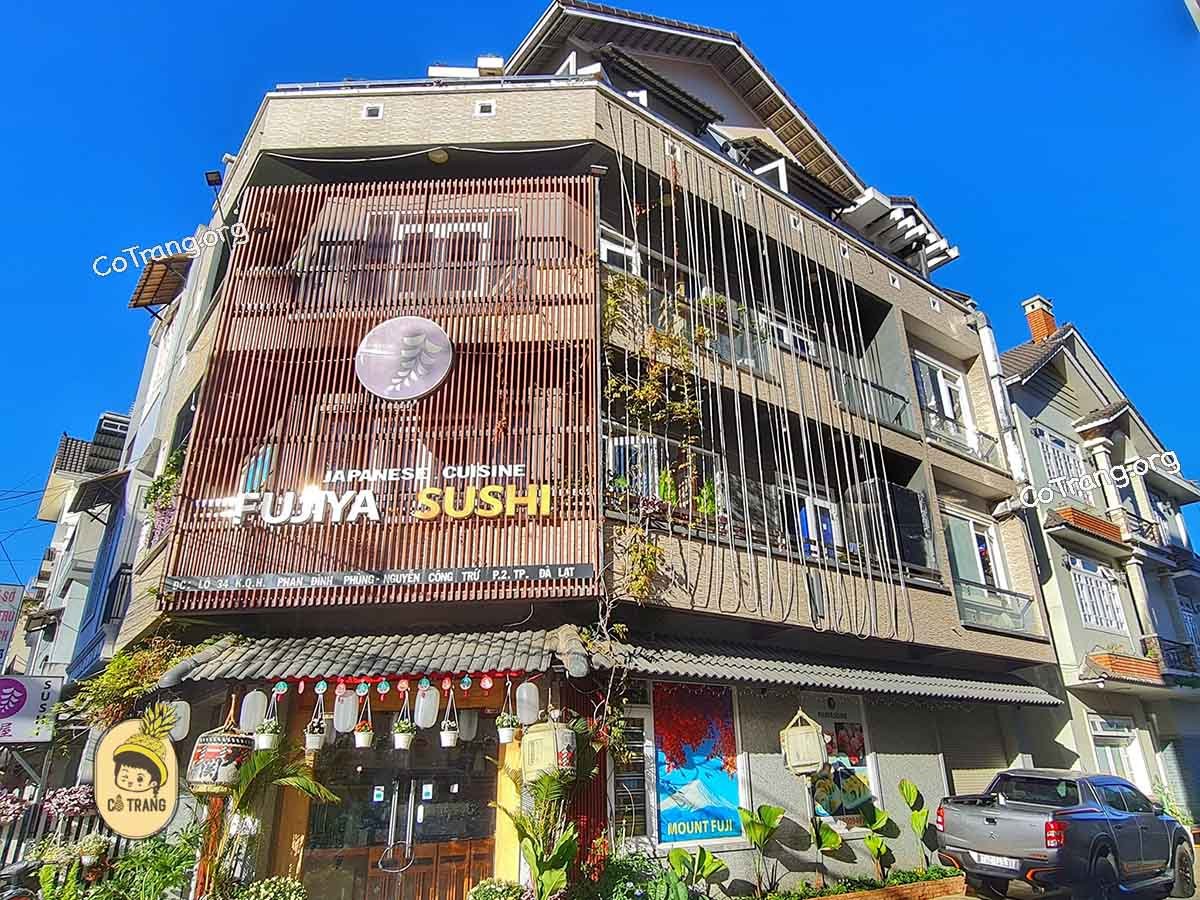
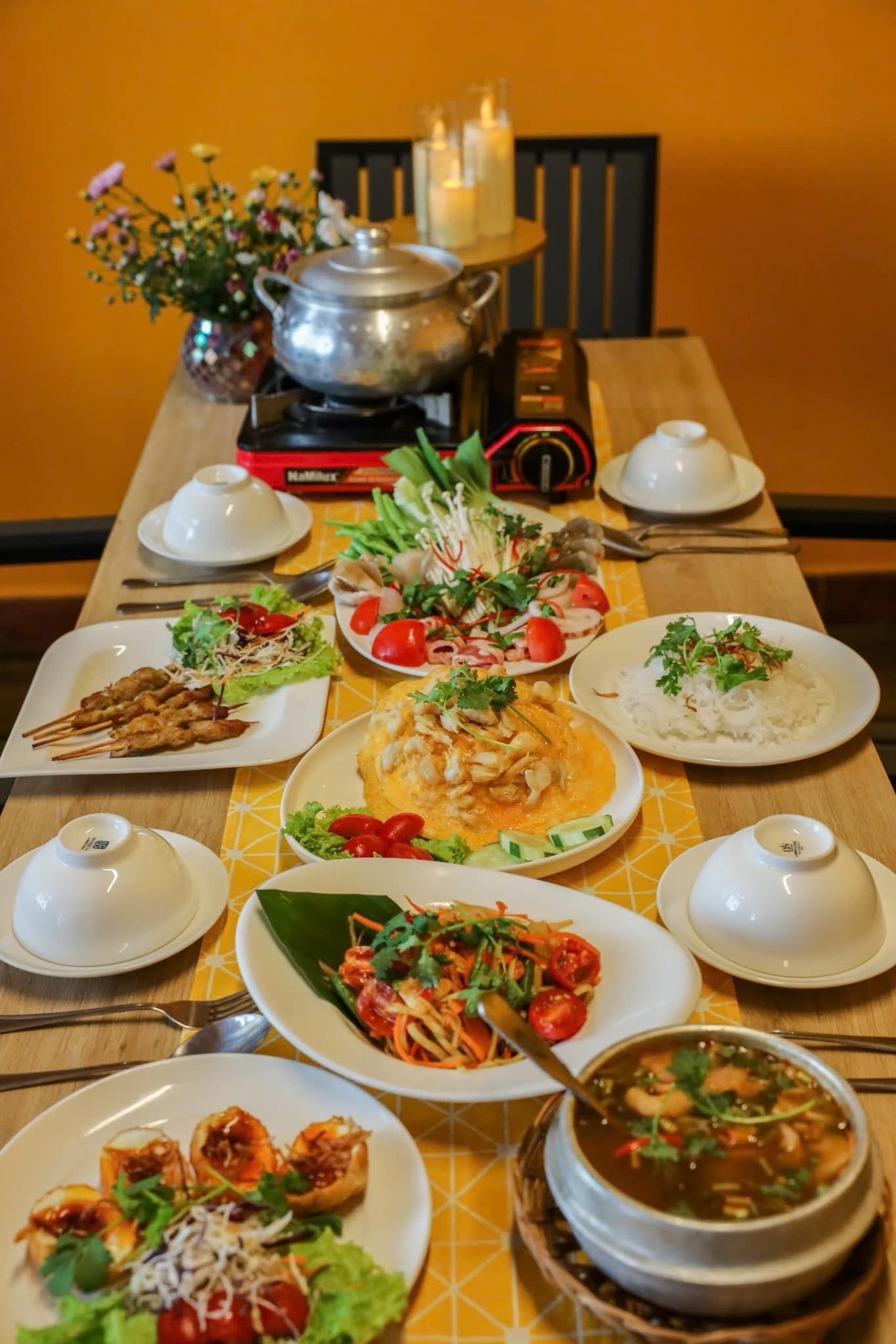
For comparison within Đà Lạt itself, the city's international restaurant tier includes Fujiya Sushi Đà Lạt, which operates in the Japanese format explicitly, and Happy Thái Đà Lạt, which anchors the Southeast Asian side of the international offer. These venues collectively suggest that Đà Lạt's visitor base is diverse enough to sustain multiple non-Vietnamese cuisine formats simultaneously, a marker of a maturing restaurant scene rather than a novelty-driven one.
Atmosphere and the Physical Environment
Approaching Đ. Yết Kiêu in Phường 6, the visual register is consistent with central Đà Lạt: narrow streets, low-rise shophouses, the persistent cool that distinguishes this city from every other significant Vietnamese urban centre. At any time between October and March, Đà Lạt's peak cool-dry season, when temperatures can drop to 12°C at night, the approach to a restaurant on this street carries a particular quality of light and air that lowland Vietnamese cities do not offer. The environment primes a certain kind of attentiveness in the diner that warmer, louder cities do not.
What can be said is that the venue sits within a street-level retail and dining zone where space is typically compact by international standards, and where the relationship between the interior and the cool street outside tends to be more porous than in air-conditioned urban restaurants elsewhere in Vietnam.
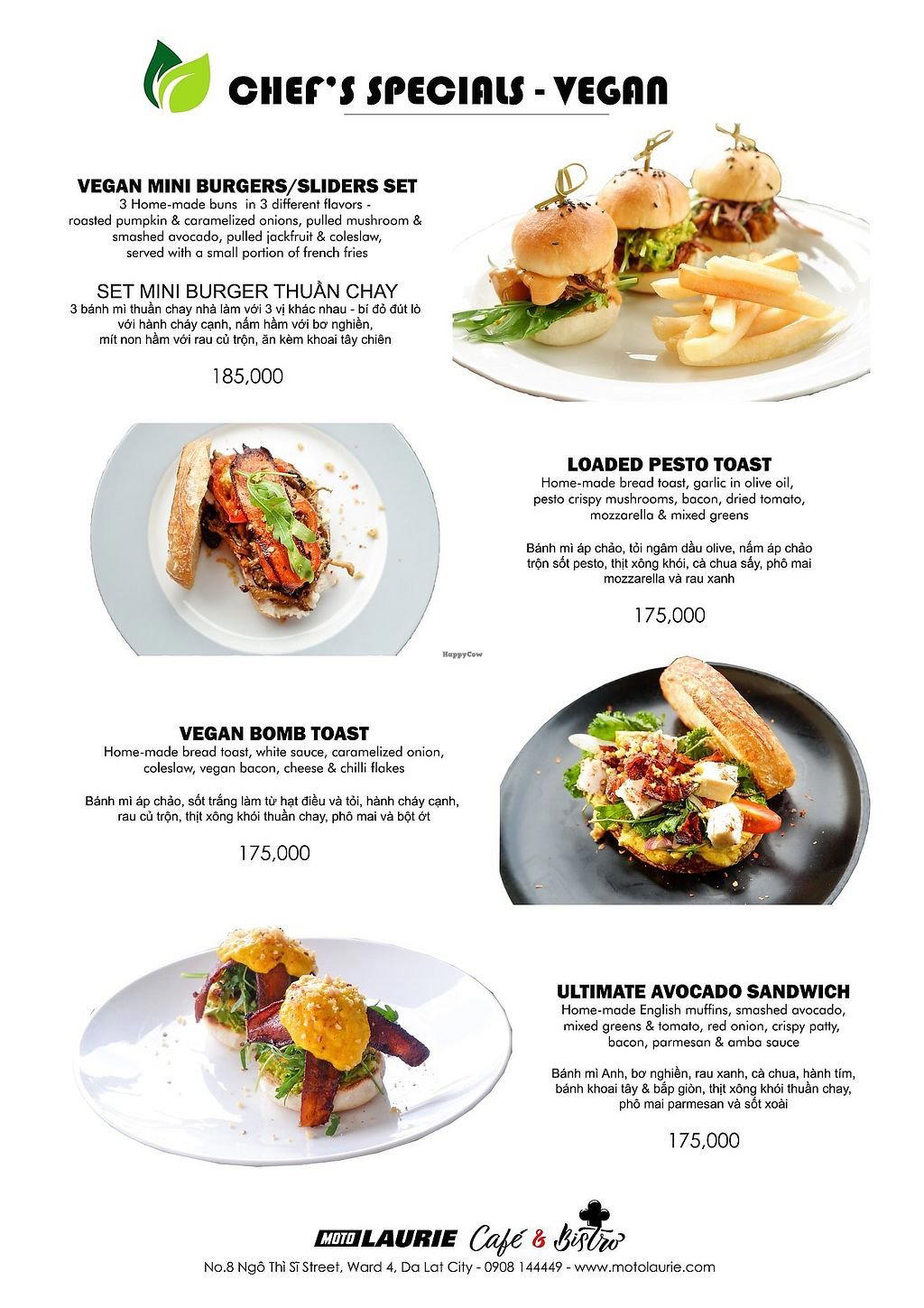
Đà Lạt's mid-tier restaurant scene is increasingly defined by cafes and bistros that blend food and atmosphere into a single proposition, places where the room is as much the product as the plate. Moto Laurie Cafe & Bistro and Rainy Rhythm both represent this format, as does Lee's Pizza House in the western-casual bracket. Kiyo Dalat, with its Japanese-leaning identity, operates in a distinct register from this cafe-bistro cluster, one that signals a specific cuisine commitment rather than an all-day atmospheric format.
Across Vietnam more broadly, the upper end of dedicated Japanese dining is anchored by venues like La Maison 1888 in Da Nang, which sits at the formal end of the country's fine dining spectrum. Kiyo Dalat does not claim that register, the city and street context suggest a more accessible price point and a more casual format, but the cuisine tradition it draws from has a clear line of cultural seriousness running through it, from the omakase counters of Tokyo down to the neighbourhood sushi bars that dot Vietnamese cities. Understanding where Kiyo sits on that continuum requires visiting; understanding the continuum itself is what makes the visit legible.
For reference on how Japanese-adjacent formats perform in other Vietnamese settings, Bien 14 Seafood Buffet in Ha Long and White Rose in Hoi An offer contrasting data points on how seafood and ingredient-led dining read across different Vietnamese city types. Further afield, Atomix in New York City and Le Bernardin in New York City sit at the extreme formal end of what ingredient discipline and cultural specificity can achieve in a restaurant, a useful calibration for how seriously the underlying culinary logic behind Japanese dining can be taken at its highest expression.
Planning Your Visit
Kiyo Dalat is located at 18 Đ. Yết Kiêu, Phường 6, Đà Lạt, walkable from the central market and the lake district. Đà Lạt is accessible by overnight bus from Ho Chi Minh City (roughly seven to eight hours) or by a short flight into Liên Khương Airport, approximately 30 kilometres south of the city centre. Visiting during the dry cool season (November through February) gives the leading weather and the most atmospheric version of the city, though the trade-off is higher tourist density around the central restaurant zone. Phone, hours, and booking method are not available in verified records; arriving in person or checking current social media listings for the venue is the most reliable approach for current operational details. Đà Lạt's restaurant scene moves quickly, and ground-level confirmation is worth the extra step.
Other venues in the region worth cross-referencing for planning purposes include Jollibee in Kon Tum, King BBQ Vincom Kiên Giang in Rach Gia, Dookki in Minh Xuan, GoGi House in Bac Lieu, and Big Bowl in Cam Ranh for a sense of how chain and independent formats compete across the broader central and southern Vietnamese market.
Continue exploring
More in A Lat
Restaurants in A Lat
Browse all →
Bars in A Lat
Browse all →
Hotels in A Lat
Browse all →
At a Glance
- Cozy
- Intimate
- Date Night
- Casual Hangout
- Craft Cocktails
Current opening hours
- Monday
- 4 PM–12 AM
- Tuesday
- 4 PM–12 AM
- Wednesday
- 4 PM–12 AM
- Thursday
- 4 PM–12 AM
- Friday
- 4 PM–12 AM
- Saturday
- 4 PM–12 AM
- Sunday
- 4 PM–12 AM
Hours can change for holidays and private events. Last verified .
Cozy and atmospheric, resembling an intimate cocktail bar.
Know Before You Go
- Getting there
- 18 Đ. Yết Kiêu, Phường 6, Đà Lạt, Lâm Đồng, Vietnam