Thai Food in the Highlands: What Da Lat Does Differently Da Lat sits at roughly 1,500 metres above sea level, and that elevation shapes everything about what grows here. The Central Highlands province of Lam Dong supplies a significant share of...
Pearl is the En Primeur Club membership app — saves, bookings, and concierge access live there. Same editors, same standards.
- Address
- 21 Đ. Nguyễn Văn Cừ, Phường 1, Đà Lạt, Lâm Đồng, Vietnam
- Phone
- +84908939033
- Website
- happythai.vn
- Directions
- Get directions
 Saves & bookings on Pearl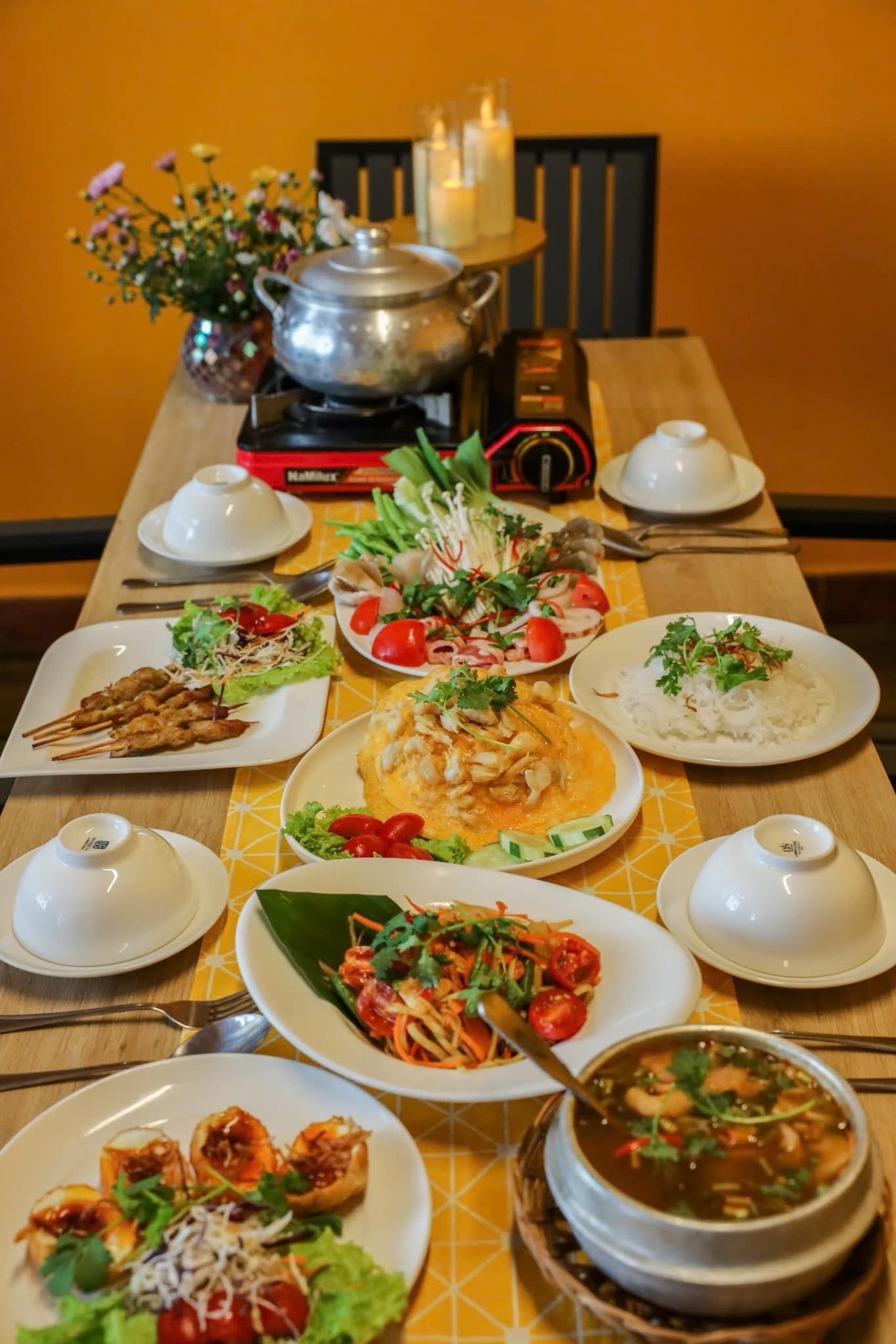
Thai Food in the Highlands: What Da Lat Does Differently
Da Lat sits at roughly 1,500 metres above sea level, and that elevation shapes everything about what grows here. The Central Highlands province of Lam Dong supplies a significant share of Vietnam's temperate vegetables: strawberries, artichokes, cabbage varieties, and a range of fresh herbs that would wilt quickly in the lowland heat. For Thai cuisine in particular, that agricultural proximity matters. The aromatic base of most Thai cooking, from galangal and kaffir lime leaf to Thai basil and lemongrass, either grows nearby or arrives with shorter cold-chain travel than it would face reaching kitchens in Ho Chi Minh City or Hanoi. Freshness at the source is not a marketing claim here; it is a function of geography.
Happy Thái Đà Lạt - Món Thái Ngon Tuyệt is a restaurant in Đà Lạt, Vietnam, serving authentic Thai cuisine at a casual price tier. Happy Thai Da Lat, at 21 Nguyen Van Cu in Phuong 1, operates in a city that has quietly developed a reliable Thai food circuit over the past decade. Vietnamese diners with an appetite for Southeast Asian flavours beyond their own tradition have driven that demand, and Da Lat's cooler climate makes the heavier, coconut-rich dishes of Thailand sit more comfortably than they might at sea level. Curries, hot pots, and slow-braised preparations feel appropriate when the temperature drops into the mid-teens at night.
Ingredient Sourcing and What It Means for the Plate
The editorial case for Thai food in the Vietnamese highlands rests substantially on sourcing logic. Thai cooking relies on fresh aromatics more than almost any other Southeast Asian tradition. Dried substitutes flatten the result noticeably: galangal loses its piney sharpness, lemongrass its citrus lift, and Thai basil its anise edge within days of harvest. A kitchen that can pull from the Lam Dong supply chain, or from growers operating in the surrounding highland districts, starts with a structural advantage that lowland Thai restaurants in Vietnam rarely share.
This is the context in which Happy Thai Da Lat fits, and it is the context that makes Thai dining in Da Lat worth considering as a category distinct from Thai dining in larger Vietnamese cities. The question for any visitor is not simply whether the food is well-executed, but whether the supply chain behind it reflects the city's agricultural character. Da Lat's identity as a producer city, not just a tourist destination, is the relevant frame.
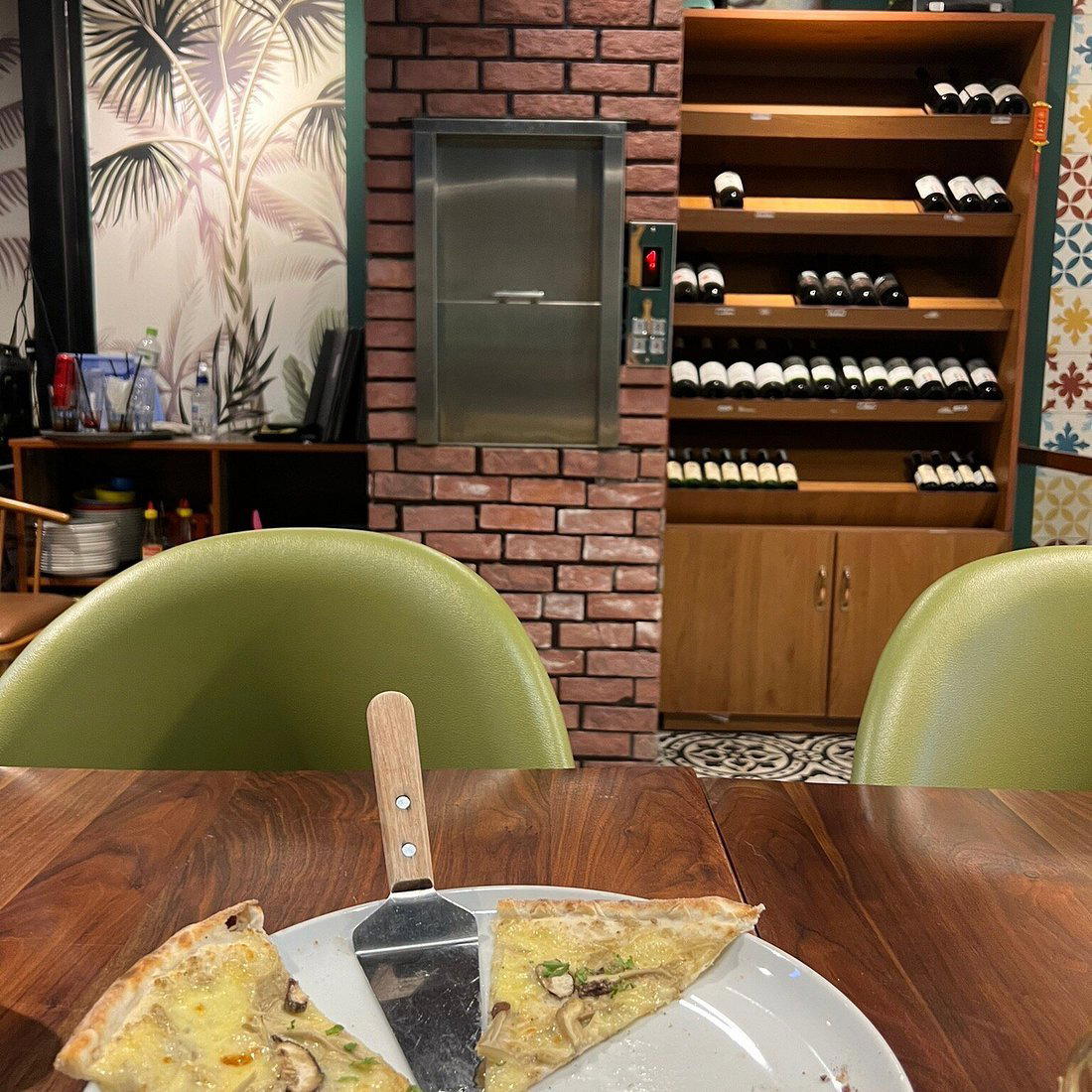
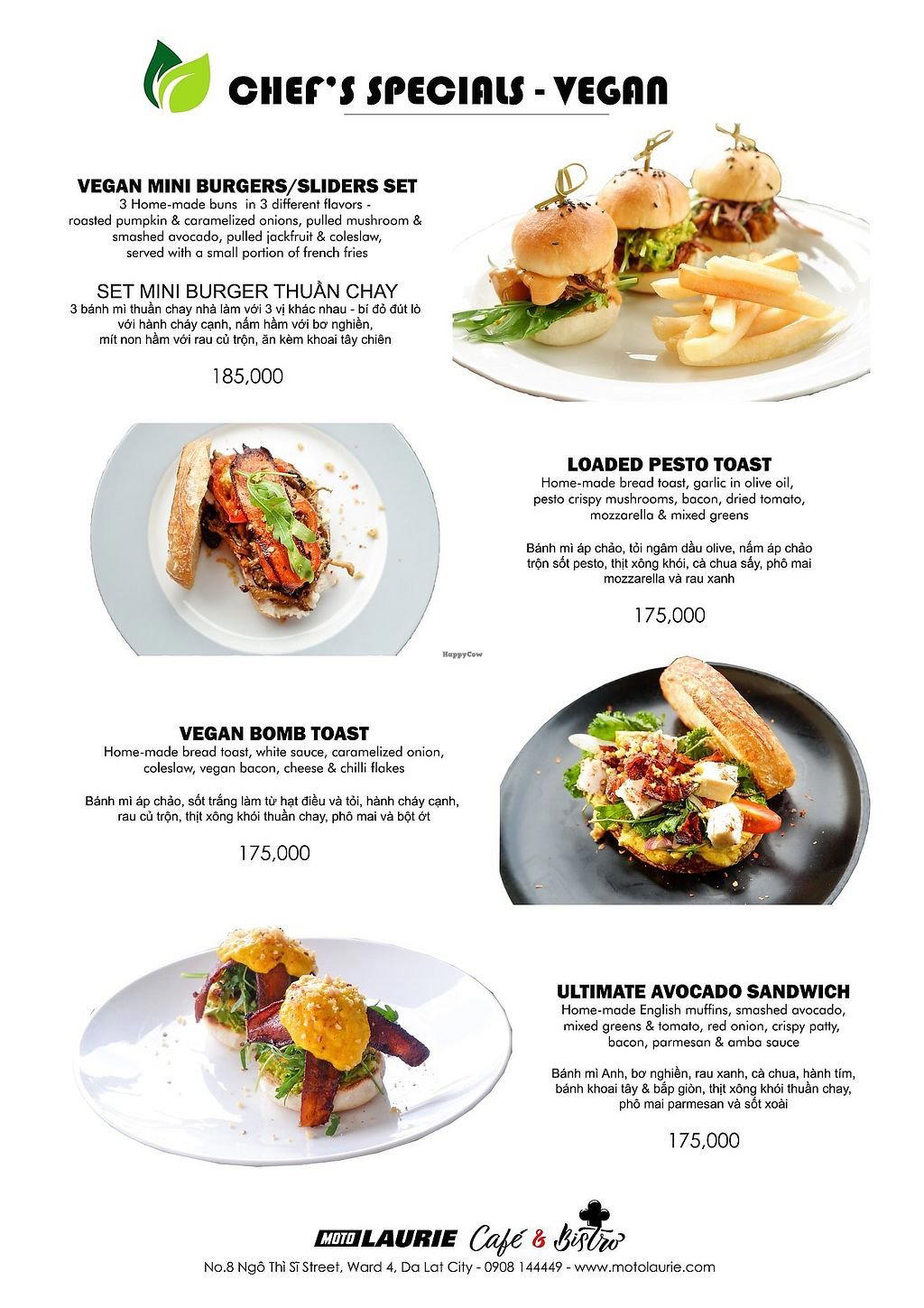
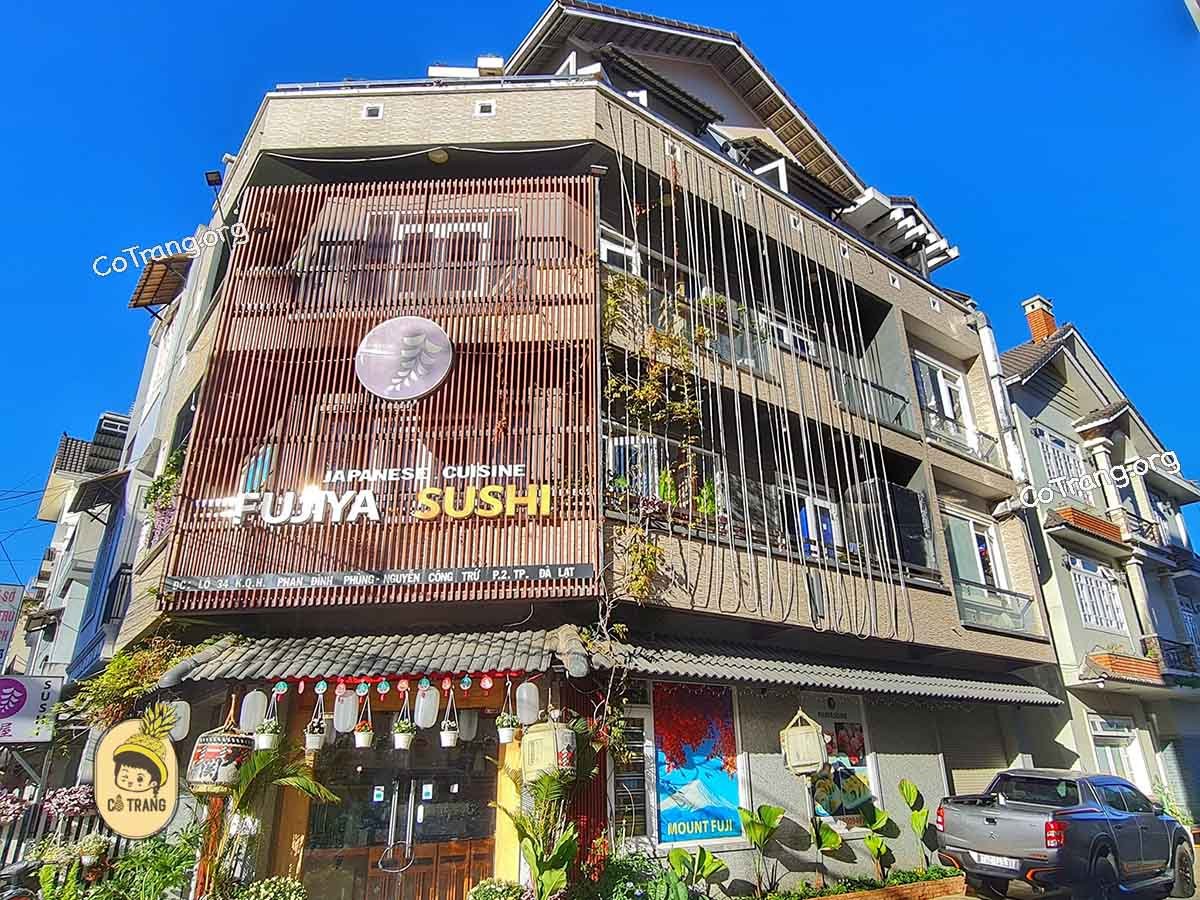
For comparison across Da Lat's broader restaurant scene: Fujiya Sushi Da Lat and Kiyo Dalat both address the Japanese end of the city's international dining range, while Lee's Pizza House and Moto Laurie Cafe and Bistro occupy the casual Western bracket. Thai food sits in a different lane entirely, closer in spirit to Vietnamese cooking's herb-forward approach while arriving from a distinct culinary tradition. Rainy Rhythm is another Da Lat address worth noting for those building a broader itinerary through the city's dining options.
The Da Lat Thai Dining Context
Thai restaurants have proliferated across Vietnamese cities as middle-class dining out has expanded, but not all markets receive the same quality of execution. In Ho Chi Minh City, operations like Akuna operate in a densely competitive environment where the bar for Thai food is set by a well-travelled urban audience. In Hanoi, places like Gia represent a different register of ambition entirely. Da Lat's Thai dining scene is smaller in scale but benefits from the city's ingredient advantages and from a clientele that includes both domestic tourists and a steady stream of visitors who have come specifically for the highland produce and cooler air.
The neighbourhood around Nguyen Van Cu in Phuong 1 is close to the city centre and accessible from Da Lat's main visitor areas. That central position matters practically: Da Lat is compact enough to walk significant portions of it, and Phuong 1 sits within range of the night market zone and the flower gardens that define the city's tourist core. Visitors staying in the central hotel cluster will find this address easily reachable without requiring a taxi or ride-hail booking, which adds logistical convenience for those building a dinner plan around walking.
Vietnam's broader dining spectrum, from the formal French-influenced rooms like La Maison 1888 in Da Nang to the casual seafood formats represented by Bien 14 in Ha Long, reflects how varied the country's dining register has become. Thai food in Da Lat fits into this picture as an informal, aromatic, produce-driven option with a clear sense of place. See also: White Rose in Hoi An for a different regional Vietnamese tradition worth understanding alongside the highland cooking context.
Planning Your Visit
The address at 21 Nguyen Van Cu, Phuong 1 is a fixed reference point in the city's Ward 1, which is Da Lat's central administrative district. The restaurant is walk-in friendly and open daily from 11 AM to 10 PM. Da Lat's restaurant scene is active year-round, but the cooler dry season months, roughly November through March, bring the highest visitor volumes, and popular spots in the centre fill quickly on weekend evenings. Arriving early or targeting weekday visits gives more flexibility.
For those building a wider Vietnam itinerary, the country's dining scene ranges considerably by city. Jollibee in Kon Tum, King BBQ in Rach Gia, Dookki in Tuyen Quang, GoGi House in Bac Lieu, and Big Bowl in Cam Ranh give a sense of how chain and casual dining formats operate across provincial Vietnam. Da Lat's Thai offerings sit apart from that chain register, drawing instead on the city's independent restaurant culture.
- Pad Thai
- Thai Hot Pot
- Tom Yum Soup
- Green Curry Chicken
- Mango Sticky Rice
- Som Tam
- Fried Crab Omelette
At-a-Glance Comparison
Comparable venues nearby, for context on price, style, and recognition.
| Venue | Cuisine | Price | Notes |
|---|---|---|---|
| Happy Thái Đà Lạt - Món Thái Ngon TuyệtThis venue — the venue you are viewing | Authentic Thai Cuisine | $$ | Not listed |
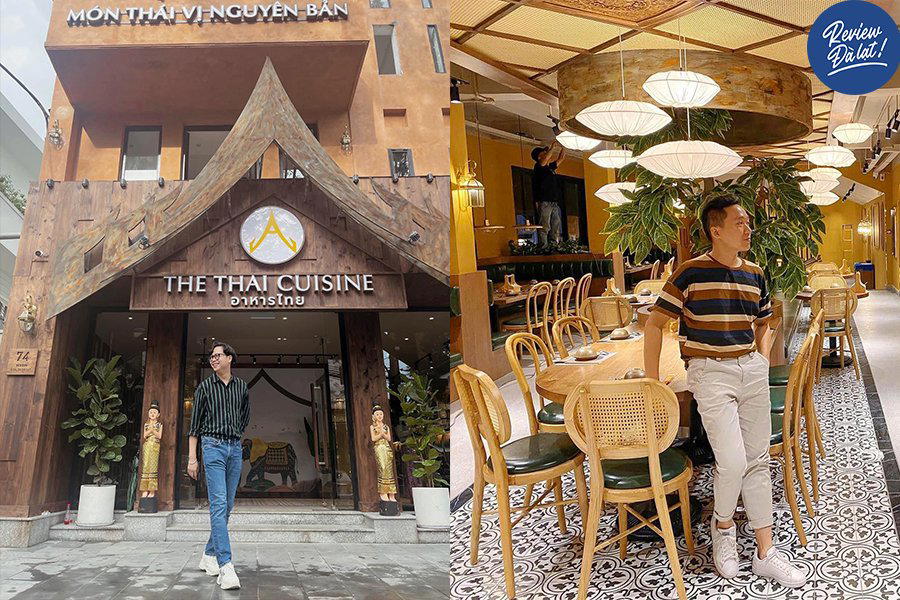
| The Thai Cuisine Đà Lạt | Authentic Thai Cuisine | $$ | Đà Lạt |
| Kiyo Dalat | Japanese | $$ | A Lat |
| Lee's Pizza House | Authentic Italian Pizza | $$ | Da Lat |
| Moto Laurie Cafe & Bistro | Western Bistro with Vegan Options | $$ | Ward 4 |
| Tiệm nướng Campi | Vietnamese Nướng Grill House | $$ | Ward 11 |
At a Glance
- Lively
- Cozy
- Casual
- Group Dining
- Celebration
- Casual Hangout
- Family
- Standalone
- Beer Program
Current opening hours
- Monday
- 11 AM–10 PM
- Tuesday
- 11 AM–10 PM
- Wednesday
- 11 AM–10 PM
- Thursday
- 11 AM–10 PM
- Friday
- 11 AM–10 PM
- Saturday
- 11 AM–10 PM
- Sunday
- 11 AM–10 PM
Hours can change for holidays and private events. Last verified .
Comfortable and welcoming atmosphere with attentive service, designed for special occasions and group gatherings.