Montesacro SoMa
Our verdict
Montesacro SoMa brings the Roman tradition of pinseria to San Francisco's South of Market district, anchoring a pinsa-focused format at 510 Stevenson Street. The genre sits at a specific intersection of ancient grain fermentation and contemporary casual dining, placing this SoMa address within a broader Bay Area conversation about regional Italian specificity over generalist Italian-American templates.

Pearl is the En Primeur Club membership app — saves, bookings, and concierge access live there. Same editors, same standards.
- Address
- 510 Stevenson St, San Francisco, CA 94103
- Phone
- (415) 795-3040
- Hours
- Mon ClosedTue–Thu 11:30 AM–2:30 PM, 4–9 PMFri–Sat 11:30 AM–2:30 PM, 4–9:30 PMSun 11:30 AM–2:30 PM, 4–9 PM
- Website
- montesacro.com
- Directions
- Get directions
- Booking
- Book on OpenTable
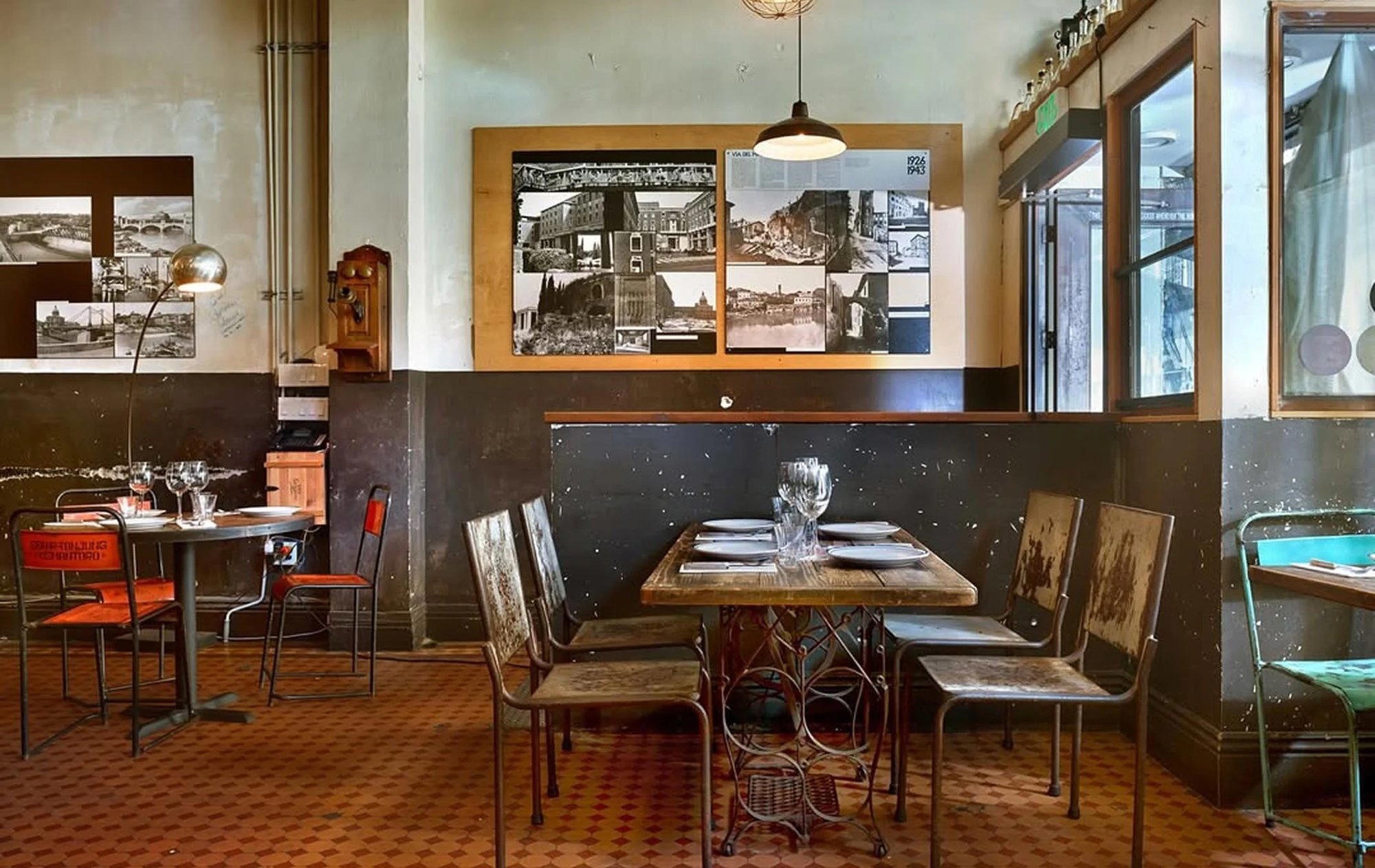
The menu
What to order
- Maranella with spicy pork sausage and burrata
- Tormarancio with soppressata
- Pinsa with mashed potatoes, artichokes, and lamb
The Ritual of Pinsa in San Francisco's South of Market
SoMa has always absorbed dining formats that don't fit cleanly elsewhere in San Francisco. The neighbourhood's industrial bones — wide sidewalks, mid-century warehouse facades, streets that empty and fill on unpredictable schedules — have historically made room for concepts that need space, both physical and conceptual, to find their footing. The Roman pinseria format is one such concept: specific enough to resist dilution, legible enough to hold an audience that knows what it's ordering before it sits down.
Montesacro SoMa at 510 Stevenson Street sits within that tradition. Pinsa romana, for readers encountering the format for the first time, is a distinct Roman flatbread genre rooted in a dough blend that typically incorporates soy, rice, and wheat flours with a high-hydration fermentation process. The result is a crust lighter in texture and lower in gluten density than Neapolitan pizza, with a characteristic oval shape and a surface that holds toppings differently than a round pie. The fermentation time matters considerably here: longer cold fermentation produces a more complex crumb and a crust that chars without turning brittle. These are not minor technical distinctions. They represent a different dining ritual from the moment the bread arrives at the table.
Reading the Room: How the Format Shapes the Meal
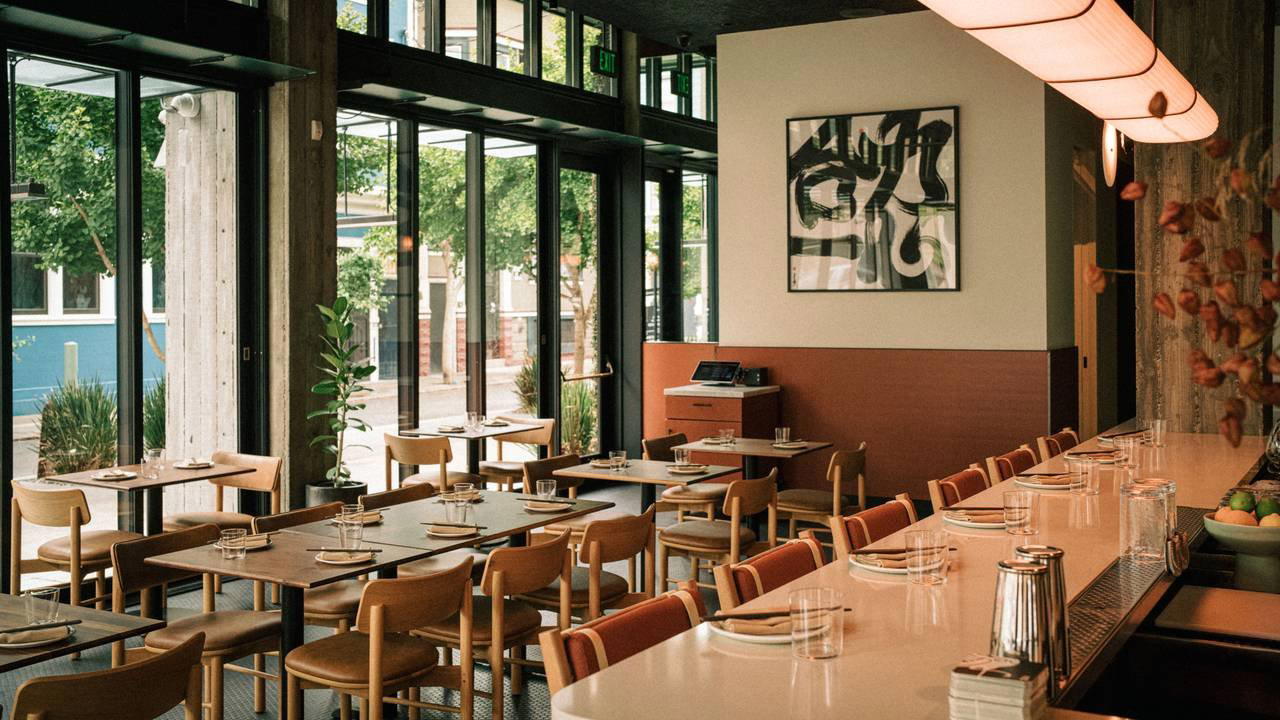
In Rome, the pinseria occupies a specific social register, looser than a sit-down trattoria, more considered than a slice counter. San Francisco's version of that register lands somewhere between a neighbourhood wine bar and a specialist casual, which is an accurate description of where Montesacro SoMa positions itself. The address on Stevenson Street, a short block tucked south of Mission between Fifth and Sixth, gives the space a degree of remove from the louder pedestrian corridors of the neighbourhood.
The dining ritual at a serious pinseria is paced differently from pizza delivery culture. The crust is meant to be eaten slowly enough to notice the crumb structure. Toppings, whether house-cured or sourced from Italian suppliers, are applied with the restraint that a lighter base demands. Overloading a pinsa defeats the point of the dough. Diners who approach the format expecting the density of a deep-dish or the char-forward simplicity of Neapolitan will need to recalibrate their expectations, and that recalibration is part of the experience's value.
The Bay Area's appetite for fermentation-driven food and for regional Italian specificity (rather than the broader Italian-American canon) positions SoMa's pinseria format reasonably well. The same culinary instincts that sustain demand at the higher end of the city's Italian dining, Quince at the contemporary fine-dining tier, for instance, filter down into casual formats as diners become more fluent in regional distinctions. Montesacro SoMa operates well below that price tier but participates in the same civic conversation about what Italian cooking in California can mean when it moves past the red-sauce frame.
SoMa's Dining Position in the Broader San Francisco Scene
San Francisco's restaurant geography has always been neighbourhood-defined. The Mission holds taquerias and natural wine bars. Hayes Valley anchors a certain kind of refined-casual European format. The Financial District runs on expense-account lunch logic. SoMa, by contrast, has absorbed the city's most format-experimental dining, partly because its visitor base, tech workers, conference attendees, arts patrons, skews toward novelty tolerance.
Within that context, a Roman pinseria is a coherent choice for the neighbourhood. It doesn't compete with the tasting-menu tier represented by venues like Benu or Lazy Bear, and it operates at a different register from the progressive Californian formats at Saison or the modern French ambition at Atelier Crenn. The pinseria model fills a gap: specialist enough to attract curious diners, casual enough to anchor repeat visits without the occasion-dining overhead that comes with San Francisco's upper tier.
For context on how this kind of regional Italian specificity plays out in other American cities: Frasca Food & Wine in Boulder has built a national reputation on Friulian specificity rather than generic Italian positioning, and Smyth in Chicago demonstrates that format discipline in a mid-sized American city can sustain serious critical attention. Regional specificity, when executed with consistency, tends to develop a more durable audience than broad-appeal generalism. The pinseria format is a test of that thesis in a San Francisco context.
Across the broader American dining scene, the conversation about Italian regional specificity continues to sharpen. Le Bernardin in New York and Atomix in New York illustrate how rigorous format discipline at any price point builds long-term credibility. At the other end of the scale, Blue Hill at Stone Barns in Tarrytown and Single Thread Farm in Healdsburg show how fermentation and grain-forward thinking can anchor an entire dining identity. Montesacro SoMa works within the same intellectual current, applied to a more accessible format and price point. Further afield, Atelier Moessmer Norbert Niederkofler in Brunico demonstrates how Italian regional commitment can reach the highest critical tier when executed without compromise.
For visitors building a broader San Francisco itinerary, our full San Francisco restaurants guide maps the city's dining character across neighbourhoods and price tiers. Beyond San Francisco, those travelling the West Coast may want to cross-reference Providence in Los Angeles and Addison in San Diego for how California's dining ambition plays out at different points along the coast. For occasion-dining benchmarks further afield, The French Laundry in Napa, The Inn at Little Washington, and Emeril's in New Orleans represent the breadth of American fine dining traditions against which casual specialist formats like Montesacro SoMa should be understood as a distinct, complementary register.
Know Before You Go
- Address: 510 Stevenson St, San Francisco, CA 94103
- Neighbourhood: SoMa (South of Market), San Francisco
- Format: Roman pinseria (pinsa romana flatbread specialist)
- Hours: Confirm current service hours before visiting
- Getting There: Accessible from the Powell Street and Civic Center BART stations; street parking is limited on weekday evenings
Frequently asked questions
What part of town is Montesacro SoMa in?
Montesacro SoMa is located at 510 Stevenson St, San Francisco, CA 94103, San Francisco.
Is pinsa romana at Montesacro SoMa substantially different from Roman-style pizza?
Yes, and the distinction matters before you order. Pinsa romana uses a distinct flour blend — wheat, soy, and rice — and a longer fermentation cycle than most pizza doughs, producing a lighter texture with a more pronounced crisp at the base. The pinseria as a format occupies a different social register than a pizzeria: less casual than a slice counter, less formal than a sit-down trattoria. Montesacro SoMa brings that Roman category to San Francisco's South of Market at 510 Stevenson St.
What dish is Montesacro SoMa famous for?
Montesacro SoMa specialises in pinsa romana, the Roman flatbread built on a multi-flour, high-hydration dough that undergoes a longer fermentation cycle than conventional pizza dough. The format traces its roots to Roman pinserie, where the dough composition — typically a blend of wheat, soy, and rice flours — produces a lighter, crisper result than a standard Neapolitan or New York slice. In San Francisco's South of Market, at 510 Stevenson St, that Roman model holds as the kitchen's central focus.
How far ahead should I plan for Montesacro SoMa?
Timing depends on the week. SoMa draws heavier foot traffic during major convention periods at the nearby Moscone Center, which affects walk-in availability at restaurants along Stevenson St and the surrounding blocks. For weekday visits outside convention season, same-day planning is generally more viable. Weekends and peak conference weeks warrant earlier coordination.
What do critics highlight about Montesacro SoMa?
Editorial attention to Roman pinseria formats in the United States consistently centres on dough integrity: whether the fermentation process holds up outside Rome's specific water chemistry and ambient conditions. At Montesacro SoMa, the format's credibility rests on that same question — how faithfully the high-hydration, long-ferment method translates in a San Francisco production kitchen. The SoMa address, at 510 Stevenson St, places it within a neighbourhood that has absorbed format-specific dining concepts with more patience than other parts of the city.
How does Montesacro SoMa handle allergies?
The pinsa romana dough contains wheat, soy, and rice flour, which is relevant for guests managing grain or legume sensitivities. Those three components are structural to the dough blend, not optional additions, so substitution is limited by the format itself. Guests with specific allergy concerns should contact the venue at 510 Stevenson St, San Francisco, CA 94103 directly before visiting to confirm current preparation protocols.
Peers You’d Cross-Shop
Comparable venues nearby, for context on price, style, and recognition.
| Venue | Cuisine | Price | Notes |
|---|---|---|---|
| Montesacro SoMaThis venue — the venue you are viewing | Roman Pinseria | $30–50 | Not listed |
| Tony's Coal Fired Pizza & Slice House | New York-Style Coal-Fired Pizza | $10–20 | North Beach |
| DAMNFiNE pizza | Wood-Fired Artisan Pizza with California Twist | $20–30 | Sunset/Parkside |
| Per Diem - Financial District | Californian-Italian | $30–50 | Financial District/South Beach |
| Calzone's Pizza Cucina | Italian Pizza and Calzones | Not listed | North Beach |
| Doppio Zero San Francisco | Neapolitan Pizza & Southern Italian | $20–30 | Hayes Valley |
Continue exploring
More in San Francisco
Restaurants in San Francisco
Browse all →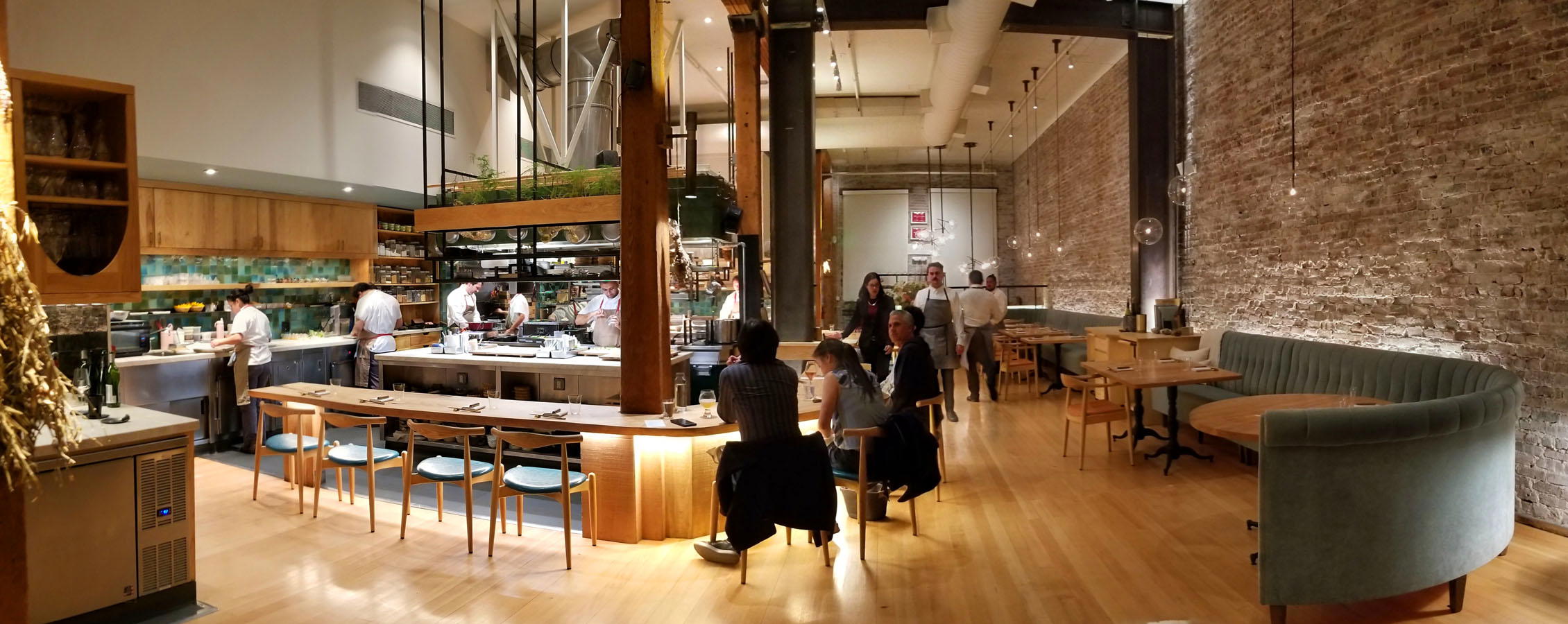
Bars in San Francisco
Browse all →
Hotels in San Francisco
Browse all →
Details
- Cozy
- Trendy
- Intimate
- Date Night
- Casual Hangout
- Late Night
- Open Kitchen
- Extensive Wine List
- Local Sourcing
- A La Carte
- Small Plates
- Vegetarian Friendly
- Vegan Options
- Gluten Free Options
Current opening hours
- Monday
- Closed
- Tuesday
- 11:30 AM–2:30 PM, 4–9 PM
- Wednesday
- 11:30 AM–2:30 PM, 4–9 PM
- Thursday
- 11:30 AM–2:30 PM, 4–9 PM
- Friday
- 11:30 AM–2:30 PM, 4–9:30 PM
- Saturday
- 11:30 AM–2:30 PM, 4–9:30 PM
- Sunday
- 11:30 AM–2:30 PM, 4–9 PM
Hours can change for holidays and private events. Last verified .
Classic trattoria setting with cozy atmosphere.