Raffles London at The OWO
Our verdict
For travellers weighing London's premium hotel addresses, The OWO represents a specific proposition: a landmark conversion where the building's history is the primary material.

Pearl is the En Primeur Club membership app — saves, bookings, and concierge access live there. Same editors, same standards.
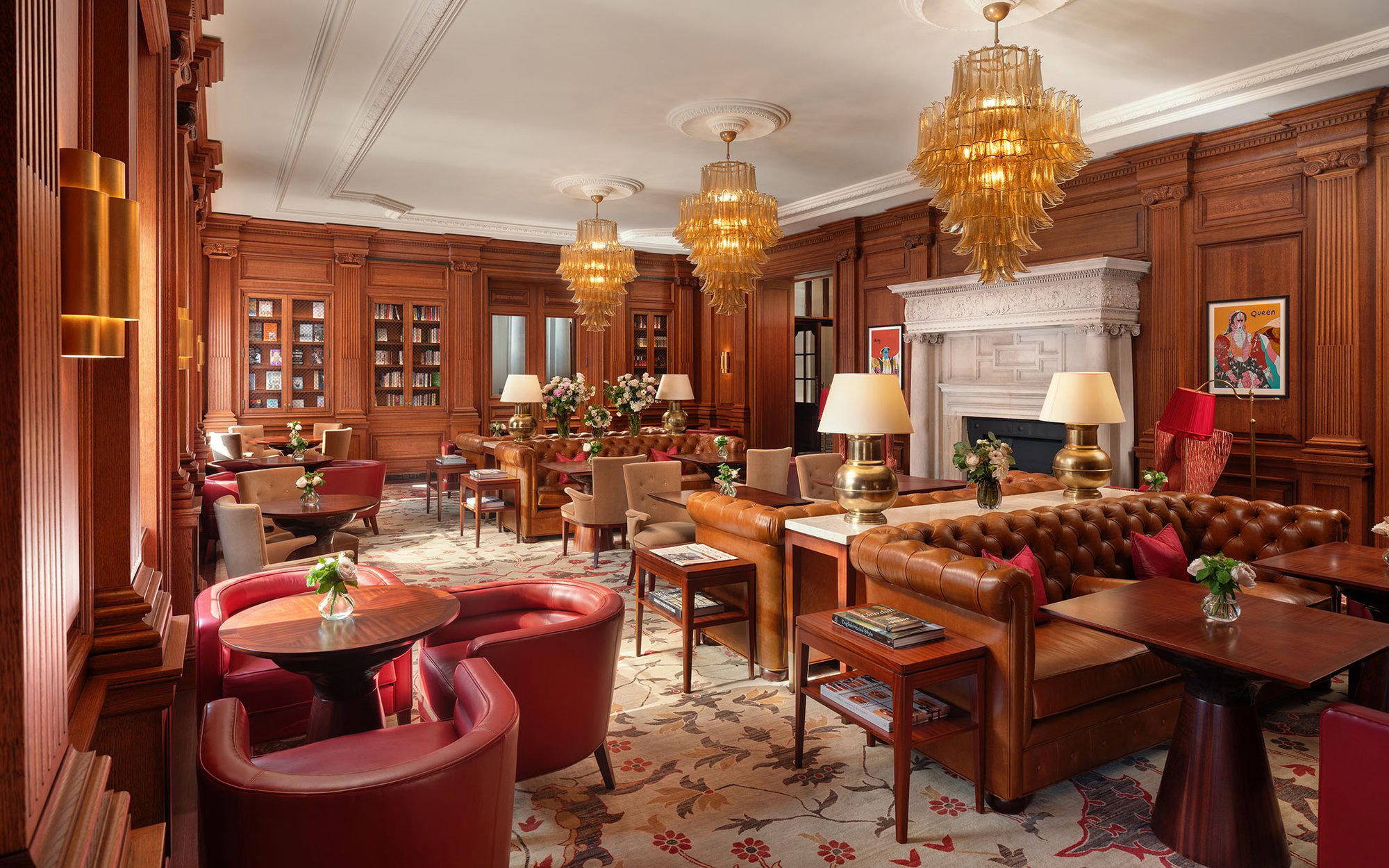
That kind of multi-outlet hospitality programming sits alongside London's other high-density food destinations, including the Rosewood and the Peninsula, but the OWO's scale and the density of its culinary offering are notable even by those standards. The building spans roughly 1.2 million square feet of redeveloped space, with residential units alongside the hotel. For the dining and drinking visitor, the question is less whether the address is impressive and more which parts of the programme merit attention on their own terms.
The Sustainability Dimension in a Heritage-Led Conversion
Heritage conversions at this scale carry an embedded sustainability argument that often goes undiscussed in the broader conversation about responsible luxury. Retrofitting an existing structure of this significance avoids the carbon cost of new construction, and the preservation obligations attached to Grade II* status mean the building's materials, stonework, and architectural fabric are maintained rather than replaced. Across London, the most environmentally considered hotel openings of the past decade have tended to fall into two camps: purpose-built properties pursuing BREEAM or LEED certification from the ground up, and sensitive adaptive reuse projects where the environmental logic is baked into the decision to preserve rather than demolish.
The OWO sits firmly in the second camp. The conservation work required by Historic England's standards means that the embodied energy in the original 1906 structure is retained rather than sent to landfill, which carries a meaningful environmental credit that newer-build luxury hotels rarely achieve. This is not the same as a food programme built around zero-waste kitchens or hyper-local sourcing, and the two should not be conflated. But in the context of London hotel sustainability, the building's history is itself an ecological argument, and one that the broader hospitality industry has been slow to articulate clearly.
For a property operating at this price point, the sourcing practices across nine individual restaurant and bar concepts will vary by kitchen team and format. The concentration of culinary programming under one roof does create efficiencies in supply chain that a single stand-alone restaurant cannot access, and multi-outlet hotel kitchens increasingly use shared procurement to reduce waste across sites. Whether the OWO's programme has formalised those efficiencies is a question leading directed at the property directly; the structure of the offer creates the conditions for it.
Where The OWO Sits in London's Fine Dining Conversation
London's Michelin-starred tier has become increasingly concentrated in Mayfair, Notting Hill, and Chelsea, where addresses like CORE by Clare Smyth, The Ledbury, and Sketch, The Lecture Room and Library operate as destination restaurants in their own right, drawing bookings from across the city and internationally. The OWO's arrival shifts that balance, at least for visitors and central London diners.
The comparison point is not Restaurant Gordon Ramsay or Dinner by Heston Blumenthal, which operate as singular tasting-menu or signature-format destinations. The OWO's model is closer to a food quarter within a hotel, where the aggregated drawing power of multiple concepts serves different occasions across the same visit. That model has precedents in other cities, including at properties like Le Bernardin in New York City and the broader multi-outlet approach associated with ambitious hotel groups globally, though the OWO's integration of that format into a listed building of this stature is a specifically London proposition.enprimeurclub.com/restaurants/waterside-inn-bray-restaurant">the Waterside Inn in Bray, Le Manoir aux Quat'Saisons in Oxford, and Midsummer House in Cambridge are all within a manageable day's travel. The concentration of Michelin recognition further afield, at addresses like L'Enclume in Cartmel, Moor Hall in Aughton, Opheem in Birmingham, Restaurant Andrew Fairlie in Auchterarder, and Gidleigh Park in Chagford, reinforces London's role as a routing hub for serious dining travel. Properties that anchor that routing need to deliver on their own terms, not just proximity. The OWO makes that case through the building itself; the individual restaurant programmes are where the argument is tested night to night.
Those planning shorter regional itineraries might also consider Hand and Flowers in Marlow, hide and fox in Saltwood, or the broader offer catalogued in our full London restaurants guide, which maps the city's current dining character across neighbourhoods and price tiers. For international visitors arriving via programmes like Atomix in New York City, where the booking culture and tasting-menu format signal a specific kind of traveller, The OWO's setting and scale offer a counterpoint: a London experience grounded in political history and architectural weight rather than in the intimate counter format that defines much of the world's most discussed fine dining. Given the scale of the property and the number of distinct dining and drinking spaces, advance research into which specific restaurant or bar is the intended destination is advisable before arrival; the OWO functions less like a single-address booking and more like a small food and drink district within a single building. Nearest stations: Charing Cross and Westminster. Multiple dining and bar concepts on site; check individual outlet booking requirements before visiting.
Frequently asked questions
Would Raffles London at The OWO be comfortable with kids?
The OWO operates at a pitch suited to adult guests and business travellers. The Grade II* listed Edwardian building at 57 Whitehall houses nine dining and drinking concepts, most of which are calibrated for the kind of formal or semi-formal occasion that does not naturally accommodate young children. Families visiting London would find the nearby South Bank or Covent Garden more practical bases.
What kind of setting is Raffles London at The OWO?
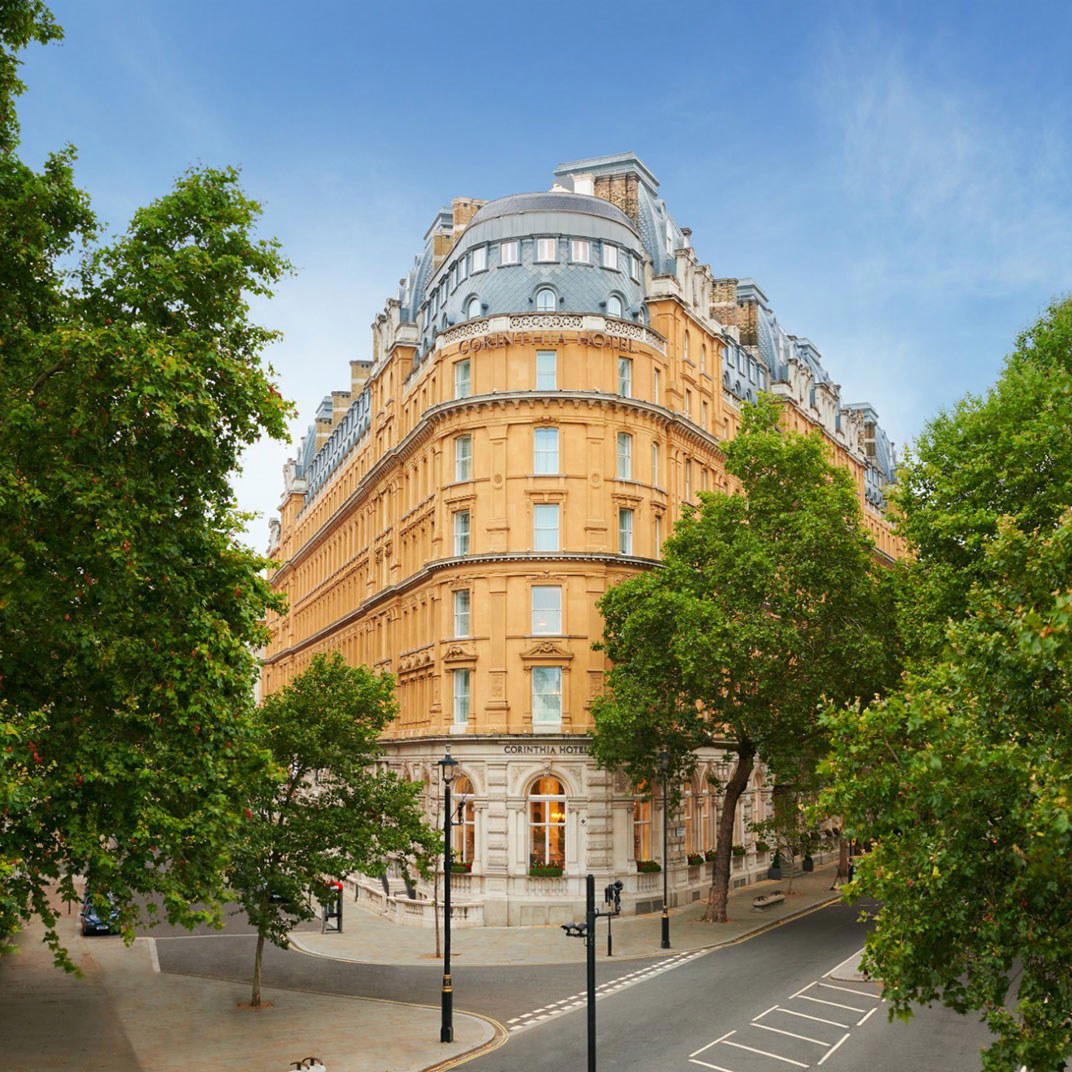
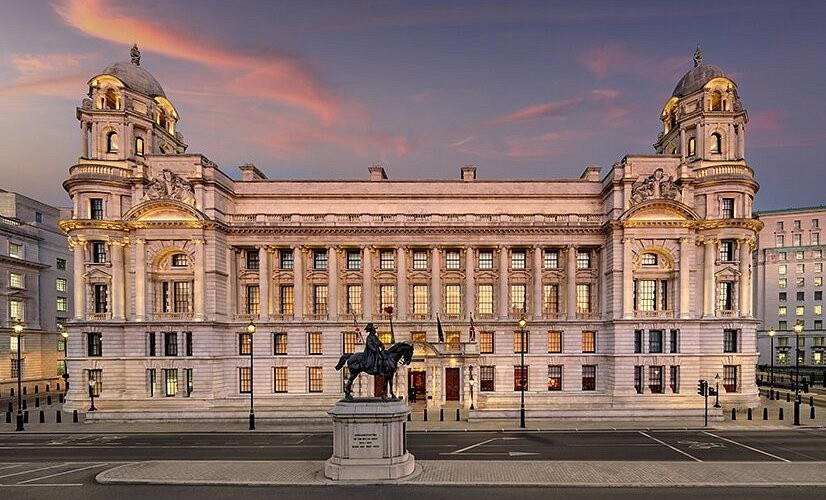
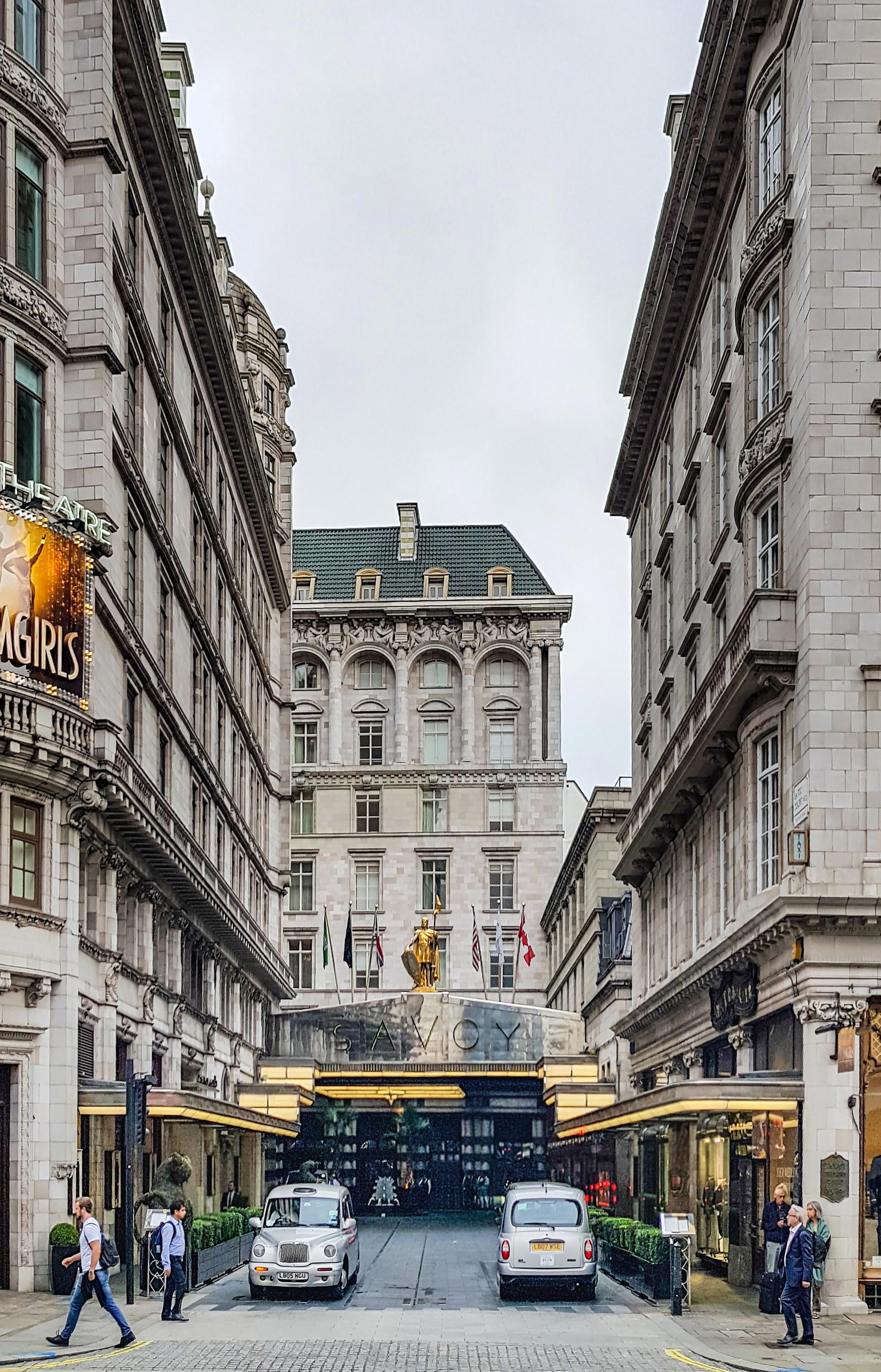
The OWO occupies the former Old War Office on Whitehall, a Grade II* listed Edwardian building that served as a functioning government facility until 2004. Raffles, the Singapore-origin luxury hotel brand, converted it into a hotel with nine distinct restaurant and bar concepts across the property. In central London's premium hotel tier, few addresses combine this degree of institutional history with a multi-outlet food and beverage programme at the same scale.
Is Raffles London at The OWO worth visiting just for the building's history?
The Old War Office at 57 Whitehall was a working government building used by figures including Winston Churchill during the Second World War, and it remained in official use until 2004. That provenance alone makes it one of the more historically layered hotel conversions in London, setting it apart from purpose-built luxury properties in Mayfair or Knightsbridge. The Raffles conversion added nine dining and drinking concepts, so the visit can be structured around the architecture and a single restaurant or bar rather than a full hotel stay.
What dish is Raffles London at The OWO famous for?
With nine restaurant and bar concepts across the property at 57 Whitehall, The OWO does not anchor its identity around a single signature dish in the way a chef-led destination might. Each outlet operates with its own focus, which means the property's reputation is built on the breadth of its dining programme rather than one defining plate. Visitors with a specific cuisine in mind should review the individual restaurant concepts before booking.
What's Raffles London at The OWO's location?
Raffles London at The OWO is located at 57 Whitehall, London SW1A 2BX, United Kingdom, London.
At a Glance
Comparable venues nearby, for context on price, style, and recognition.
| Venue | Cuisine | Price | Notes |
|---|---|---|---|
| Raffles London at The OWOThis venue — the venue you are viewing | Modern Seasonal British | $150–200 | Not listed |
| Macellaio RC Soho - Teatro della carne | Italian Steakhouse | $50–100 | Soho, Italian Steakhouse |
| Akatuki Covent Garden | Premium Omakase & Japanese Kaiseki | $50–100 | Holborn, Premium Omakase & Japanese Kaiseki |
| Curry Room at the Rubens | Authentic Indian Curry House | $50–100 | Victoria, Authentic Indian Curry House |
| Chez Roux | Classic French Bistro | Not listed | Marylebone, Classic French Bistro |
| Signor Sassi | Classic Italian | $50–100 | Knightsbridge, Classic Italian |
Continue exploring
More in London
Restaurants in London
All restaurants in London →
Bars in London
All bars in London →



Raffles London at The OWO
The wine
- Wine program
- Deep wine list
- Extensive wine list
Details
- Elegant
- Sophisticated
- Ornate
- Special Occasion
- Date Night
- Business Dinner
- Hotel Restaurant
- Historic Building
- Extensive Wine List
- Local Sourcing
- A La Carte
- Prix Fixe
- Tasting Menu
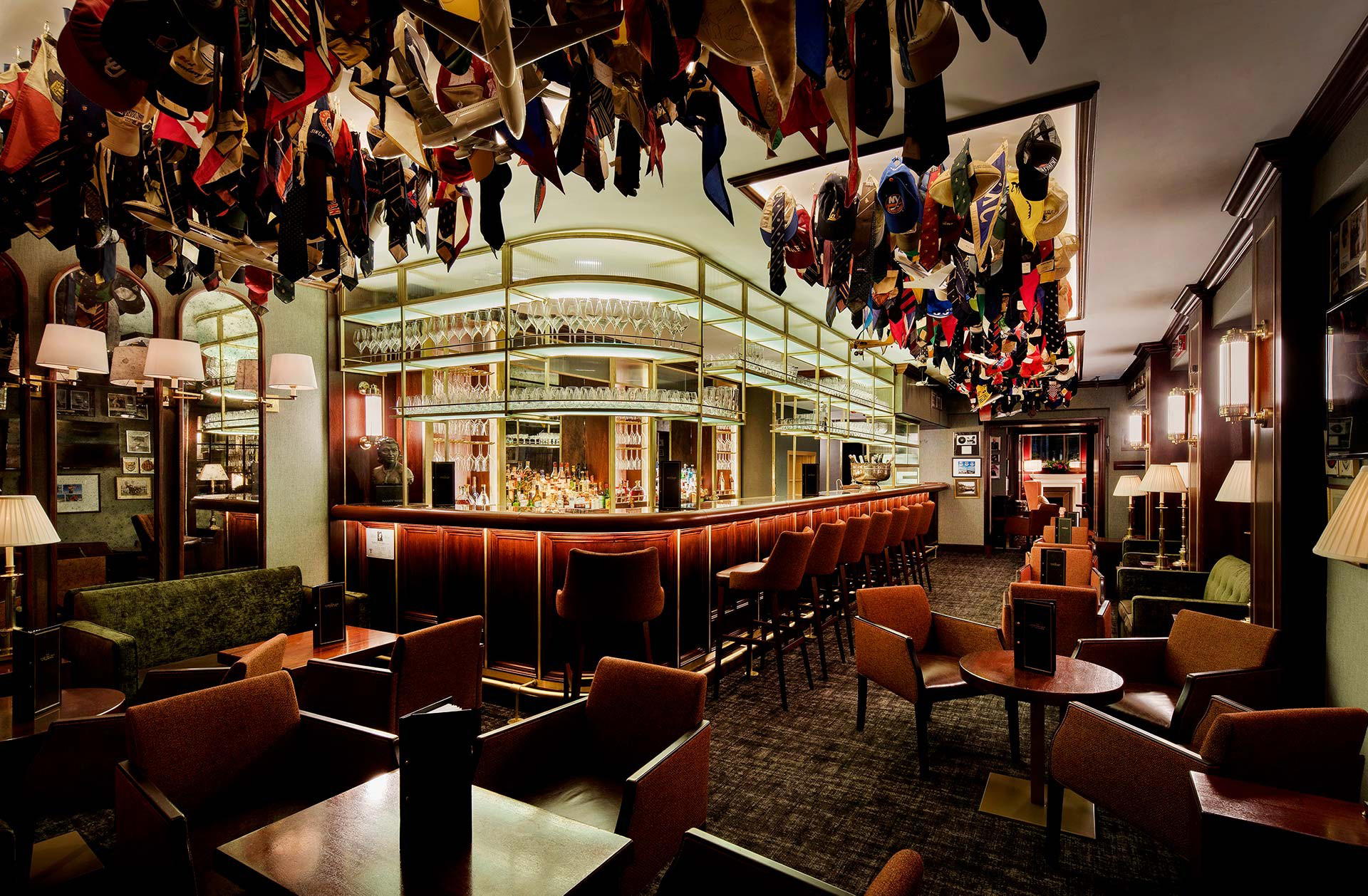
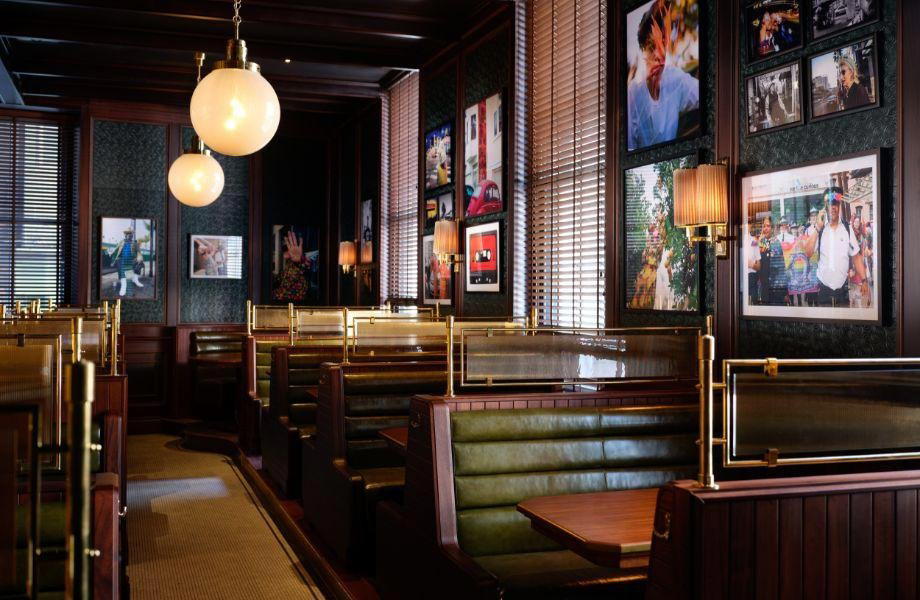
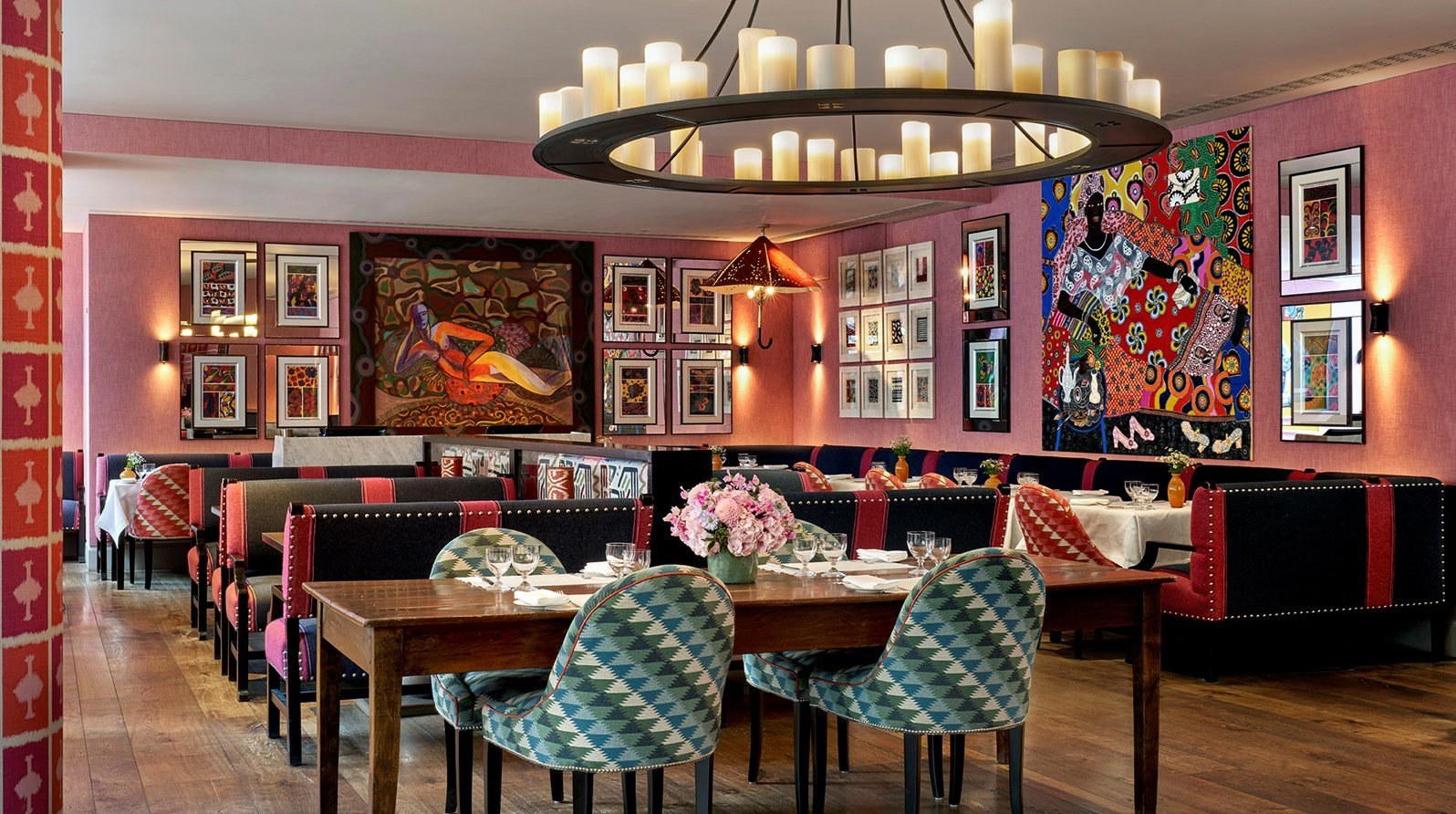
Elegant, comfortable and discreet dining room with sophisticated atmosphere in the grand historic setting of Raffles hotel.