Chez Roux
At the Langham Hotel on Portland Place, Chez Roux carries the weight of a French culinary lineage that shaped the way London eats. The kitchen applies classical technique to produce that tracks British seasons, placing it squarely in the tradition of French-trained cooking adapted for an English address. It is a quieter entry point into that tradition than some Mayfair neighbours, but no less considered.
- Address
- Langhan Hotel, 1C Portland Place, London, W1B 1JA, United Kingdom
- Phone
- 020 7636 1000
- Website
- langhamhotels.com
- Directions
- Get directions
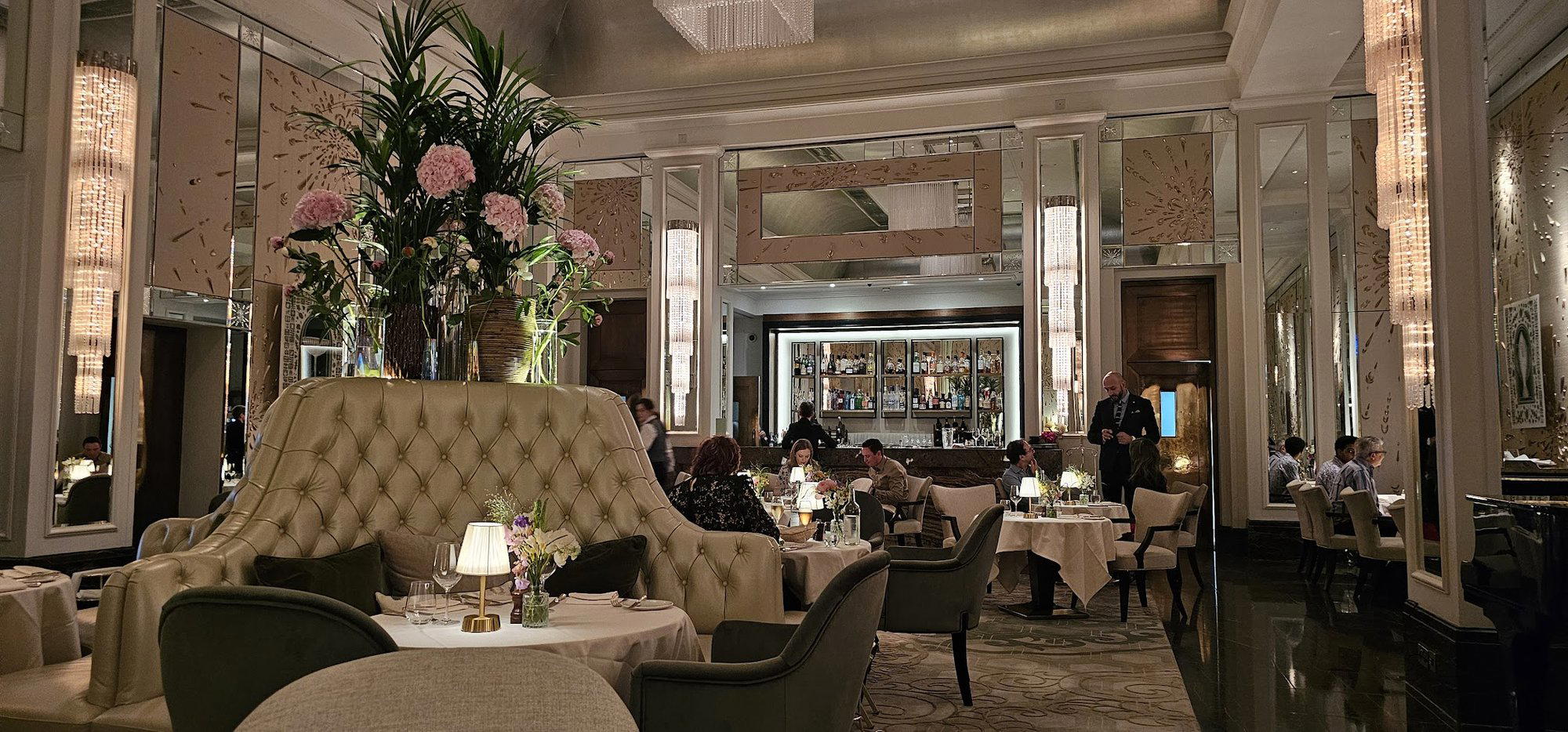
Portland Place and the French Kitchen in London
Chez Roux is a classic French bistro in London, at Langham Hotel, 1C Portland Place, with a price point of about $130 per person. The Langham Hotel, at its southern end, was one of London's first purpose-built grand hotels, and the restaurant that occupies it today carries that institutional weight without leaning on it. Chez Roux belongs to a lineage of French classical cooking transplanted to British soil, a tradition that stretches back to the Roux brothers' arrival in London in the 1960s and the slow conversion of the city's dining establishment to French professional standards. That history is not decorative here; it shapes what the kitchen does and how it positions itself against the city's current fine-dining tier.
London's French-influenced fine-dining category has splintered considerably over the past two decades. At one end sit three-Michelin-star operations like Restaurant Gordon Ramsay and Sketch, The Lecture Room and Library, where French technique is pushed through a highly personal, often theatrical lens. At another sits a middle tier where the grammar is French but the vocabulary is increasingly sourced from British farms, coastlines, and growing seasons. Chez Roux occupies that second space, where the value proposition is less about novelty and more about execution within a known tradition.
Technique Imported, Produce Rooted
The editorial angle that makes Chez Roux legible as a dining destination in 2024 is the same one that has defined the upper end of British restaurant cooking for thirty years: French method applied to indigenous ingredient. This approach, now so common in London that it reads as a default rather than a position, was in large part a project of the Roux family. The braising temperatures, the reduction work, the precision around stocks and sauces, these are Continental disciplines. But the raw material, at any kitchen that takes the approach seriously, is British: aged beef from domestic herds, day-boat fish from English and Scottish waters, game from upland estates, root vegetables from kitchen garden suppliers.
Where this matters practically is in seasonal rhythm. Spring menus in this tradition read differently from autumn ones. British asparagus, available for a narrow window from late April through June, has a different character from the imported Peruvian variety that fills supermarket shelves in February. Grouse season, which opens on 12 August, reorients game menus through autumn. A kitchen working in this French-classical-on-British-produce register is, structurally, a seasonal kitchen, even when that isn't foregrounded in the marketing. Visiting in November differs from visiting in May, and that temporal dimension is part of what gives the tradition its integrity.
For context on how other kitchens in the broader UK landscape manage this same intersection, L'Enclume in Cartmel and Moor Hall in Aughton both operate with similar French-technical foundations applied to hyper-local northern English produce. Gidleigh Park in Chagford represents the same tradition anchored in Dartmoor sourcing. The Roux approach, in London, is an urban expression of the same principle: technique travels, provenance does not.
The Langham Context
Hotel restaurants in London carry a particular burden. The assumption, rarely stated but widely held among the city's dining community, is that hotel kitchens are built to serve guests rather than to attract destination diners. That assumption has eroded significantly over the past decade, Dinner by Heston Blumenthal at the Mandarin Oriental being the cited counter-example, but it persists in the way hotel restaurants are considered relative to their standalone peers.
The restaurant at the Langham navigates this by trading on name lineage rather than independent award accumulation. The Roux name functions as a trust signal in a way that few British culinary brands can match: it references a documented, decades-long track record of producing kitchens and chefs who define the country's fine-dining vocabulary. Core by Clare Smyth and the sustained influence of The Ledbury both trace, at varying removes, to the training culture that the Roux family introduced. That lineage gives the hotel setting a credibility that direct hotel-restaurant positioning would not.
For visitors using the Langham as a base, the restaurant represents a coherent extension of the hotel's own positioning in the upper tier of London's traditional grand hotel category. For destination diners, it requires more active justification against the standalone competition on Great Portland Street and across Marylebone and Mayfair. The case rests on the combination of formal French execution, British seasonal sourcing, and the relative quiet of Portland Place compared to the louder central addresses.
How Chez Roux Sits in the Wider London Scene
London's fine-dining tier is dense enough that positioning requires precision. The three-star cohort, Gordon Ramsay, Sketch, Alain Ducasse at The Dorchester, operates at price points and formality levels that self-select their audience. The two-star and one-star bracket, where quality is documented but the experience register is broader, offers more room for different dining intentions. The restaurant, with Roux credentials and a hotel address, competes in a comparable set that includes other formally trained French-influenced kitchens operating outside the leading Michelin tier.
For comparison, hide and fox in Saltwood and Hand and Flowers in Marlow both demonstrate how French-trained rigor applied to British produce translates across different settings and price registers outside London. Internationally, the approach echoes in kitchens like Le Bernardin in New York City, where French classical discipline is the non-negotiable foundation and the produce origin is the variable. The through-line is technique as infrastructure, not as aesthetic statement.
Closer to home, The Fat Duck in Bray and Atomix in New York City represent the opposing impulse: kitchens where technique itself has become the subject, rather than the means by which produce is expressed. The restaurant belongs firmly to the other tradition, where the technique is in service rather than on display.
Planning a Visit
Portland Place is a short walk from Oxford Circus and Regent Street, with direct Underground access at Oxford Circus (Bakerloo, Central, Victoria lines) and Great Portland Street (Circle, Hammersmith and City, Metropolitan lines). The Langham's address places it at the northern end of Regent Street's arc, which means it is accessible without requiring navigation through particularly congested retail sections of the West End. Booking ahead is advisable, particularly for weekend dinner, when hotel guests and neighbourhood regulars compete for the same tables.
Peers You’d Cross-Shop
Comparable venues nearby, for context on price, style, and recognition.
| Venue | Cuisine | Price | Notes |
|---|---|---|---|
| Chez RouxThis venue — the venue you are viewing | Classic French Bistro | $$$$ | Not listed |
| Coda Restaurant | Modern French Fine Dining | $$$$ | Kensington Gardens |
| Atelier Robuchon London | Modern French Fine Dining | $$$$ | Mayfair |
| Galvin at Windows | Modern French Haute Cuisine | $$$$ | Mayfair |
| Balthazar | Classic French Brasserie | $$$ | Covent Garden |
| Brasserie Joel | Classic French Brasserie | $$$ | South Bank |
Continue exploring
More in London
Restaurants in London
Browse all →
Bars in London
Browse all →
Hotels in London
Browse all →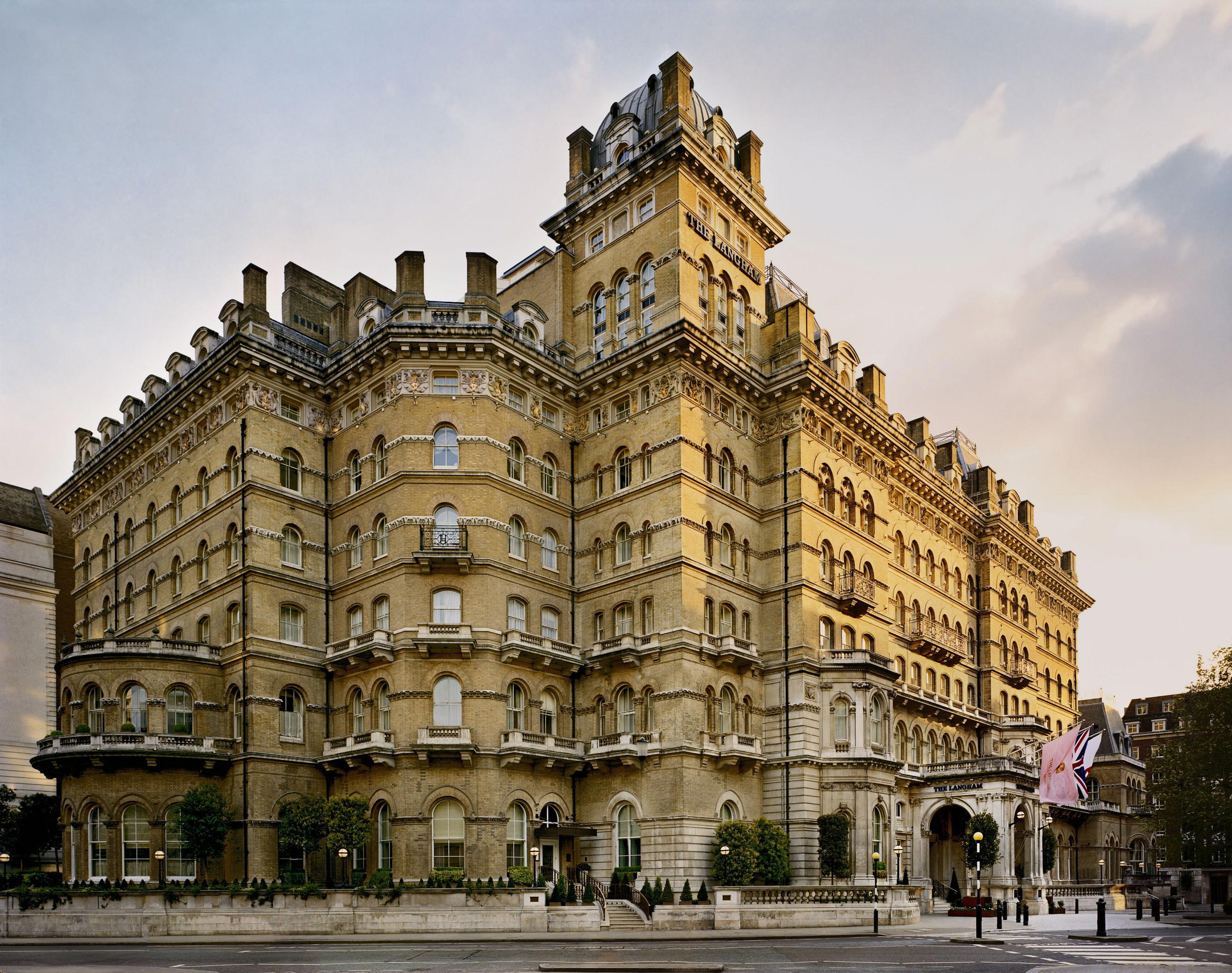

At a Glance
- Elegant
- Classic
- Sophisticated
- Special Occasion
- Business Dinner
- Hotel Restaurant
- Historic Building
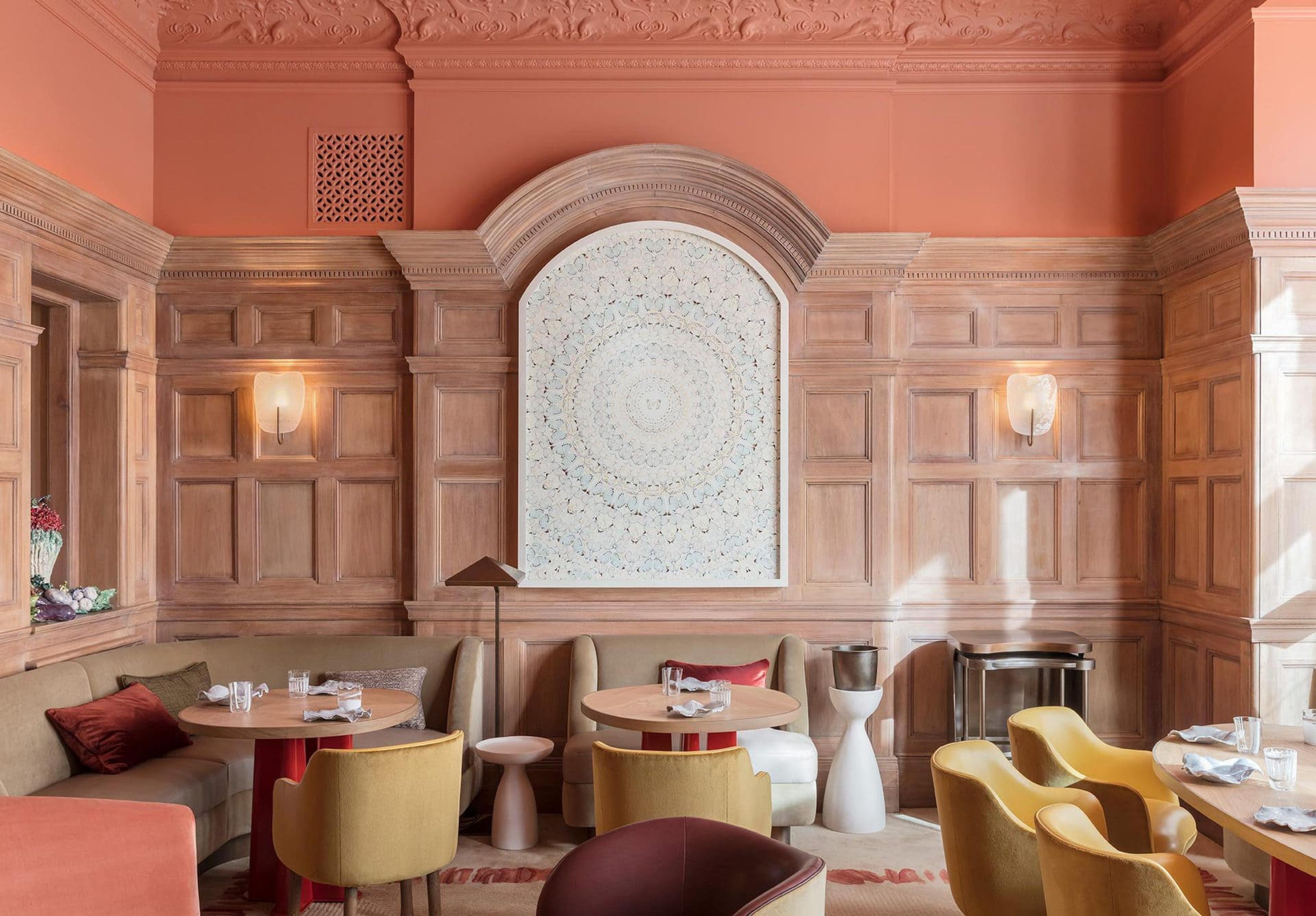
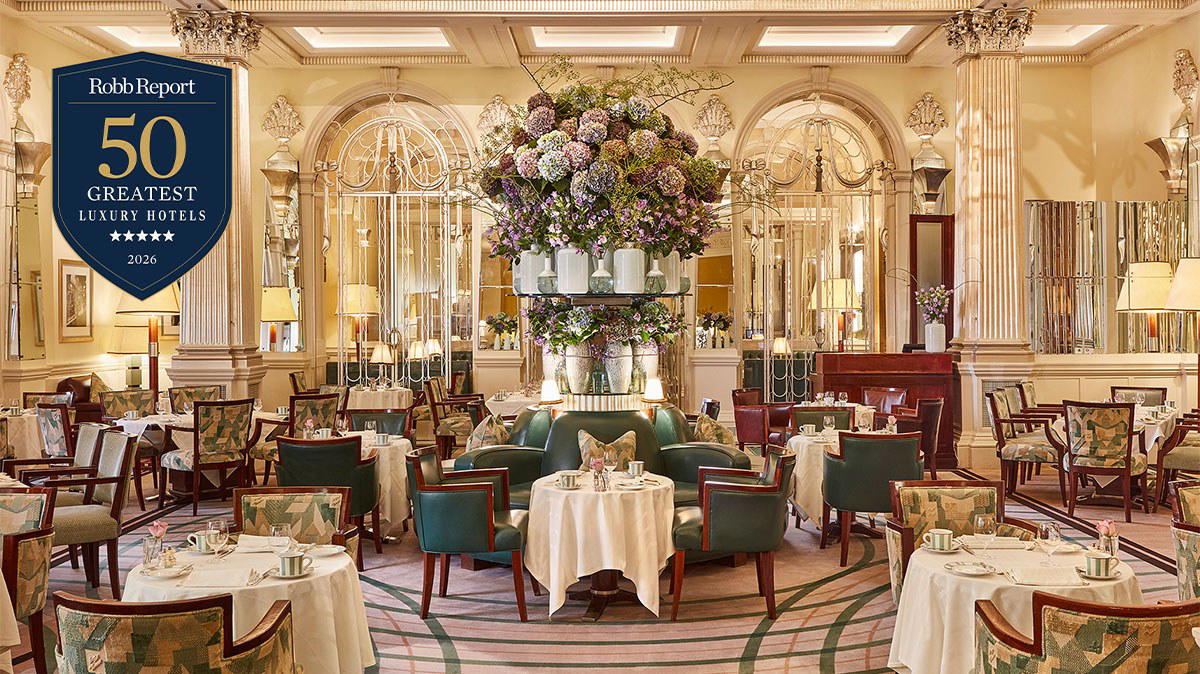
Relaxed lounge dining feel in the grand, historic Palm Court with contemporary decor, nicely lit, and a comfortable yet elegant atmosphere.