Alex Dilling at Hotel Café Royal





A two-Michelin-starred Modern French table inside the grand Hotel Café Royal on Regent Street, Alex Dilling operates in London's upper bracket of formal French dining. Provenance-led sourcing, Cornish sardines, Scottish girolles, Kaluga caviar, anchors a kitchen that ranked 80th on La Liste's global list in 2026. Dinner service runs Tuesday through Saturday, with Saturday lunch the only midday option.
Pearl is the En Primeur Club membership app — saves, bookings, and concierge access live there. Same editors, same standards.
- Address
- 68 Regent St., London W1B 4DY, United Kingdom
- Phone
- +44 20 7459 4022
- Website
- alexdilling.com
- Directions
- Get directions
 Saves & bookings on Pearl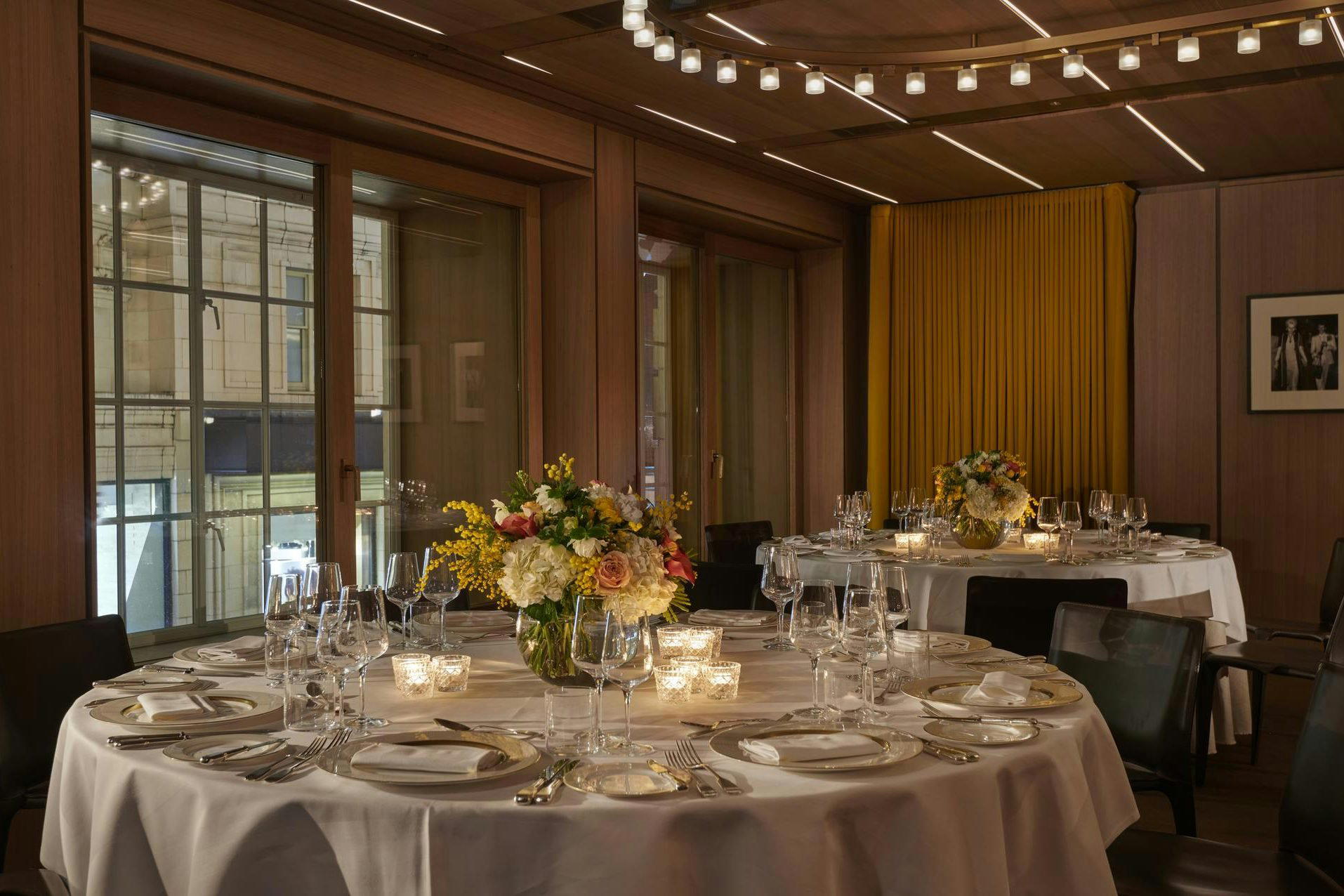
A Grand Address, a Precise Kitchen
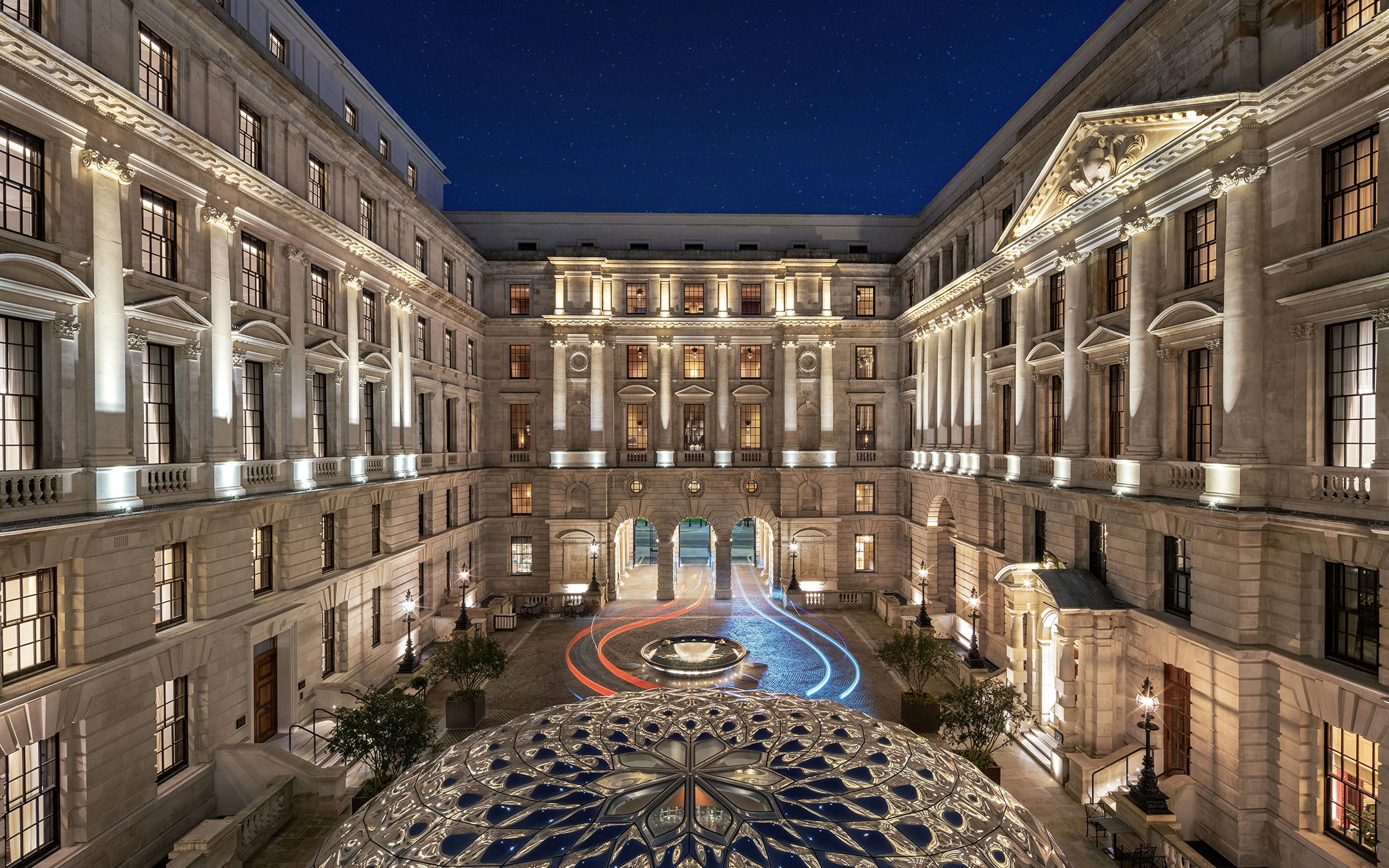
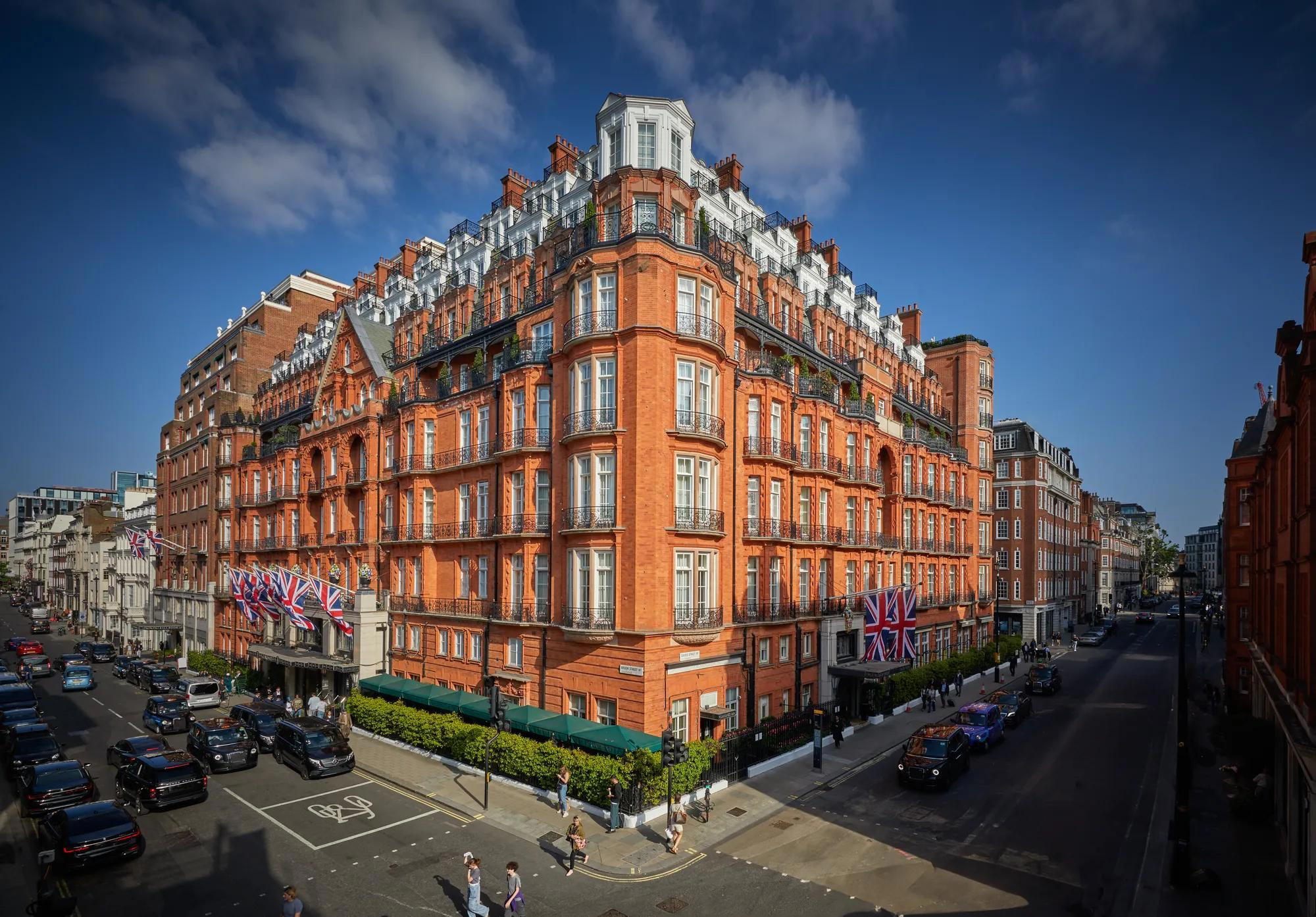
Regent Street has always carried a certain register of formality, and the Hotel Café Royal has been part of that since the 19th century. The building's public rooms trade in gilded ceilings, deep banquettes, and a sense that the city outside has been deliberately muffled. Alex Dilling's dining room sits within that envelope, intimate in scale relative to the hotel's grandeur, composed in tone, and calibrated for the kind of dinner that warrants both a reservation months in advance and considered attention to what you order. This is not a room that performs luxury at you; it assumes it.
In London's two-star tier, which includes Dinner by Heston Blumenthal and sits just below the three-star bracket occupied by Sketch, The Lecture Room and Library and Restaurant Gordon Ramsay, Alex Dilling has carved a distinct position as a two-Michelin-starred restaurant. The cooking is formally French but ingredient-led in a way that draws from British coastal and rural supply chains. That combination, classical technique, northern European sourcing, places it in a peer group closer to the provenance-focused end of the London fine dining spectrum than to the theatrical or fusion-leaning alternatives.
What the Sourcing Says About the Kitchen
The editorial argument for Alex Dilling's cooking is leading made through its ingredients. Cornish sardines, Scottish girolles, Kaluga caviar: the list of named sources in the kitchen's public record is not decorative. It signals a procurement approach in which ingredient identity matters as much as technique. Cornish sardines at this level are not a humble choice, they are a deliberate one, requiring more kitchen confidence than, say, a reliable imported protein whose quality has been standardised by the supply chain.
Kaluga caviar occupies a different position. Produced from Kaluga sturgeon in aquaculture settings across Asia, it has become the premium house caviar of choice for high-end European kitchens that want the texture and salinity profile of beluga without the regulatory complications. Its presence here is consistent with the kitchen's broader orientation: sourcing that is premium but considered, rather than reflexively traditional. Scottish girolles, harvested seasonally from Highland forests, complete a picture of a kitchen that thinks geographically about its larder, looking north and west rather than defaulting to French or Mediterranean supply.
This sourcing pattern places Alex Dilling in a conversation with a wider movement in British fine dining, where the strongest kitchens have increasingly drawn on domestic produce to anchor French or European technique. L'Enclume in Cartmel and Moor Hall in Aughton operate on similar principles outside London, while within the capital, the ingredient-first argument is less common at the formal French end of the market than at Modern British tables. That relative scarcity within its own category is worth noting.
Where It Sits in the London Fine Dining Field
London's premium French dining bracket has narrowed and sharpened over the past decade. Michelin's two-star tier now functions as a genuine holding category for kitchens that have demonstrated consistency over multiple years rather than as a stepping stone to three. Alex Dilling holds two Michelin stars.
That upward movement across three years is a useful external signal: the kitchen is not static. Both metrics point in the same direction.
The relevant comparisons within London's Modern French tier include Gauthier Soho, which operates a plant-forward French format, and Jean George at the Connaught, which brings a New York French sensibility to Mayfair. Alex Dilling occupies different ground from both: more classically rooted than the former, more geographically grounded in British supply than the latter. The Cocochine and July represent the newer generation of French-influenced London tables worth tracking alongside it.
For readers comparing London to international Modern French destinations, Schanz in Piesport and Coeur D'Artichaut in Münster offer a European reference point for what the category looks like with strong regional ingredient identity outside France itself.
The Format and the Room
Dinner service runs Tuesday through Friday from 6pm, with Saturday offering both lunch (from midday to 4:30pm) and dinner. The restaurant is closed Monday and Sunday. That schedule is typical for a serious kitchen operating at this level: the closed days protect the brigade's capacity to maintain quality across service, and the Saturday lunch slot is one accessible entry point for those who prefer the pace and light of a daytime meal to the intensity of a formal dinner sitting.
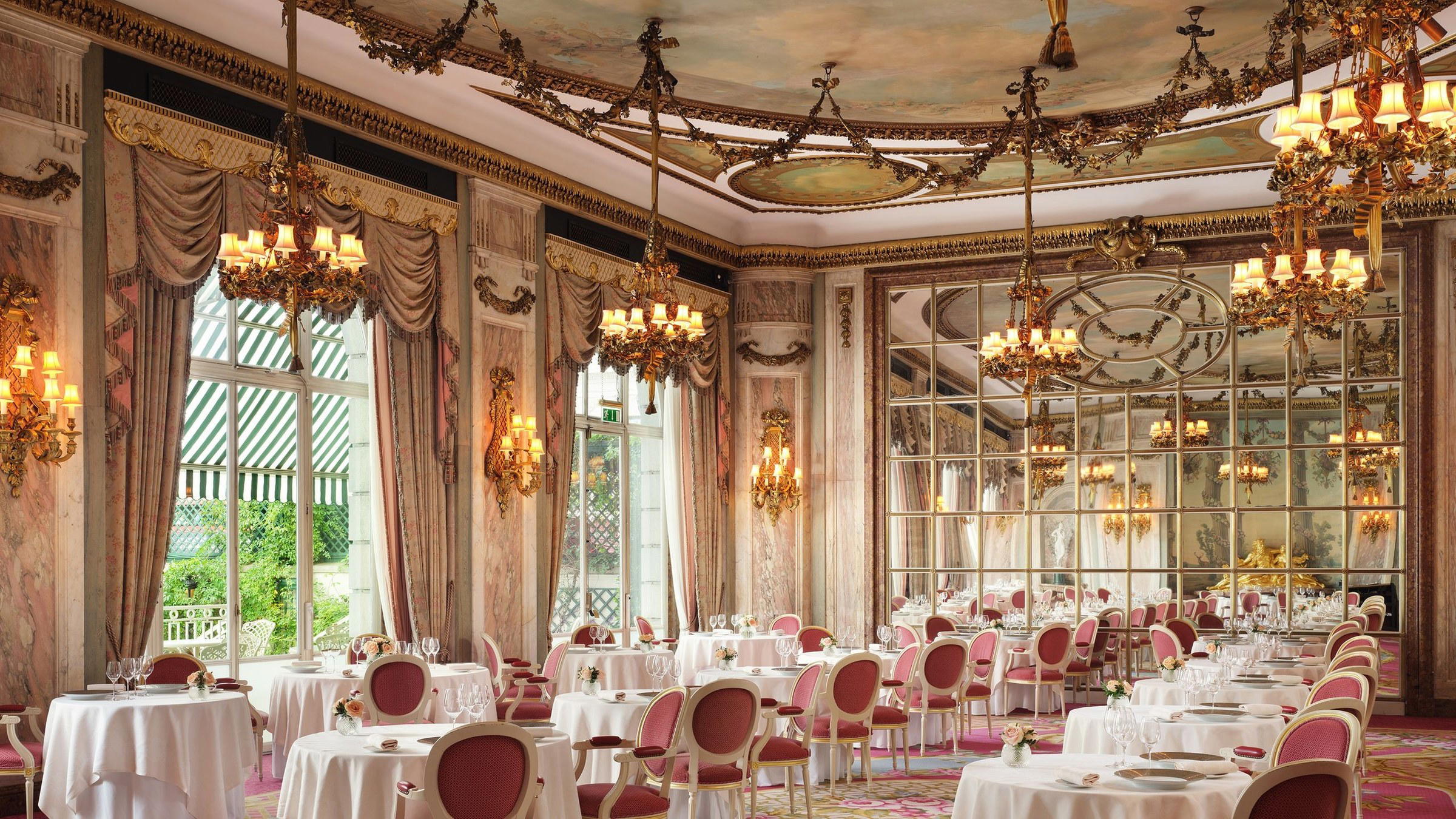
The room itself is intimate by the standards of its hotel context. Hotel Café Royal's public spaces scale to their Regent Street address, but the dining room is drawn to a tighter focus, a setting where the cooking takes precedence over spectacle. At about $280 per person, it sits firmly in the highest price tier.
For those extending their search outside London to the UK's broader fine dining map, The Fat Duck in Bray, Gidleigh Park in Chagford, Hand and Flowers in Marlow, and hide and fox in Saltwood represent distinct points on that map.
Planning Your Visit
The restaurant is at 68 Regent Street, London W1B 4DY, inside the Hotel Café Royal. Oxford Circus is the nearest Underground station, a short walk north. Given the two-star standing, tables at peak times are not direct to secure, and forward planning is advisable. Saturday lunch is one practical midday option and tends to attract a slightly different crowd than the evening service, worth considering if a full dinner format feels like a significant commitment for a first visit.
Fast Comparison
Comparable venues nearby, for context on price, style, and recognition.
| Venue | Cuisine | Price | Awards | Notes |
|---|---|---|---|---|
| Alex Dilling at Hotel Café RoyalThis venue — the venue you are viewing | Modern French Fine Dining | $$$$ | Michelin 2 Star | Not listed |
| Le Gavroche | Classic French Fine Dining | $$$$ | World's 50 Best #19 | Mayfair |
| The Wolseley | Grand European Brasserie | $$$$ | Michelin Plate, World's 50 Best #41 | Mayfair |
| Humble Chicken | Modern Japanese Fine Dining | $$$$ | Michelin 2 Star | Soho |
| The Ritz Restaurant | Classical French Fine Dining | $$$$ | Michelin 2 Star | St. James's |
| The Merchant House | Cocktail Bar | $$$ | World's 50 Best #14 | Battersea |
Recognition history
Dated appearances from independent guides and award organizations, with the underlying list record or original source where available.
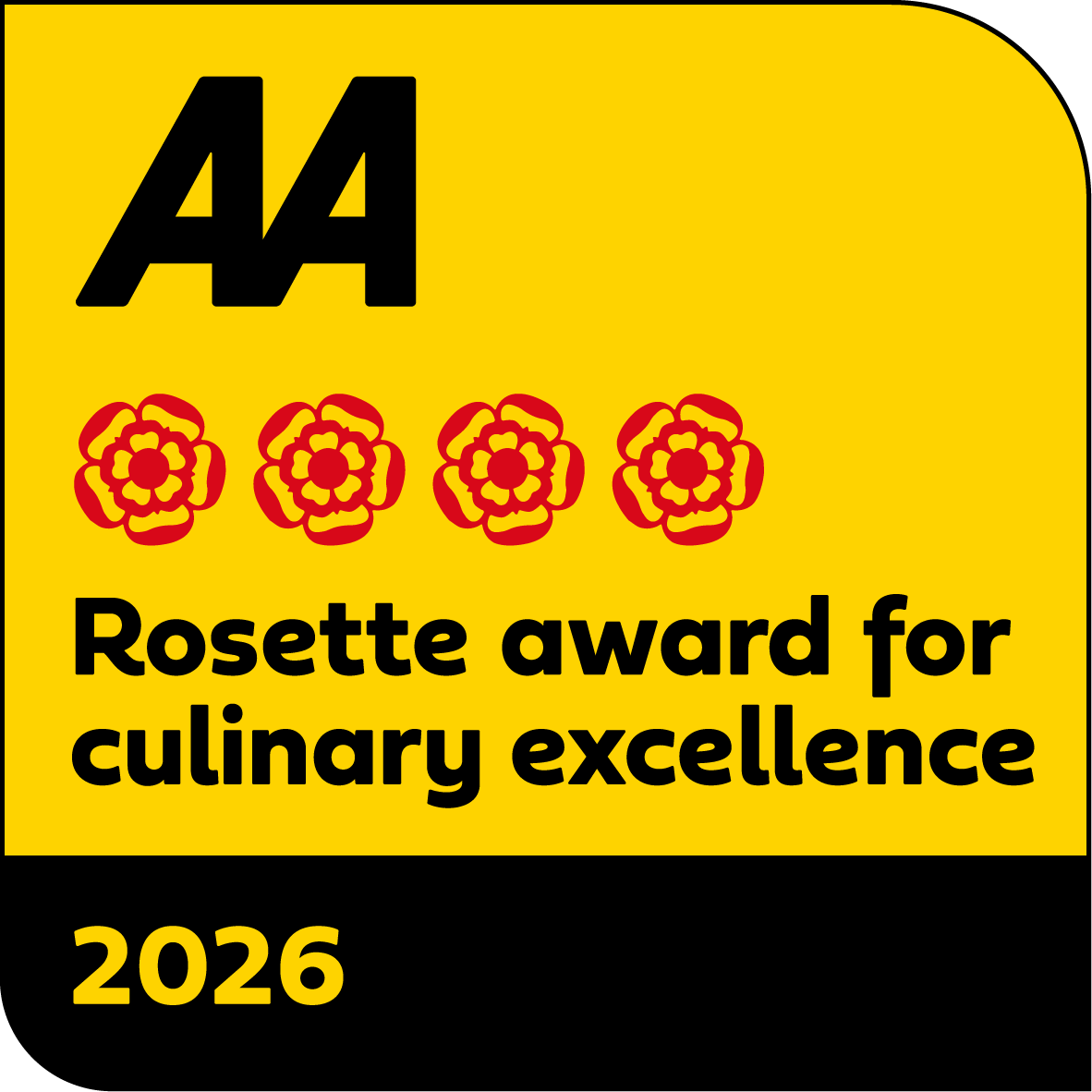
AA Rosettes 4 Rosettes
AA Rosettes
Falstaff Restaurant - 95 Falstaff Points
Falstaff
La Liste Top Restaurants
La Liste
Michelin 2 Stars
Michelin
Opinionated About Dining Classical in Europe Ranked #85
Opinionated About Dining
La Liste Top Restaurants
La Liste
Michelin 2 Stars
Michelin
Opinionated About Dining Classical in Europe Ranked #80
Opinionated About Dining
The Best Chef Two Knives
The Best Chef
Michelin 2 Stars
Michelin
Opinionated About Dining Classical in Europe Ranked #99
Opinionated About Dining
Opinionated About Dining Classical in Europe Ranked #105
Opinionated About Dining
Continue exploring
More in London
Restaurants in London
Browse all →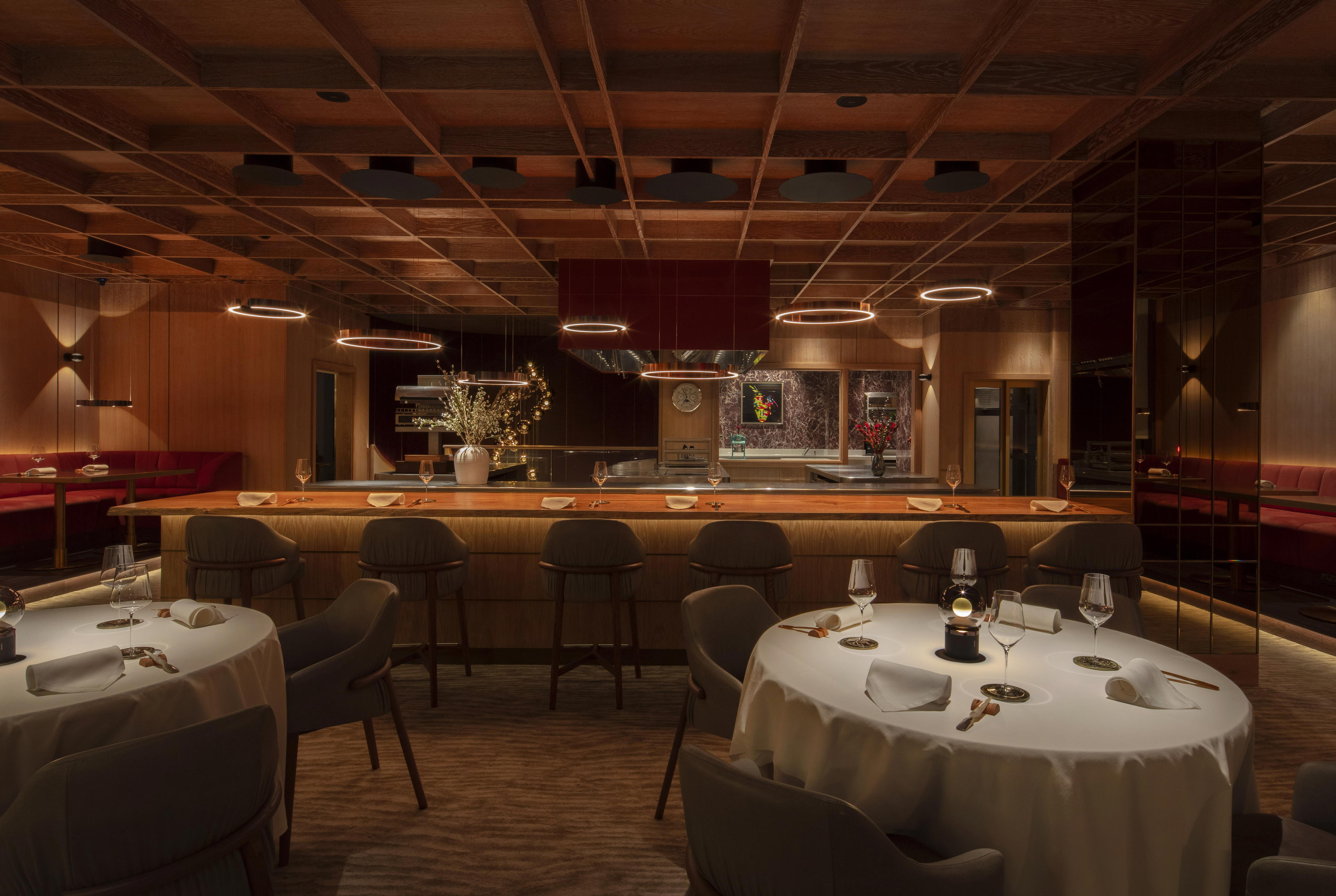
Bars in London
Browse all →
Hotels in London
Browse all →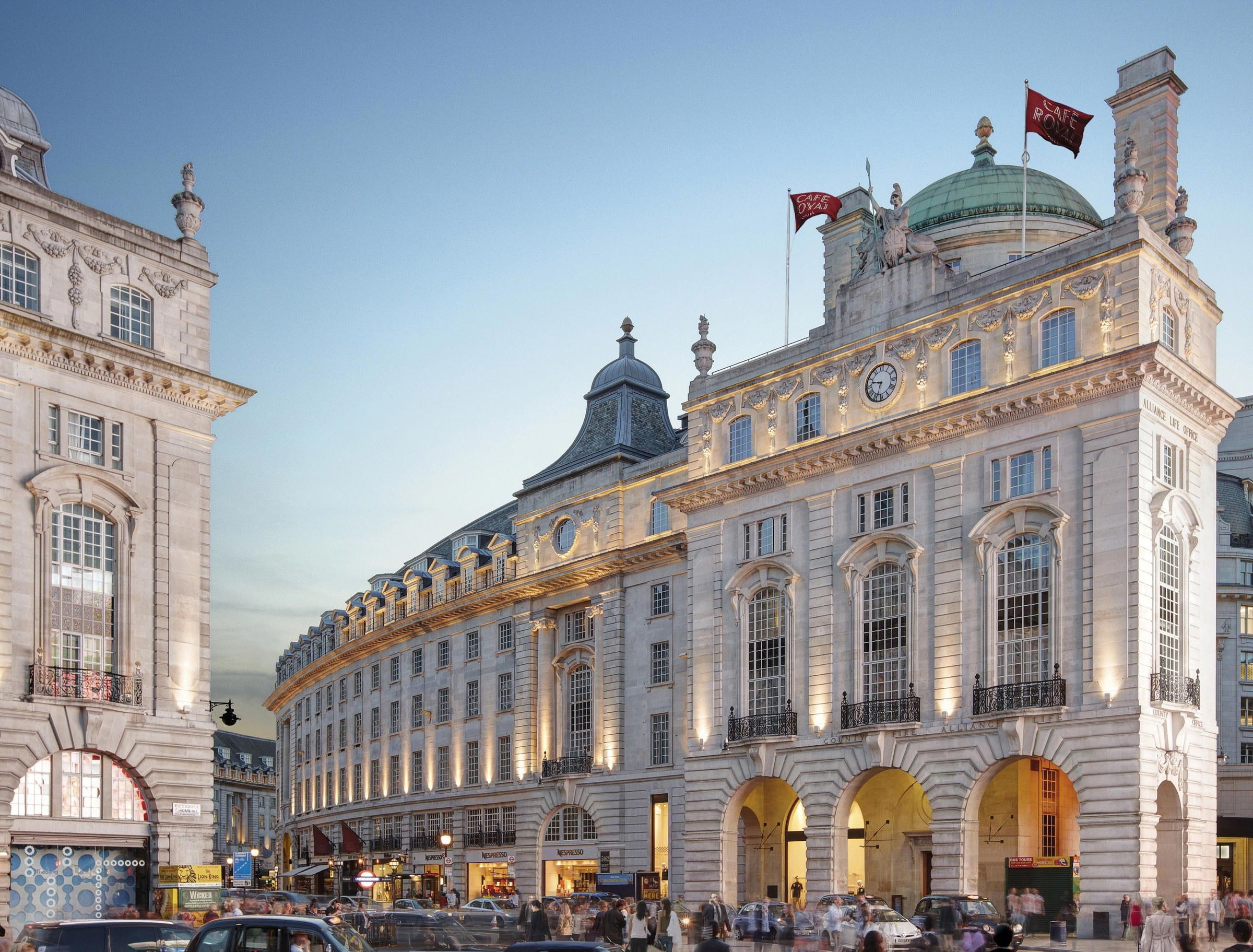

At a Glance
- Elegant
- Intimate
- Sophisticated
- Ornate
- Special Occasion
- Business Dinner
- Date Night
- Celebration
- Hotel Restaurant
- Historic Building
- Extensive Wine List
- Sommelier Led
- Street Scene
Current opening hours
- Monday
- Closed
- Tuesday
- 6–11:30 PM
- Wednesday
- 6–11:30 PM
- Thursday
- 6–11:30 PM
- Friday
- 12–4 PM, 6–11:30 PM
- Saturday
- 12:30–4:30 PM, 6–11:30 PM
- Sunday
- Closed
Hours can change for holidays and private events. Last verified .
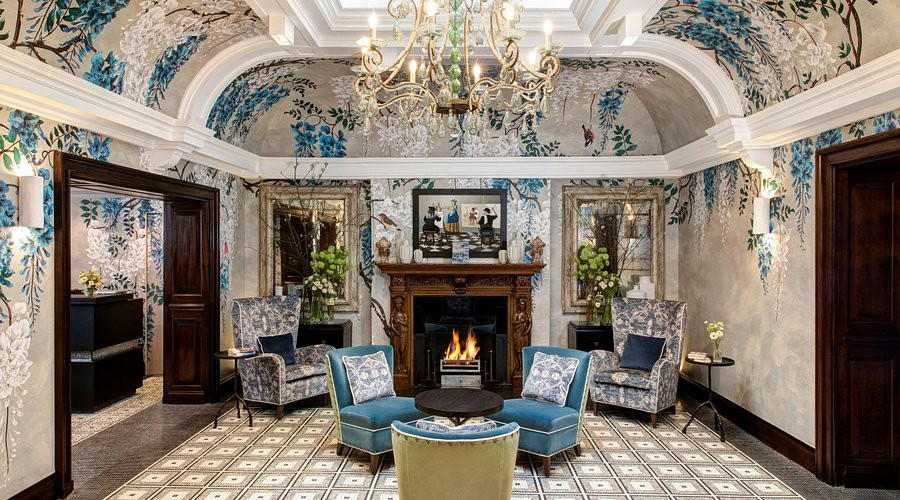
Elegant and inviting with soft neutral tones, crisp white tablecloths, plush banquettes, glossy mirror-sheen ceiling, and comfortable dining room creating a discreet, luxurious atmosphere.