Signor Sassi
A long-standing Italian address in Knightsbridge, Signor Sassi occupies the kind of room where the neighbourhood's old-money confidence shows in the regulars as much as the décor. The cooking is rooted in classic Italian tradition, the setting is formal without stiffness, and the postcode places it squarely in one of London's most demanding dining corridors.
Pearl is the En Primeur Club membership app — saves, bookings, and concierge access live there. Same editors, same standards.
- Address
- 14 Knightsbridge Grn, London SW1X 7QL, United Kingdom
- Phone
- +44 20 7584 2277
- Website
- sancarlo.co.uk
- Directions
- Get directions
 Saves & bookings on Pearl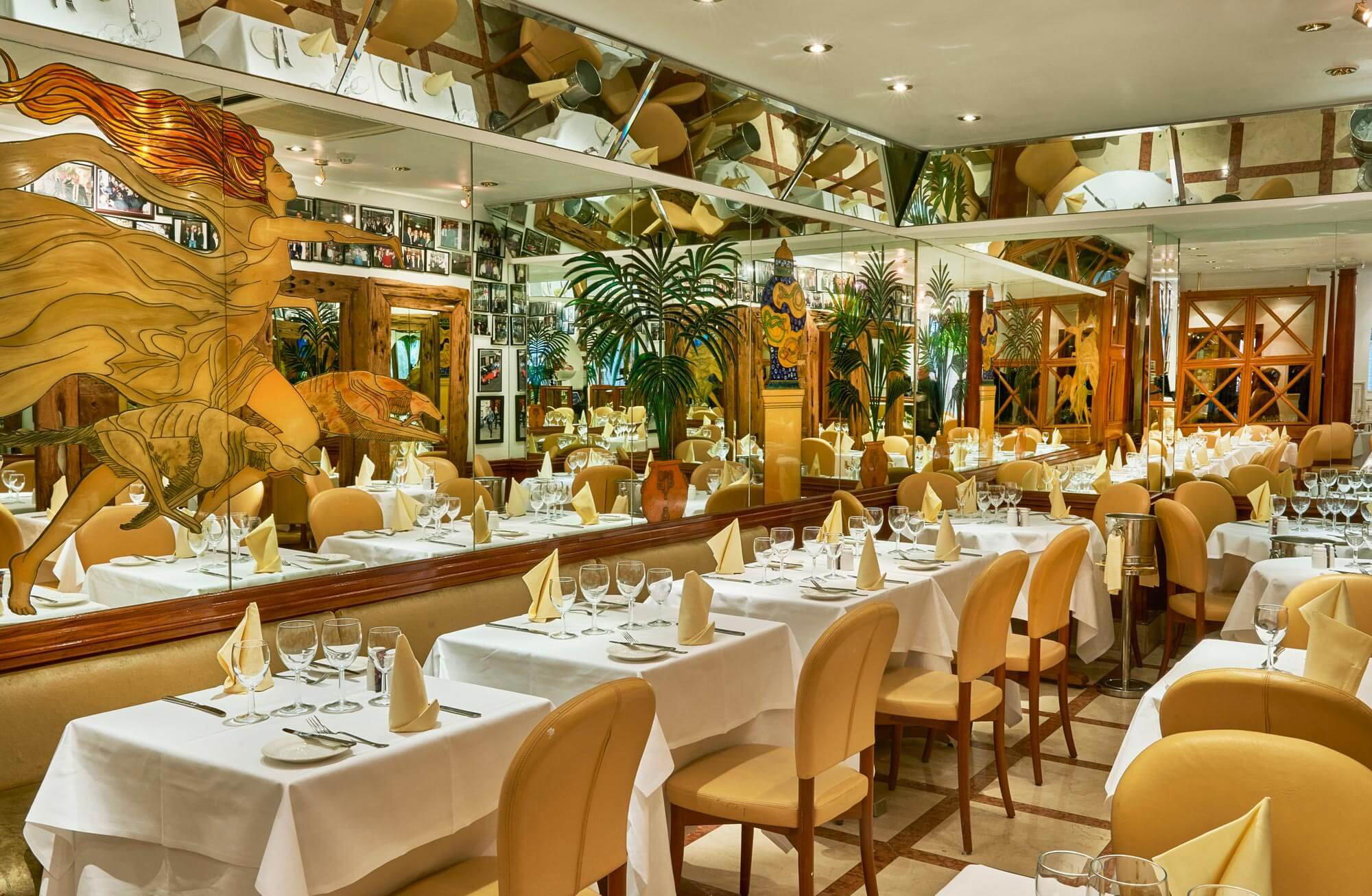
Knightsbridge's Italian Tradition, Held to Account
Signor Sassi is a classic Italian restaurant at 14 Knightsbridge Green in London, with. The postcode alone signals the stakes: SW1X is surrounded by hotel dining rooms drawing on serious investment and Michelin-tracked ambition, from Dinner by Heston Blumenthal a short walk away to the broader constellation of high-end rooms that make this corridor one of London's most competitive. Against that backdrop, a traditional Italian house with a longstanding Knightsbridge presence is making a statement about durability over novelty.
London's Italian dining scene has fragmented considerably over the past fifteen years. The market now splits between modern Italian concepts chasing fine-dining credentials, casual neighbourhood trattorias built on accessibly priced pasta, and a small cohort of classical Italian rooms that trade on consistency, familiarity, and the kind of room confidence that only comes with time. Signor Sassi belongs to that third tier. This is not a restaurant repositioning itself around a trending regional cuisine or a new-wave tasting menu format. The cooking here is rooted in the kind of Italian tradition that predates both of those trends.
The Room and What It Tells You
In London's highest-spend postcodes, dining rooms tend toward one of two registers: the hushed, neutral-toned minimalism favoured by contemporary tasting-menu restaurants, or the warm, populated energy of a room that has been running long enough to develop its own social ecosystem. Signor Sassi sits firmly in the second category. The atmosphere is animated rather than reverential. Tables turn at a pace that keeps the room alive through service, and the clientele reflects the neighbourhood: a mixture of Knightsbridge residents for whom this is a weekly habit, hotel guests from the surrounding area, and visitors who have done enough research to find a room that isn't aimed at tourists despite being geographically surrounded by them.
The sound profile matters here. Unlike the more austere formal rooms of Mayfair and Belgravia, where conversation drops to a considered murmur, the room at the restaurant carries the kind of noise floor associated with genuine occupancy rather than performance. Voices carry across tables, the rhythm of service is audible, and the sense is of a room that was built around the idea of people eating together rather than people eating quietly. For a city that has spent the better part of a decade aestheticizing the silent, precisely paced tasting menu format, this is a meaningful counter-position.
Classical Italian Cooking in a City That Has Moved On (and Back)
London's relationship with Italian cooking has completed something close to a full cycle. The early-2000s wave of casual Italian bistros gave way to a mid-decade period of hyper-regional specificity, which itself gave way to a current moment where diners are showing renewed appetite for the kind of classical preparations that the trend cycles had temporarily displaced. Risotto, vitello tonnato, and hand-cut pasta in the register of northern Italy are finding serious audiences again, not as novelties but as a corrective to years of reinvention for its own sake.
In that context, a restaurant that never abandoned the classical template is better placed now than it might have been five years ago. The traditions of the Italian table, specifically the emphasis on quality of primary ingredient over technical elaboration, the importance of timing in pasta and risotto cookery, and the expectation that a room should facilitate conversation as much as consumption, are all things that restaurant has maintained as operating principles rather than rediscovered as trends.
Where It Sits in the Knightsbridge Competitive Set
The immediate neighbourhood puts the restaurant in proximity to some of London's most discussed dining addresses. The formal rooms that define the city's dining conversation include venues like CORE by Clare Smyth, The Ledbury, and Sketch, The Lecture Room and Library, all operating at the summit of the formal tasting-menu market. Restaurant Gordon Ramsay represents the French-classical anchor of that tier. These are rooms built around a specific type of occasion dining, where the format, the pacing, and the abstraction of the menu are themselves part of the offer.
The restaurant occupies a different position in that competitive set. It is not competing for the same occasion. The question here is not whether this is one technically refined room in the postcode, but whether it delivers the specific register of experience that Italian classical cooking does well: generosity of portion, clarity of flavour, a room warm enough to sustain a long dinner without ceremony. Those are distinct criteria from the ones that drive Michelin star accumulation, and they serve a different kind of decision.
Price and Positioning
Comparable venues nearby, for context on price, style, and recognition.
| Venue | Cuisine | Price | Notes |
|---|---|---|---|
| Signor SassiThis venue — the venue you are viewing | Knightsbridge, Classic Italian | $$$$ | Not listed |
| 1A Launceston Pl | Not listed | $$$$ | South Kensington, Modern Italian Milanese |
| Ceconi's | Mayfair, Modern Classic Northern Italian | $$$$ | Not listed |
| Matteo’s at Annabel’s | Mayfair, Classic Italian Fine Dining | $$$$ | Not listed |
| Macellaio RC South Kensington | Earl's Court, Italian Steakhouse | $$$ | Not listed |
| Briciole | Marylebone, Authentic Italian Trattoria | $$$ | Not listed |
Continue exploring
More in London
Restaurants in London
Browse all →
Bars in London
Browse all →
Hotels in London
Browse all →

At a Glance
- Lively
- Elegant
- Classic
- Well Known
- Date Night
- Business Dinner
- Celebration
- Group Dining
- Private Dining
- Extensive Wine List
Current opening hours
- Monday
- 12–10:30 PM
- Tuesday
- 12–10:30 PM
- Wednesday
- 12–10:30 PM
- Thursday
- 12–10:30 PM
- Friday
- 12–10:30 PM
- Saturday
- 12–10:30 PM
- Sunday
- 12–9:45 PM
Hours can change for holidays and private events. Last verified .
Warm, elegant, and lively classic Italian atmosphere with banquette seating, mirrors, and a bustling, engaging vibe.