Rabarbergården sits in Vejby, on Denmark's North Zealand coast, where the tradition of kitchen gardens and foraged local produce shapes the region's approach to cooking. The setting is rural and deliberate, placing the emphasis on what grows nearby rather than imported prestige ingredients. For visitors making their way through coastal North Zealand's quieter dining circuit, it represents a grounding counterpoint to Copenhagen's high-gloss restaurant scene.
Pearl is the En Primeur Club membership app — saves, bookings, and concierge access live there. Same editors, same standards.
- Address
- Parkering ved den store P-plads ud til, ingen indkørsel ad grusvej, Holløse Gade 21, 3210 Vejby, Denmark
- Phone
- +4523937201
- Website
- rabarbergaarden.dk
- Directions
- Get directions
 Saves & bookings on Pearl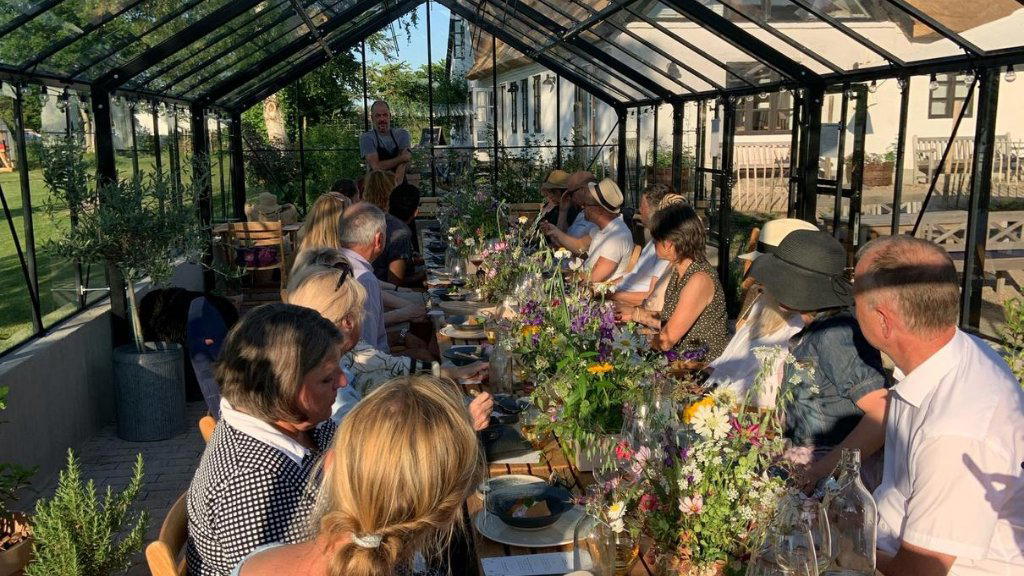
North Zealand's Quiet Argument for Cooking Close to the Ground
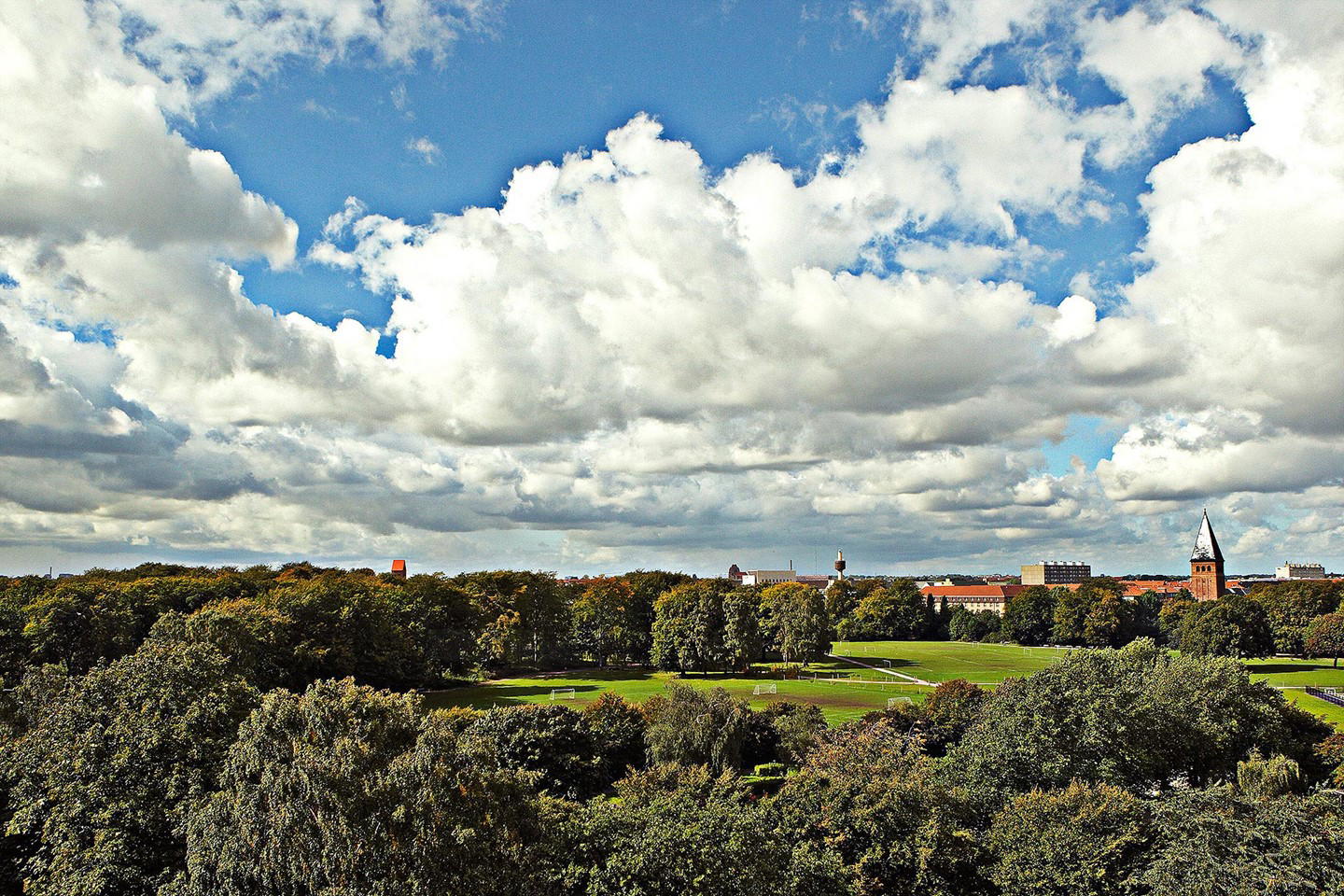
The road to Vejby does not announce itself dramatically. North Zealand's interior rolls between beech forest and farmland, and the village sits within that calm without any of the resort-town signalling you find along the Øresund corridor. Rabarbergården, the name translates roughly to the rhubarb farm, occupies a position in this landscape that tells you something before you arrive: this is a place organised around what grows here, not around imported prestige or metropolitan dining trends. The parking instruction alone (use the large car park on the road; do not drive in via the gravel path) suggests a working property rather than a curated arrival experience.
That distinction matters in the context of Danish regional dining. The country's most-discussed restaurants, from Geranium in Copenhagen to Jordnær in Gentofte, operate within urban fine dining frameworks where sourcing is a narrative device layered onto technically polished menus. At the rural end of the spectrum, the relationship between land and plate is less mediated. Restaurants like Henne Kirkeby Kro in Henne and Dragsholm Slot Gourmet in Hørve have long demonstrated that West Jutland and the Odsherred peninsula can anchor serious cooking in genuine agricultural proximity. Rabarbergården belongs to that tradition rather than to the Copenhagen-adjacent fine dining circuit.
What Grows Here, and Why That Shapes Everything
The ingredient-sourcing argument in Scandinavian cooking has been rehearsed so thoroughly over the past two decades that it risks becoming background noise. But in North Zealand, that argument has specific, verifiable content. The region sits within a short radius of some of Denmark's most productive kitchen-garden terrain: Arresø, the country's largest lake, moderates the local microclimate, and the soil profiles across the Gribskov forest corridor support an unusual range of foraged and cultivated produce. Rhubarb, which gives this property its name, is not incidental. It is a plant that defines a particular tempo of the Danish growing season: available early when little else is ready, structurally assertive enough to carry both sweet and savoury preparations, and deeply connected to the tradition of preserving and pickling that underpins Nordic home cooking.
That kind of ingredient-first orientation places Rabarbergården in a regional comparable set that operates differently from Denmark's award-circuit restaurants. Compare it with Frederiksminde in Præstø or MOTA in Nykøbing Sjælland, both properties where the surrounding agricultural and coastal context shapes the menu more directly than any international reference point. This is a mode of cooking that rewards guests who understand what the season actually looks like in this part of the country, rather than those arriving with expectations calibrated to a global fine dining template.
The Regional Dining Circuit and Where Vejby Fits
Danish regional dining outside Copenhagen has developed a distinct identity over the past decade, partly in response to the capital's dominance and partly because a younger generation of cooks has chosen to work close to primary producers rather than within the city's competitive kitchen hierarchies. The pattern is visible across the country: Frederikshøj in Aarhus, LYST in Vejle, and Alimentum in Aalborg each anchor serious cooking in cities with their own culinary identities. Further from urban centres, properties like Villa Vest in Lønstrup and Pearl by Paul Proffitt in Kruså demonstrate that the furthest corners of the country can sustain ambitious food when the commitment to local sourcing is structural rather than decorative.
Vejby sits roughly 55 kilometres north of Copenhagen, close enough to draw visitors from the capital, far enough that it operates outside the city's restaurant media cycle. That position gives it a particular kind of independence. It is not competing with Parsley Salon in Hellerup or the urban neighbourhood restaurants of Copenhagen's inner districts. It is competing, if that is even the right frame, with the idea of a day or overnight trip that takes you into North Zealand's quieter interior, where the point is to eat something that could only be served here.
Arriving and Planning a Visit
Rabarbergården's address, Holløse Gade 21, 3210 Vejby, places it within the village proper, with parking directed to a large lot on the road rather than along the gravel access track. For visitors travelling from Copenhagen, North Zealand's S-train and regional rail network reaches as far as Helsinge, from which Vejby is a short onward journey. Those with cars will find the drive through the Gribskov forest corridor worthwhile in its own right, particularly in early summer when the surrounding farmland is in full production.
Rural Danish restaurants at this scale frequently operate on seasonal schedules, with limited days of service and, in some cases, advance booking requirements that differ from urban restaurant norms. Checking ahead is not optional here, it is the difference between arriving at a working kitchen and arriving at a closed gate.
For readers building a North Zealand itinerary, it is worth noting that the region's restaurant scene extends beyond Vejby into neighbouring villages and market towns, each with its own connection to the agricultural hinterland. ARO in Odense and Domæne in Herning demonstrate the reach of ingredient-led cooking across Danish regions; at the international end of the sourcing conversation, Le Bernardin in New York City and Atomix in New York City show how different culinary traditions have resolved the same question of how close a kitchen should sit to its primary ingredients.
Rabarbergården represents a position within the broader Danish conversation about where food comes from: a property named after a specific plant, in a specific village, in a specific agricultural region.
Quick Comparison
Comparable venues nearby, for context on price, style, and recognition.
| Venue | Cuisine | Price | Notes |
|---|---|---|---|
| RabarbergårdenThis venue — the venue you are viewing | Danish Organic Farm-to-Table | $$$ | Not listed |
| Rabarbergaarden | Organic Nordic Farm-to-Table | $$ | Vejby |
| Broløkke | New Nordic Brasserie | $$$ | Humble |
| Restaurant Maven | Nordic | $$ | Indre By |
| Pony | New Nordic Bistro | $$ | Vesterbro-Kongens Enghave |
| Parterre Christianshavn | Danish Café | $$ | Indre By |
At a Glance
- Rustic
- Cozy
- Scenic
- Elegant
- Date Night
- Special Occasion
- Group Dining
- Garden
- Open Kitchen
- Historic Building
- Standalone
- Farm To Table
- Organic
- Local Sourcing
- Garden
Current opening hours
- Monday
- Closed
- Tuesday
- Closed
- Wednesday
- Closed
- Thursday
- Closed
- Friday
- 10 AM–9 PM
- Saturday
- 10 AM–9 PM
- Sunday
- 10 AM–5 PM
Hours can change for holidays and private events. Last verified .
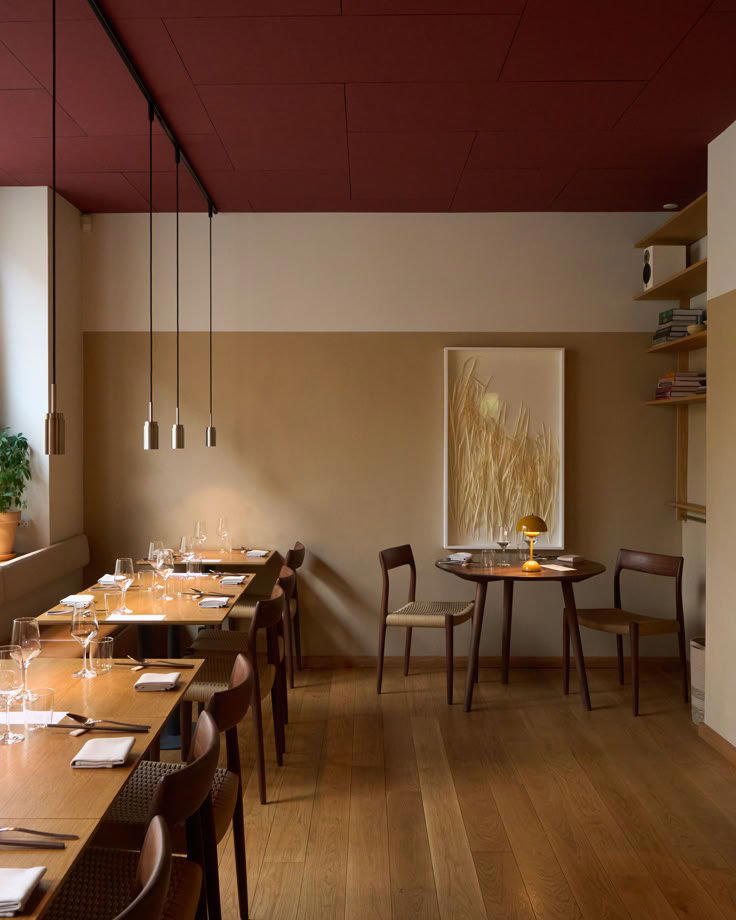
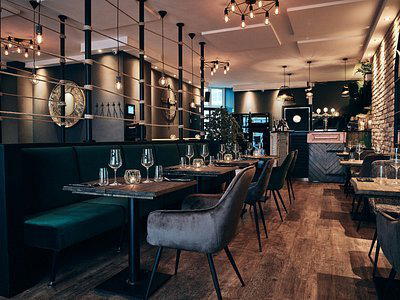
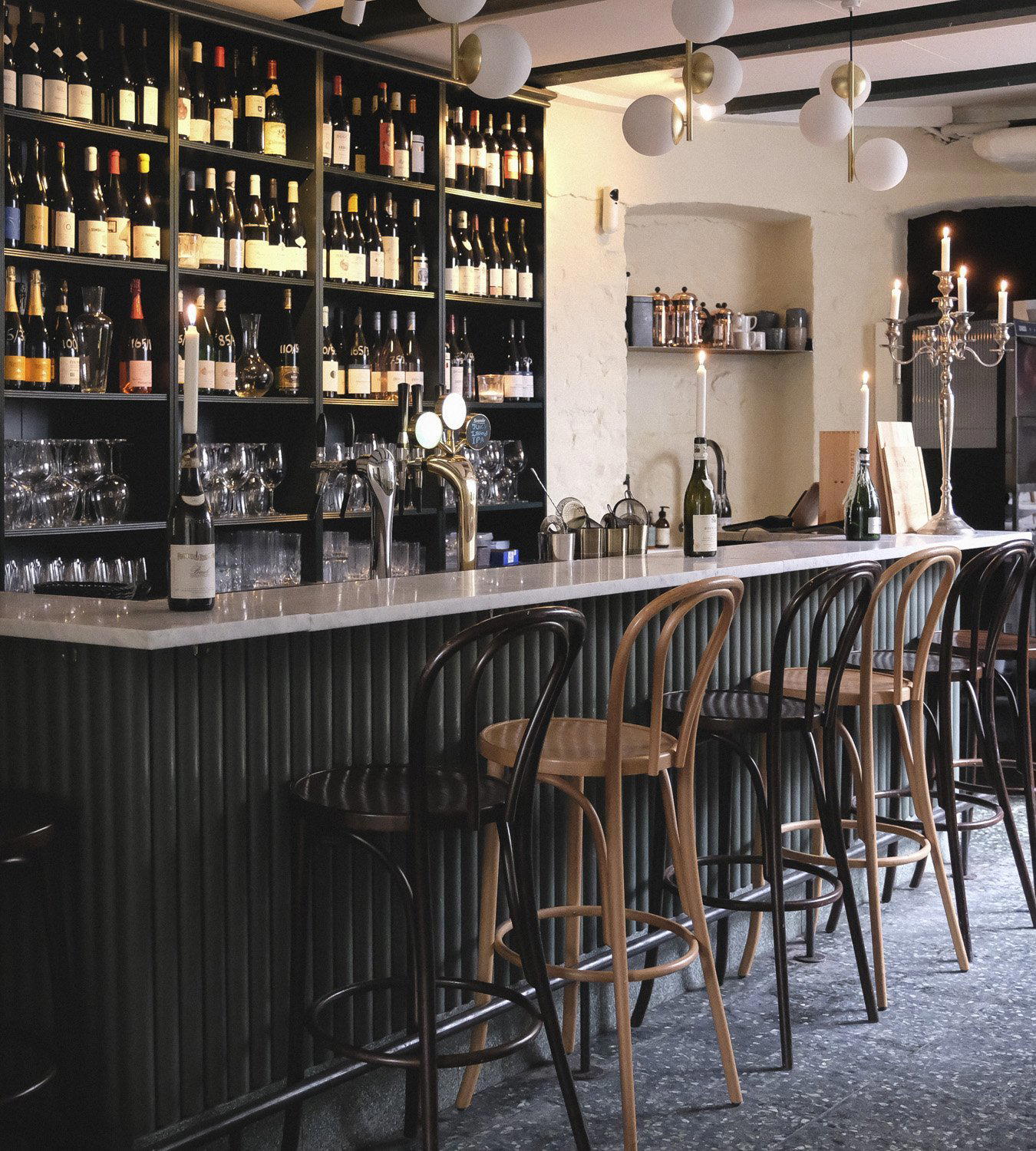
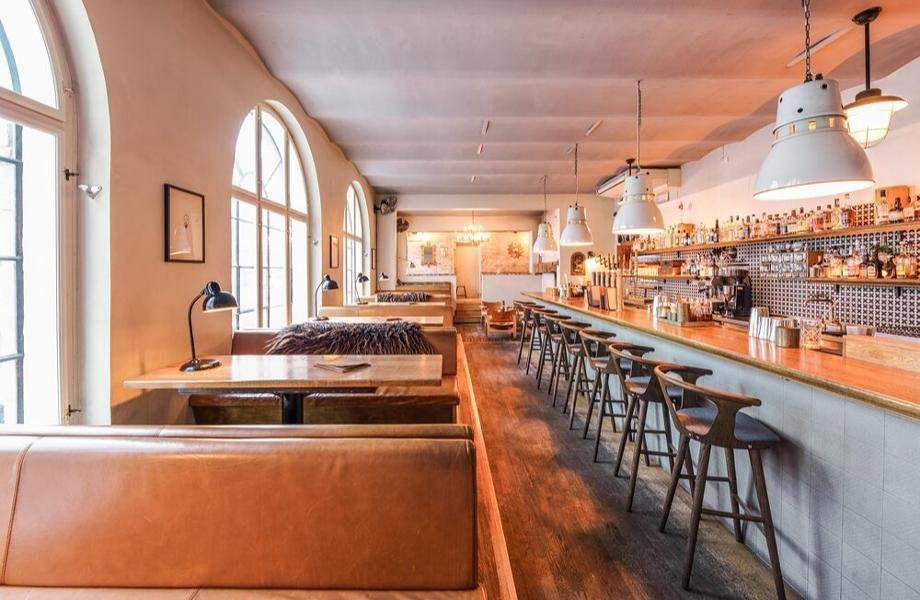
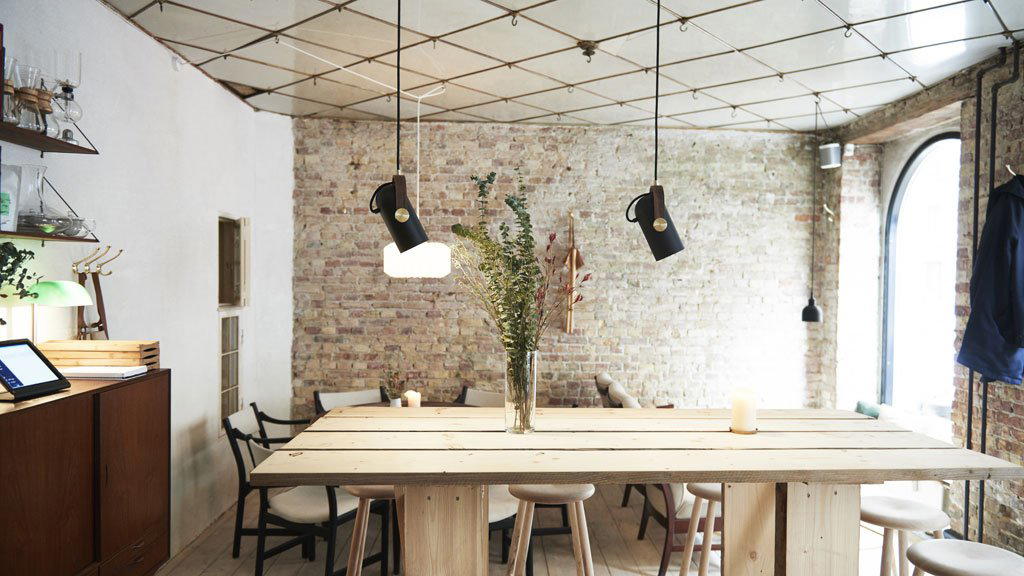
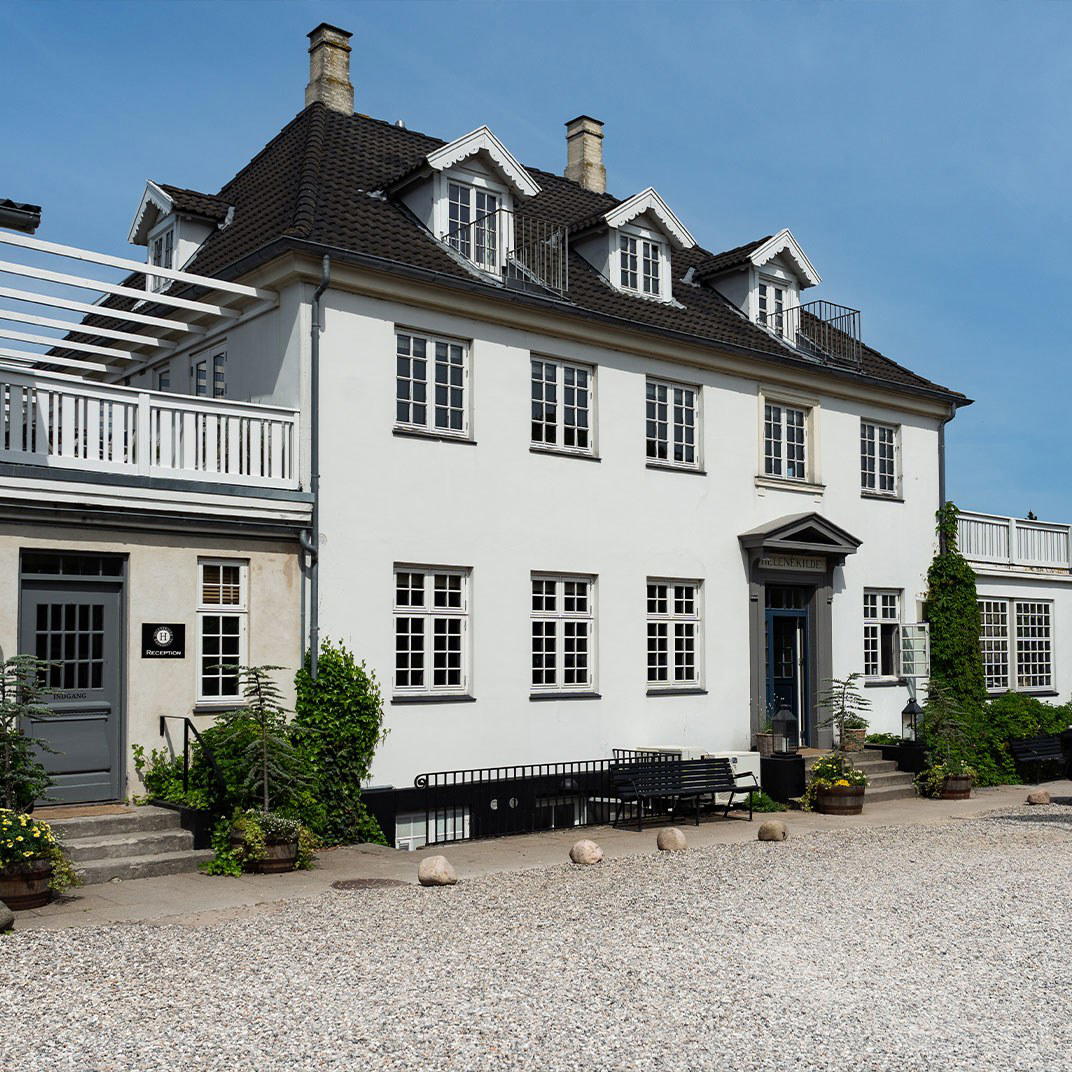
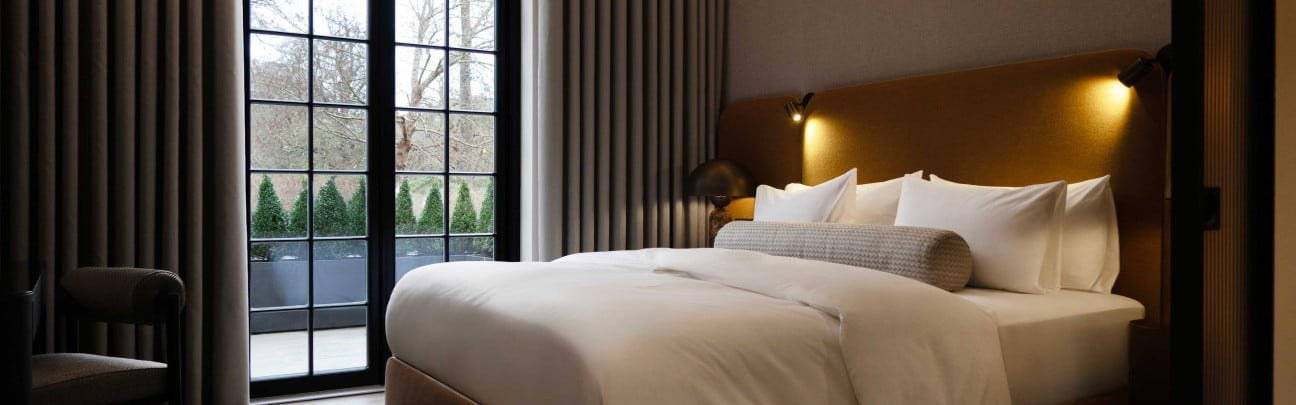
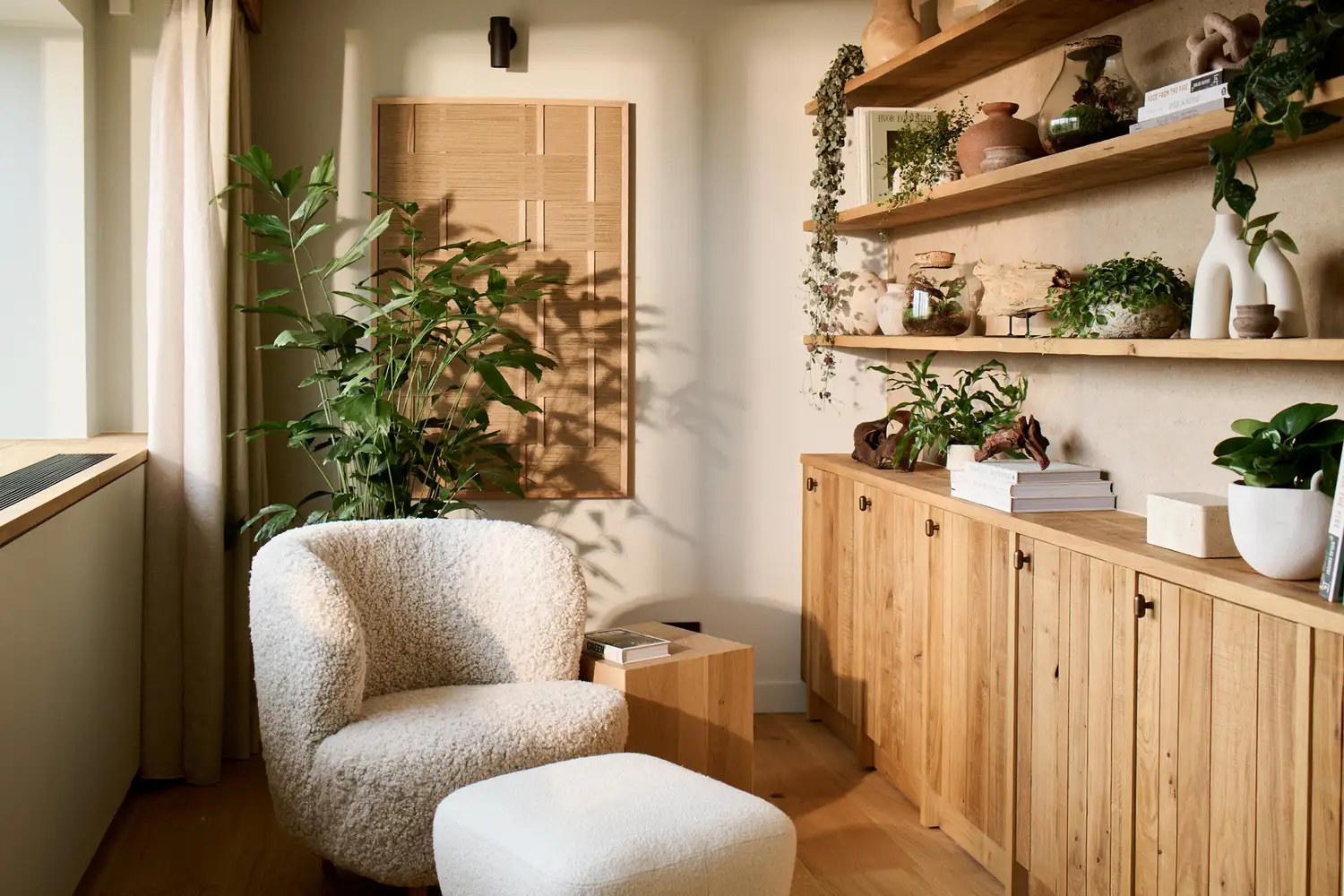
Cozy and picturesque countryside setting with dining in a farmhouse or greenhouse overlooking farm operations, featuring rustic aesthetics blended with elegant service.