
We're Smart World 1 Radish
Our verdict
Rabarbergaarden occupies a quiet address in Vejby with a kitchen philosophy rooted in what the surrounding garden produces. We're Smart has recognised the team's respect for ingredients and connection to the land, noting strong plant-based courses alongside dishes that include meat and fish. It sits in a small tier of Danish destination restaurants where the provenance of produce is the organising principle, not a marketing afterthought.

Pearl is the En Primeur Club membership app — saves, bookings, and concierge access live there. Same editors, same standards.
- Address
- Holløse Gade 21, 3210 Vejby, Denmark
- Phone
- +45 23 93 72 01
- Hours
- Mon–Thu ClosedFri–Sat 10 AM–9 PMSun 10 AM–5 PM
- Website
- rabarbergaarden.dk
- Directions
- Get directions
- Booking
- Book on Superb
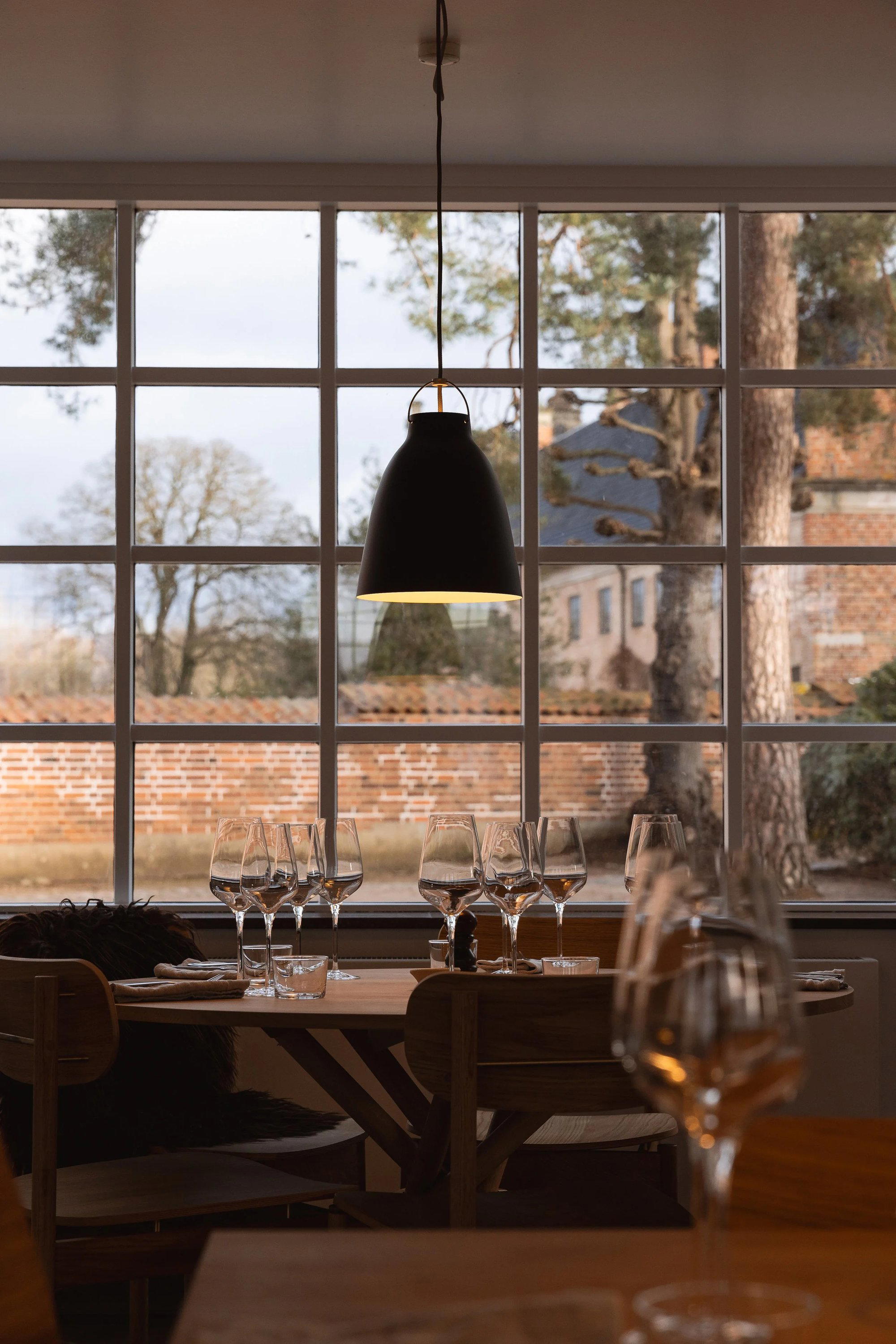
Where the Garden Sets the Agenda
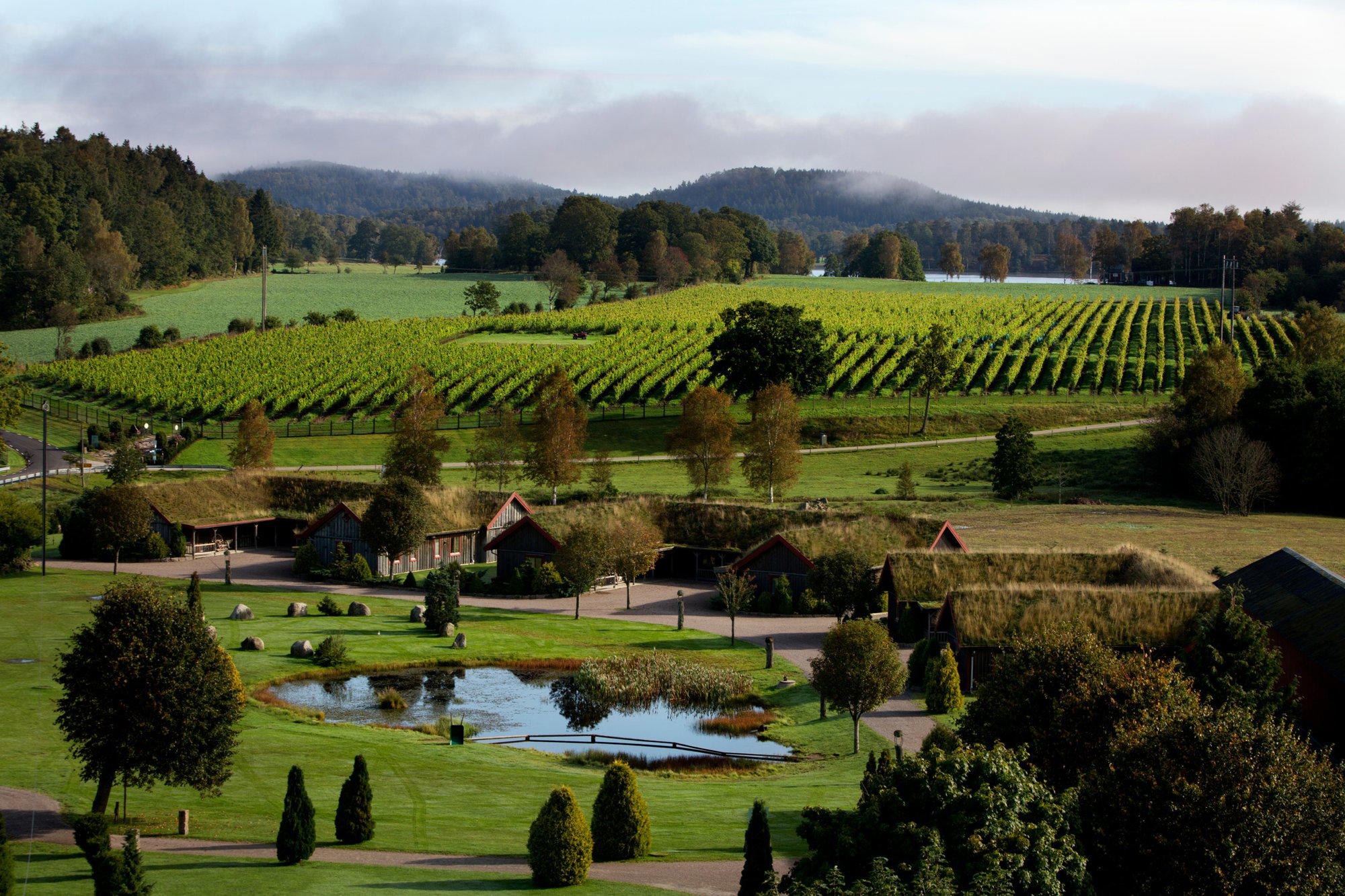
The drive into Vejby — a small coastal settlement in North Zealand, roughly an hour north of Copenhagen — already signals the register. The land flattens, hedgerows thicken, and the density of urban dining drops away entirely. By the time you reach Holløse Gade, the horticultural logic of Rabarbergaarden starts to make sense: this is not a restaurant that happens to have a garden. The garden is the operational centre, and the kitchen follows what it produces.
This model has become a meaningful strand in Danish restaurant culture over the past two decades. What began as a point of difference at a handful of Copenhagen destinations, most visibly at Noma in Copenhagen, has since spread into the countryside, where the logic of kitchen gardens is easier to realise at scale. Properties like Dragsholm Slot Gourmet in Hørve and Henne Kirkeby Kro in Henne have made the same calculation: remove yourself from a city supply chain, grow what you need, and let the kitchen respond to what is actually ready rather than what is theoretically available. Rabarbergaarden belongs to this cohort.
What We're Smart Recognises, and What It Suggests
The We're Smart recognition attached to Rabarbergaarden is not a standard restaurant award. We're Smart is a Belgian-based guide that evaluates restaurants specifically on their relationship to vegetables, plant-based ingredients, and sustainable sourcing. Properties receive a rating on a scale measured in radishes, and inclusion in the guide signals that the kitchen has met a documented threshold of vegetable-forward thinking, not merely adding a token vegetarian option, but building genuine depth around plant produce.
The language in Rabarbergaarden's recognition is notably specific: the guide cites the team's feeling for nature, team spirit, and knowledge of and respect for products. These are not decorative phrases in the context of We're Smart assessments; they reflect evaluated practice. The guide also makes an editorial point worth noting: the kitchen presents plant-based courses but does not operate as a fully vegetarian or vegan restaurant, with meat and fish appearing on the menu. We're Smart simultaneously acknowledges the quality of what is already on offer and flags what could be taken further, suggesting that a fully vegetable menu is within the kitchen's capability, given the quality of its own garden output. That kind of challenge from an awarding body is a form of recognition in itself.
For guests placing Rabarbergaarden in a peer context, the We're Smart signal positions it alongside restaurants in Denmark and across Scandinavia where vegetable intelligence is a demonstrable kitchen skill rather than a dietary accommodation.
The Sourcing Logic and Why It Matters Here
Denmark's ingredient sourcing conversation has become one of the most developed in Europe. Partly this is the downstream effect of two decades of New Nordic influence on how kitchens think about provenance, seasonality, and locality. But in North Zealand specifically, the geography supports it: the region's proximity to both coastline and agricultural land means that a kitchen with its own garden and decent supplier relationships can operate with a level of ingredient immediacy that urban restaurants cannot replicate at any price point.
At Rabarbergaarden, the garden is the supply chain anchor. What this means in practice is that the menu responds to growth cycles rather than dictating them. Rhubarb, referenced in the name itself, is a perennial that signals exactly this: a plant that returns on its own terms each spring, defines a short harvest window, and disappears. A kitchen built around that logic treats seasonality as a hard constraint, not a branding claim.
This places Rabarbergaarden in interesting conversation with other Danish destination restaurants that have taken ingredient sourcing as a structural principle. Kadeau Bornholm in Åkirkeby has built a reputation on deep island-specific sourcing. Frederiksminde in Præstø operates in a similarly rural register. Rabarbergaarden's North Zealand location, combined with its garden-first kitchen, places it in this lineage rather than in the fine-dining circuit of LYST in Vejle or Alimentum in Aalborg.
The format, as suggested by the We're Smart recognition, appears to lean toward a multi-course structure where plant produce carries significant weight in the composition of dishes, with meat and fish appearing as elements rather than as the central organising logic of every plate. This is worth understanding before booking: the experience is likely to feel different from a traditional Danish restaurant where protein anchors every course.
Positioning in the Broader Danish Restaurant Map
Denmark's provincial restaurant scene has developed in two fairly distinct directions. One track runs through fine-dining ambition, technically demanding kitchens chasing critical recognition in the Michelin and Nordic Leading frameworks, like ARO in Odense or Domæne in Herning. The other track is less interested in that competition and more focused on a specific place, a specific ingredient philosophy, and a guest experience that reflects those constraints honestly. Rabarbergaarden reads as the latter.
That positioning has real value for a certain kind of traveller. If you're already visiting North Zealand's coast, for the Louisiana Museum, the beaches above Gilleleje, or the landscape itself, a meal at Rabarbergaarden functions as an extension of the regional logic rather than a detour toward metropolitan dining. The location makes it a destination in the literal sense: you come to Vejby for this, not past it.
For broader context on what North Zealand and surrounding Denmark offers, see our full Vejby restaurants guide, along with our full Vejby hotels guide, our full Vejby bars guide, our full Vejby wineries guide, and our full Vejby experiences guide.
Planning a Visit
Rabarbergaarden sits at Holløse Gade 21, 3210 Vejby, in North Zealand. The village is most practically reached by car from Copenhagen; public transport connections to Vejby are limited, and the rural setting means that driving is the standard approach for most guests. Given the sourcing model and the We're Smart recognition, this is a restaurant where advance booking is advisable rather than optional, kitchen-garden operations tend to run at limited covers relative to urban restaurants, and the menu structure means the kitchen needs to plan against what the garden is producing that week. Specific hours, pricing, and booking channels are best confirmed directly with the venue, as these details are not published through third-party platforms we can verify at time of writing.
Frequently asked questions
Is Rabarbergaarden a family-friendly restaurant?
The setting in Vejby, a small North Zealand village, is low-key and rural rather than formal or metropolitan. We're Smart, the Belgian plant-forward dining guide that recognised Rabarbergaarden, describes the experience in terms of 'team spirit' and unpretentious enjoyment, which points toward a relaxed rather than stiff environment. That said, specific family policies are not documented, so contacting the venue directly before visiting with children is advisable.
What's the overall feel of Rabarbergaarden?
We're Smart, which evaluated the restaurant for its relationship with plants and produce, describes 'the feeling for nature' and 'team spirit' as defining qualities — language that signals an informal, grounded atmosphere rather than a tasting-menu formality. The address is Holløse Gade 21 in Vejby, a coastal settlement roughly an hour north of Copenhagen, and the rural North Zealand surroundings reinforce that register. Meals include both plant-based courses and dishes with meat and fish, depending on what the kitchen is working with.
Is Rabarbergaarden Michelin-listed?
Rabarbergaarden has received recognition including: We're Smart loves Rabarbergaarden. The feeling for nature, the team spirit, the knowledge of and respect for the products. There are some plant-based courses, but that's not the premise here. Simply, simply enjoying a delicious meal that so….
What's the signature dish at Rabarbergaarden?
No single dish is documented as a fixed signature, which is consistent with a kitchen whose menu follows the garden rather than a set repertoire. We're Smart notes that the produce grown on-site is among 'the best products' available to the kitchen, and the recognition specifically flags the potential for a fully vegetable menu — suggesting the garden itself, not any one plate, is the real throughline. Specific dish details are best confirmed when booking.
What part of town is Rabarbergaarden in?
Rabarbergaarden is located at Holløse Gade 21, 3210 Vejby, Denmark, Vejby.
Fast Comparison
Comparable venues nearby, for context on price, style, and recognition.
| Venue | Cuisine | Price | Awards | Notes |
|---|---|---|---|---|
| RabarbergaardenThis venue — the venue you are viewing | Organic Nordic Farm-to-Table | Not listed | We're Smart World 1 Radish | Not listed |
| Rabarbergården | Organic Nordic Farm-to-Table | Not listed | We're Smart World 1 Radish | Vejby |
| Hallernes Smørrebrød | Traditional Danish Smørrebrød | $20–30 | Not listed | Indre By |
| Alle Tiders | Modern Danish Cafeteria | Not listed | Not listed | Vesterbro-Kongens Enghave |
| Blume | Cocktail Bar | Not listed | Not listed | Indre By |
| Restaurant Tight | Nordic with International Influences | $30–50 | Not listed | Indre By |
Recognition history
Dated appearances from independent guides and award organizations, with the underlying list record or original source where available.
We're Smart World 1 Radish
We're Smart World
Continue exploring
More in Vejby
Restaurants in Vejby
Browse all →
Bars in Vejby
Browse all →
Hotels in Vejby
Browse all →

Details
- Cozy
- Rustic
- Scenic
- Family
- Casual Hangout
- Open Kitchen
- Garden
- Farm To Table
- Organic
- Local Sourcing
- Garden
- A La Carte
- Vegetarian Friendly
Current opening hours
- Monday
- Closed
- Tuesday
- Closed
- Wednesday
- Closed
- Thursday
- Closed
- Friday
- 10 AM–9 PM
- Saturday
- 10 AM–9 PM
- Sunday
- 10 AM–5 PM
Hours can change for holidays and private events. Last verified .
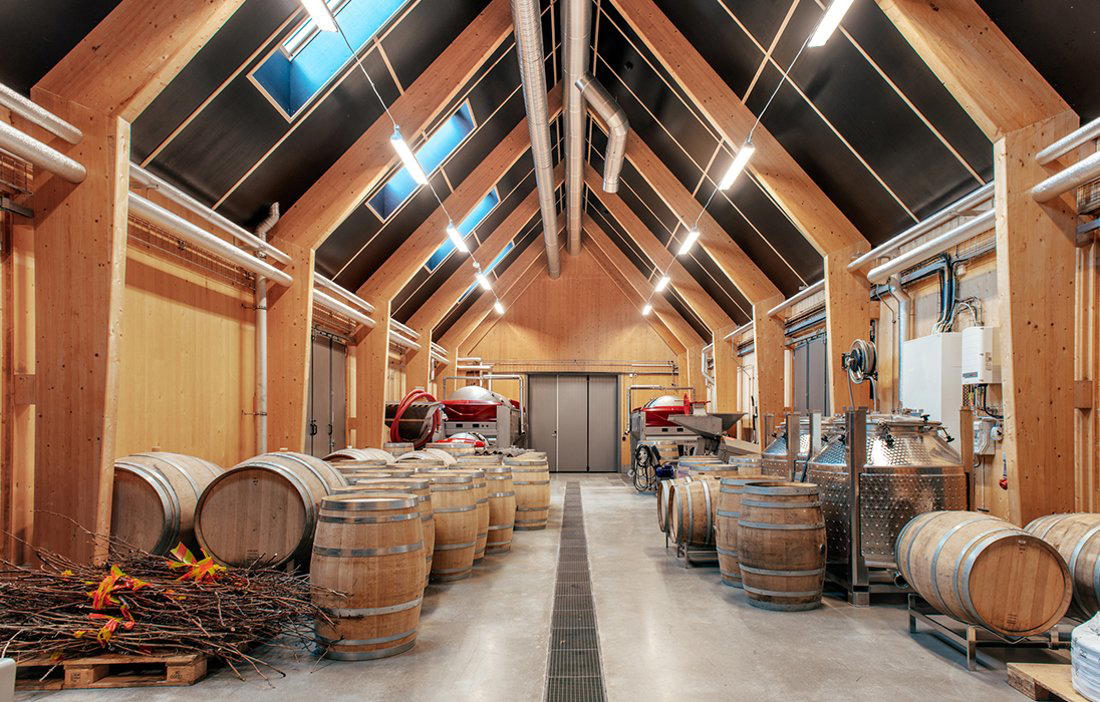
Charming, stylish, and relaxed countryside atmosphere with open kitchen views and natural, cozy surroundings.