
Tabelog 100 #41
Our verdict
Raamen Ajisai places Nakagawa Ward inside Nagoya’s serious ramen conversation rather than the station-area convenience circuit. The draw is not spectacle but format discipline: ramen and tsukemen, 14 seats, Tabelog Ramen AICHI 100 selection in 2025, and a reservation-only system that makes planning part of the meal.

Pearl is the En Primeur Club membership app, where members save venues, book tables and use the concierge.
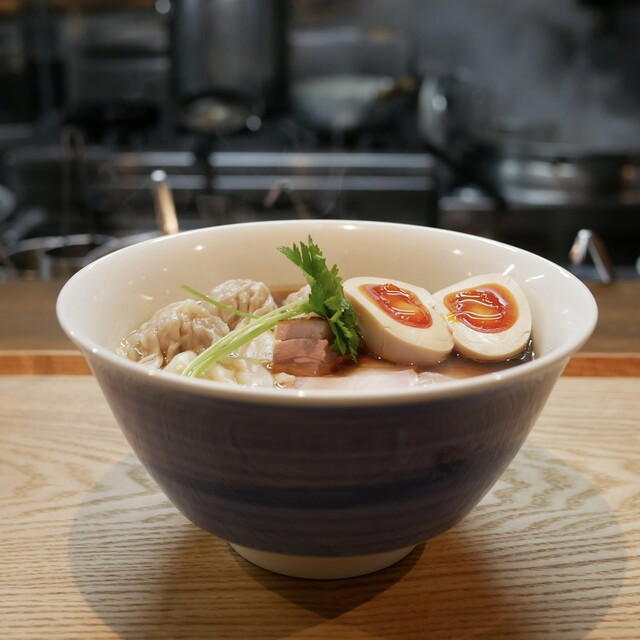
The menu
What to order
- Shoyu ramen
- Shoyu tsukemen
- Niboshi ramen
- Spicy tantanmen
Nagoya changes the rhythm of a ramen meal. Away from the most obvious visitor circuits, the approach can feel more intentional, with a bowl treated less as a quick stop than a planned sitting. In that context, Raamen Ajisai fits a newer ramen culture in Japan: compact in focus, award-noted, tightly defined, and closer to a specialist counter than a casual noodle stop.
Nagoya’s ramen identity is often overshadowed by louder local staples: miso katsu, hitsumabushi, kishimen, tebasaki. That makes serious ramen addresses more interesting, because they must earn attention without an obvious tourist script. Raamen Ajisai sits in that lane, with ramen and tsukemen as the core categories and a Tabelog score of 4.03 attached to its 2025 Tabelog Ramen AICHI 100 selection. For diners comparing Nagoya noodle rooms, that places it in a more deliberate conversation with ramen addresses such as Ramen Daruma Shokudo or Ramen Aoba, while also sitting alongside specialist soba addresses such as Tebiki Soba Isshin.
Nagoya makes the bowl feel destination-led
Ramen in central Japan is often judged by speed, turnover and proximity to transit. Here, geography shifts the decision. The meal is best understood as part of a Nagoya food plan rather than something folded casually into a shopping itinerary. Distance changes expectation. A diner who makes the trip is not simply grazing between appointments. The format asks for commitment, and the narrow category focus reinforces it.
Scale is part of the argument. Raamen Ajisai reads less like a broad, high-volume noodle operation and more like a focused ramen address where pacing and kitchen rhythm matter. Nagoya has plenty of everyday noodle options, and comparison venues such as Jinsei Gyoza and Menya Ierou sit in the wider casual-specialist conversation, but Ajisai’s award signal pulls it toward a more managed dining model. The point is not luxury. It is control: a clear category, less ambiguity, and a meal framed by intent rather than impulse.
That structure also suits tsukemen, a format that rewards attention. Dipping noodles are not simply ramen with the soup separated; they change the pace of eating, the role of temperature, and the way texture carries the meal. In Japan’s ramen hierarchy, strong tsukemen programs often signal a kitchen thinking beyond the standard bowl. The available categories here, ramen and tsukemen, define the restaurant’s lane without needing a longer menu narrative.
Recognition matters in a city where ramen competes with stronger local myths
Tabelog’s Hyakumeiten lists are not decorative badges in Japan’s food culture. They act as crowd-and-critic filters in categories where national attention is fragmented across hundreds of small operators. Ajisai’s 2025 AICHI ramen selection gives the venue a useful signal rather than vague acclaim. For a ramen shop outside the most obvious tourist script, that recognition carries more weight than generic popularity.
The useful comparison is not Michelin-style fine dining, but other specialist Japanese counters where format, focus and reputation become part of the value proposition. A ramen meal in this price band can be casual; a ramen meal with a strong selection signal becomes something else. It asks diners to treat a bowl with the seriousness they might bring to sushi, yakitori or soba, even if the bill stays closer to everyday Japanese dining.
There is also a Nagoya-specific reading. The city is comfortable with bold regional food identities, yet ramen here lacks the singular shorthand of Sapporo miso or Hakata tonkotsu. That leaves room for individual shops to define their audience through technique and consistency rather than city branding. Ajisai’s Nagoya setting, focused categories, and 2025 selection all point to that dynamic: the meal is local in placement, but its competitive set is broader Japanese specialist-counter culture.
How to think about the meal within a Nagoya itinerary
This suits travelers who build food days around one serious lunch rather than stacking too many marquee meals. The listed budget keeps it in the practical world of neighborhood ramen, not polished hotel dining, with both lunch and dinner guidance falling in the JPY 1,000 - JPY 1,999 range. That makes the planning question less about splurge and more about whether the detour fits the day.
Families and groups should think practically rather than assume a loose, all-purpose dining room. Many compact Japanese ramen counters are built around quick, focused eating, and the best approach is to confirm current service details before making the trip. The restaurant’s appeal is strongest for diners who are comfortable with a specialist format and who understand that ramen and tsukemen are the reason to go.
For broader trip planning, place this meal alongside the city’s other food categories rather than treating it as an isolated ramen errand. Our full Nagoya restaurants guide is the better frame for mapping it against local dining traditions, while Our full Nagoya hotels guide, Our full Nagoya bars guide, Our full Nagoya wineries guide, and Our full Nagoya experiences guide help determine whether Raamen Ajisai belongs in a dedicated food day or a wider city plan. Readers comparing Japanese casual-specialist formats may also find useful contrasts in other dining rooms in Nagoya and beyond, from compact counters to casual restaurants and bar-led food programs.
The editorial case for Raamen Ajisai is precise: not excess, not ceremony, but a disciplined ramen and tsukemen address whose Nagoya setting, focused categories and recognition separate it from casual convenience dining. In Nagoya, where stronger food myths often dominate the visitor agenda, that makes the detour legible.
Frequently asked questions
Where do I go for Raamen Ajisai?
Nagoya.
What should I budget for a meal at Raamen Ajisai?
Pricing at Raamen Ajisai is listed as JPY 1,000 - JPY 1,999 JPY 1,000 - JPY 1,999.
What time does Raamen Ajisai open and close?
Current opening hours for Raamen Ajisai should be confirmed directly before visiting.
What is Raamen Ajisai known for?
Raamen Ajisai is known for ramen and tsukemen in Nagoya. It has a Tabelog score of 4.03 and was selected for Tabelog Ramen AICHI "Tabelog 100" 2025.
Can Raamen Ajisai handle vegetarian requests?
The listed categories are ramen and tsukemen, so vegetarian requests are not an obvious fit. The practical approach is to confirm any dietary request before visiting.
Compact Comparison
Comparable venues in the metro at similar price points.
| Venue | Cuisine | Price | Awards | Notes |
|---|---|---|---|---|
| Raamen AjisaiThis venue (the venue you are viewing) | Modern Nagoya shoyu ramen & tsukemen | $20–30 | Tabelog 100 #41 | Not listed |
| Jinsei Gyoza | Casual Chinese Gyoza & Ramen Shop | $10–20 | Tabelog 100 #26 | JPY 1,000 - JPY 1,999 - JPY 999 |
| Menya Ierou | Japanese Ramen | Not listed | Tabelog 100 #98 | JPY 1,000 - JPY 1,999 JPY 1,000 - JPY 1,999 |
| Ramen Daruma Shokudo | Ramen and Japanese curry diner | $10–20 | Tabelog 100 #74 | JPY 999 - JPY 999 |
| Ramen Aoba | Japanese Ramen | $1–10 | Tabelog 100 #71 | JPY 999 - JPY 999 |
| Tebiki Soba Isshin | Traditional Soba & Tempura | $20–30 | Tabelog 100 #18 | JPY 2,000 - JPY 2,999 JPY 2,000 - JPY 2,999 |
Recognition history
Dated appearances from independent guides and award organizations, with the underlying list record or original source where available.
Tabelog 100 #41 · No. 41
Tabelog · Tabelog 100 - Ramen - AICHI - 2025
Continue exploring
More in Nagoya
Restaurants in Nagoya
All restaurants in Nagoya →






Details
- Cozy
- Lively
- Solo
- Casual Hangout
- Standalone
- Local Sourcing
- A La Carte
- Counter Dining
Current opening hours
- Monday
- Closed
- Tuesday
- 11 AM–3 PM
- Wednesday
- 11 AM–3 PM
- Thursday
- 11 AM–3 PM
- Friday
- 11 AM–3 PM
- Saturday
- 11 AM–3 PM
- Sunday
- 11 AM–3 PM
Hours can change for holidays and private events. Hours as of .
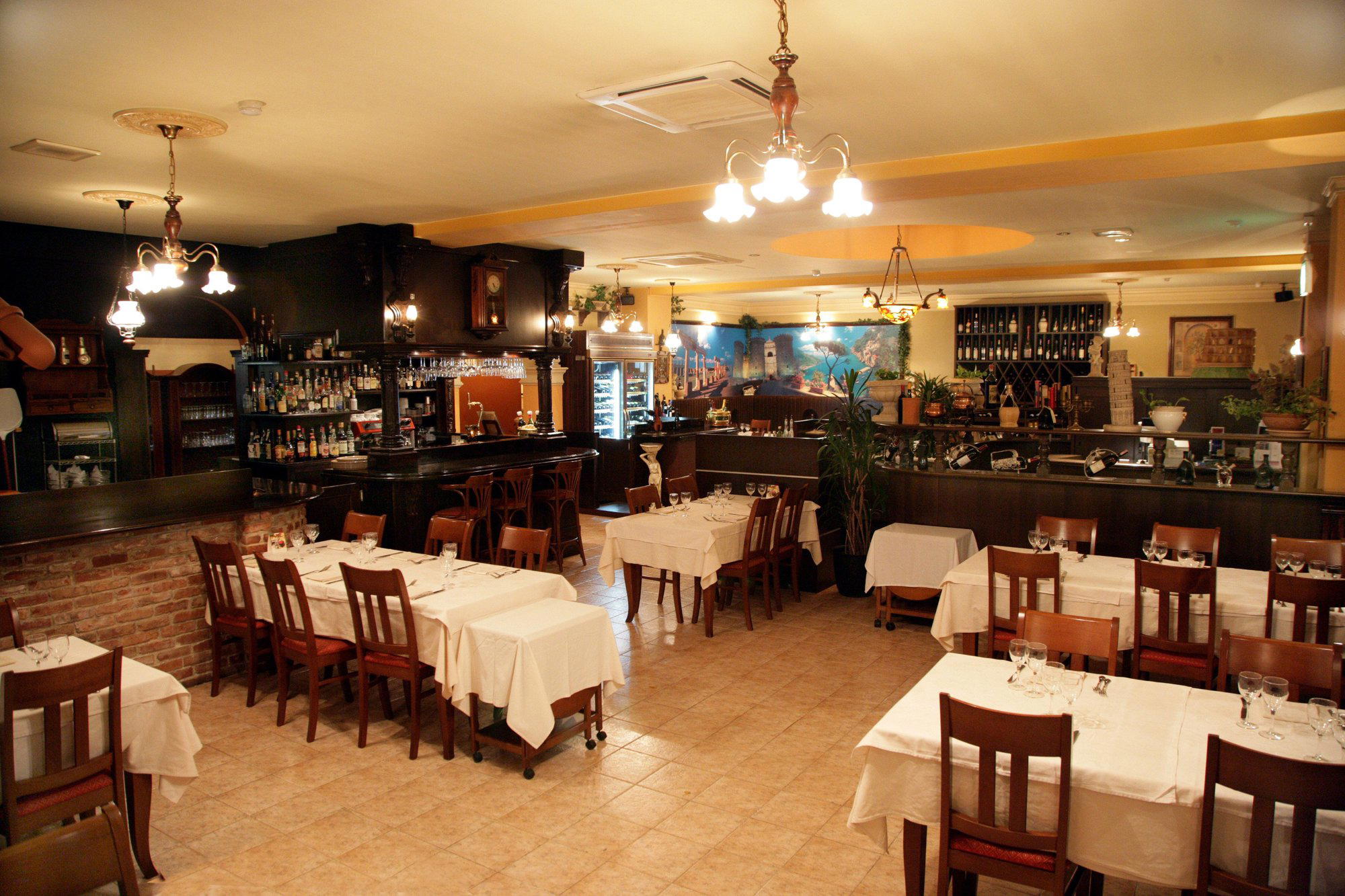
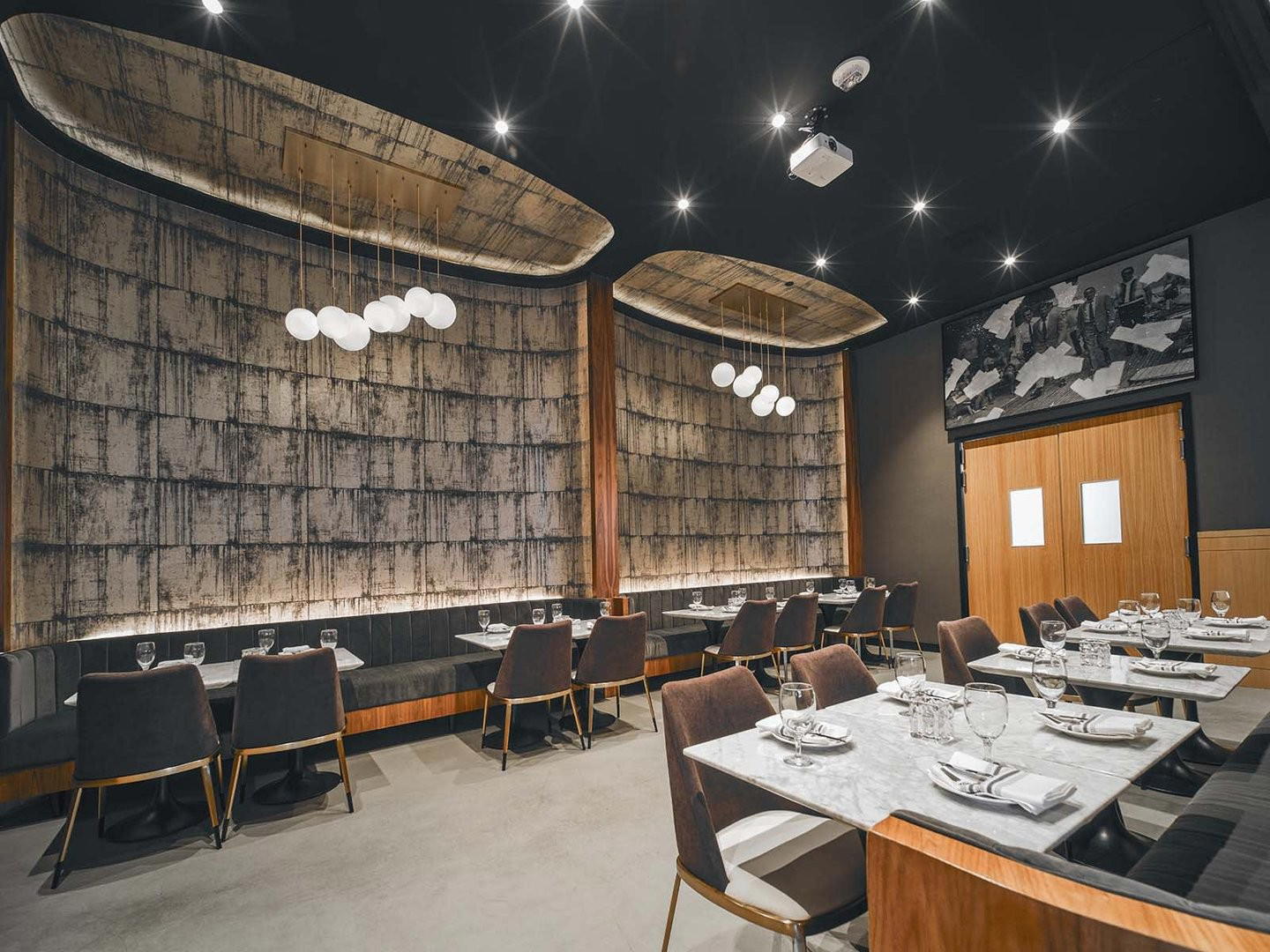
A small 14-seat ramen shop with counter-focused seating, bright and functional rather than decorative, where the focus is on quietly but briskly enjoying meticulously crafted shoyu ramen; the atmosphere is energetic at peak times due to long waits and limited seats but feels cozy and personal once seated.