
Tabelog 100 #98
Our verdict
Nagoya’s ramen scene rewards small shops with tight formats, low prices, and local loyalty rather than ceremony. Menya Ierou sits in that bracket with ramen and tsukemen, a Tabelog Ramen AICHI “Tabelog 100” 2025 selection, a 12-seat room, and pricing in the everyday ramen range rather than the tasting-menu economy.

Pearl is the En Primeur Club membership app, where members save venues, book tables and use the concierge.
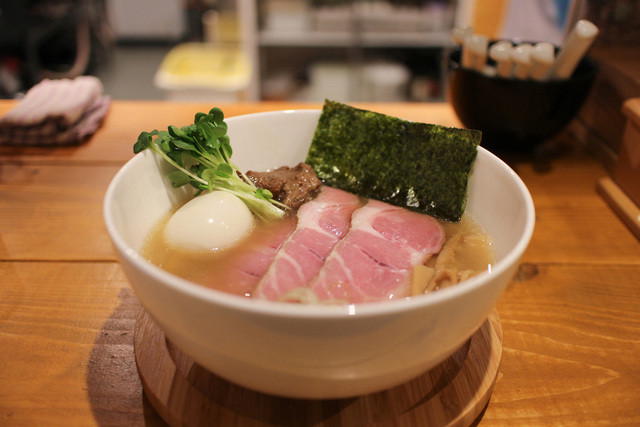
The approach is residential, not theatrical: a small shop in Nagoya, suited to a deliberate lunch or early-evening detour, but far from hotel-lobby dining. Travelers often misunderstand this part of Japanese ramen culture. The signal is not linen, wine pairings, or chef biography; it is throughput, a focused room, repeat local traffic, and a bowl or dipping-noodle format that must justify itself quickly.
Nagoya’s restaurant identity is often reduced to regional staples, but its ramen map is equally instructive. Aichi ramen shops compete in a narrow band where prices stay accessible and reputation comes from consistency, not spectacle. Menya Ierou belongs to that world: ramen and tsukemen, selected for Tabelog Ramen AICHI “Tabelog 100” 2025, and rated 3.67 on Tabelog. That places it in a serious local conversation without pushing it into the luxury-dining grammar that defines parts of Japan’s food press.
A small Nagoya ramen room where format matters more than theatre
Ramen service depends on coordination more than visible ceremony. In a compact shop, the kitchen sets the rhythm, the room shortens the distance between cooking and eating, and front-of-house work is judged by pace, order, and turnover. Menya Ierou’s appeal sits in that kind of directness. The meal reads less as a stage for one personality than as a focused operation built around noodles, broth, and timing.
That matters for tsukemen. Dipping noodles ask more from the room than a standard bowl: timing, heat retention, and pacing all shape the format. The category listing identifies both ramen and tsukemen, placing the shop in a broader Aichi pattern where noodle specialists serve more than one expression of the genre without becoming generalist restaurants. The point is not variety for its own sake, but discipline within a narrow field.
Pricing also explains the appeal. With lunch and dinner both listed at JPY 1,000 to JPY 1,999, the shop sits in the daily-use ramen tier, not the destination-menu tier. Set beside Nagoya peers such as Raamen Ajisai, Jinsei Gyoza, Ramen Aoba, Ramen Daruma Shokudo, and BISTRO YOKOCHO, it reads as a category-specific stop rather than a broad dining-room comparison. In Nagoya terms, this is a low-barrier way to read a serious local specialty category.
Why the 2025 Tabelog 100 selection matters in Aichi ramen
Tabelog’s Hyakumeiten lists are useful because they capture depth within a category, not only polished fine dining. A 2025 Aichi ramen selection signals entry into a competitive regional group where small differences in broth style, noodle handling, and service rhythm matter to repeat diners. It is not a Michelin star and should not be read that way. For ramen, especially outside Tokyo, it is a practical marker: local relevance, category focus, and enough consistency to surface in a crowded field.
Menya Ierou’s selection carries weight because ramen is a competitive, high-churn category. Shops have to withstand changing demand, staffing challenges, shifting noodle trends, and the impatience of diners who can easily move on. The absence of an announced chef persona is not a weakness. Ramen often travels through shop identity, not individual celebrity; the better reading is operational: kitchen, service, and the compact format working within a tight frame.
For travelers building a Nagoya itinerary, context helps. A ramen stop in Nagoya has a different function from a formal dinner or a station-adjacent meal. It is category-specific, suited to readers who want to see how the city eats when the meal is quick, inexpensive, and technically judged by locals. For broader planning, Our full Nagoya restaurants guide is the logical starting point, while Our full Nagoya hotels guide, Our full Nagoya bars guide, Our full Nagoya wineries guide, and Our full Nagoya experiences guide help place the meal inside a wider city stay.
How to place it in a Japan food itinerary
The strongest use case is not a long celebratory meal, but a precise ramen stop for travelers who know Japan’s serious eating often happens at modest prices. The public listing places Menya Ierou in ramen and tsukemen, with lunch and dinner in the JPY 1,000 to JPY 1,999 band. Arrive prepared for a focused, local shop rhythm, eat on the room’s pace, and do not treat the experience like a lingering dining room.
In the larger arc of Japanese travel dining, Menya Ierou is a useful corrective. It reminds visitors that award recognition in Japan is not confined to grand counters or high-budget restaurants. Aichi’s ramen category has its own hierarchy, loyalists, and measures of seriousness. Readers cross-shopping other Japanese restaurant pages can use that lens when moving from Nagoya to other dining rooms in Tokyo, Osaka, Kumamoto, Kawasaki, Sapporo, and Kamakura. The comparison is not cuisine similarity; it is reading each city through the formats locals use.
Within Nagoya, the same principle applies across unrelated categories. Other local dining rooms may sit in very different modes, but the useful question is the same: what does the format reveal about the city? For readers extending the Japanese food lens abroad, overseas examples show how Japanese categories change outside Japan. In Nagoya, the lesson is compact and direct: a small ramen shop can carry serious local meaning without acting expensive.
Frequently asked questions
Is Menya Ierou open every day?
Check the venue's official channels for the latest details.
What's the pricing like at Menya Ierou?
Pricing at Menya Ierou is listed as JPY 1,000 - JPY 1,999 JPY 1,000 - JPY 1,999.
What's the address for Menya Ierou?
Nagoya.
What's the signature at Menya Ierou?
Those details are not published. Its 2025 Tabelog 100 Aichi selection signals that the kitchen is judged within the prefecture’s ramen field, and the public category listing identifies ramen and tsukemen. Check the venue's official channels for the latest details.
Can Menya Ierou adjust for dietary needs?
The shop lists ramen and tsukemen, with no stated dietary customisation in the public record. Any adjustment would need to be checked directly with the restaurant before a visit. Check the venue's official channels for the latest details.
The Minimal Set
Comparable venues by category and price.
| Venue | Cuisine | Price | Awards | Notes |
|---|---|---|---|---|
| Menya IerouThis venue (the venue you are viewing) | Japanese Ramen | Not listed | Tabelog 100 #98 | Not listed |
| Ramen Aoba | Japanese Ramen | $1–10 | Tabelog 100 #71 | JPY 999 - JPY 999 |
| Raamen Ajisai | Modern Nagoya shoyu ramen & tsukemen | $20–30 | Tabelog 100 #41 | JPY 1,000 - JPY 1,999 JPY 1,000 - JPY 1,999 |
| Jinsei Gyoza | Casual Chinese Gyoza & Ramen Shop | $10–20 | Tabelog 100 #26 | JPY 1,000 - JPY 1,999 - JPY 999 |
| Ramen Daruma Shokudo | Ramen and Japanese curry diner | $10–20 | Tabelog 100 #74 | JPY 999 - JPY 999 |
| BISTRO YOKOCHO | Not listed | Not listed | Tabelog 100 #31 | JPY 6,000 - JPY 7,999 View spending breakdown |
Recognition history
Dated appearances from independent guides and award organizations, with the underlying list record or original source where available.
Tabelog 100 #98 · No. 98
Tabelog · Tabelog 100 - Ramen - AICHI - 2025
Continue exploring
More in Nagoya
Restaurants in Nagoya
All restaurants in Nagoya →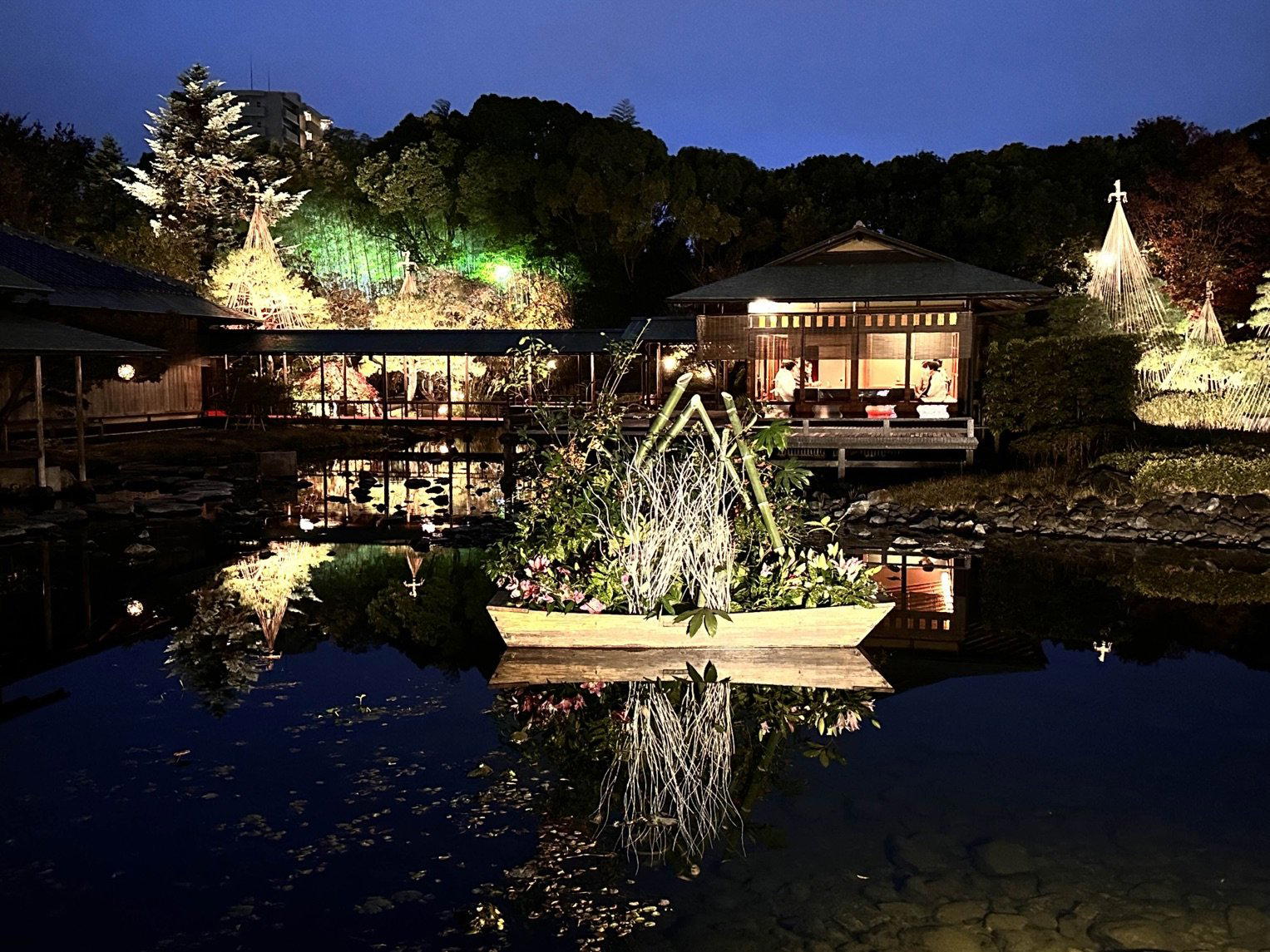






Details
- Cozy
- Classic
- Solo
- Casual Hangout
- Standalone
- Counter Dining
- A La Carte
Current opening hours
- Monday
- 11 AM–2 PM, 6–8 PM
- Tuesday
- Closed
- Wednesday
- Closed
- Thursday
- 11 AM–2 PM, 6–8 PM
- Friday
- 11 AM–2 PM, 6–8 PM
- Saturday
- 11 AM–2 PM, 6–8 PM
- Sunday
- 11 AM–2 PM, 6–8 PM
Hours can change for holidays and private events. Hours as of .
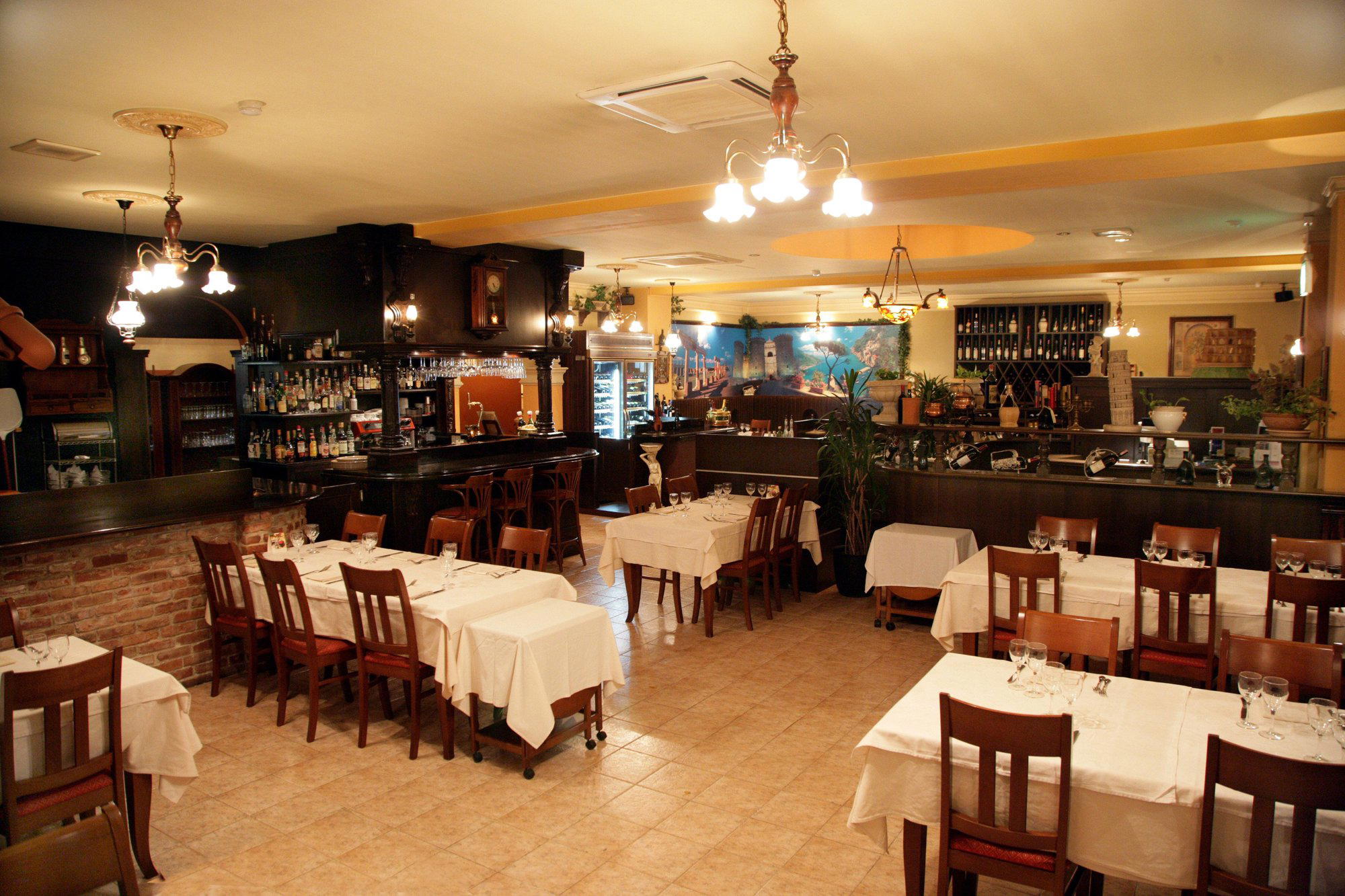
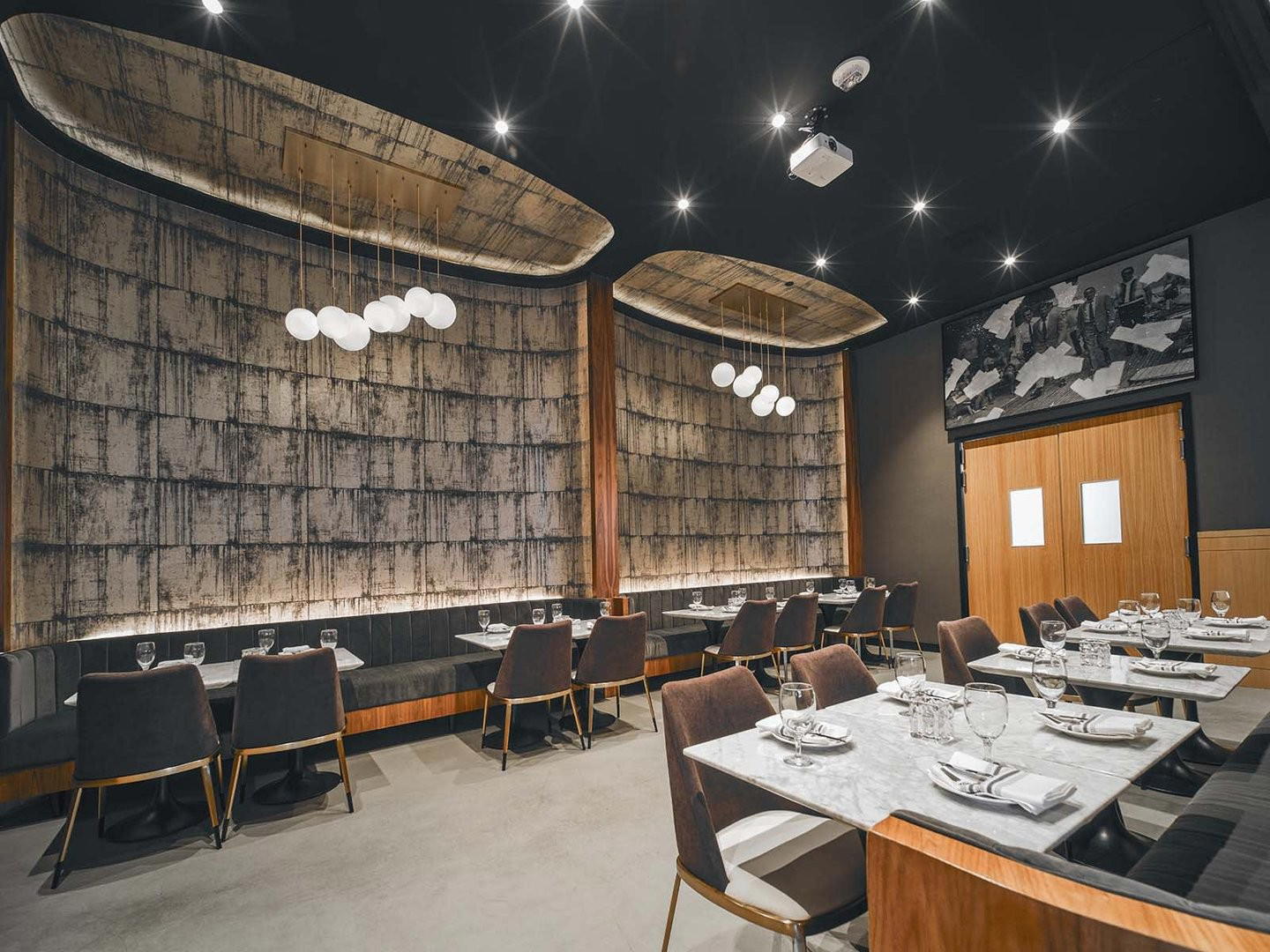
A direct, casual ramen-shop atmosphere focused on quick dining rather than a destination setting.