Our verdict
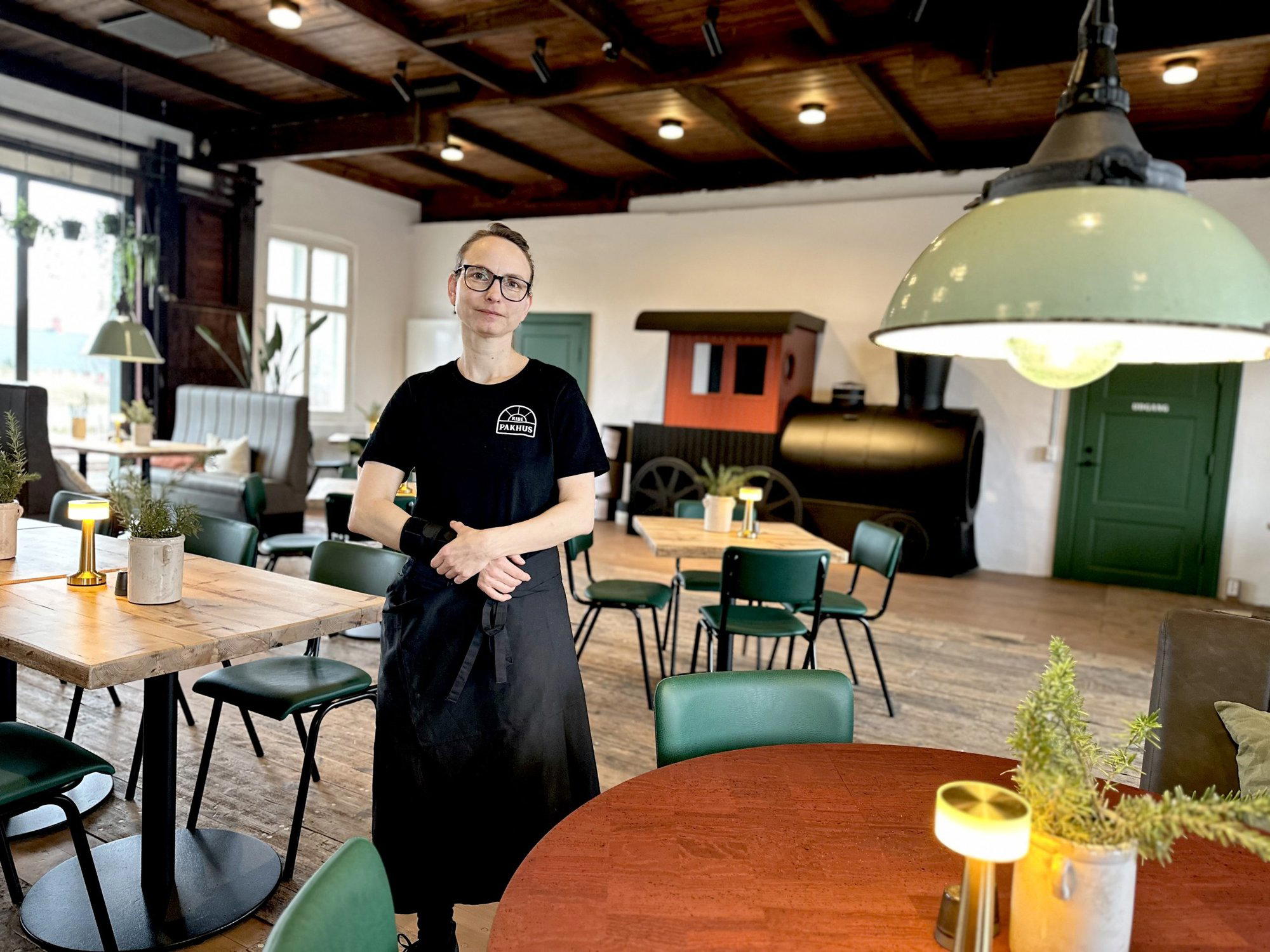
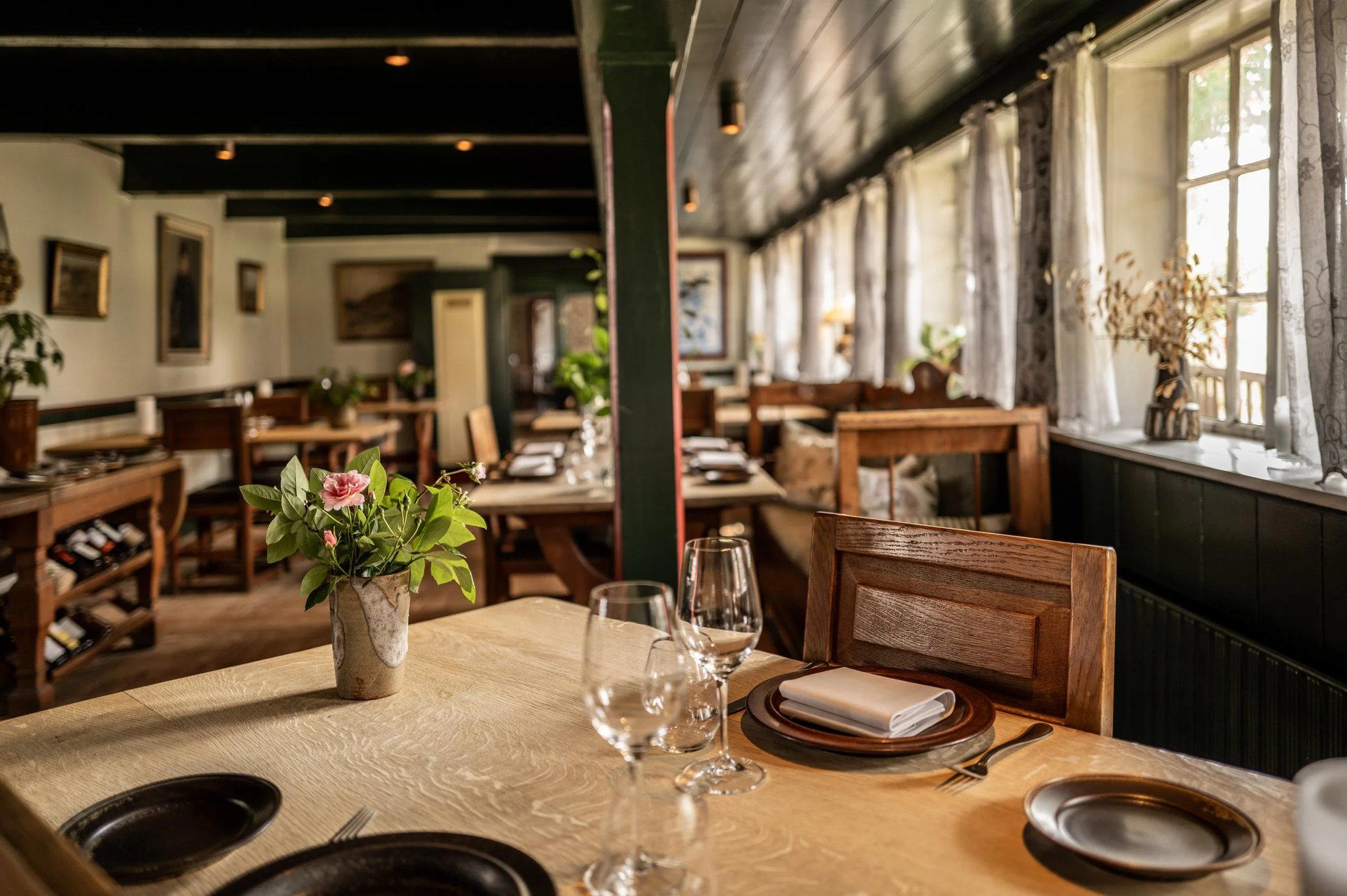
A converted warehouse on Ribe's historic waterfront, Ribe Pakhus sits in Denmark's oldest town and draws on the region's West Jutland produce and coastal identity. The setting alone earns attention: timber framing, freight-era architecture, and a harbour-side address that places it among the more atmospheric dining rooms in the province. For Ribe, it represents the upper tier of the local dining scene.

Pearl is the En Primeur Club membership app, where members save venues, book tables and use the concierge.
Warehouse Dining in Denmark's Oldest Town
Ribe holds a particular position in Danish geography and history. Founded around 700 AD, it is the oldest surviving town in Scandinavia, and its centre has changed less than almost any comparable settlement in Northern Europe. That context matters for understanding what dining here feels like. The buildings carry weight. The streets are narrow and uneven. And the warehouses that once processed goods arriving by river have, in several cases, been repurposed into the commercial and cultural fabric of a town that has learned to trade carefully on its own heritage.
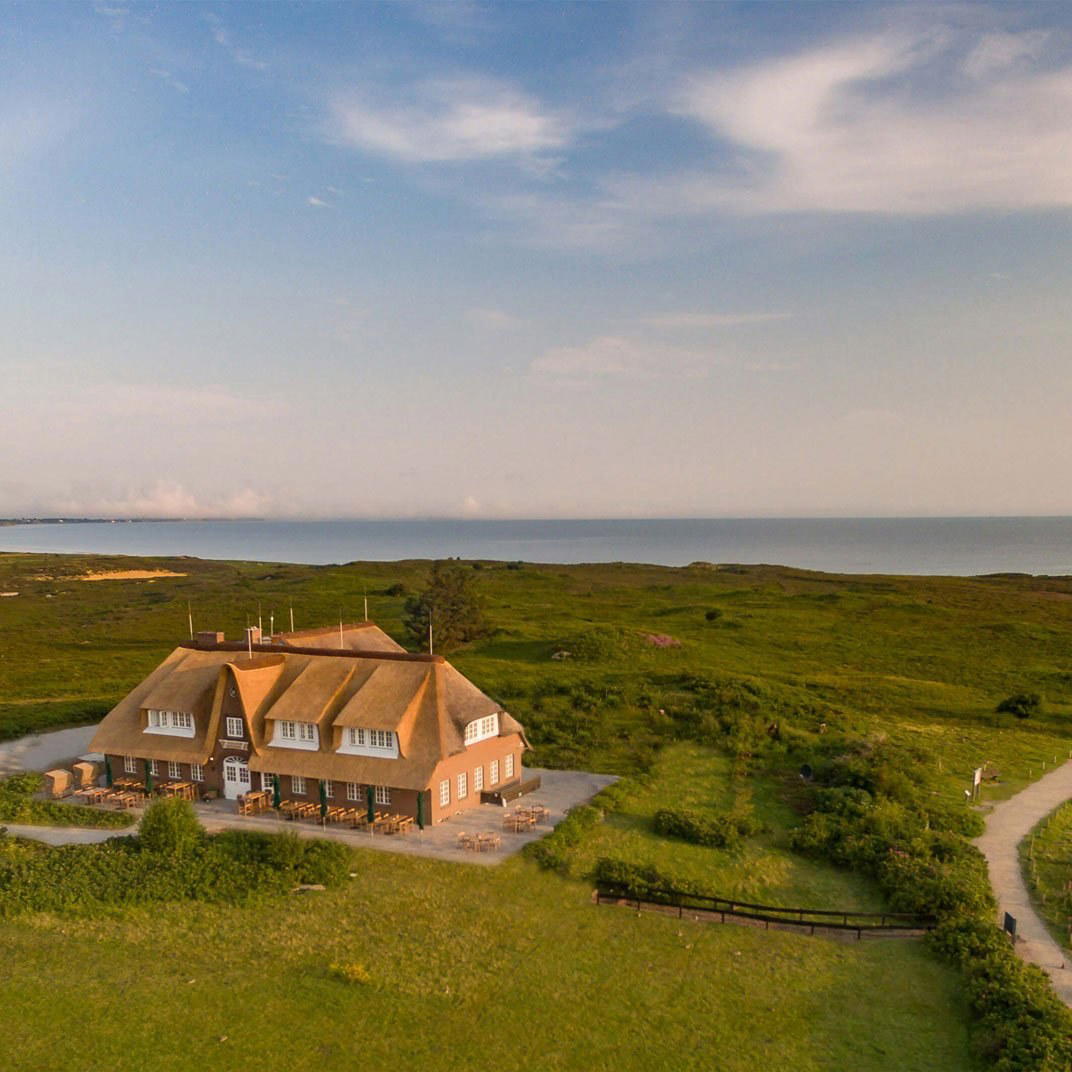
Ribe Pakhus occupies one such building on Rosen Alle, close to the river. Pakhus is the Danish word for warehouse, and the name is not decorative: the structure belongs to a tradition of utilitarian riverside storage that defined Ribe's commercial identity for centuries. Arriving here, particularly in low winter light or the long amber evenings of a Danish summer, is to encounter architecture that resists both renovation clichés and heritage-park stiffness. The physical envelope comes first, before any menu consideration.
Ethical Sourcing in a Region Built on Agriculture
West Jutland's agricultural credentials are serious. The flatlands around Ribe support dairy farming, lamb grazing on the marshes near the Wadden Sea UNESCO World Heritage Site, and a coastal fishing tradition that stretches into the North Sea. For any restaurant operating with genuine attention to provenance, the regional supply network here is an argument in itself. The marsh lamb of the area, raised on salt-grass pasture, is among the more distinctive proteins available anywhere in Denmark, carrying a mineral quality that reflects its environment directly.
The broader pattern across Scandinavian fine dining over the past two decades has moved decisively toward reduced waste, shorter supply chains, and ethical sourcing commitments. What began as a flagship approach at a small number of Copenhagen destination restaurants has migrated into mid-sized city dining and, increasingly, into provincial settings where the supply relationships are actually shorter and easier to maintain than in any capital city. A restaurant in Ribe can, in theory, source lamb from within a fifteen-minute drive, oysters from the Wadden Sea coast, and root vegetables from market gardens on the flat polders. The distance between field and plate compresses considerably when you operate outside the urban distribution model.
This matters because the sustainability story in Danish provincial dining is often more substantive than the equivalent claim made by urban restaurants with complicated logistics chains. Henne Kirkeby Kro in Henne, further north along the Jutland coast, has long demonstrated what a Michelin-level commitment to local provenance looks like in a rural West Danish setting. LYST in Vejle has applied similar thinking in a town of comparable scale to Ribe. The framework exists; the question for any individual venue is the depth and consistency of the commitment.
Where Ribe Pakhus Sits in the Local Scene
Ribe's restaurant offering is modest in volume but more varied than the town's size might suggest. The historic centre attracts Danish and German tourism throughout the year, with a pronounced peak through the summer months when the stork nests that have made Ribe famous across Northern Europe draw visitors from across the continent. That seasonal demand shapes how local restaurants operate, with summer service often extending further into the evening and reservation pressure rising sharply from late June through August.
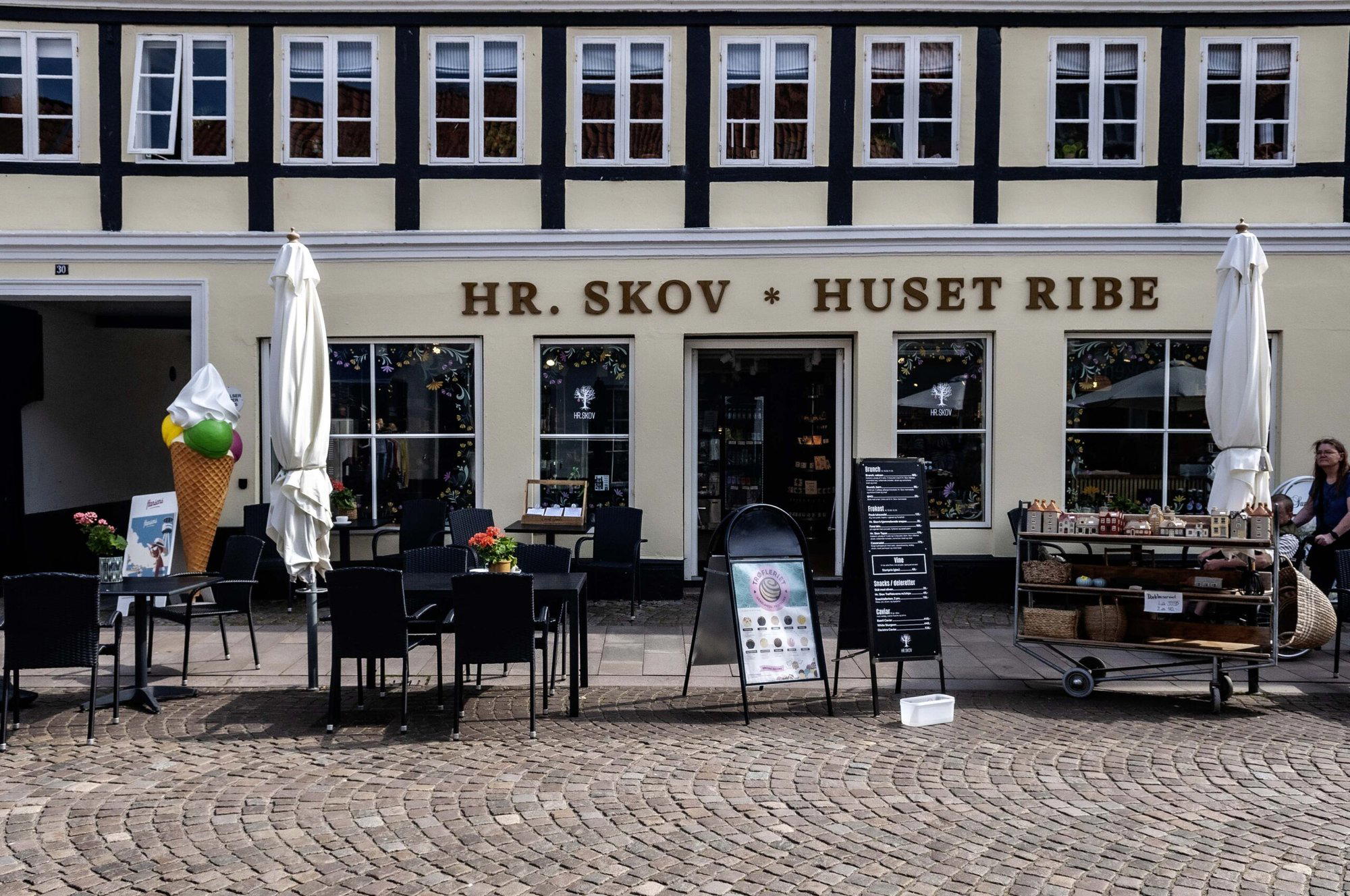
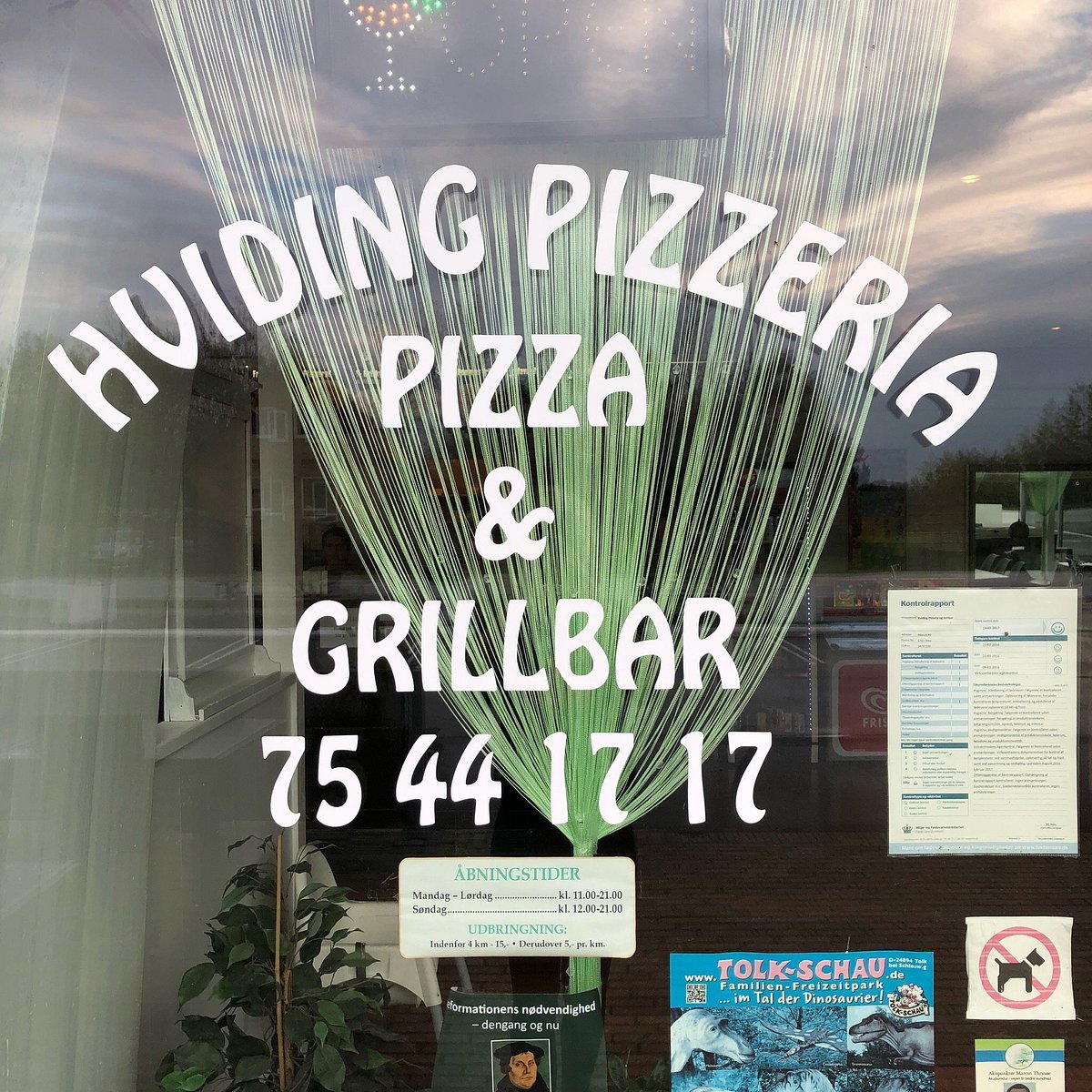
Within the town's dining tier, Ribe Pakhus occupies a position distinct from the more casual neighbourhood options. Café Sallys and Hviding Pizzeria og Restaurant serve a different function in the local ecosystem. Hr. Skov - Huset Ribe and Jacob A. Riis sit closer to comparable registers. Kammerslusen, positioned near the sluice gate at the edge of town, anchors the more scenic riverside end of the local range. Together, these venues map a scene that punches above the town's population weight, partly because the tourist economy sustains demand that a local population of around eight thousand would not generate alone.
For Danish provincial dining with stronger award recognition, the reference points sit outside Ribe: Frederikshøj in Aarhus, Alimentum in Aalborg, and ARO in Odense all operate within larger urban contexts. Domæne in Herning and Dragsholm Slot Gourmet in Hørve represent the country-house and rural-estate model. Ribe Pakhus occupies a different slot: a town-centre warehouse conversion in a historically significant settlement, serving a mixed visitor and local audience.
At the Copenhagen end of the national spectrum, Geranium and Jordnær in Gentofte set the benchmark for what Danish sourcing philosophy looks like at peak technical ambition. Frederiksminde in Præstø demonstrates the rural-retreat model in the south. These are not direct comparisons for Ribe Pakhus, but they frame the national conversation in which any Danish restaurant with provenance credentials is implicitly participating.
Planning a Visit
Ribe is accessible by train from Esbjerg, approximately thirty minutes west, which connects to the main Copenhagen rail corridor. From Aarhus, the journey runs roughly two hours by rail. Visitors arriving by car will find the historic centre compact enough to explore on foot once parked. Summer reservations, particularly for weekend evenings between June and August, benefit from advance planning given the seasonal concentration of demand. The address at Rosen Alle 2 places the venue close to the river and within easy walking distance of the cathedral and the Viking Museum, making it a natural anchor for a full day in Ribe. For a broader survey of where to eat and drink in the town, the full Ribe restaurants guide covers the range in detail.
Frequently asked questions
What's the vibe at Ribe Pakhus?
Ribe Pakhus occupies a converted riverside warehouse on Rosen Alle in Ribe, Scandinavia's oldest town, which sets the tone: exposed industrial architecture softened by a medieval streetscape just outside. The atmosphere runs architectural and unhurried rather than high-energy, suited to long dinners rather than quick meals. Expect a crowd that is a mix of Danish weekenders and German tourists drawn by the town's UNESCO-adjacent historic core.
Where is Ribe Pakhus in Ribe?
Ribe Pakhus is located at Rosen Alle 2, 6760 Ribe, Denmark, Ribe.
Is Ribe Pakhus a good restaurant for a day trip from Esbjerg or Aarhus?
Ribe is around thirty minutes from Esbjerg by train, which connects directly to the Copenhagen rail corridor, making a half-day or day trip straightforward. The Rosen Alle address places Ribe Pakhus inside the historic core, walkable from the station and close to Ribe Cathedral, so dining here pairs naturally with an afternoon in the medieval streetscape. Visitors coming from Aarhus should factor in a longer rail journey via Esbjerg.
What should I eat at Ribe Pakhus?
The regional larder around Ribe is the clearest guide to what lands well on the plate here. West Jutland's salt-marsh lamb, grazed on tidal meadows near the Wadden Sea, is among Denmark's most distinct meat products, and North Sea fish sourced from the Esbjerg corridor appears frequently on menus in this area. Shellfish from Wadden Sea tidal flats round out a larder that is strongly tied to geography rather than import dependency.
How hard is it to get a table at Ribe Pakhus?
Ribe draws substantially more visitors than its population of roughly eight thousand would suggest, particularly through summer and during peak heritage tourism weekends. Weekend evenings from June onward see demand spike from both Danish and German visitors, so booking ahead for Friday and Saturday sittings during that window is sensible. Midweek slots in shoulder months are considerably more accessible.
The Quick Read
Comparable venues nearby, for context on price, style, and recognition.
| Venue | Cuisine | Price | Notes |
|---|---|---|---|
| Ribe PakhusThis venue (the venue you are viewing) | Danish Café with Local and Modern Twists | Not listed | Not listed |
| Quedensgård Cafe Og Krambod | Ribe, Danish Cafe | $20–30 | Not listed |
| Mr. Fish Sushi Ribe | Japanese Sushi All-You-Can-Eat | $20–30 | Old Town, Japanese Sushi All-You-Can-Eat |
| Jacob A. Riis | Danish Steakhouse & Brasserie | $20–30 | Torvet (Main Square), Danish Steakhouse & Brasserie |
| Hr. Skov - Huset Ribe | Danish Brasserie Café | $20–30 | central Ribe, Danish Brasserie Café |
| Peking House | Chinese Buffet | Not listed | midt i gågade, Chinese Buffet |
Continue exploring
More in Ribe
Details
- Cozy
- Historic
- Rustic
- Casual Hangout
- Family
- Historic Building
- Local Sourcing
- Organic
- A La Carte
Current opening hours
- Monday
- Closed
- Tuesday
- 9 AM–5:30 PM
- Wednesday
- 9 AM–5:30 PM
- Thursday
- 9 AM–5:30 PM
- Friday
- 9 AM–6 PM
- Saturday
- 9 AM–3 PM
- Sunday
- Closed
Hours can change for holidays and private events. Last verified .
Atmospheric with historic charm, coziness (hygge), and modern conveniences, well-suited for relaxing and socializing.