Our verdict
Set in a medieval cellar on Ribe's central square, Vægterkælderen occupies one of the oldest towns in Scandinavia. The setting alone frames the visit: vaulted stone, candlelight, and the weight of centuries underfoot. For travellers passing through southwest Jutland, it sits within a tight cluster of dining options that reward those who linger rather than rush.

Pearl is the En Primeur Club membership app, where members save venues, book tables and use the concierge.
The menu
What to order
- Juicy steaks
- Pickled herring
- Plaice fillet
Stone, Candlelight, and the Weight of Ribe's Square
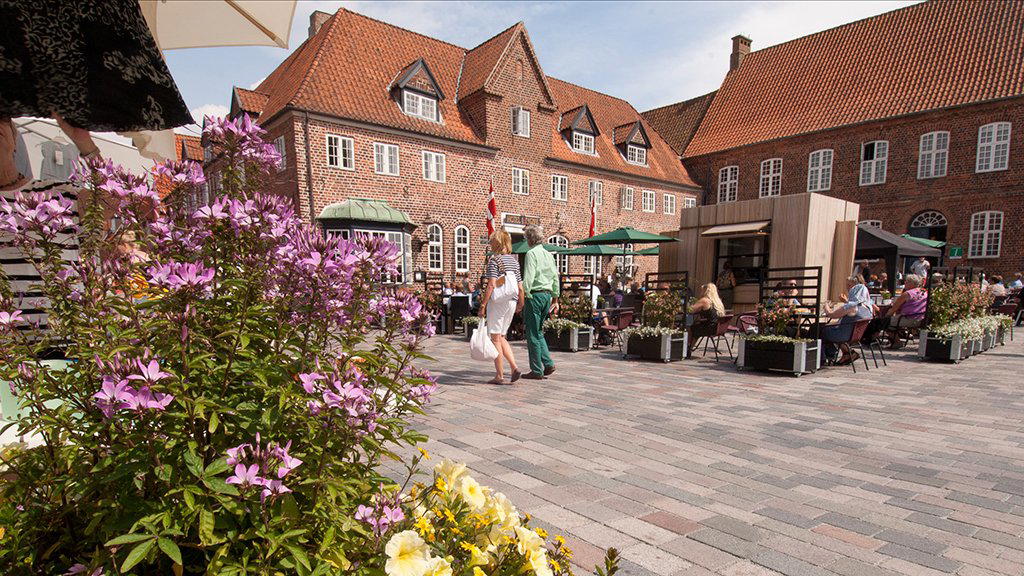
Ribe is Denmark's oldest surviving town, a designation that carries architectural consequence. The streets around Torvet, the central market square, compress centuries of trade, religion, and civic life into a walkable radius. Arriving at Torvet 1 after dark in the colder months, when the square empties and the Cathedral's tower holds the only vertical light, is to experience a particular kind of northern European stillness that very few city restaurants can replicate. Vægterkælderen operates within this context, in a below-street-level space whose stone walls predate most of what passes for history in newer Scandinavian cities.
That physical environment shapes every dimension of a visit here. Cellar dining in Scandinavia tends to occupy a specific register, somewhere between the communal warmth of a kro and the deliberate atmosphere of a heritage venue, and Ribe's version carries the added resonance of a town that was already a commercial hub in the Viking Age. The sensory baseline, before food or drink enters the picture, is low ceilings, thick masonry, and the particular acoustic quality of a room that absorbs rather than reflects. Conversations stay at the table. The outside world recedes.
Where Vægterkælderen Sits in Ribe's Dining Scene
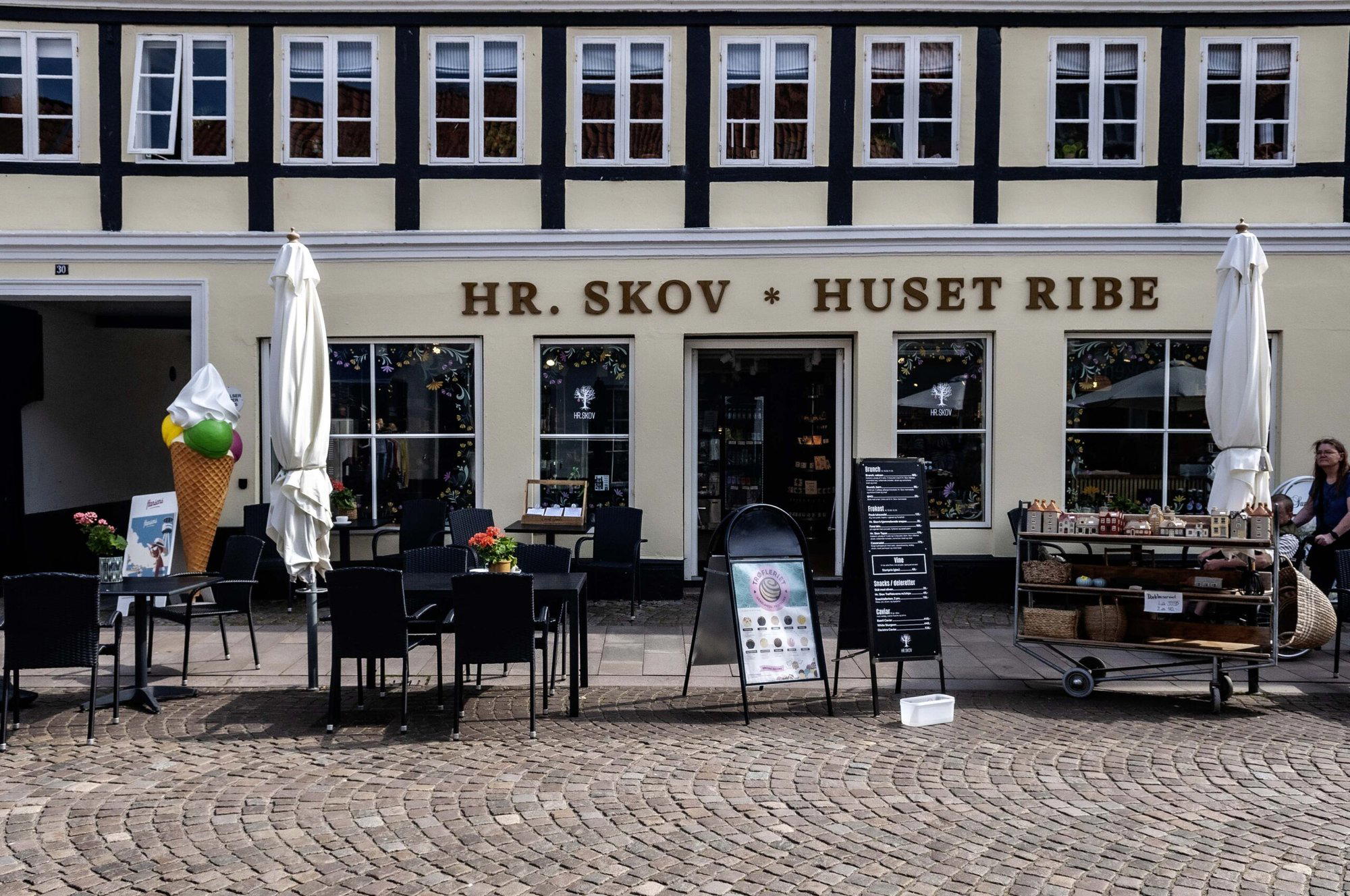
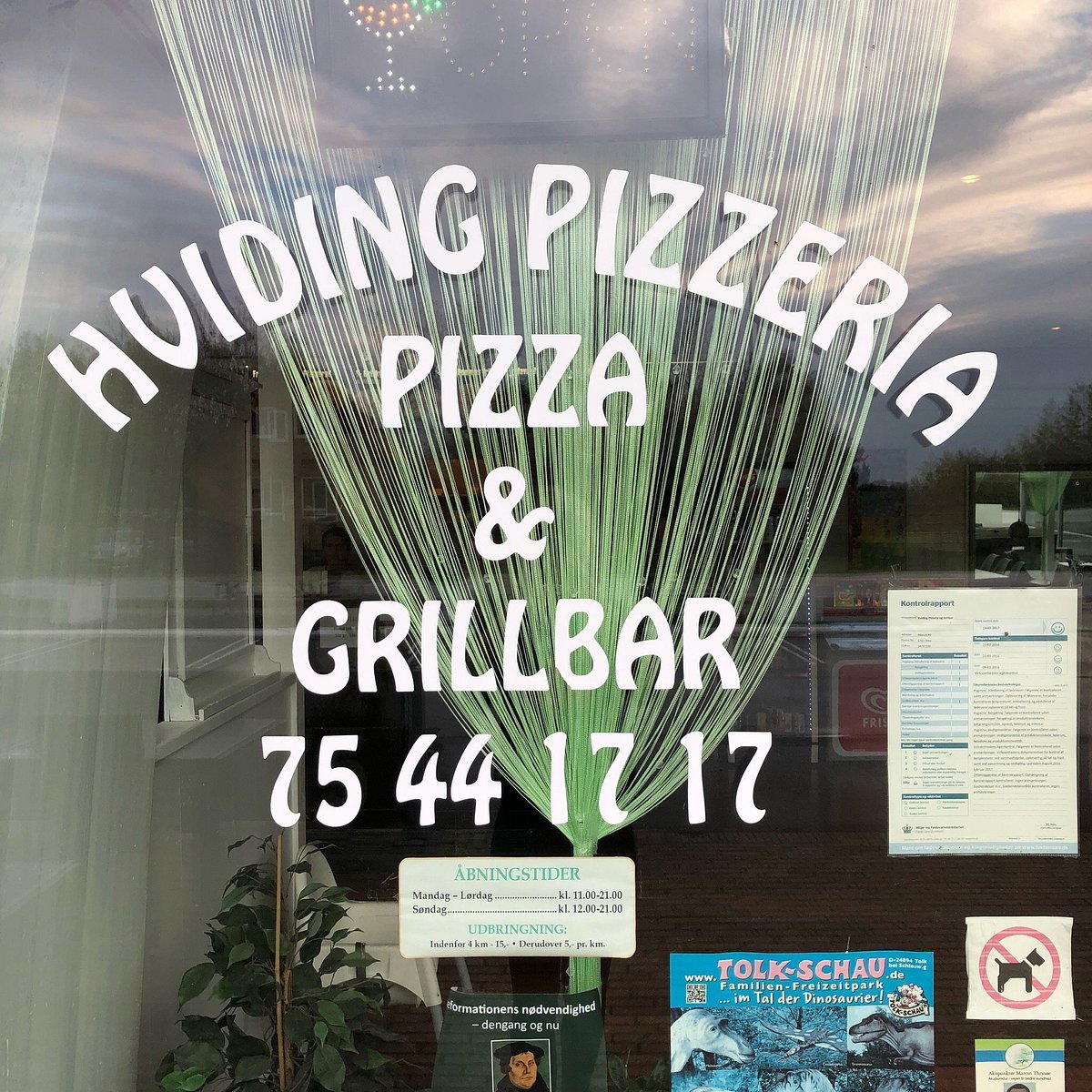
Ribe is not a large town, and its restaurant scene reflects that. A handful of addresses hold the visiting trade, each occupying a distinct position. Café Sallys and Hviding Pizzeria og Restaurant serve the more casual end of the market. Hr. Skov - Huset Ribe and Jacob A. Riis operate at a more considered level. Kammerslusen, positioned along the marshland edge of town, offers a different atmosphere altogether, oriented toward the tidal landscape west of the centre.
Vægterkælderen's location on the square places it at the geographic and symbolic heart of the town's hospitality. For visitors spending a night or two in Ribe, and the town rewards an overnight rather than a day trip, the central position makes it a logical anchor for an evening, particularly in autumn and winter when the square takes on its most atmospheric character. See our full Ribe restaurants guide for a broader view of what the town offers across formats and price points.
The Cellar Format and What It Demands of a Kitchen
Below-street venues in historic European towns carry an implicit promise: the room will do much of the work. The risk is that kitchens lean on the atmosphere and underperform on the plate. The better cellar restaurants across Scandinavia and northern Europe have learned to align the food with the register of the space, rooted, seasonal, unhurried, rather than import something that fights against it. Danish cooking in this provincial tier has historically drawn on smørrebrød traditions, braised and cured preparations, and produce from the surrounding marshland and Wadden Sea coast, a region whose ingredient profile differs meaningfully from the Copenhagen produce networks that supply the capital's fine dining circuit.
Denmark's most decorated kitchens, among them Geranium in Copenhagen and Jordnær in Gentofte, have built international reputations on exactly this kind of regional specificity applied at high technical precision. Outside those urban anchors, places like Henne Kirkeby Kro in Henne, not far along the Jutland coast from Ribe, show how a provincial address can sustain serious cooking when the kitchen commits to its geography rather than approximating what the capital is doing. The broader provincial scene across Jutland, from Frederikshøj in Aarhus to LYST in Vejle and Alimentum in Aalborg, has shifted over the past decade toward this kind of confident localism. Ribe, sitting at the southwestern edge of that geography, carries its own distinct ingredient logic rooted in the Wadden Sea tidal flats and the farmland of South Jutland.
Arriving in Ribe: Logistics and Timing
Ribe is accessible by rail from Esbjerg, with connections from Copenhagen via Fredericia taking roughly three hours in total. By car from Esbjerg, the journey is around 35 kilometres. The town is compact enough that Torvet is within five minutes' walk of most accommodation. For a visit to Vægterkælderen specifically, the autumn and winter months carry the strongest atmospheric argument: the square is quieter, the light is lower, and the cellar format feels most coherent when the temperature outside justifies descending into a warm stone room. Summer visits are busy, Ribe draws a significant heritage tourism volume between June and August, and the evening dynamics of the square shift accordingly.
Travellers combining southwest Jutland with the Danish islands might cross-reference venues like Frederiksminde in Præstø or Dragsholm Slot Gourmet in Hørve for the Zealand leg of a wider itinerary. Those planning a longer Danish circuit will find comparison points in the island-based fine dining tradition, which operates in a different register from Jutland's more grounded provincial style. For reference further afield, the gap between a destination like Le Bernardin in New York City or Atomix in New York City and a historic cellar venue in a small Danish market town is not a failure of ambition on Ribe's part, it is a difference of category, purpose, and audience that serves each format correctly.
For Jutland-wide context, ARO in Odense and Domæne in Herning represent the more formally ambitious end of provincial Danish dining, offering a useful benchmark when calibrating expectations across the region.
Planning Your Visit
Vægterkælderen sits at Torvet 1 in central Ribe, on the main square directly adjacent to the Cathedral district. As with most venues in small Danish towns, advance contact is advisable for weekend evenings and during the peak summer heritage season, when visitor numbers outpace local capacity. The venue is leading treated as an evening destination rather than a lunch stop, given that the cellar atmosphere is most coherent after dark.
Frequently asked questions
Is Vægterkælderen suitable for children?
Ribe itself is a town that attracts family visitors year-round, and Torvet, the central square where Vægterkælderen sits at number 1, is accessible and central to any family itinerary. Whether the venue's cellar format and likely evening-focused service suits younger children is worth checking directly before booking, as below-street dining rooms in historic European towns tend toward atmosphere over practicality for small groups.
Is Vægterkælderen formal or casual?
No dress code is documented for Vægterkælderen. Cellar venues of its type in small Danish towns, Ribe has a population under 10,000, typically sit somewhere between relaxed and considered: not a jeans-and-trainers setting, but not black-tie either. Dressing for dinner rather than for a café is a reasonable working rule.
What makes dining at Vægterkælderen different from other restaurants in Ribe?
Vægterkælderen's position at Torvet 1 places it directly on Ribe's central market square, in immediate proximity to the Cathedral district, a combination few addresses in this small town can match. The below-street cellar format adds architectural depth that above-ground dining rooms in the area cannot replicate. Ribe's restaurant scene is compact, and a venue holding this specific square address occupies a distinct position within it.
What do people recommend at Vægterkælderen?
Given its address at Torvet 1 in Ribe, the heart of Denmark's oldest surviving town, the setting itself is part of what draws visitors. For current menu highlights, contacting the venue directly or checking recent visitor reviews before arrival will give a more accurate read than any standing recommendation.
Comparable Venues
Comparable venues nearby, for context on price, style, and recognition.
| Venue | Cuisine | Price | Notes |
|---|---|---|---|
| VægterkælderenThis venue (the venue you are viewing) | Traditional Danish Cellar Bistro | $20–30 | Not listed |
| Ribe Pakhus | Danish Café with Local and Modern Twists | Not listed | Ribe |
| Hr. Skov - Huset Ribe | Danish Brasserie Café | $20–30 | central Ribe |
| Hviding Pizzeria og Restaurant | Italian Pizza | $10–20 | Ribe center |
| Pinocchio | Italian Pizza and Pasta | $20–30 | historic center |
| Postgaarden | Danish Pub & Café | Not listed | Ribe Old Town |
Continue exploring
More in Ribe
Details
- Cozy
- Rustic
- Historic
- Classic
- Casual Hangout
- Family
- Historic Building
- Extensive Wine List
- Local Sourcing
- A La Carte
Current opening hours
- Monday
- 12–4 PM, 5–10 PM
- Tuesday
- 12–4 PM, 5–10 PM
- Wednesday
- 12–4 PM, 5–10 PM
- Thursday
- 12–4 PM, 5–10 PM
- Friday
- 12–4 PM, 5–10 PM
- Saturday
- 12–4 PM, 5–10 PM
- Sunday
- 12–11 PM
Hours can change for holidays and private events. Last verified .
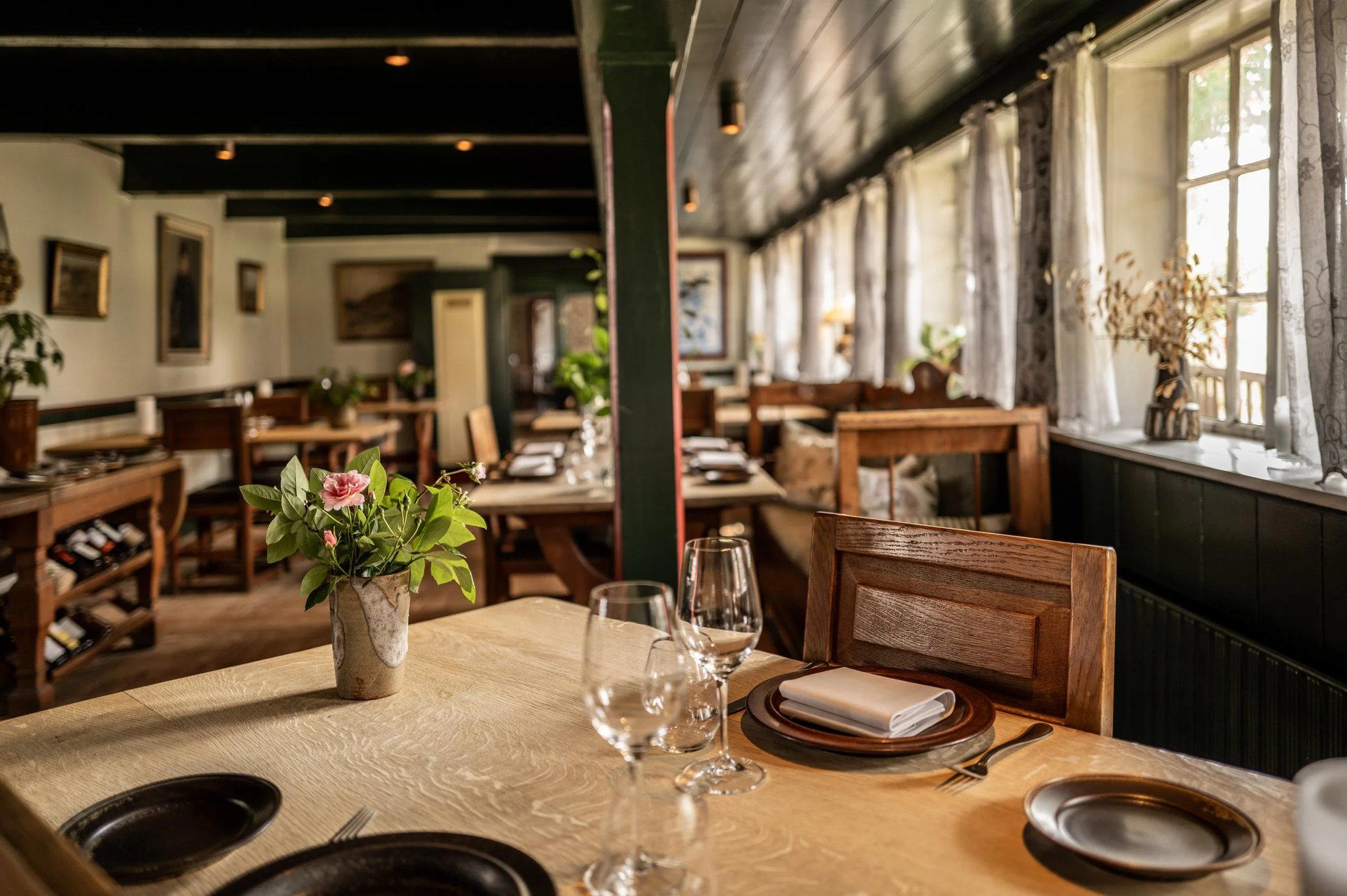
Cozy and relaxed atmosphere in centuries-old vaulted cellar with informal but stylish bistro-café vibe.