Que Sazon
On East Adams Street in downtown Phoenix, Que Sazon occupies a stretch of the city where Latin culinary traditions and neighborhood character intersect. The name itself signals sazon, that quality of seasoning and depth that separates a confident kitchen from a merely competent one. For Phoenix diners tracking where the city's Latin dining scene is developing, this address is worth attention.
Pearl is the En Primeur Club membership app — saves, bookings, and concierge access live there. Same editors, same standards.
- Address
- 622 E Adams St, Phoenix, AZ 85004
- Phone
- +16029192246
- Website
- quesazonrestaurant.com
- Directions
- Get directions
 Saves & bookings on Pearl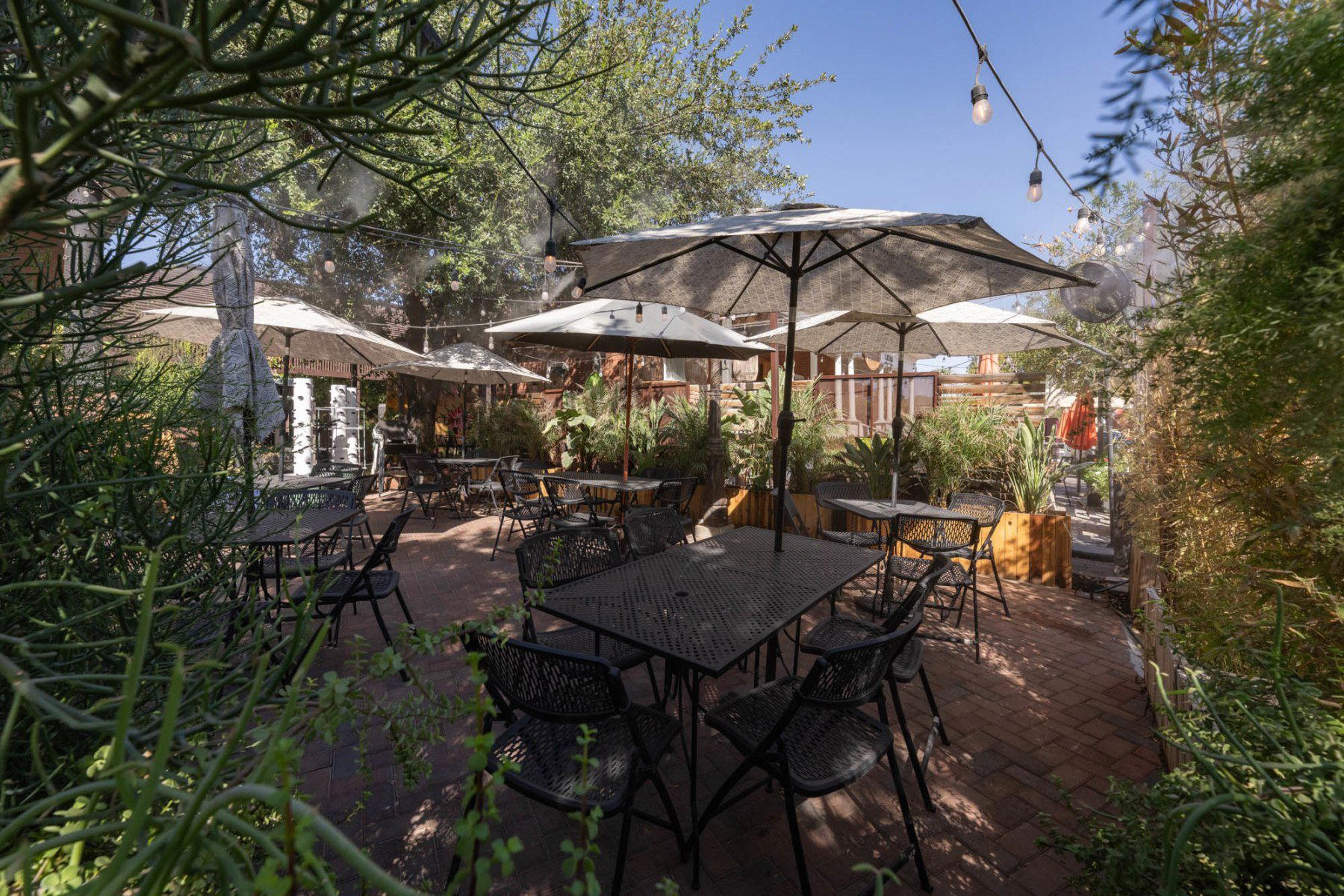
East Adams and the Rhythm of Downtown Phoenix Dining
Downtown Phoenix has spent the better part of a decade sorting itself out. The stretch of East Adams Street where Que Sazon sits at 622 is part of that recalibration, a corridor where arts district energy meets the practical business of feeding a neighborhood that now includes residents, office workers, and visitors who arrived for something other than a resort pool. In Phoenix, addresses like this one carry a different kind of weight. They represent a dining culture that is growing toward itself rather than performing for an audience.
The name Que Sazon translates roughly as "what flavor" or, more colloquially, "what seasoning", a phrase rooted in Latin American kitchen culture where sazon is less a specific spice blend and more a judgment call, a cook's instinct applied at the right moment. That framing sets an expectation before you walk in: this is a kitchen that thinks in terms of depth and balance rather than novelty. In a city where Latin cuisine spans everything from Sonoran-tradition spots like Bacanora to French-inflected Southwestern cooking at Vincent Guerithault on Camelback, understanding where a new address positions itself within that range matters.
The Dining Ritual: Pacing and Intention
Latin American dining customs vary considerably by country of origin, but several threads run across them: a preference for meals that move slowly enough to allow conversation, an expectation that the kitchen will signal care through seasoning rather than presentation theatrics, and a sense that the meal is a social act as much as a gustatory one. At the more casual end of the market, this often means counter service and plates designed for fast turnover. At the more considered end, it means a kitchen that earns its pace, courses or plates that arrive with enough interval to breathe, where the table becomes a place to linger rather than clear.
The broader American fine-dining circuit has absorbed some of these instincts, though often through a curatorial lens that can feel distant from the source. Restaurants like Atomix in New York City demonstrate how ritual and pacing can be formalized into a full tasting structure. At the other end of the architecture spectrum, community-oriented formats at places like Lazy Bear in San Francisco use communal seating to restore the social dimension that formal dining sometimes strips away. The question for a neighborhood address like Que Sazon is how much structure, how much ease, and whether the kitchen uses that balance to its advantage.
Phoenix's Latin Dining Context
Arizona's proximity to Mexico gives its Latin food culture a specific gravity that other American cities have to import. Sonoran cuisine, defined by flour tortillas, carne asada, and green chile as structural ingredients rather than accents, functions as a baseline here in a way that has no real parallel in cities like Chicago or New York. The conversations happening at places like Bacanora are partly about how a kitchen honors that tradition while addressing a more varied audience. For an address on East Adams, that regional weight is both an advantage and a frame: diners arrive with formed expectations about what Latin cooking in this city should feel like, and any kitchen that wants to do something beyond the expected has to acknowledge what it is departing from.
Downtown Phoenix's dining density has increased significantly over the past several years, with independent operators joining the corridor alongside hotel dining programs. The result is a more layered competitive set than the neighborhood carried a decade ago. Spots like Pane Bianco and Lom Wong illustrate the range: from ingredient-focused simplicity to technique-led cuisine drawing on traditions far outside Arizona. Que Sazon enters this environment at a moment when Phoenix diners have more reference points than they once did, which raises the bar for what a new kitchen has to communicate to earn its place.
What the Address Signals
A restaurant on East Adams in the current downtown Phoenix context is making a particular kind of statement. It is not in the resort corridor. It is not attached to a hotel program with a built-in audience. It is a neighborhood address asking neighborhood diners, and those willing to make the trip, to show up on its terms. That is a harder position than it sounds in a city where dining decisions are often made by proximity to accommodation. The reward, when a kitchen makes it work, is a more self-selecting audience: people who came because they wanted to be there, not because the concierge put it on a list.
For context on how kitchens with a clear point of view operate within larger American dining frameworks, it is worth noting how much the conversation has shifted in cities with established independent scenes. The farm-sourcing rigor at Blue Hill at Stone Barns in Tarrytown, the seafood precision at Providence in Los Angeles, and the format discipline at Single Thread Farm in Healdsburg all represent kitchens that built audiences around a clear point of view. Phoenix is developing its own version of that ethos, and addresses like Que Sazon are part of how that happens.
Planning a Visit
The restaurant is located at 622 E Adams St in downtown Phoenix, within walking distance of the central arts district and accessible by light rail. As a newer independent address, specific booking details, hours, and pricing are best confirmed directly before visiting, as these can shift during a kitchen's early phase.
Diners who want to compare against Phoenix's longer-established independent operators would do well to spend time at Bacanora and Lom Wong before or after, not as direct competitors, but as calibration points for what the city's independent kitchen scene is doing well right now. For those tracking the national conversation around American regional cuisine more broadly, the benchmark tables include Alinea in Chicago, Le Bernardin in New York City, Emeril's in New Orleans, The French Laundry in Napa, Addison in San Diego, The Inn at Little Washington, and 8½ Otto e Mezzo Bombana in Hong Kong for those interested in how Latin and international cuisines are handled at the highest-investment tier globally.
Comparison Snapshot
Comparable venues nearby, for context on price, style, and recognition.
| Venue | Cuisine | Price | Notes |
|---|---|---|---|
| Que SazonThis venue — the venue you are viewing | South American Ceviche Bar | $$ | Not listed |
| Trophy Room | Craft Cocktail Bar | $$$ | Copper Square |
| Trevor's Liquor | Wood-Fired Pizza & Italian | $$ | Camelback East |
| Blue Agave Mexican Cantina | Tex-Mex Cantina | $$ | Desert View |
| Pita Jungle | Healthy Mediterranean | $$ | Roosevelt Row |
| Pizzeria Bianco | Artisanal Wood-Fired Pizza | $$ | Copper Square |
At a Glance
- Cozy
- Rustic
- Casual Hangout
- Date Night
- Historic Building
- Open Kitchen
- Craft Cocktails
Current opening hours
- Monday
- Closed
- Tuesday
- 11 AM–7 PM
- Wednesday
- 11 AM–7 PM
- Thursday
- 11 AM–9 PM
- Friday
- 11 AM–9 PM
- Saturday
- 11 AM–9 PM
- Sunday
- Closed
Hours can change for holidays and private events. Last verified .
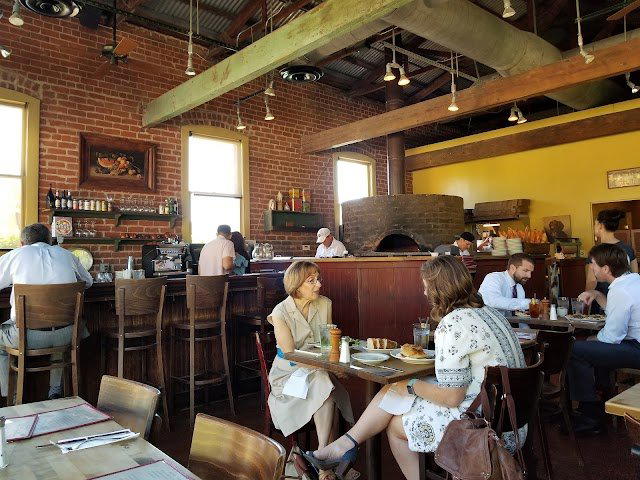
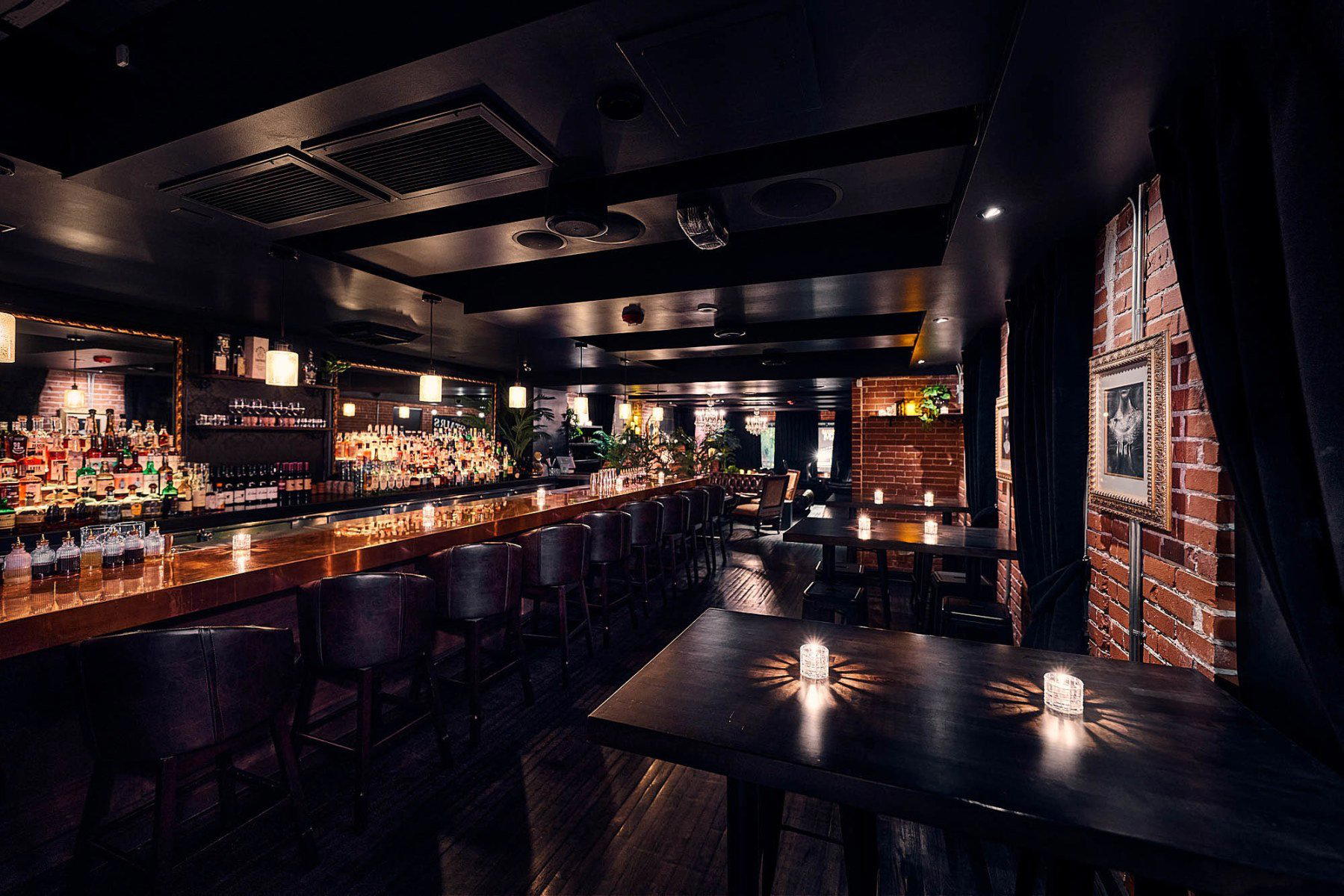
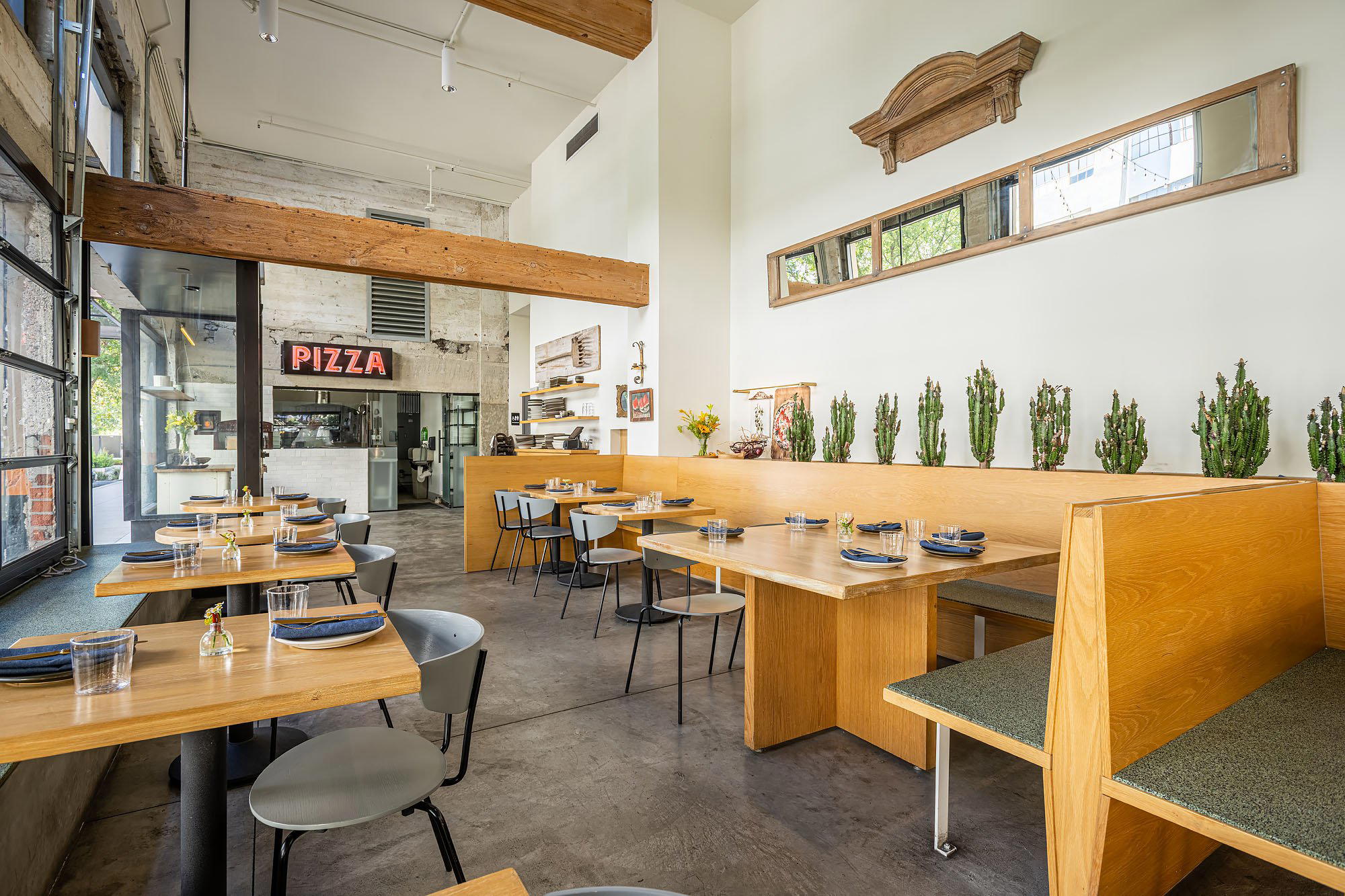
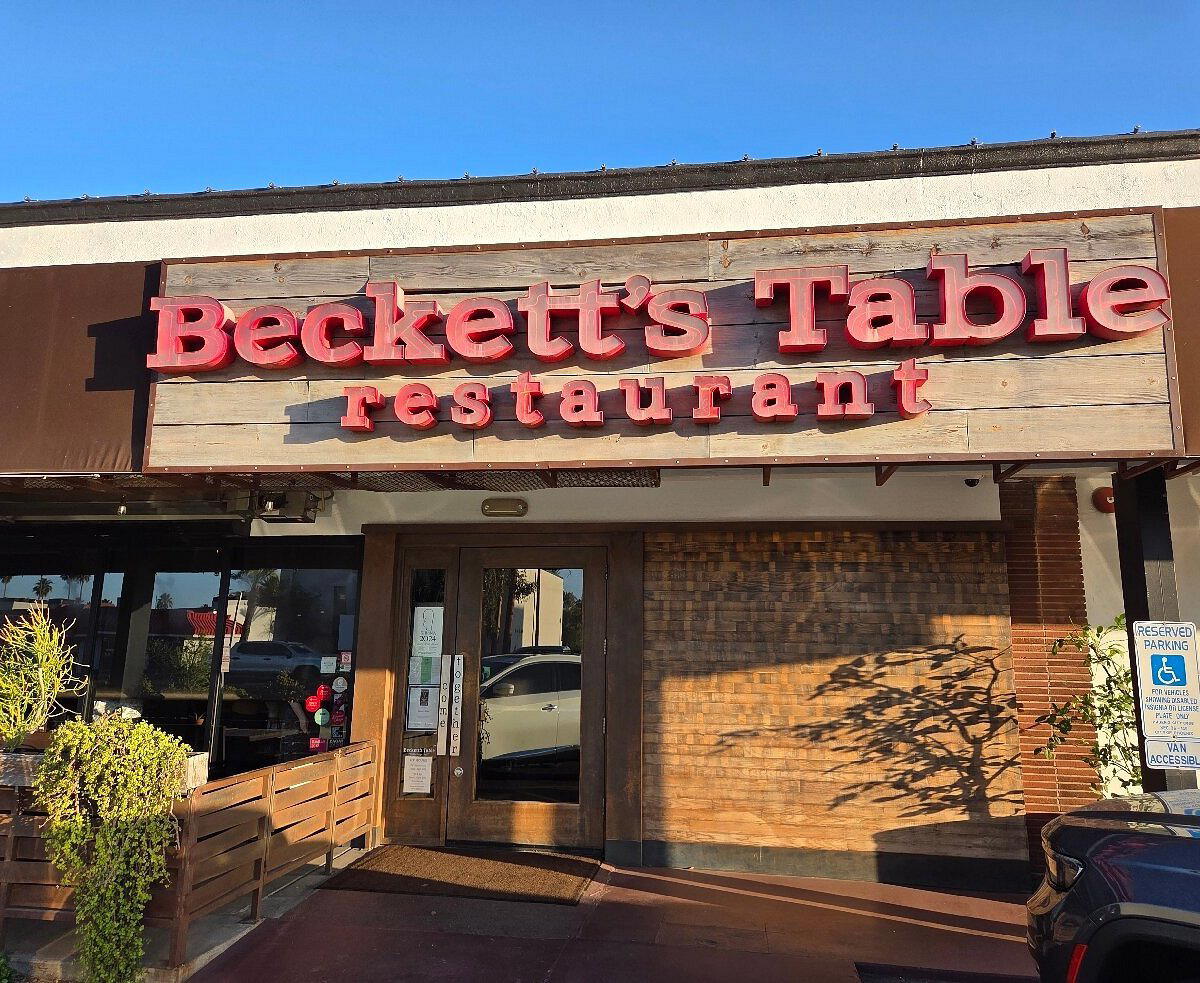
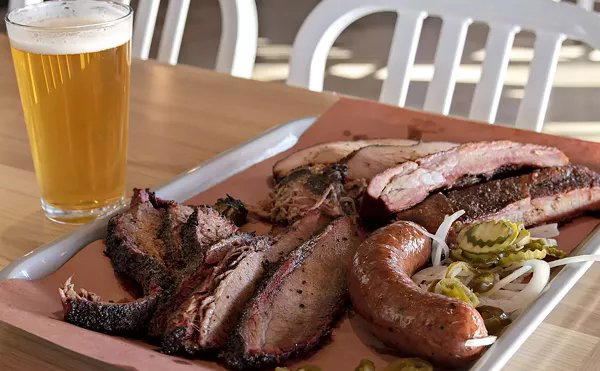
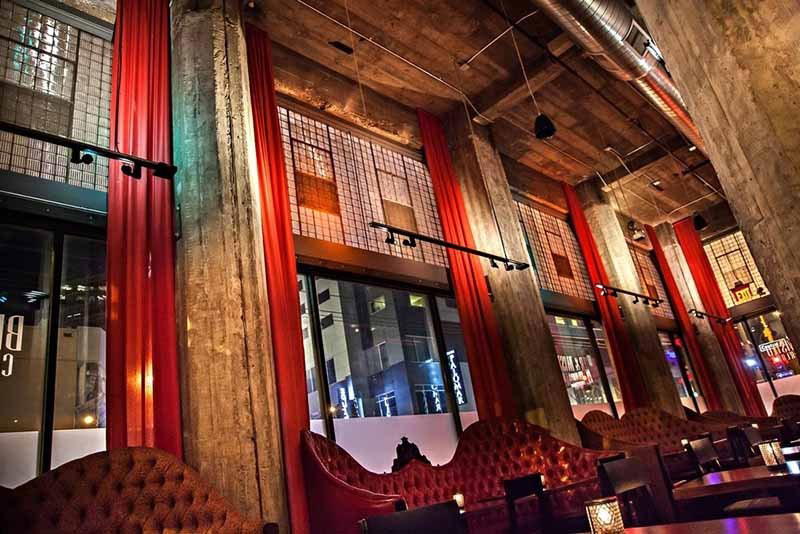
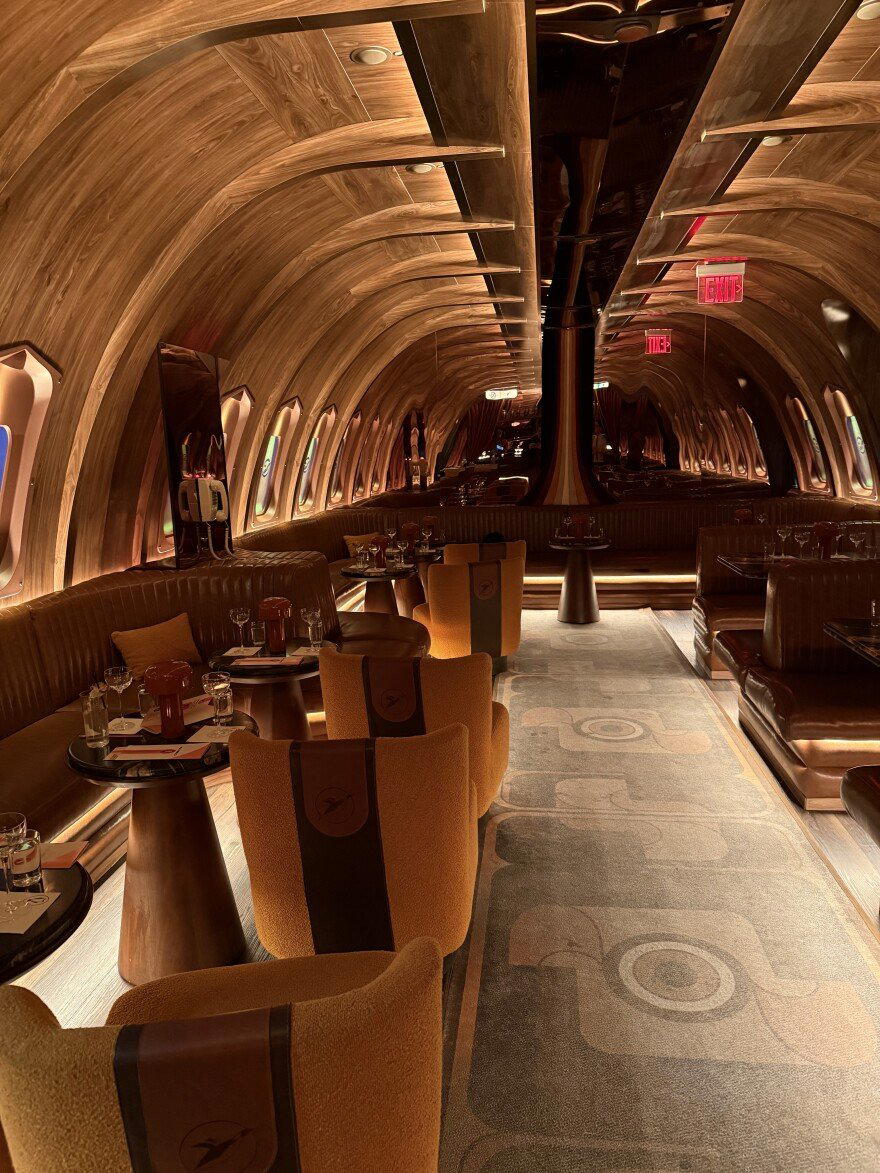
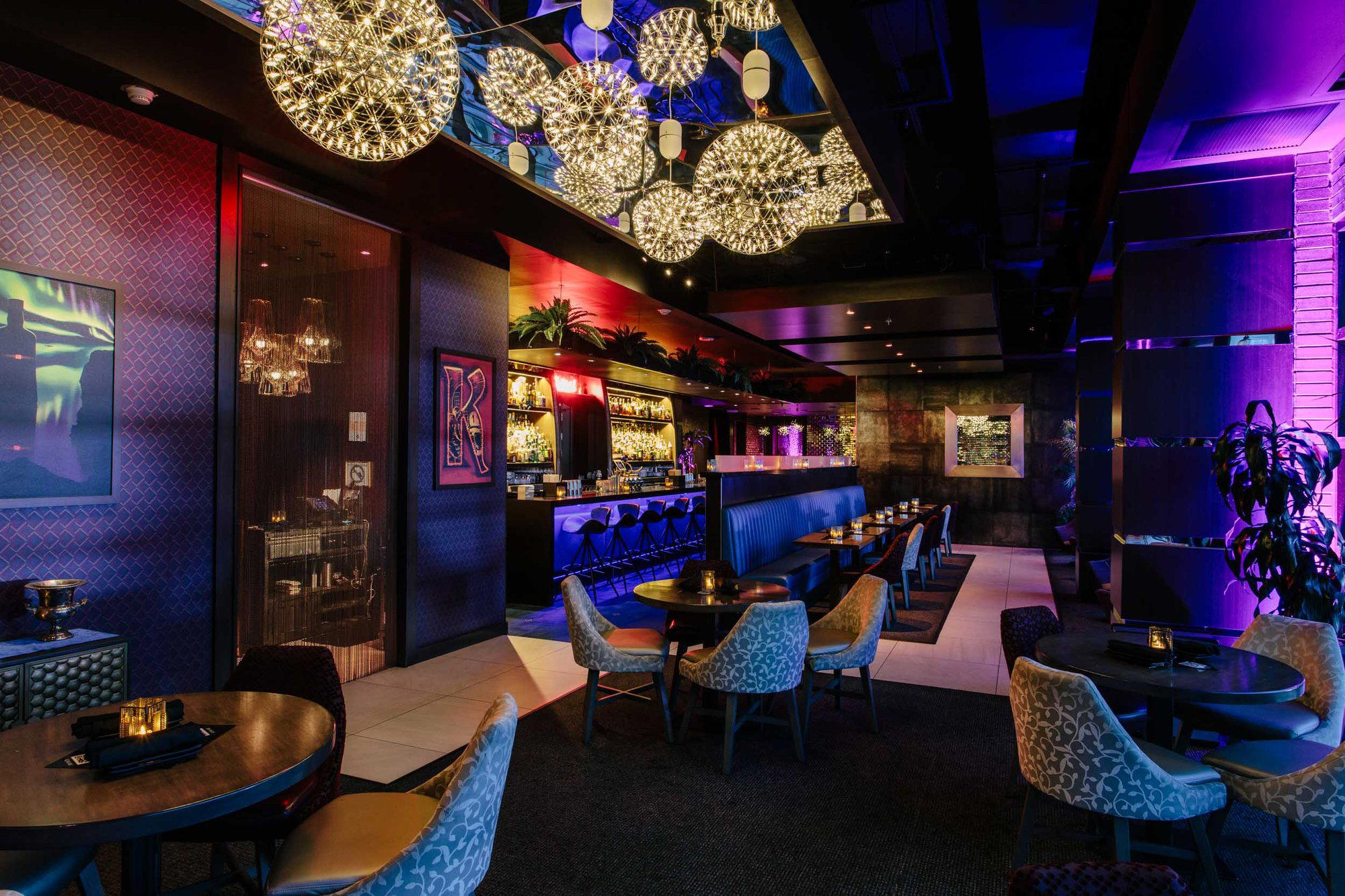
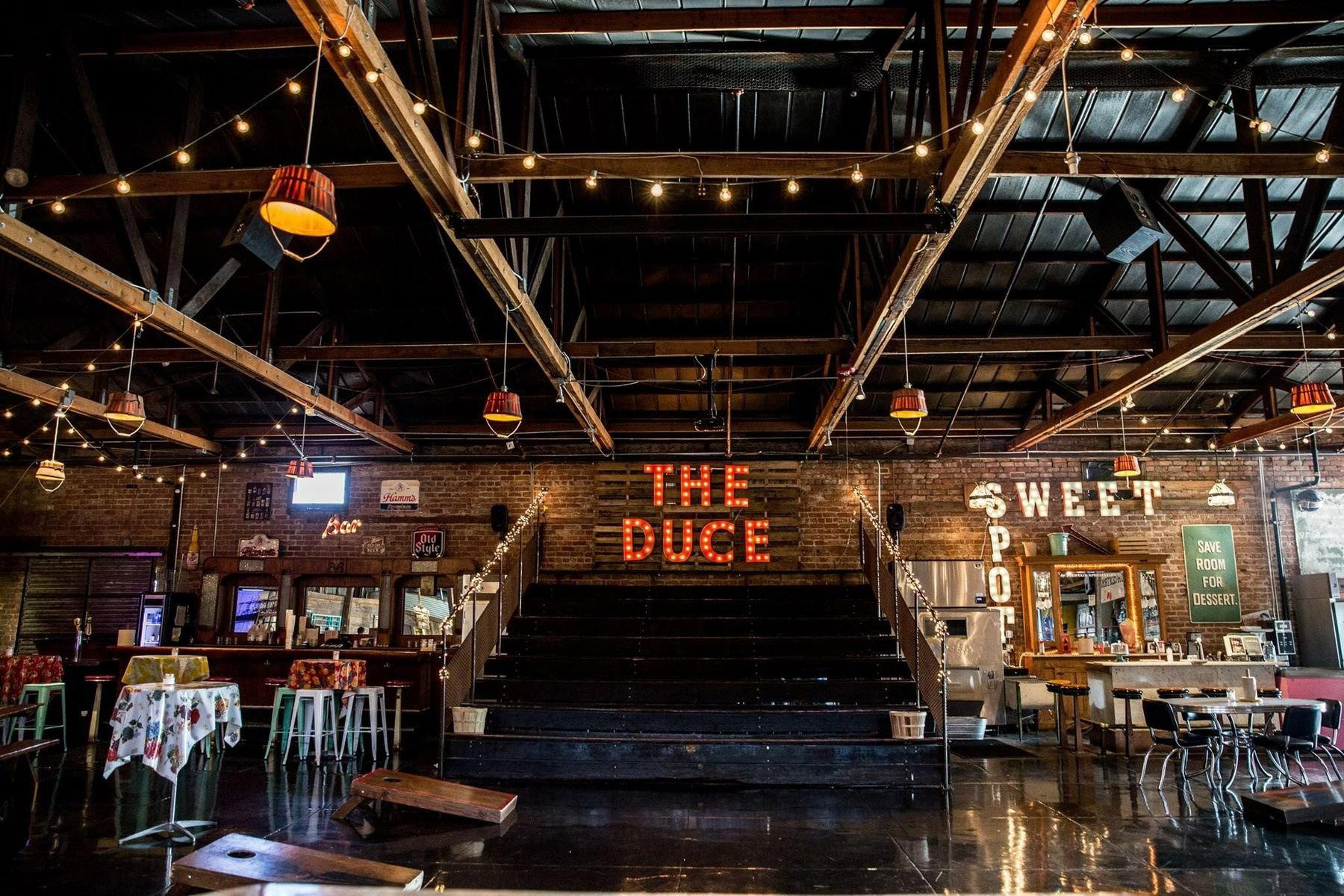
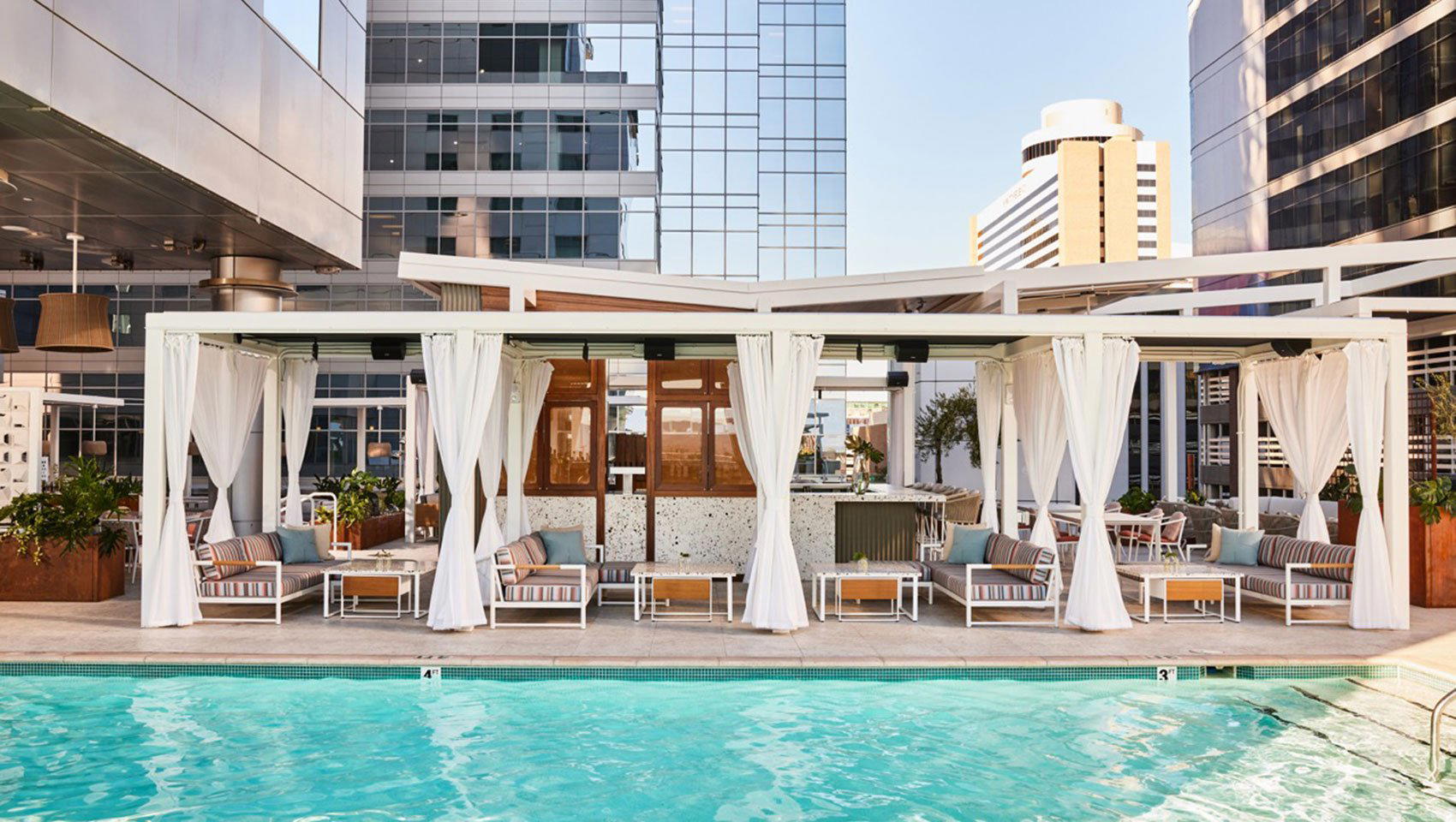
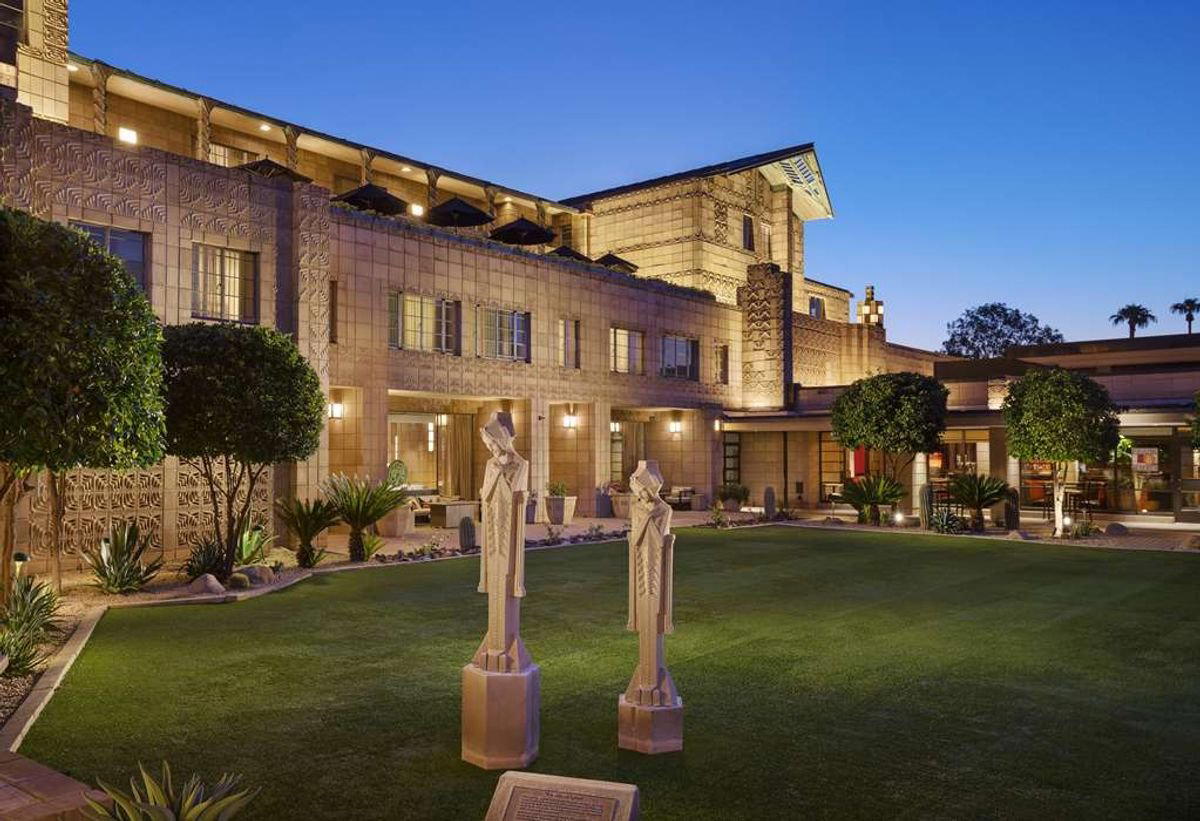
Cozy Victorian architecture blended with lively Latin American energy, featuring full-service indoor and outdoor seating.