
Black Pearl 1 Diamond
Our verdict
Qingxi holds a Black Pearl 1 Diamond (2025) in Changsha's Xingsha district, positioning it among the city's recognised fine-dining addresses at a remove from the historic centre. The restaurant sits along Xingsha Avenue in Changsha County, placing premium cooking in a suburban corridor that is redefining where serious dining happens in Hunan's capital.

Pearl is the En Primeur Club membership app, where members save venues, book tables and use the concierge.
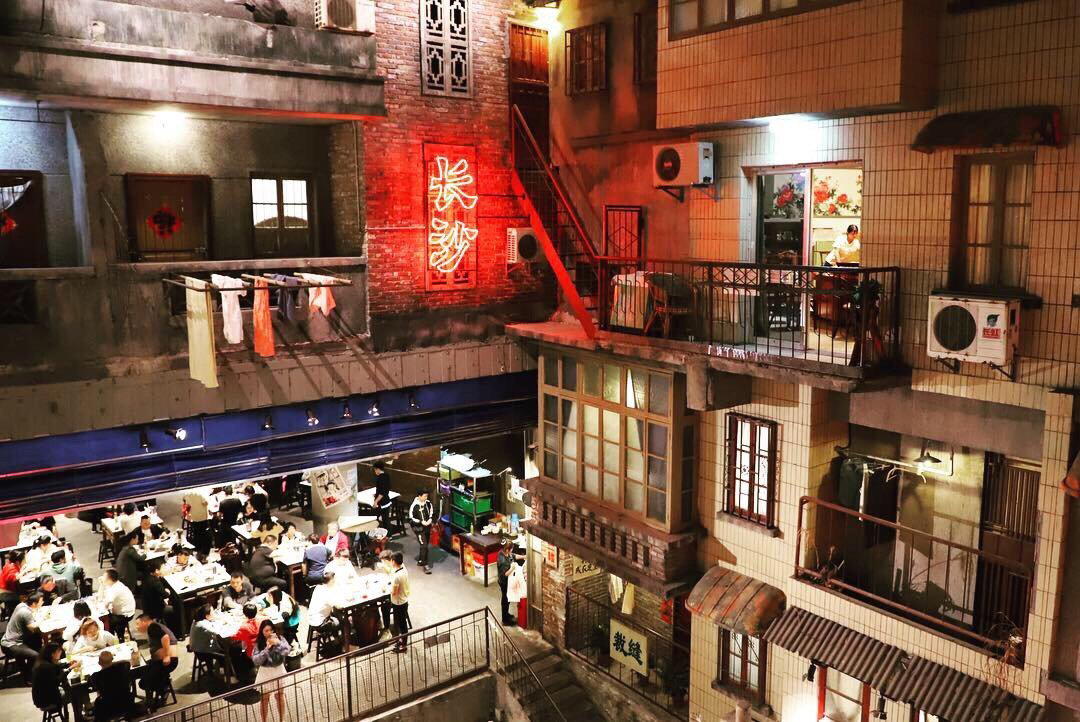
The menu
What to order
- Codfish cheese balls
- Premium beef rolls
- Hong kong-style beef tendon balls
- Beef meatballs
Dining at the Edge of the City
Changsha's fine-dining scene has historically concentrated inside the Second Ring Road, where proximity to Yuelu Mountain, the old commercial arteries of Huangxing Road, and the riverside night-economy kept premium restaurants clustered near the tourist and business core. That geography is shifting. The Xingsha corridor in Changsha County, connected to the main urban grid by the Xingsha Avenue artery, has absorbed enough residential and commercial development over the past decade to support restaurants that would once have required a central-city address to survive. Qingxi occupies that newer tier: a Black Pearl 1 Diamond recipient in 2025, positioned along Xingsha Avenue between Beidou Road and Jinmao Road, in a district whose dining scene is younger and less mapped than anything closer to the river.
The Black Pearl Guide, published annually by Meituan Dianping, functions as China's most widely consulted restaurant recognition programme outside the Michelin ecosystem. A 1 Diamond designation places a restaurant in the guide's entry tier, signalling consistent quality and a defined culinary identity reviewed against a national competitive set. For context, the 2025 guide lists Black Pearl recipients across dozens of Chinese cities, and Changsha's roster includes addresses in both the historic core and the emerging suburban corridors. Qingxi's presence on that list is an argument that the Xingsha district has moved past the stage of being simply a residential overflow zone.
Where Xingsha Fits in Changsha's Dining Map
Changsha has two reputations that rarely appear in the same sentence. The first is the city's mass-market street food culture: stinky tofu (臭豆腐) from Huangxing Road stalls, spicy crayfish from the night markets of Nanmenkou, beef noodles and rice noodle soups that function as the daily infrastructure of the city's eating life. The second, smaller reputation is for a serious fine-dining tier that has grown steadily as Changsha's economy and population have expanded. This upper tier is where the Black Pearl programme finds most of its Changsha entries, and it includes addresses like Blue Kylin, M&F TASTE, XINCHANGFU, and Nanjing Restaurant (Guitang river store), each with its own neighbourhood logic and culinary framing.
Xingsha's position within that picture is specific. The district grew rapidly after being administratively linked to Changsha proper, and its dining infrastructure skewed toward mid-market chains and local canteens through most of that growth. The appearance of a Black Pearl-recognised restaurant along Xingsha Avenue signals that enough residents and professionals in the eastern corridor are seeking something more considered, and that operators are willing to place serious cooking there rather than defaulting to a central address to attract clientele. That is a shift worth noting, and Qingxi is its current leading evidence.
Hunan Cuisine and the Fine-Dining Question
Hunanese cooking presents a specific challenge for the fine-dining format. The cuisine's identity is built on high-heat wok technique, assertive use of fresh and fermented chillies, and a directness of flavour that has always been more at home in canteen-format restaurants than in multi-course tasting menus. When Hunan restaurants move upmarket, they typically do one of two things: they refine the presentation and sourcing of classic dishes without substantially changing the cooking logic, or they absorb influences from Cantonese or broader Chinese fine-dining convention to create a hybrid register. The Black Pearl recognition system rewards both approaches, and the 2025 designation for Qingxi suggests the restaurant has landed on a coherent version of one or the other.
Nationally, the premium Chinese restaurant tier has produced some instructive models. Xin Rong Ji (Xinyuan South Road) in Beijing and Xin Rong Ji in Chengdu both demonstrate how a regional cuisine can be presented at a price point and format level that competes with international fine dining without losing the culinary logic of the source tradition. Ru Yuan in Hangzhou and 102 House in Shanghai show how Chinese fine dining can build around private-dining architecture and seasonal sourcing in ways that create a distinct experience from the banquet hall model. Further afield, Chef Tam's Seasons in Macau and Imperial Treasure Fine Chinese Cuisine in Guangzhou represent the Cantonese end of the premium Chinese spectrum, while Dai Yuet Heen in Nanjing maps what Cantonese technique looks like when transplanted to a non-Cantonese city. Qingxi operates in a different register from all of these, anchored in a provincial Hunanese context that gives it a distinct competitive position.
Planning a Visit
The address on Xingsha Avenue places Qingxi in Changsha County rather than the historic urban core, which means travel time from central Changsha hotels will depend heavily on traffic conditions along the eastern arterials. The Xingsha area is served by Changsha Metro Line 1, and the Xingsha Avenue corridor is accessible from several stations, though a taxi or rideshare from the city centre remains the most direct option for those unfamiliar with the eastern grid. Given the restaurant's Black Pearl standing, booking ahead is advisable, particularly for weekend dinners, when the Xingsha residential population creates demand that is independent of the city-centre dining circuit.
For visitors building a broader Changsha itinerary, EP Club covers the city's full dining, accommodation, and hospitality spectrum. See our full Changsha restaurants guide, our full Changsha hotels guide, our full Changsha bars guide, our full Changsha wineries guide, and our full Changsha experiences guide. For reference points in international fine dining at the other end of the price and format spectrum, Le Bernardin in New York City and Atomix in New York City represent the kind of sustained recognition that Black Pearl restaurants are increasingly measured against in comparative global discussions.
Frequently asked questions
Is Qingxi Michelin-listed?
Qingxi has received recognition including: Black Pearl 1 Diamond (2025).
What part of town is Qingxi in?
Qingxi is located at China, 小镇对面CN 湖南省 长沙市 长沙县 星沙大道 20 20号(北斗路与金茂路之间,香槟 邮政编码: 410100, Changsha.
What's the must-try dish at Qingxi?
What the 2025 Black Pearl 1 Diamond recognition does confirm is that the kitchen operates at a level where the cooking itself is the draw, the approach to Hunanese technique at a fine-dining register is the reason to visit. Ask staff for the kitchen's current signatures when booking.
Do I need a reservation for Qingxi?
Given Qingxi's 2025 Black Pearl 1 Diamond status, one of the more selective ratings in Chinese restaurant recognition, advance booking is strongly advised. The restaurant's location on Xingsha Avenue in Changsha County means it draws a focused crowd rather than walk-in traffic from the city centre. Contact details are not publicly listed, so reaching out through your hotel concierge or a local dining platform is the practical route.
What's the defining dish or idea at Qingxi?
The Black Pearl 1 Diamond award for 2025 positions Qingxi within a tier of Chinese restaurants recognized for translating regional cuisine into a considered, structured dining format. For Changsha, that means engaging with Hunanese cooking, high-heat technique, layered chilli heat, fermented ingredients, at a level of precision and intention that moves beyond the city's street-food defaults. The defining idea is that proposition: Hunan cuisine made deliberate.
Can Qingxi accommodate dietary restrictions?
No specific dietary policy is documented for Qingxi. Hunanese cooking relies heavily on pork-based stocks, dried chilli, and fermented condiments, which can complicate requests around vegetarian, halal, or allergy-specific requirements. Communicating restrictions clearly at the point of reservation, ideally in Mandarin, gives the kitchen the best chance to respond.
How does Qingxi's location in Xingsha compare to dining in central Changsha?
Qingxi sits on Xingsha Avenue in Changsha County, which falls outside the Second Ring Road where most of Changsha's established fine-dining addresses are concentrated. The practical implication is a 30-plus minute journey from central hotels near Wuyi Square or the IFS district, depending on traffic. The 2025 Black Pearl 1 Diamond award signals this is a deliberate destination rather than a convenient stopover, the kind of restaurant that earns its distance.
A Tight Comparison
Comparable venues nearby, for context on price, style, and recognition.
| Venue | Cuisine | Price | Awards | Notes |
|---|---|---|---|---|
| QingxiThis venue (the venue you are viewing) | Refined Hunan Cuisine | Not listed | Black Pearl 1 Diamond | Not listed |
| Blue kylin | Modern Hunan Seafood | Not listed | Black Pearl 1 Diamond | Yuhua District, Modern Hunan Seafood |
| Nanjing Restaurant (Guitang river store) | Hunan Chinese | Not listed | Black Pearl 1 Diamond | Yuhua District, Hunan Chinese |
| M&F TASTE | Refined Hunan Cuisine | $50–100 | Black Pearl 1 Diamond | Xiangjiang Century City, Refined Hunan Cuisine |
| XINCHANGFU | Seafood Hunan Cuisine | Not listed | Black Pearl 1 Diamond | Guomao, Seafood Hunan Cuisine |
Recognition history
Dated appearances from independent guides and award organizations, with the underlying list record or original source where available.
Black Pearl 1 Diamond
Black Pearl
Full recognition history (2 entries)
Black Pearl 1 Diamond
Black Pearl
Continue exploring
More in Changsha
Restaurants in Changsha
All restaurants in Changsha →
Bars in Changsha
All bars in Changsha →
Details
- Cozy
- Elegant
- Scenic
- Quiet
- Intimate
- Business Dinner
- Group Dining
- Casual Hangout
- Courtyard
- Garden
- Garden
- A La Carte
- Small Plates
Relaxed garden-style courtyard with natural light by day, soft lighting by night, fresh and clean atmosphere conducive to quiet conversation.