
Michelin Selected
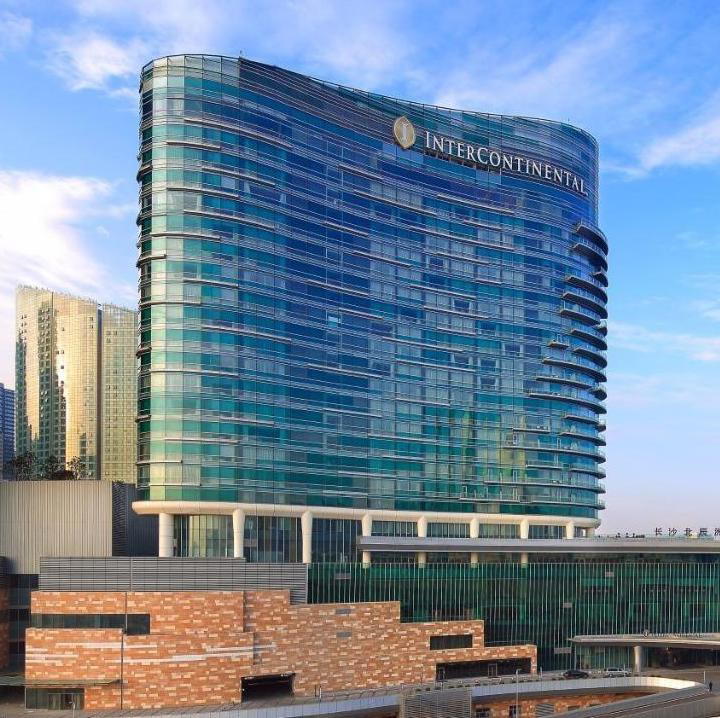
Selected by the Michelin Hotels guide 2025, InterContinental Changsha occupies a prominent position along Xiangjiang North Road, placing it within Changsha's tighter circle of internationally branded luxury properties. The hotel addresses a city that has grown fast as a cultural and commercial hub in central China, drawing travellers who need scale, address, and brand infrastructure in one building.

Pearl is the En Primeur Club membership app, where members save venues, book tables and use the concierge.
Changsha's Riverside Hotel Tier
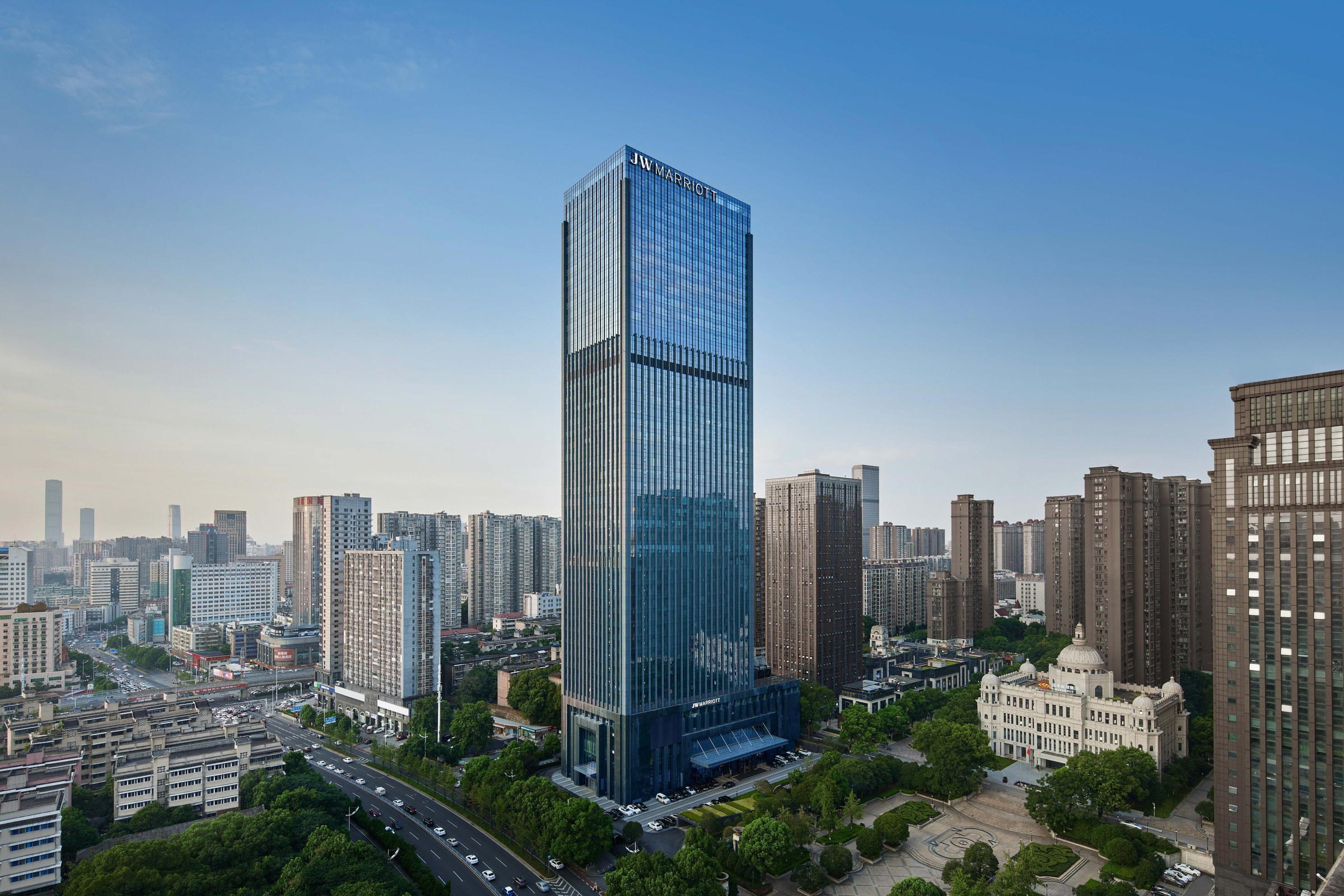
Changsha has matured into one of central China's most closely watched cities, a place where homegrown pop culture, aggressive urban development, and a food scene built around fiercely spiced Hunanese cooking have combined to pull a younger, higher-spending domestic traveller away from the coastal defaults. The hotel market has followed. Along Xiangjiang North Road, the address that anchors InterContinental Changsha, the city's larger internationally branded properties have consolidated into a recognisable band: properties with the floor count, the lobby scale, and the meeting infrastructure that business and leisure travellers expect from a first-tier Chinese provincial capital. This is the tier in which InterContinental Changsha competes, alongside peers such as JW Marriott Hotel Changsha, Niccolo Changsha, Park Hyatt Changsha, and W Changsha.
The Michelin Hotels guide's 2025 selection of InterContinental Changsha places it within a verified reference set. Michelin's hotel selection process is independent of its restaurant stars and applies its own criteria around comfort, service consistency, and physical quality. Being listed is a credential, not an endorsement of any single outstanding feature, but it does confirm the property clears the threshold that the guide's editors consider meaningful for the category. In the context of Changsha's hotel market, where some internationally branded addresses have been selected and others have not, that placement matters as a comparative signal.
The Physical Address and What It Means
The Xiangjiang River defines Changsha's western edge in the same way that the Huangpu defines Shanghai's or the Pearl River defines Guangzhou's: the water acts as an orientation point, a visual anchor for the city's most prominent commercial addresses. InterContinental Changsha's position at 1500 Xiangjiang North Road places it within the riverside development corridor that the city has prioritised for premium hotel and office towers over the past decade. High-rise hotels in this zone are built to be seen from the river and to give upper-floor guests a vantage over it. That spatial logic shapes the room programme, the food and beverage floor placement, and the general sense of address that properties here trade on.
In broader Chinese hotel development terms, the riverside tower format reflects a specific moment in provincial capital growth: cities acquiring the skyline vocabulary of the coastal megacities, with international hotel brands providing the certification of arrival. Changsha has been one of the more notable examples of this pattern, with a concentration of high-profile brand entries in a relatively compressed period. For guests arriving from other Chinese cities, the reading is immediate. For international visitors arriving from markets like Shanghai or Beijing, properties such as Mandarin Oriental Qianmen in Beijing or JW Marriott Hotel Shanghai at Tomorrow Square provide a useful reference for how the tower-format luxury hotel operates across Chinese cities at different scales.
Design Logic at This Scale
Large-format internationally branded hotels in Chinese provincial capitals tend to resolve their design in one of two directions: the full-expression flagship approach, where the brand's global design language is applied with local material or cultural inflection, or the stripped-back convention-hotel approach, where function takes priority and design is largely generic. The InterContinental brand's global positioning sits in the upper-middle bracket of IHG's portfolio, which typically means lobbies designed for arrival impact, room stock calibrated for extended business stays, and food and beverage outlets structured to serve both in-house guests and a local clientele.
The scale of a riverside tower in a city like Changsha also means that the building's exterior silhouette carries meaning independent of the interior. These are properties whose presence in the skyline is part of their identity, a design consideration that functions at the urban scale rather than at the level of individual room finishes. Comparable examples of this logic in operation elsewhere in China include InterContinental Chongqing Raffles City, where the tower form is integrated into a larger mixed-use development, or properties like The St. Regis Shenzhen Bao'an, where branded hotel towers define a district's premium positioning.
For guests who prioritise design-led intimacy over tower-format scale, the contrast with smaller Chinese properties is instructive. The Hanyu Garden Reserve Suzhou, Yihe Mansions in Nanjing, or Hylla Vintage Hotel in Lijiang represent a different Chinese luxury hospitality register entirely: low-rise, site-specific, often operating with explicit heritage or landscape references. InterContinental Changsha sits at the opposite end of that spectrum, and that is a deliberate positioning, not a shortcoming. The city's business and event travel patterns demand what a large branded tower delivers.
Changsha as a Hotel Destination
Understanding InterContinental Changsha requires understanding the city's current position in Chinese domestic travel. Changsha has accumulated unusual cultural capital for an inland provincial capital: it is the origin city of several of China's most-watched television and media companies, the home of a street food and nightlife scene around Taiping Street and the Yuelu district that generates significant domestic tourism, and a gateway to Zhangjiajie's landscape parks. That combination pulls a travel mix broader than pure business, and the city's premium hotels have increasingly had to serve both conference groups and independently travelling consumers with spending power. The full Changsha hotel and restaurant context is covered in our full Changsha restaurants guide.
For travellers calibrating Changsha against other Chinese destinations, the city's hotel tier compares most naturally to mid-size commercial capitals like Chengdu, Xi'an, or Wuhan rather than the coastal megacities. The Ritz-Carlton, Xi'an offers a useful parallel: a premium international brand anchoring a historically significant inland city that has built a strong domestic leisure tourism base alongside its business travel volume.
Planning Your Stay
InterContinental Changsha is located at 1500 Xiangjiang North Road, within the riverside development corridor on the city's western bank. Changsha Huanghua International Airport handles both domestic trunk routes and a growing number of international connections; the city is also a major node on China's high-speed rail network, with Changsha South Station serving routes from Beijing, Shanghai, Guangzhou, and Chengdu. For booking, the InterContinental brand's global reservation infrastructure means the property is accessible through IHG's direct channels, major OTAs, and travel management platforms. IHG One Rewards members should verify whether rate and points conditions at this property align with their tier, as benefits can vary by market. For context on comparable Michelin-selected properties elsewhere in China's inland or secondary city markets, LN Hotel Five in Guangzhou, Conrad Xiamen, and Hangzhou Muh Shoou Xixi Hotel are useful reference points across different Chinese city and price contexts. Internationally, the tower-format grand hotel tradition is well-represented in properties such as The Fifth Avenue Hotel in New York City, Badrutt's Palace Hotel in St. Moritz, and Hôtel de Paris Monte-Carlo, all of which demonstrate how the flagship urban hotel format operates at the highest end of its category.
Fast Comparison
Comparable venues nearby, for context on price, style, and recognition.
| Venue | Cuisine | Price | Awards | Notes |
|---|---|---|---|---|
| InterContinental ChangshaThis venue (the venue you are viewing) | Grand-style modern luxury hotel with contemporary tower design seamlessly integrated into its scenic surroundings in China's largest urban development project. | $100–200 | Michelin Selected | Not listed |
| W Changsha | Futuristic luxury hotel inspired by stars and galaxy | Not listed | Michelin Selected | Yuhua District |
| Niccolo Changsha | Contemporary luxury high-rise icon in prime financial district; modern minimalist elegance with curated sophisticated decor throughout. | $300–500 | Michelin Selected · Star Wine List | Furong District |
| Park Hyatt Changsha | Contemporary luxury mansion blending traditional Xiang cultural elements with modern sophistication, occupying premium tower floors with curated residential-inspired design. | $300–500 | 1 Michelin Key · Star Wine List | Fu Rong |
| JW Marriott Hotel Changsha | Luxury urban hotel blending historical cultural significance with modern well-being. | Not listed | Michelin Guide New Hotels New Hotel · Michelin Selected | Yuhua District |
| Sofitel Shanghai Hongqiao | Modern French luxury blended with Shanghai elegance in a garden hotel setting | $1–100 | Michelin Selected | Hongqiao CBD |
Recognition history
Dated appearances from independent guides and award organizations, with the underlying list record or original source where available.
Michelin Selected
Michelin
Continue exploring
More in Changsha
Hotels in Changsha
All hotels in Changsha →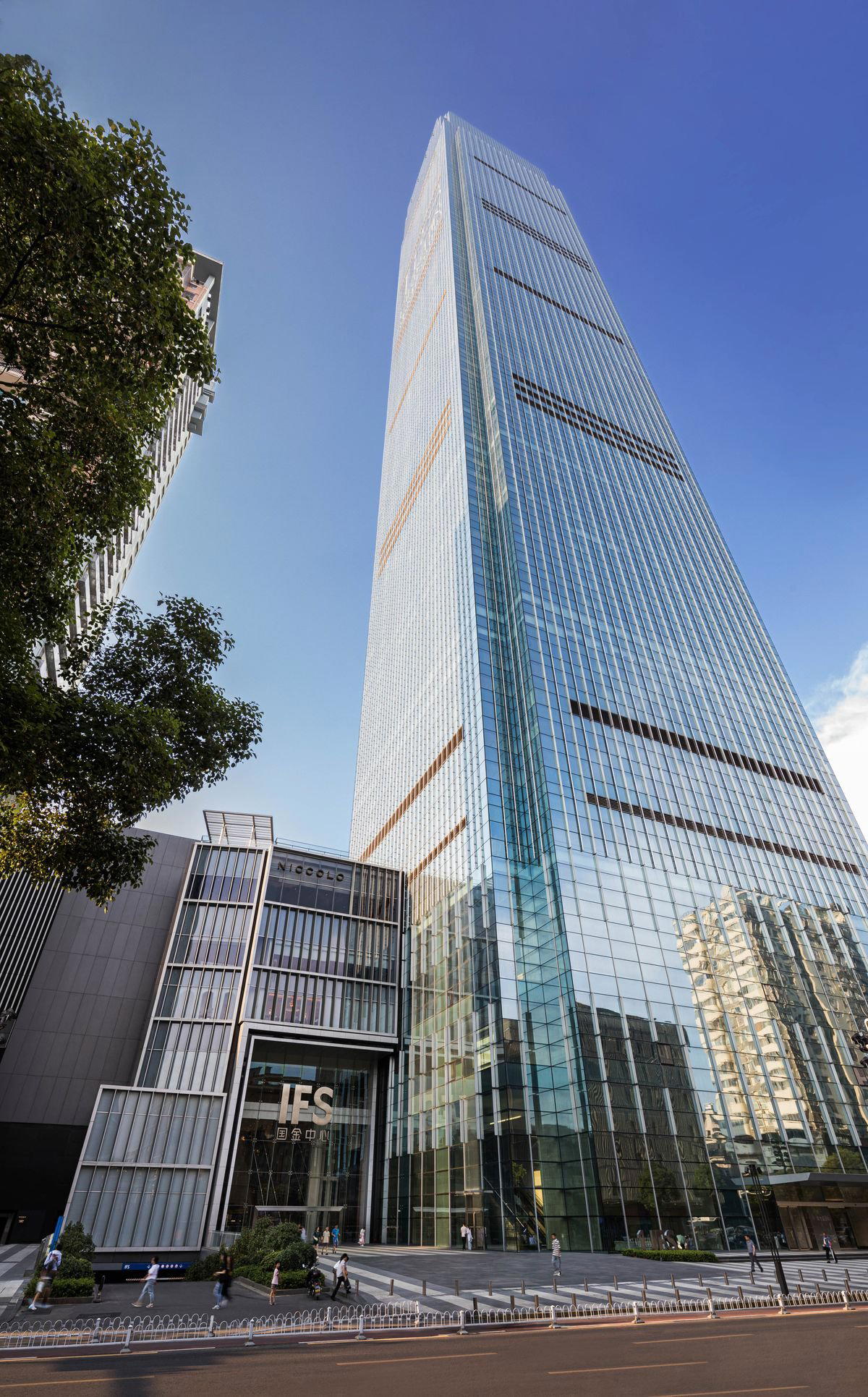
Bars in Changsha
All bars in Changsha →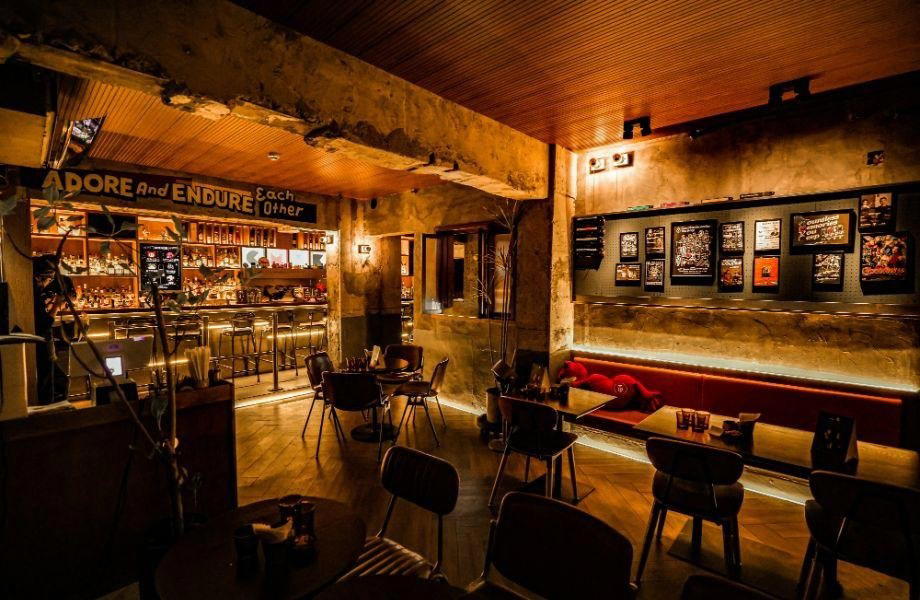
Details
- Modern
- Elegant
- Sophisticated
- Scenic
- Business Trip
- Romantic Getaway
- Family Vacation
- Celebration
- Rooftop Pool
- Destination Spa
- Panoramic View
- Waterfront
- Garden
- Wi Fi
- Pool
- Spa
- Fitness Center
- Room Service
- Concierge
- Business Center
- Restaurant
- Kids Club
- EV Charging
- Sauna
- Massage
- Waterfront
- Wheelchair Accessible
- Elevator
- Accessible Restroom
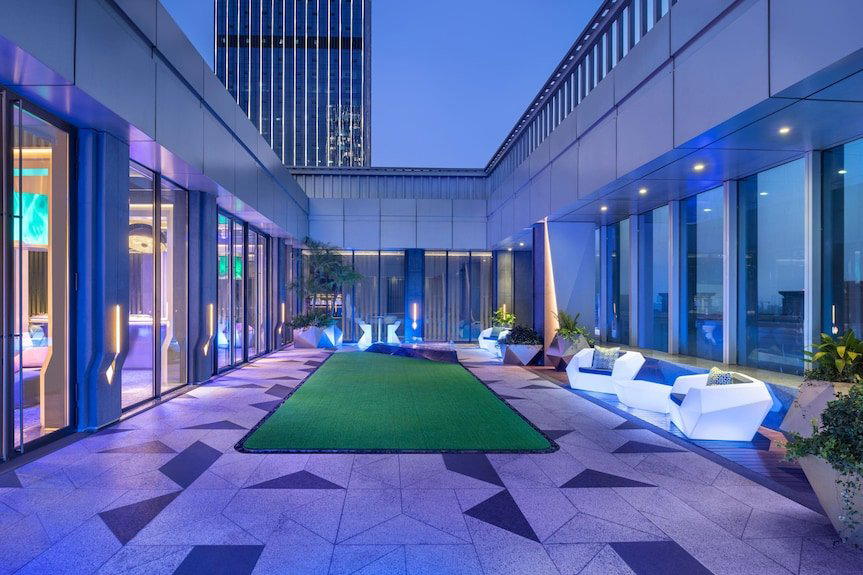
Contemporary and refined with modern architectural design; panoramic river and city views create an upscale, sophisticated atmosphere enhanced by the hotel's landmark status in the North Star Delta development.