
Black Pearl 1 Diamond
Our verdict
Nanjing Restaurant's Guitang River location holds a 2025 Black Pearl 1 Diamond, placing it in Changsha's recognized tier of serious Chinese dining. The riverside setting frames a meal structured around traditional pacing and regional culinary depth. For visitors serious about Hunan cuisine at table-service level, this address warrants attention.

Pearl is the En Primeur Club membership app, where members save venues, book tables and use the concierge.
Where the River Sets the Tempo
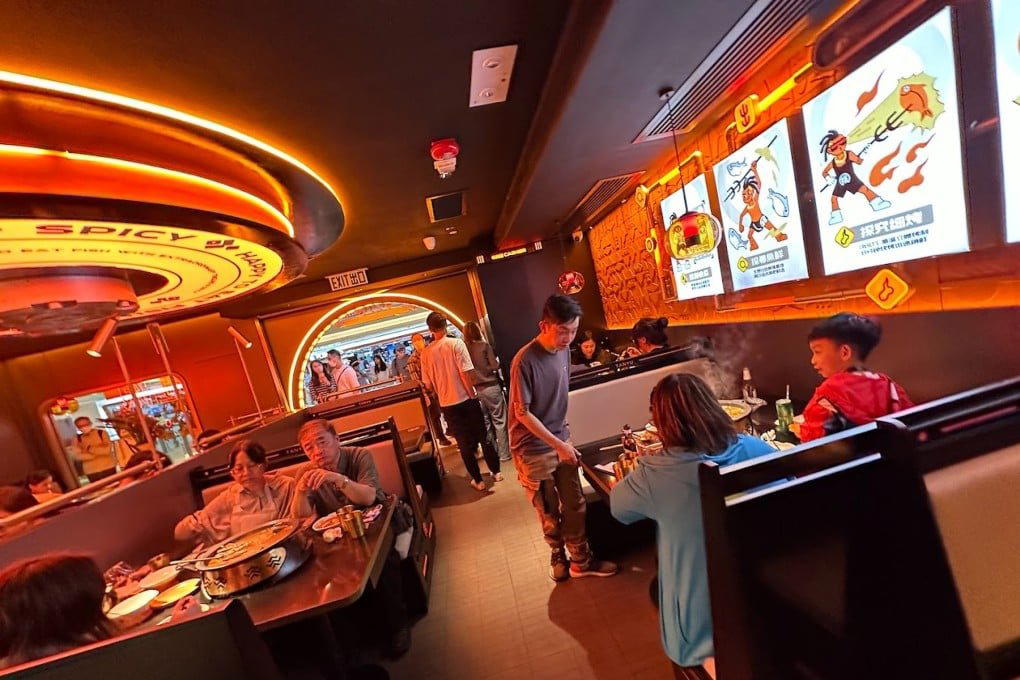
Along the Guitang River in Changsha, the ritual of a formal Chinese meal still follows a cadence that most fast-casual dining has abandoned: cold dishes arrive first, soup comes when the kitchen judges it right, and the table fills incrementally rather than all at once. This sequencing is not incidental. It reflects a philosophy about eating that runs through the better dining rooms of Hunan, that a meal is a progression, not a transaction. Nanjing Restaurant's Guitang River location operates within that tradition, and the 2025 Black Pearl 1 Diamond recognition it carries signals that the execution is consistent enough to hold its place in Changsha's acknowledged dining tier.
The Black Pearl Standard in Changsha
The Black Pearl Guide, published by Meituan, has become one of mainland China's most closely followed restaurant recognition systems, and its 1 Diamond designation marks a restaurant as operating at a level above everyday dining without necessarily placing it in the rarified air of the city's highest-spending tables. In Changsha, where serious regional cuisine competes with an increasingly ambitious fine-dining scene, this tier is meaningful. Peers operating at a comparable recognition level include Blue Kylin, Qingxi, M&F TASTE, and XINCHANGFU, a cohort that collectively represents the city's most consistent argument for dining seriously rather than casually. Nanjing Restaurant holds its position in that group through the Guitang River location specifically, which adds a spatial dimension to the experience that a city-center address cannot replicate.
For broader reference, the Black Pearl's approach to Chinese regional cuisine parallels how the Michelin Guide has begun to engage with regional Chinese cooking in other cities. Awarded restaurants elsewhere in China operating at comparable or higher recognition levels, such as Xin Rong Ji (Xinyuan South Road) in Beijing, Ru Yuan in Hangzhou, and Xin Rong Ji in Chengdu, demonstrate how regional Chinese kitchens have increasingly formalized their quality signals without sacrificing the distinctiveness of their culinary tradition. Nanjing Restaurant belongs to that broader movement within Changsha's own frame.
The Dining Ritual: Sequence, Texture, and Occasion
Chinese formal dining at this tier in Changsha tends to organize meals around shared plates brought to the table in a deliberate order, with the host or service team managing the pace rather than each diner ordering independently. The ritual weight of this format matters: it places trust in the kitchen's sequencing and rewards diners who resist the impulse to rush. At river-adjacent venues in Hunan, the physical setting reinforces this unhurriedness, the view provides its own pacing cue.
Hunan cuisine itself is structurally different from the Cantonese fine-dining mode that dominates many hotel dining rooms across Greater China. Where Cantonese cooking prizes delicacy and restraint in seasoning, Hunanese cooking uses chili, fermented black beans, and preserved ingredients as active participants in the dish rather than as background notes. Texture contrast, crisp against yielding, dry-fried against braised, is central to the cuisine's internal logic. A formal Hunan meal at a recognized address like this one asks the diner to engage with those contrasts sequentially, which is why the pacing of service matters as much as the cooking itself.
Internationally comparable experiences in the formal Chinese dining register, Chef Tam's Seasons in Macau, Imperial Treasure Fine Chinese Cuisine in Guangzhou, or Dai Yuet Heen in Nanjing, share the same structural commitment to sequencing and shared-table etiquette, even when the regional culinary tradition differs sharply. The underlying ritual grammar is consistent: the meal is an occasion, not merely a feed. For reference outside Chinese cuisine entirely, the same insistence on pacing-as-craft appears in Le Bernardin in New York City and the tasting-menu format at Atomix in New York City, where course sequencing is as considered as the cooking. The mode differs, but the respect for tempo is the same.
The Guitang River Setting
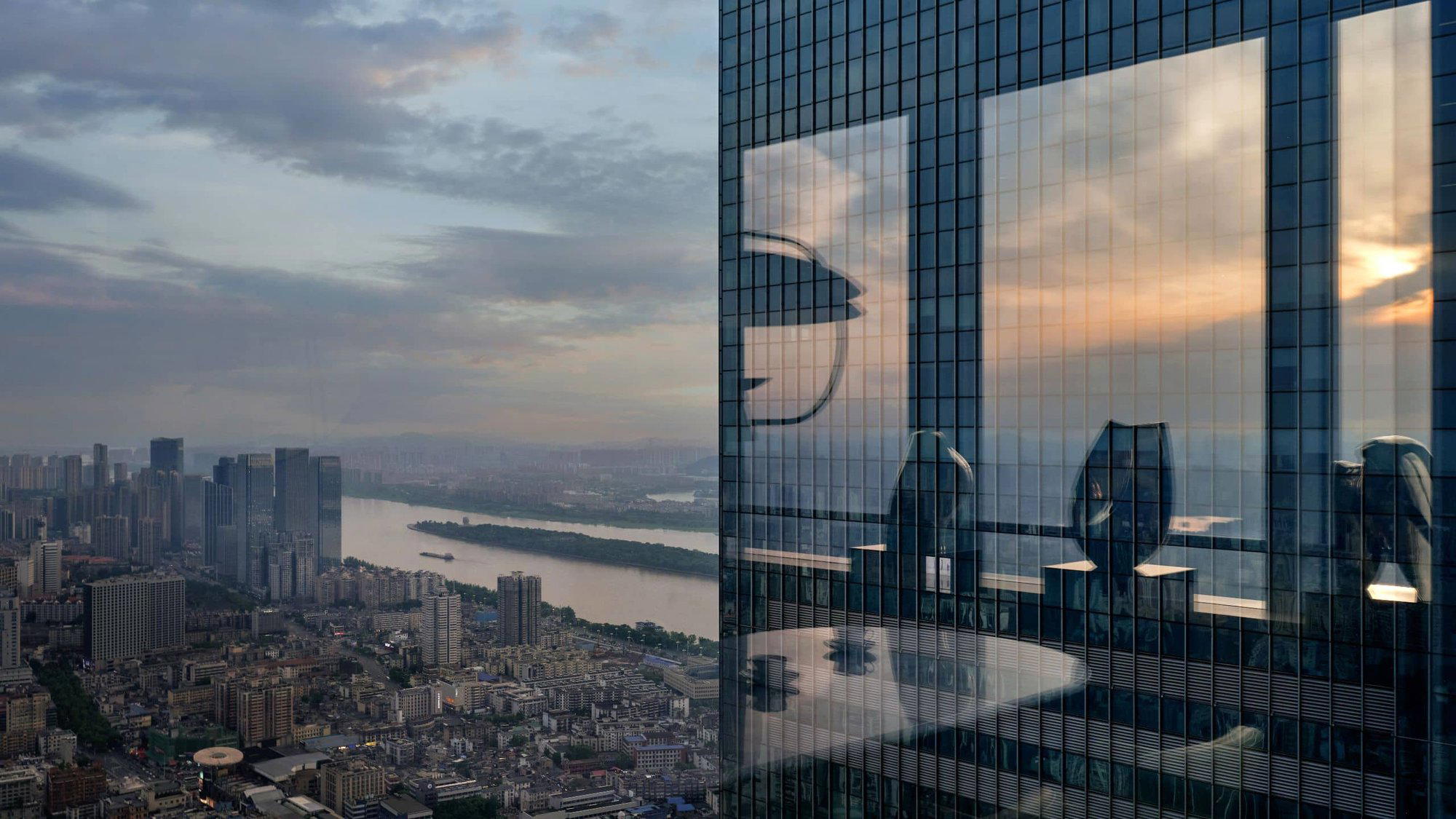
Changsha's relationship with its waterways is central to understanding where its dining culture concentrates. The Guitang River corridor has developed as a location for restaurants that want to offer something beyond the compressed urban-block experience of the city center. A riverside address at this level of recognition carries practical implications: arrival tends to be less chaotic than at high-traffic commercial areas, and the table experience benefits from the spatial generosity that waterside real estate usually provides.
Planning Your Visit
Changsha's recognized dining tier sees concentrated demand on weekends and during national holidays, particularly Golden Week in October and the Lunar New Year period in late January or February. Booking at least one to two weeks ahead for weekend visits is advisable for any restaurant at this recognition level in the city; higher-demand dates warrant earlier planning. For logistics beyond the restaurant itself, our full Changsha restaurants guide covers the city's dining range, while our full Changsha hotels guide addresses where to stay near the city's key dining corridors. If you are building a broader Changsha itinerary, our full Changsha bars guide, our full Changsha wineries guide, and our full Changsha experiences guide provide additional coverage. For a Shanghai-based point of comparison at a similar dining register, 102 House in Shanghai offers a useful counterpoint in how a different Chinese city handles the intersection of setting, cuisine, and formal service.
Frequently asked questions
What distinctions does Nanjing Restaurant (Guitang river store) have?
Nanjing Restaurant (Guitang river store) has received recognition including: Black Pearl 1 Diamond (2025).
What's the must-try dish at Nanjing Restaurant (Guitang river store)?
At this recognition tier in Changsha, cold dish openers and sequenced shared plates are the structural backbone of the meal, ask staff on arrival which preparations are currently leading the menu.
How far ahead should I plan for Nanjing Restaurant (Guitang river store)?
Changsha's Black Pearl-recognized restaurants see concentrated demand on weekends and during national holidays, particularly Golden Week in October and Lunar New Year. Booking at least one to two weeks ahead for weekday visits and three to four weeks for weekend or holiday sittings is a reasonable baseline at this tier.
What's the standout thing about Nanjing Restaurant (Guitang river store)?
The Guitang River setting anchors a dining format that most fast-casual venues in Changsha have abandoned: a structured, sequence-driven meal organized around shared plates and host-directed ordering. The 2025 Black Pearl 1 Diamond recognition from the Meituan guide places it among mainland China's tracked restaurants at a time when that guide has become one of the country's most followed recognition systems.
Cuisine Lens
Comparable venues nearby, for context on price, style, and recognition.
| Venue | Cuisine | Price | Awards | Notes |
|---|---|---|---|---|
| Nanjing Restaurant (Guitang river store)This venue (the venue you are viewing) | Hunan Chinese | Not listed | Black Pearl 1 Diamond | Not listed |
| M&F TASTE | Refined Hunan Cuisine | $50–100 | Black Pearl 1 Diamond | Xiangjiang Century City |
| Qingxi | Refined Hunan Cuisine | Not listed | Black Pearl 1 Diamond | Changsha County |
| XINCHANGFU | Seafood Hunan Cuisine | Not listed | Black Pearl 1 Diamond | Guomao |
| Blue kylin | Modern Hunan Seafood | Not listed | Black Pearl 1 Diamond | Yuhua District |
Recognition history
Dated appearances from independent guides and award organizations, with the underlying list record or original source where available.
Black Pearl 1 Diamond
Black Pearl
Full recognition history (2 entries)
Black Pearl 1 Diamond
Black Pearl
Continue exploring
More in Changsha
Restaurants in Changsha
All restaurants in Changsha →
Bars in Changsha
All bars in Changsha →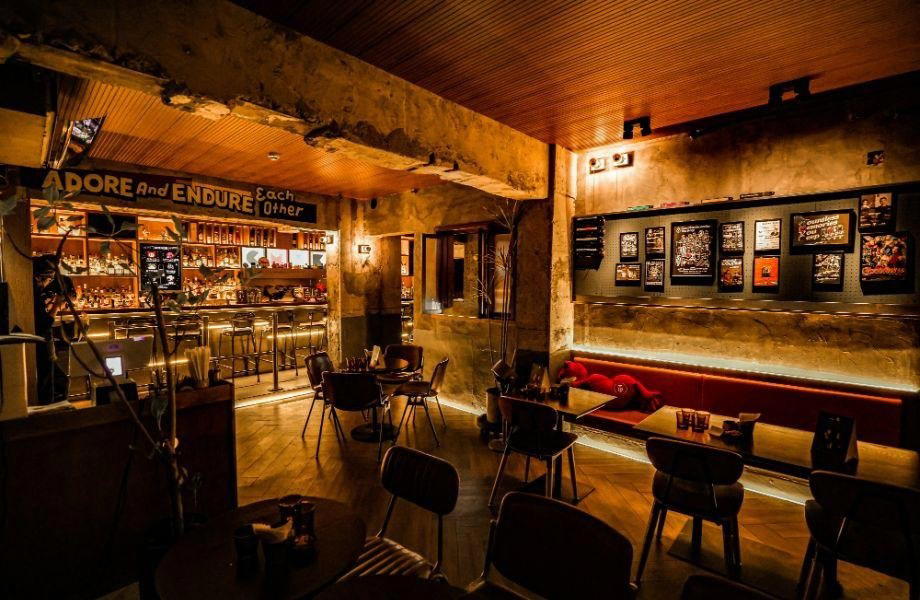

Details
- Casual Hangout
- Waterfront
- Waterfront
- A La Carte
Casual dining atmosphere near scenic river area.