

Michelin Plate · White Guide Baltic Restaurants - Fine Level
Our verdict
Pull occupies a corner of Tallinn's Rotermann Quarter, the converted industrial district that has become the city's most concentrated stretch of serious dining. A two-time Michelin Plate recipient (2024 and 2025), it holds the €€ price tier while delivering fire-and-smoke cookery that sits comfortably alongside the heavier-spending tables nearby. For a city where grilled meat programs have grown in ambition, Pull is a consistent reference point.

Pearl is the En Primeur Club membership app, where members save venues, book tables and use the concierge.
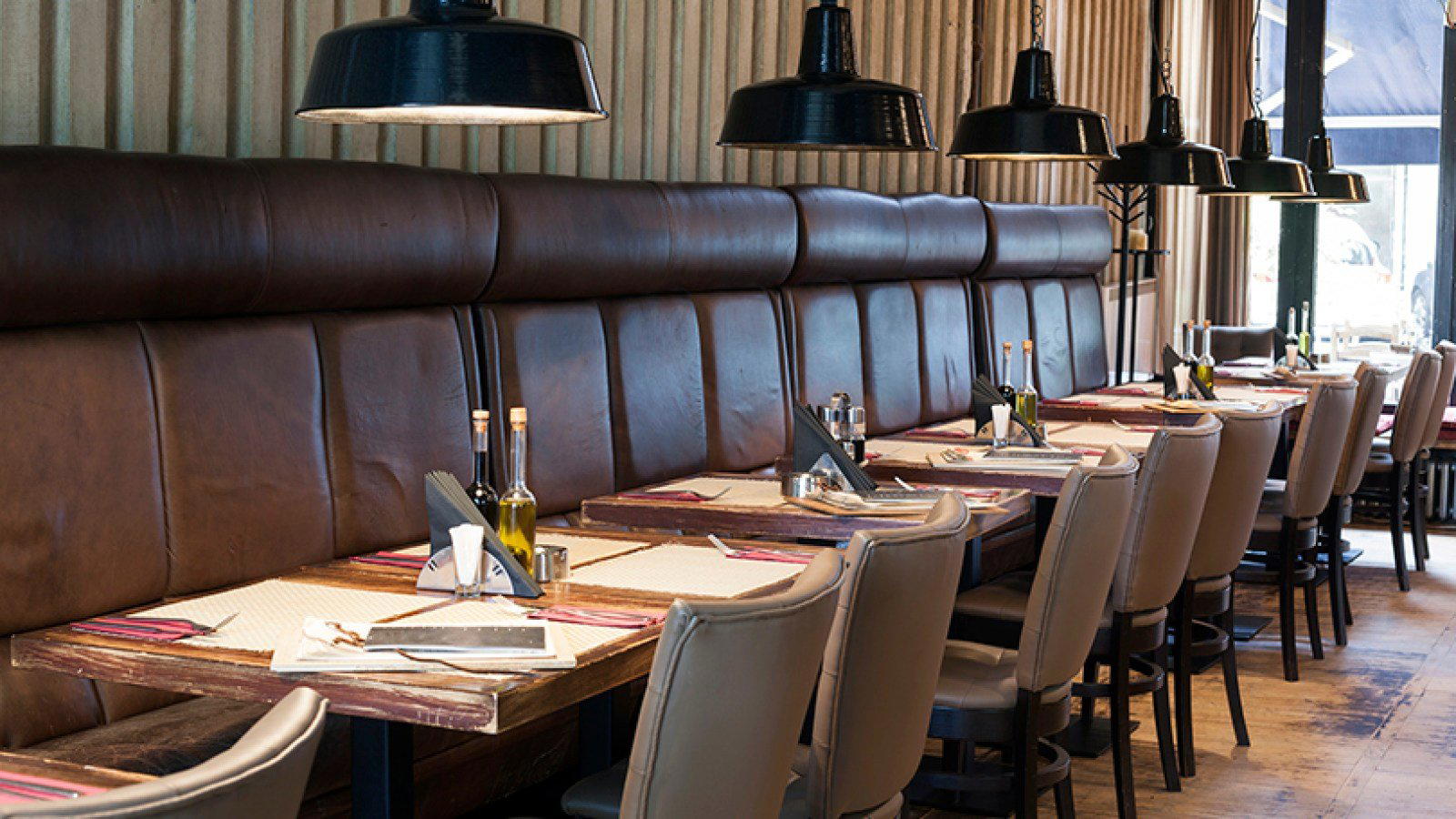
Where Rotermann's Industrial Past Meets Open-Fire Cooking
The Rotermann Quarter is not a subtle part of Tallinn. The nineteenth-century grain warehouses and salt storage buildings that line Ahtri and Hobujaama streets were converted into shops, restaurants, and offices over the past two decades, and the result is a district where raw limestone walls and steel-framed windows are as much the architecture as anything added later. Pull sits at the corner of those two streets, at Rotermanni 2, and the setting does something useful for a restaurant built around fire and smoke: it makes the directness feel entirely appropriate. This is not a place that needs soft lighting and linen to justify itself.
Tallinn's dining scene has developed two reasonably distinct upper tiers. One runs through the tasting-menu format NOA Chef's Hall and 180° by Matthias Diether occupy the €€€€ end of that bracket, while 38 and Bocca bring creative Estonian cooking to the mid-range. The other tier runs through product-led cooking where the sourcing and the fire do most of the work, and Pull belongs here. At the €€ price point, it prices alongside Härg, the other Michelin Plate-recognised grill house in Tallinn, and the two restaurants function as a kind of local argument about what serious meat cookery looks like in a Baltic capital that until recently was not known for it at all.
Two Years of Michelin Recognition in the €€ Bracket
Michelin's Plate distinction, awarded to Pull in both 2024 and 2025, signals something specific: inspectors found food prepared to a consistently high standard, without the additional layers of technique, invention, or theatre that would push a restaurant toward starred territory. In the context of the Meats and Grills category, that is not a soft endorsement. The Plate designation means the kitchen is executing its chosen format cleanly, year after year, at a price that keeps it accessible relative to Tallinn's leading tables. Holding the award across two consecutive years also removes any question of a one-cycle aberration. The kitchen is stable, and the standards are repeatable.
For comparison, grills working in this Michelin-recognised but non-starred bracket in other European cities tend to share certain characteristics: a focus on sourcing quality over technique complexity, an open kitchen or visible fire element that anchors the experience, and a pricing model that resists the tasting-menu inflation visible at the tier above. Pull fits that pattern within the Tallinn context, where the Rotermann Quarter has become the natural address for exactly this kind of cooking.
Planning Your Visit: What to Know Before You Go
The editorial angle most useful for Pull is logistics, because the booking and planning context matters more here than at a restaurant where you simply turn up and order from a menu. Rotermann is a high-traffic quarter, and Pull's combination of Michelin recognition and a mid-range price point means that weekend tables, particularly Friday and Saturday evenings, fill ahead of the week. This is not a quiet neighbourhood spot that only locals know; it has been found, reviewed, and returned to by a substantial audience.
The address at the corner of Hobujaama and Ahtri puts Pull within easy reach of the Old Town on foot, making it a natural stop for visitors who have spent the afternoon in the medieval quarter and want to eat in a part of the city that feels like 2025 rather than 1350. Rotermann has good public transit connections and sits adjacent to the main train station, so arriving without a car is direct. Booking in advance, particularly for groups of four or more or for Thursday-to-Saturday slots, is the practical advice that applies across the Rotermann dining cluster, not just to Pull specifically.
€€ price tier also means that pre-dinner planning around budget is simpler here than at the destination tables nearby. A meal at Pull will not require the kind of financial commitment that a booking at NOA Chef's Hall or 180° by Matthias Diether involves, which makes it a useful anchor in a Tallinn itinerary that wants serious food across multiple nights without concentrating spend in one place.
Pull in the Wider Estonian Context
Estonia's restaurant scene beyond Tallinn has developed its own distinct outposts. Alexander in Pädaste on Muhu Island, Hõlm in Tartu, and more rural addresses like Hiis in Manniva, Kolm Sõsarat in Lüllemäe, Lahepere Villa in Kloogaranna, and Fellin in Viljandi are all part of a national dining conversation that has grown faster over the past decade than most visitors expect. Within that conversation, Tallinn's Rotermann Quarter functions as the urban anchor, and Pull is one of the restaurants that keeps that anchor credible at the accessible end of the price range.
For anyone building a Tallinn itinerary, the broader city resources at our full Tallinn restaurants guide provide a framework across price tiers and cuisine types. Complementary reading can be found in our Tallinn hotels guide, bars guide, wineries guide, and experiences guide.
Frequently asked questions
What dish is Pull famous for?
Pull holds a Michelin Plate for both 2024 and 2025 under a meats and grills format, which points to live-fire or grilled preparations as the kitchen's core identity. The Plate distinction means inspectors found consistent quality across the menu rather than singling out one signature. For the specific current dishes the kitchen is best known for, checking directly with the restaurant at Rotermanni 2 is the reliable route, as grills-focused menus shift with season and sourcing.
What's the pricing like at Pull?
Pricing at Pull is listed as €€.
Where is Pull located?
Pull is located at Rotermanni 2 Hobujaama ja Ahtri tn nurgal, 10111 Tallinn, Estonia, Tallinn.
At-a-Glance Comparison
| Venue | Cuisine | Price | Awards | Notes |
|---|---|---|---|---|
| PullThis venue (the venue you are viewing) | Modern Charcoal Grill Steakhouse | $50–100 | Michelin Plate · White Guide Baltic Restaurants - Fine Level | Not listed |
| NOA | Modern International | $50–100 | Michelin Bib Gourmand · White Guide Baltic Restaurants - Very Fine Level | Not listed |
| 180° by Matthias Diether | Modern Creative Fine Dining | $300–500 | 2 Michelin Stars · La Liste Top Restaurants | Estonian Fusion |
| NOA Chef’s Hall | Modern European Fine Dining | $150–200 | 1 Michelin Star · La Liste Top Restaurants | Creative |
| Fotografiska | Progressive Sustainable Food & Drink | Not listed | Michelin Bib Gourmand · Star Wine List | Not listed |
| Härg | Modern Chargrilled Steakhouse | $50–100 | Michelin Plate · White Guide Baltic Restaurants - Very Fine Level | Not listed |
Recognition history
Dated appearances from independent guides and award organizations, with the underlying list record or original source where available.
Michelin Plate
Michelin
White Guide Baltic Restaurants - Fine Level
White Guide
Full recognition history (4 entries)
Michelin Plate
Michelin
Michelin Plate
Michelin
Continue exploring
More in Tallinn
Restaurants in Tallinn
All restaurants in Tallinn →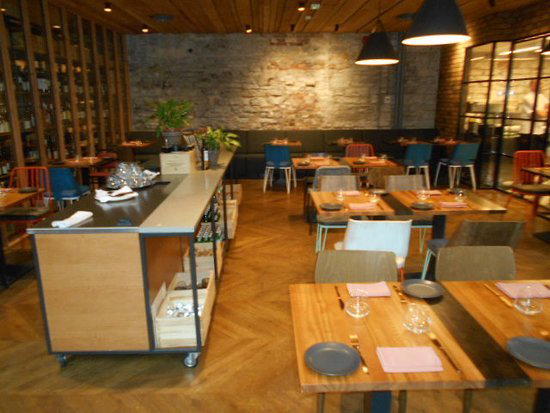
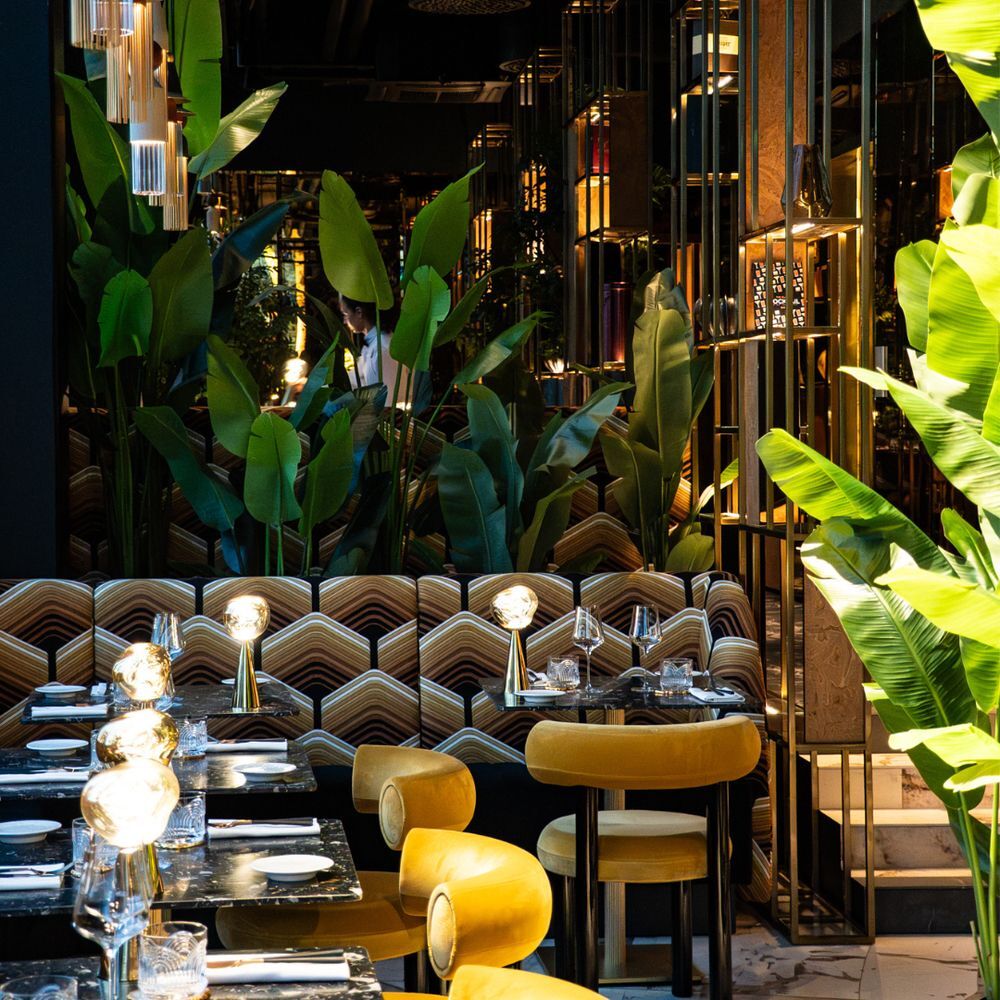
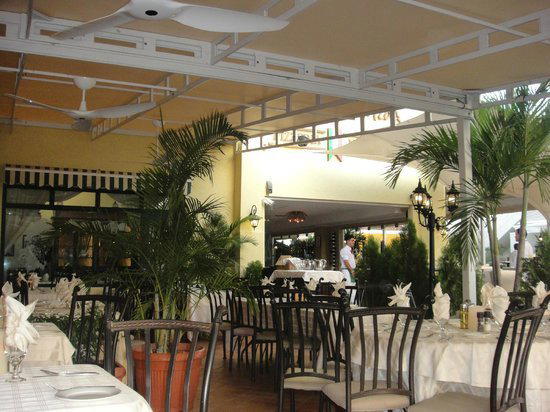
Bars in Tallinn
All bars in Tallinn →
Details
- Cozy
- Modern
- Elegant
- Industrial
- Date Night
- Business Dinner
- Celebration
- Open Kitchen
- Historic Building
- Terrace
- Extensive Wine List
- Local Sourcing
- A La Carte
- Vegetarian Friendly
Current opening hours
- Monday
- 11:30 AM–11 PM
- Tuesday
- 11:30 AM–11 PM
- Wednesday
- 11:30 AM–11 PM
- Thursday
- 11:30 AM–11 PM
- Friday
- 11:30 AM–11 PM
- Saturday
- 2–11 PM
- Sunday
- Closed
Hours can change for holidays and private events. Hours as of .
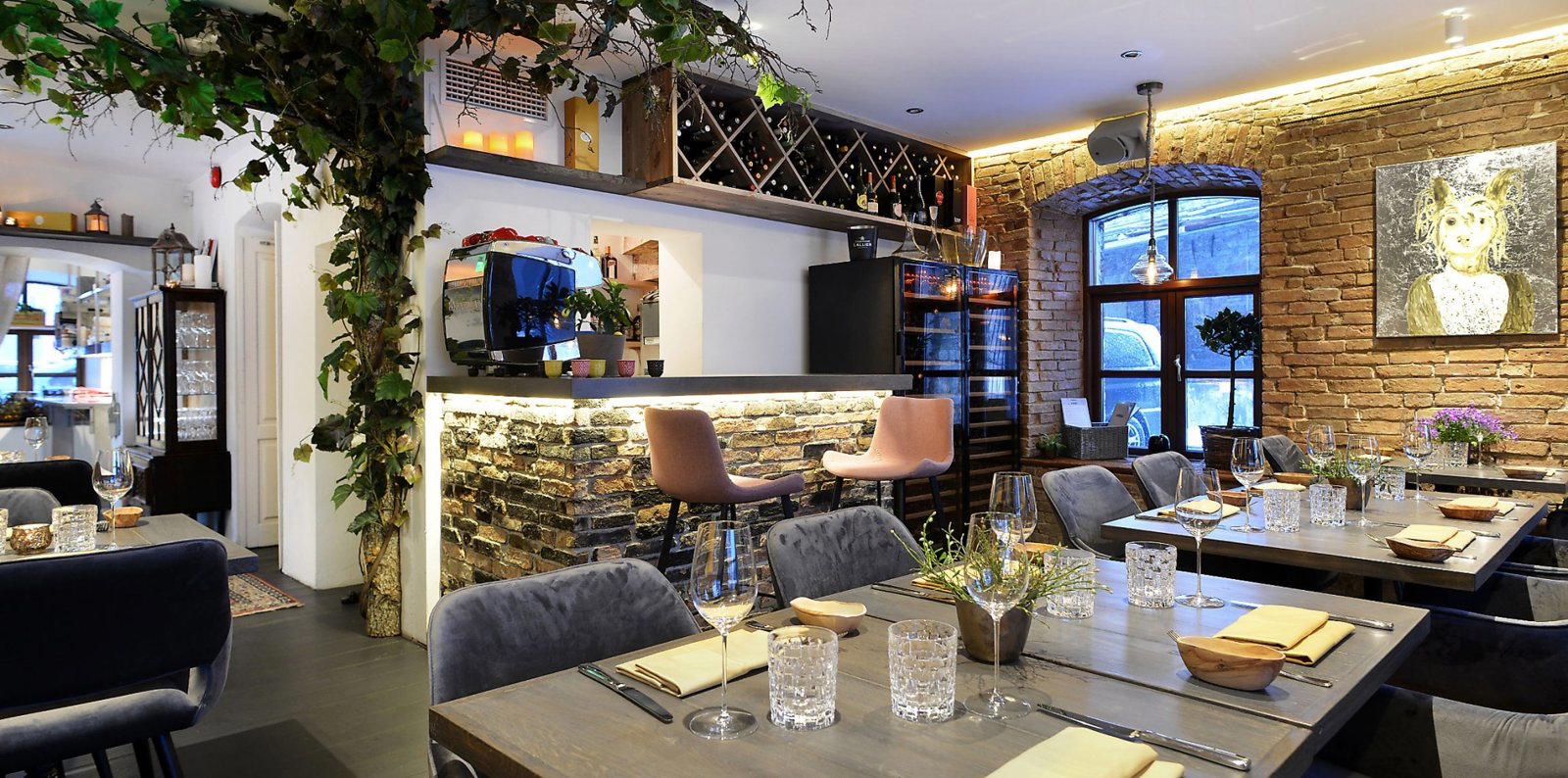
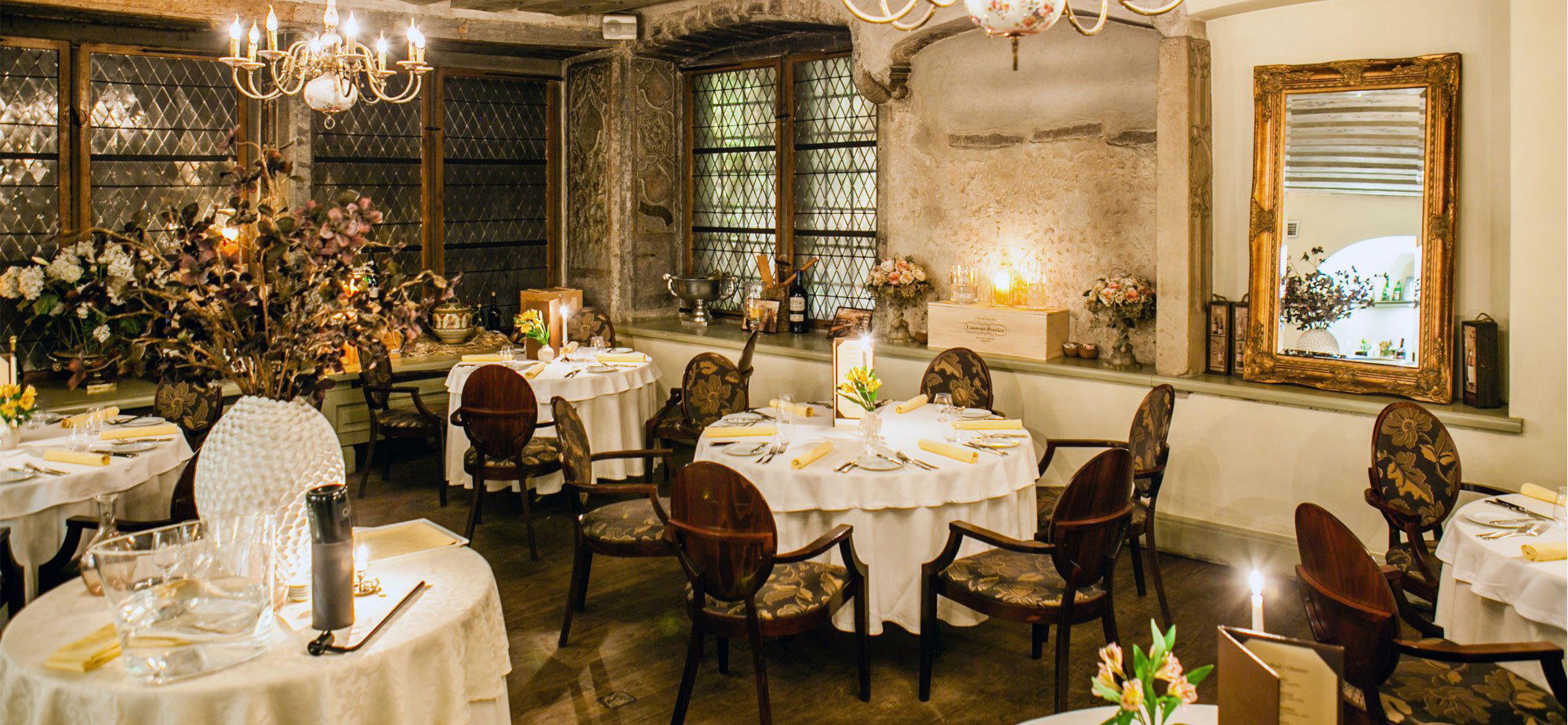
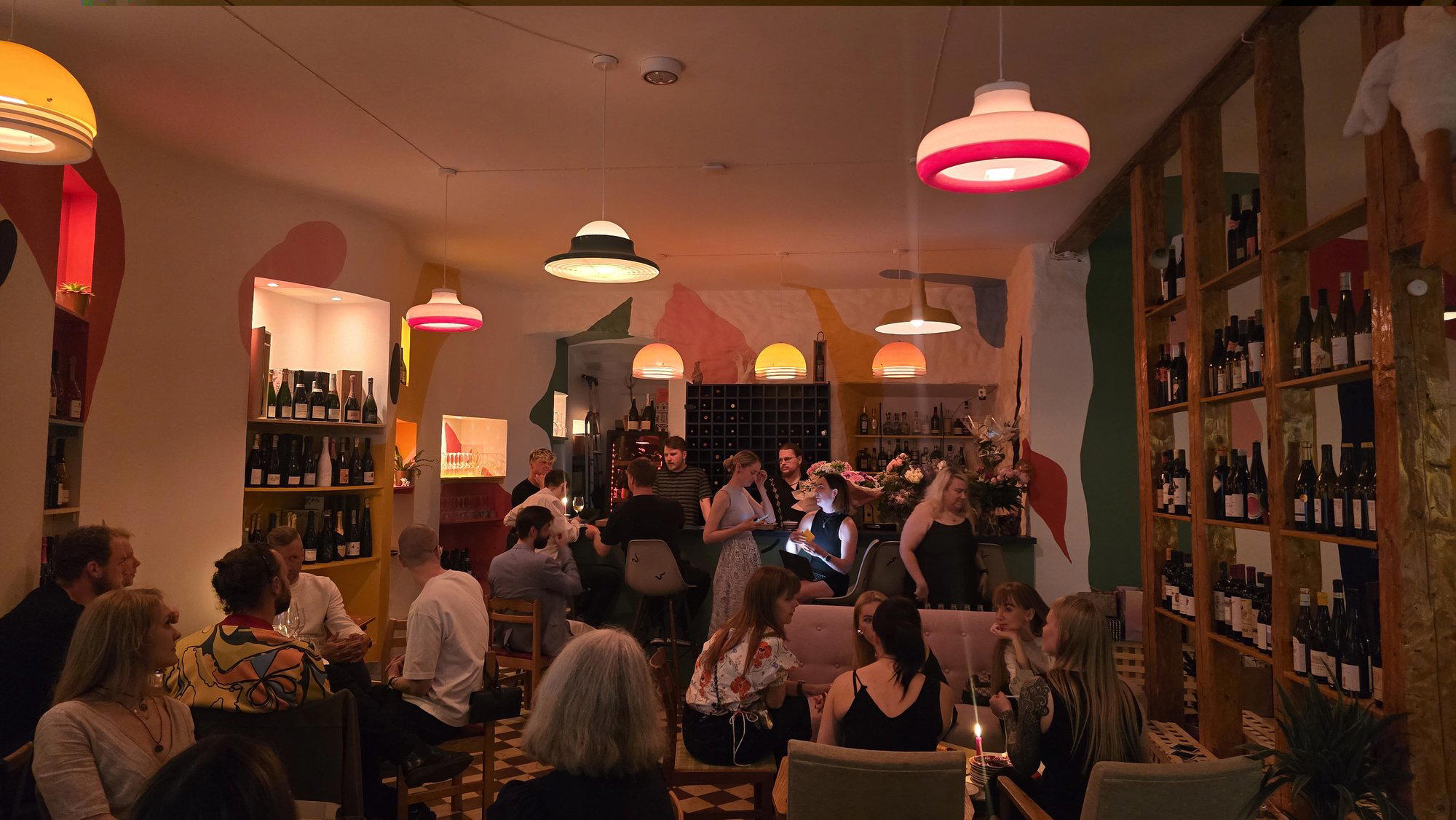
Cosy atmosphere with stylish modern design, open kitchen, exposed brick walls, and good music in a tastefully restored historic building.