


Star Wine List · White Guide Baltic Restaurants - Fine Level · Falstaff Restaurant - 93 Falstaff Points
Our verdict
A couple-run home restaurant on a quiet Tallinn street, ANNO pairs Anna Kaasik's European cooking with Erno Kaasik's wine program, which earned the Star Wine List #1 ranking in 2023. The format sits closer to a private dining experience than a conventional restaurant, with a kitchen philosophy that leans toward seasonal sourcing and occasional Eastern inflections in an otherwise European register.

Pearl is the En Primeur Club membership app — saves, bookings, and concierge access live there. Same editors, same standards.
- Address
- Poldri tn 3, 10154 Tallinn, Estonia
- Phone
- +372 622 0044
- Hours
- Mon ClosedTue–Fri 12–3 PM, 6–10 PMSat 12–10 PMSun Closed
- Website
- anno.ee
- Directions
- Get directions
The menu
What to order
- Beet Goulash
- Tartare
- Eggplant Filet
- Beetroot Broth
- Pike-Perch Fillet
- Duck Leg Confit
A Different Kind of Tallinn Table
Poldri Street, a short walk from Tallinn's Old Town but far enough removed to feel genuinely residential, sets the register before you reach the door. The neighbourhood carries the particular quiet of an Estonian city block that hasn't been repurposed for tourism: low-rise, unhurried, domestic in scale. Arriving at ANNO, run by chef Anna Kaasik and sommelier Erno Kaasik, you are not walking into a restaurant in the conventional sense. The format belongs to a category that Tallinn has cultivated more deliberately than most northern European capitals: the home restaurant, where scale is fixed small, the sourcing is treated as a creative constraint, and the wine list is taken as seriously as the food.
That pairing of food and wine under equal creative ownership is rarer than it sounds. Most restaurants treat the cellar as a secondary concern, assembled to complement a chef's vision. At ANNO, the sommelier role is structural. Erno Kaasik's wine program earned the Star Wine List #1 position in Estonia in 2023, a ranking that signals curatorial seriousness rather than simply volume or price range. That credential places ANNO in a different competitive set from the larger fine-dining rooms in Tallinn, where wine lists tend toward the familiar European canon. Here, the selection is treated as a point of view.
European Cooking with Eastern Pull
Anna Kaasik's cooking sits within a European framework but allows for what the restaurant describes as occasional oriental hints. This is not fusion in the blunt commercial sense. It reflects something happening across the smaller, independently operated restaurants of the Baltic states: a quiet reassessment of what European flavour actually means when you are cooking from the eastern edge of the continent, where trade routes, migration, and Soviet-era ingredient economies left traces that aren't easily erased.
In the context of ingredient sourcing, that positioning matters. Estonian produce has its own seasonal logic: short growing seasons, a strong foraging culture, cold-water fish, and root vegetables that reward slow preparation. The restaurants that handle Estonian ingredients with the most authority tend to be small enough to respond to what is actually available rather than what a supply chain can reliably deliver. For context, some of the most compelling ingredient-driven cooking in the country comes from outside the capital altogether: Alexander in Pädaste on Muhu Island, Hiis in Manniva, and Kolm Sõsarat in Lüllemäe all operate at a scale where the sourcing relationship is direct and the menu is genuinely seasonal. ANNO occupies a comparable position within Tallinn itself.
The home restaurant format enforces a discipline that larger operations cannot replicate. When a kitchen serves a small number of covers, waste is not a rounding error — it is a practical problem. That constraint shapes purchasing decisions: you buy closer to home, in quantities that match what you can actually use, from suppliers you can call directly. The result, when it works, is food that tastes of its moment and place rather than of a logistics network.
Where ANNO Sits in Tallinn's Dining Picture
Tallinn's restaurant scene has developed two distinct registers in recent years. The first is the destination fine-dining tier, represented by places like NOA Chef's Hall and 180° by Matthias Diether, where tasting menus, international chef credentials, and architectural dining rooms are part of the offer. The second is a smaller, more intimate tier of independently operated rooms where the format is quieter and the relationship between kitchen and guest is more direct. ANNO belongs to the latter group.
That distinction matters for how you plan a visit. The high-end tasting menu rooms like 38 and Bocca operate within a broadly international fine-dining grammar, where the experience is designed to meet expectations formed in other cities. ANNO offers something calibrated differently: the informality of a domestic setting, the specificity of a wine program built around one person's knowledge, and cooking that reflects what is available rather than what a standardised menu demands. For a comparison further afield, it shares more structural DNA with destination-format restaurants outside the capital, such as Fellin in Viljandi or Lahepere Villa in Kloogaranna, than with the polished urban dining rooms a few streets away.
The wine program anchors the experience in a way that few restaurants at this scale manage. A Star Wine List #1 ranking in a country with a growing and increasingly serious wine culture is not incidental. It reflects consistent curation, knowledgeable service, and a list that has been assessed by a panel with defined criteria. For wine-focused visitors, this is the primary reason to seek ANNO out over other small restaurants in the city.
Planning a Visit
The address at Poldri tn 3 places ANNO within walking distance of central Tallinn, though the residential setting means it lacks the foot traffic and street-level visibility of Old Town restaurants. Given the home restaurant format and the small number of covers, booking in advance is the only practical approach. Visitors who arrive without a reservation are unlikely to find space, and the nature of the format means that last-minute availability is genuinely rare. ANNO does not publish hours, a booking platform, or a phone number through standard channels, which reinforces the sense that this is a room that operates on its own terms rather than conventional hospitality infrastructure. The most reliable route is to contact the restaurant directly and work around their schedule rather than your own.
For visitors building a wider Tallinn itinerary, EP Club has guides covering restaurants, hotels, bars, wineries, and experiences across the city. If you are extending into the rest of Estonia, the country's ingredient-driven restaurant culture extends well beyond Tallinn: Hõlm in Tartu and 180 Degrees Restaurant are worth building into a broader itinerary.
Frequently asked questions
Does ANNO Home Restaurant & Wine Corner have a Michelin star or similar recognition?
ANNO Home Restaurant & Wine Corner has received recognition including: Anno is a small and homely restaurant run by couple Anna Kaasik (chef) and Erno Kaasik (sommelier). Together, they blend European flavours with occasional oriental hints, complemented by a characterfu...; Star Wine List #1 (2023).
How do I find ANNO Home Restaurant & Wine Corner?
ANNO Home Restaurant & Wine Corner is located at Poldri tn 3, 10154 Tallinn, Estonia, Tallinn.
What should I order at ANNO Home Restaurant & Wine Corner?
ANNO's menu is seasonal rather than fixed, built around Anna Kaasik's European cooking with occasional Eastern inflections, so the best approach is to follow what's being served on the day. The wine list, overseen by sommelier Erno Kaasik, earned Star Wine List's #1 ranking in 2023, making wine pairings a serious consideration rather than an afterthought. Ask Erno directly — at a venue this small, the sommelier is at the table, not behind a podium.
Is ANNO Home Restaurant & Wine Corner reservation-only?
ANNO operates out of a residential address on Poldri tn 3 in central Tallinn, and the home restaurant format means cover numbers are tightly limited. Walk-in chances are slim; contacting the restaurant in advance is the practical approach to securing a table.
How It Stacks Up
| Venue | Cuisine | Price | Awards | Notes |
|---|---|---|---|---|
| ANNO Home Restaurant & Wine CornerThis venue — the venue you are viewing | Creative Baltic Fine Dining | $50–100 | Star Wine List · White Guide Baltic Restaurants - Fine Level | Not listed |
| NOA | Modern International | $50–100 | Michelin Bib Gourmand · White Guide Baltic Restaurants - Very Fine Level | Modern European, Modern Cuisine |
| 180° by Matthias Diether | Modern Creative Fine Dining | $300–500 | 2 Michelin Stars · La Liste Top Restaurants | Estonian Fusion |
| NOA Chef’s Hall | Modern European Fine Dining | $150–200 | 1 Michelin Star · La Liste Top Restaurants | Creative |
| Fotografiska | Progressive Sustainable Food & Drink | Not listed | Michelin Bib Gourmand · Star Wine List | Modern Cuisine |
| Härg | Modern Chargrilled Steakhouse | $50–100 | Michelin Plate · White Guide Baltic Restaurants - Very Fine Level | Meats and Grills |
Recognition history
Dated appearances from independent guides and award organizations, with the underlying list record or original source where available.
Star Wine List
Star Wine List
Falstaff Restaurant - 93 Falstaff Points
Falstaff
White Guide Baltic Restaurants - Fine Level
White Guide
Full recognition history (4 entries)
Star Wine List
Star Wine List
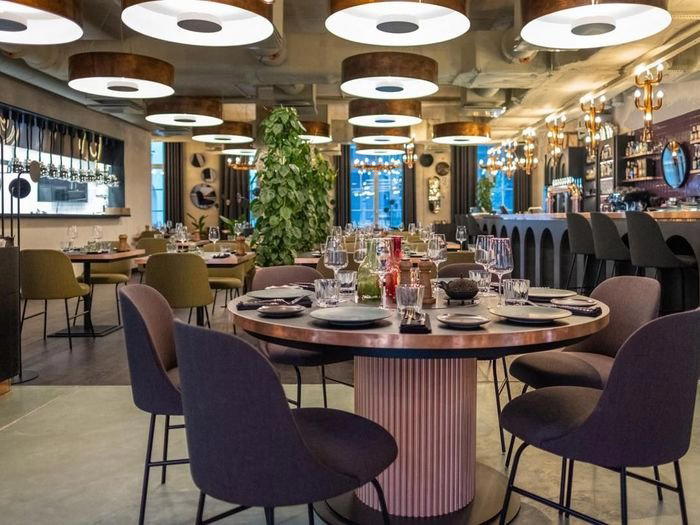
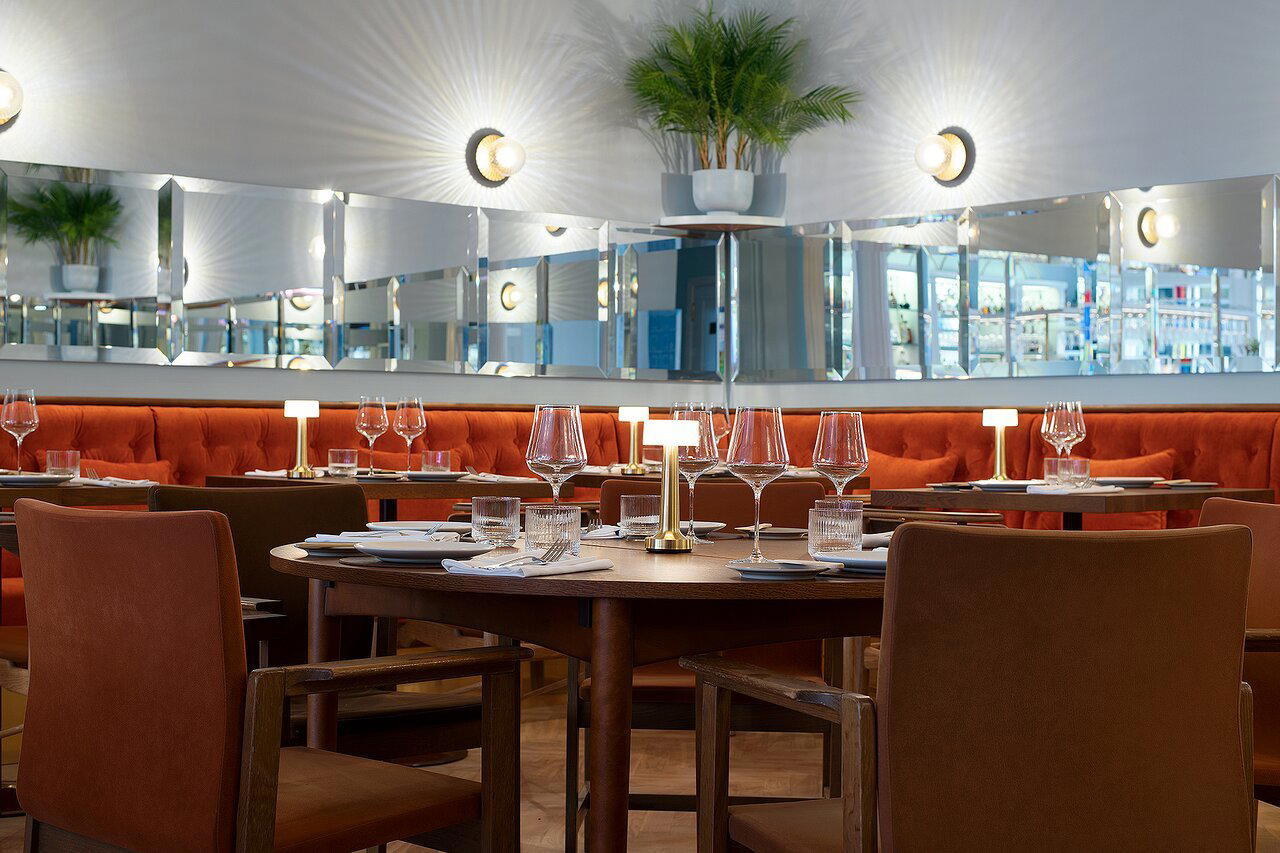
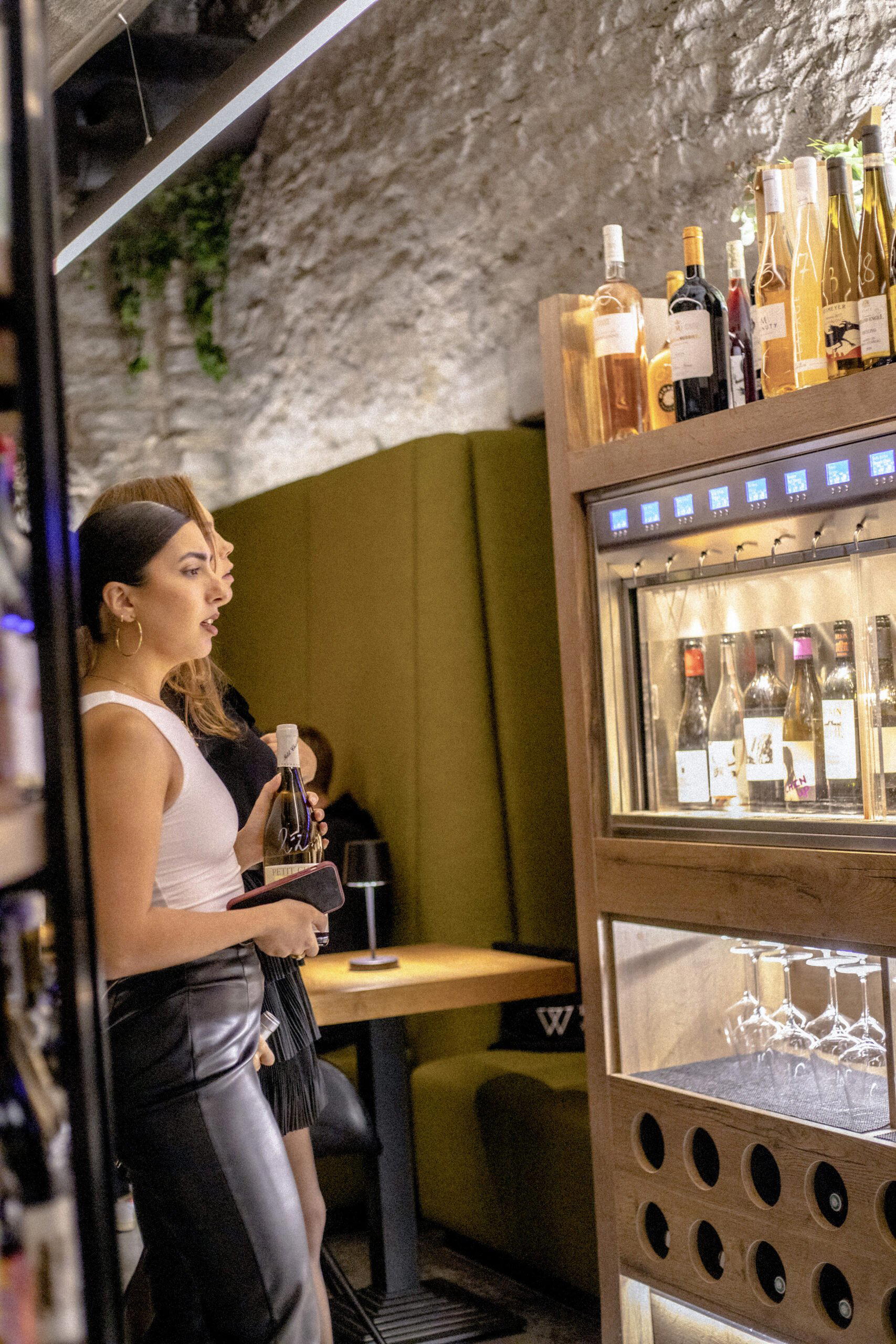
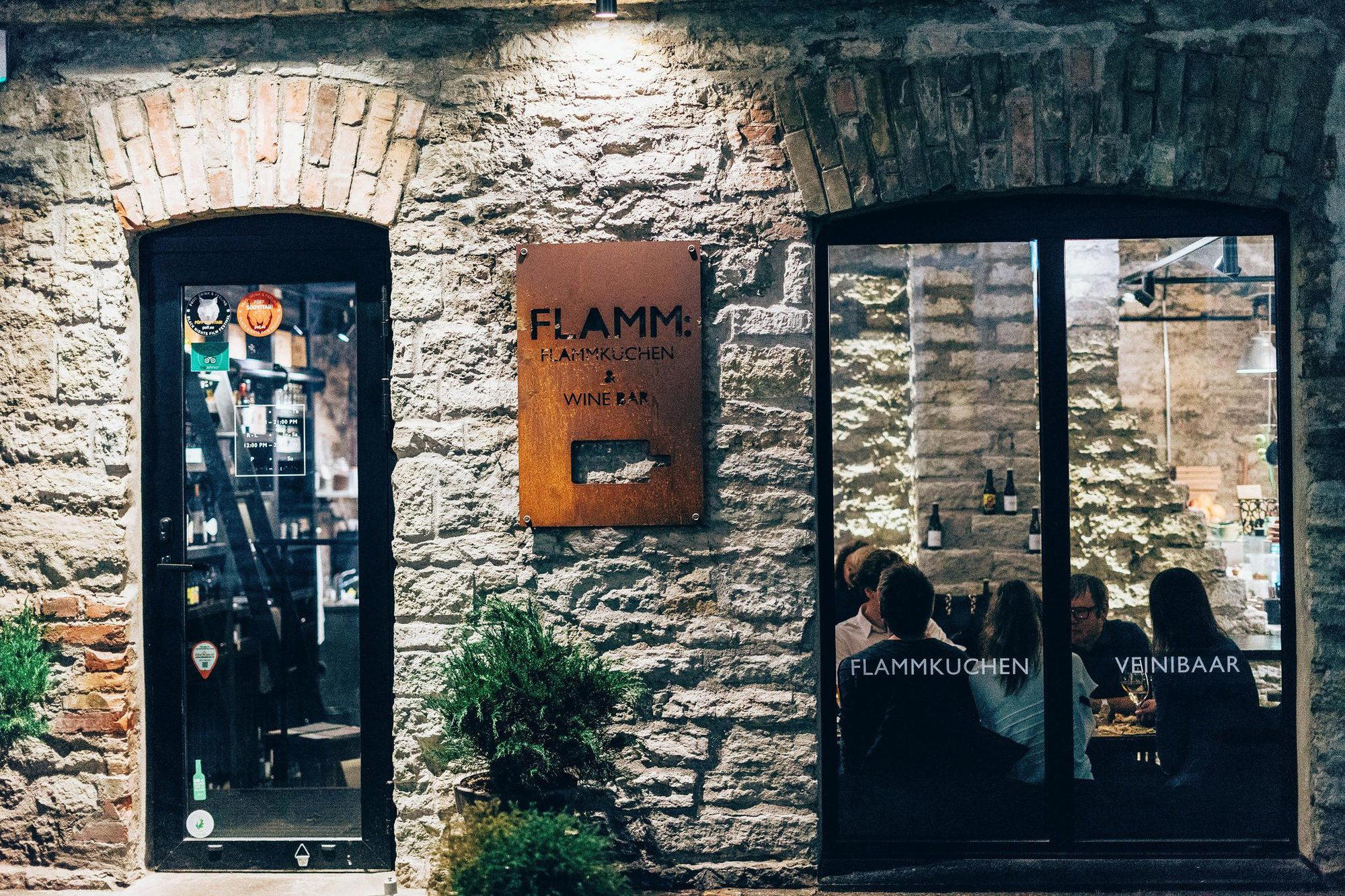
ANNO Home Restaurant & Wine Corner
The wine
- Wine program
- Exceptional wine program
- Extensive wine list
- Sommelier-led
Details
- Cozy
- Intimate
- Elegant
- Romantic
- Classic
- Date Night
- Special Occasion
- Celebration
- Business Dinner
- Historic Building
- Private Dining
- Terrace
- Standalone
- Extensive Wine List
- Sommelier Led
- Local Sourcing
- Farm To Table
- Tasting Menu
- A La Carte
- Wine
- Wine Pairings
- Vegetarian Friendly
Current opening hours
- Monday
- Closed
- Tuesday
- 12–3 PM, 6–10 PM
- Wednesday
- 12–3 PM, 6–10 PM
- Thursday
- 12–3 PM, 6–10 PM
- Friday
- 12–3 PM, 6–10 PM
- Saturday
- 12–10 PM
- Sunday
- Closed
Hours can change for holidays and private events. Last verified .
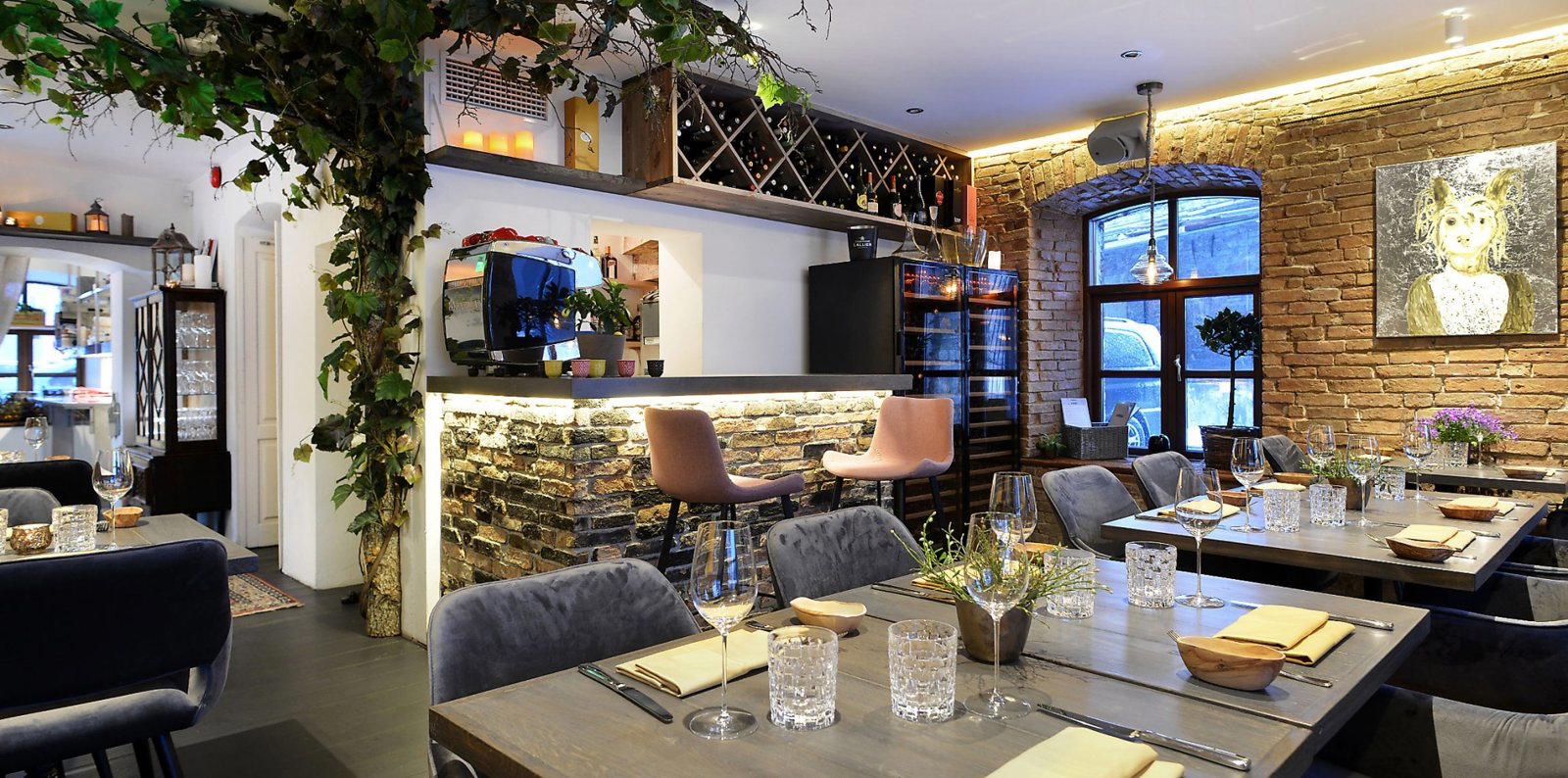
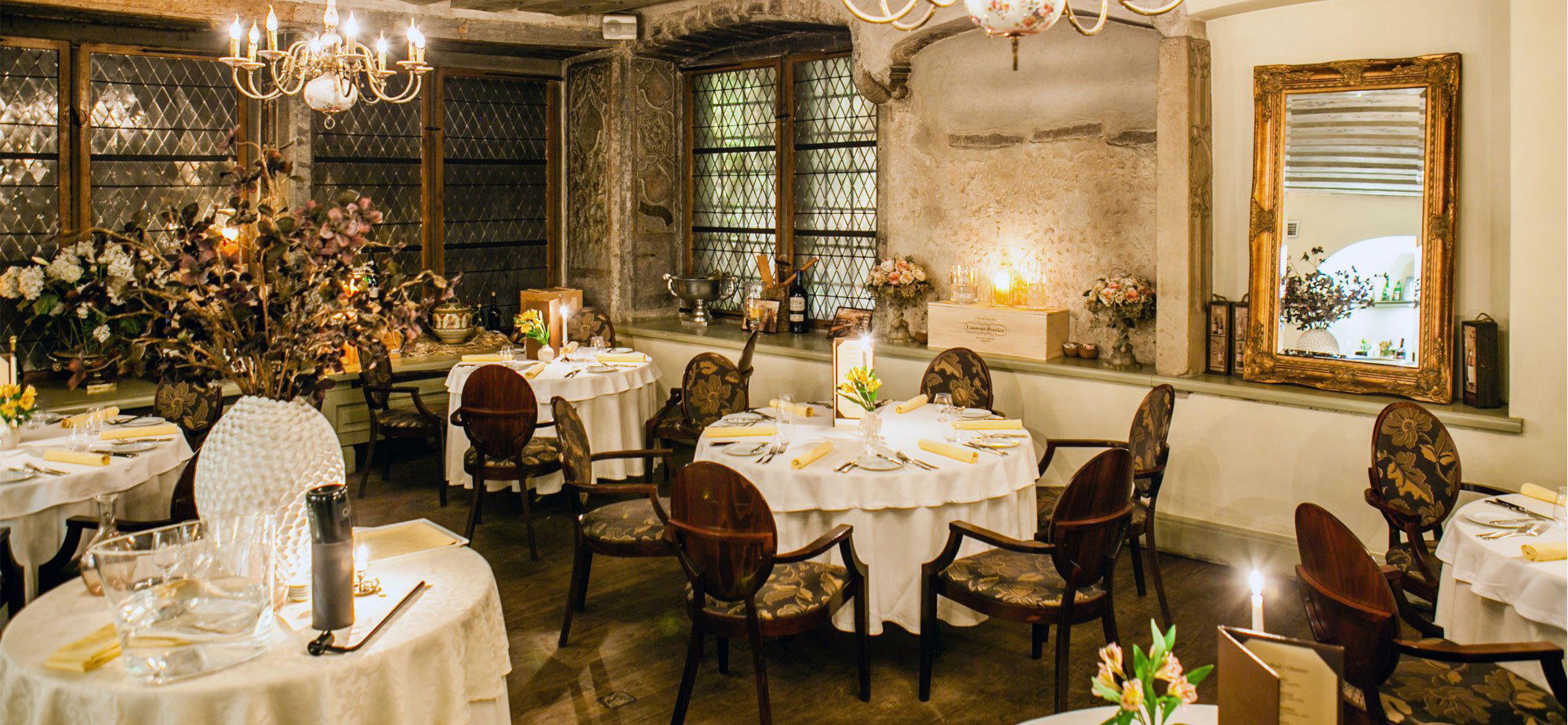
Warm, candlelit, and intimate with a home-like coziness emphasized by soft lighting and historic building details; feels like dining in a private home rather than a restaurant.