Google: 4.4 · 584 reviews
.png)


Sustainable Pleasure defines Fotografiska in Tallinn, a Michelin-recognized restaurant above the photography museum where zero-waste, Nordic-Estonian cuisine meets rooftop views and a standout Sunday brunch.
 Discover on Pearl
Pearl is the En Primeur Club membership app — saves, bookings, and concierge access live there. Same editors, same standards.
Where the Gallery Ends and the Dining Room Begins
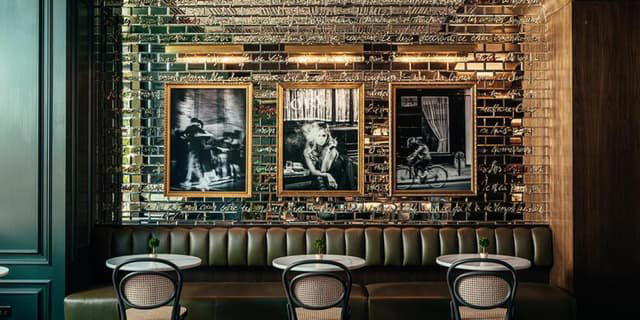
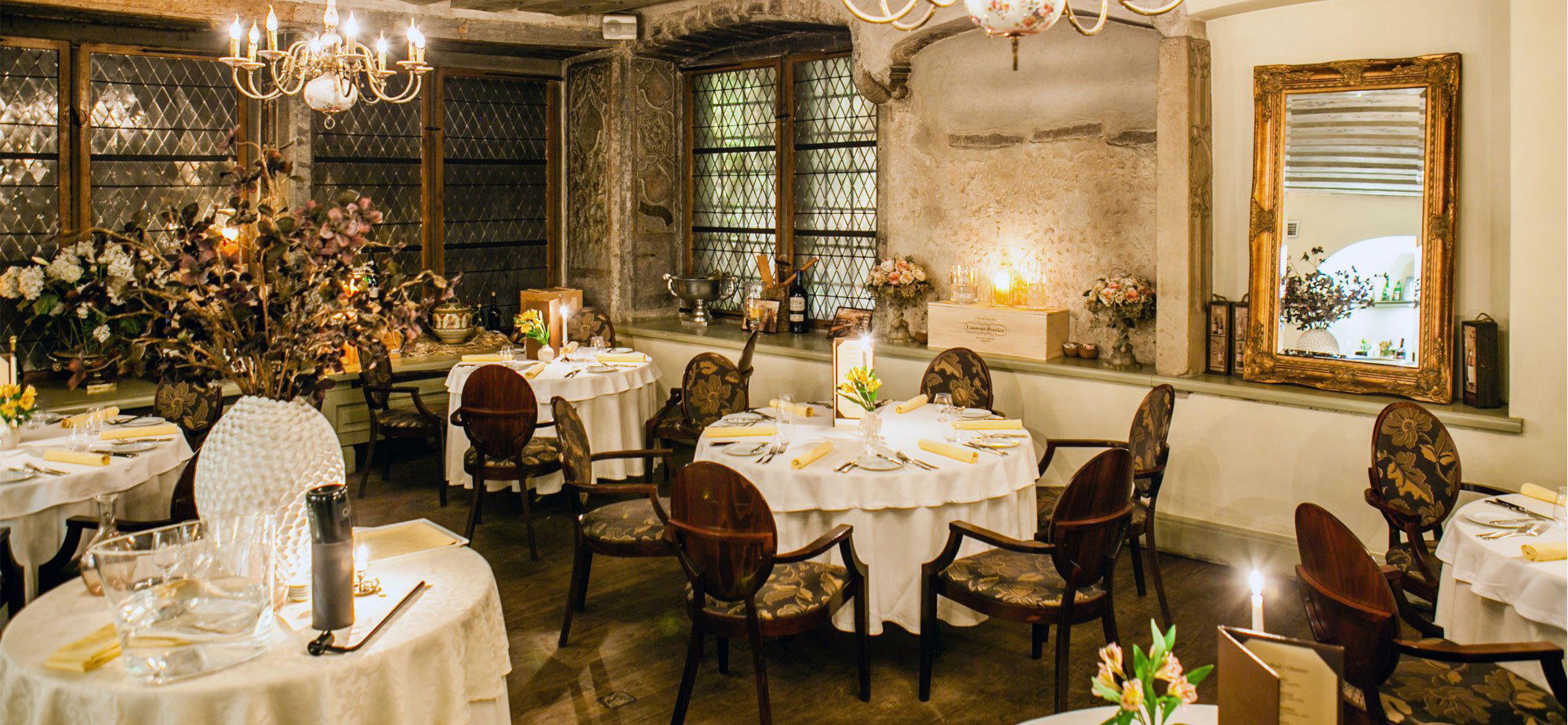
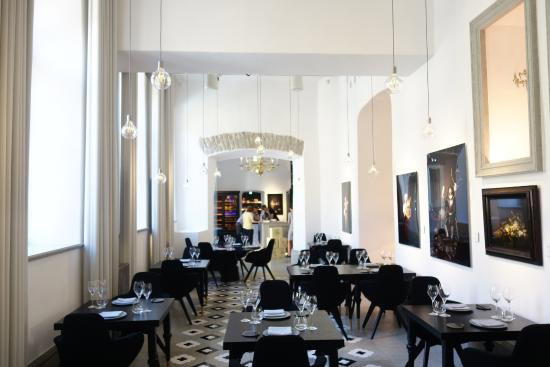
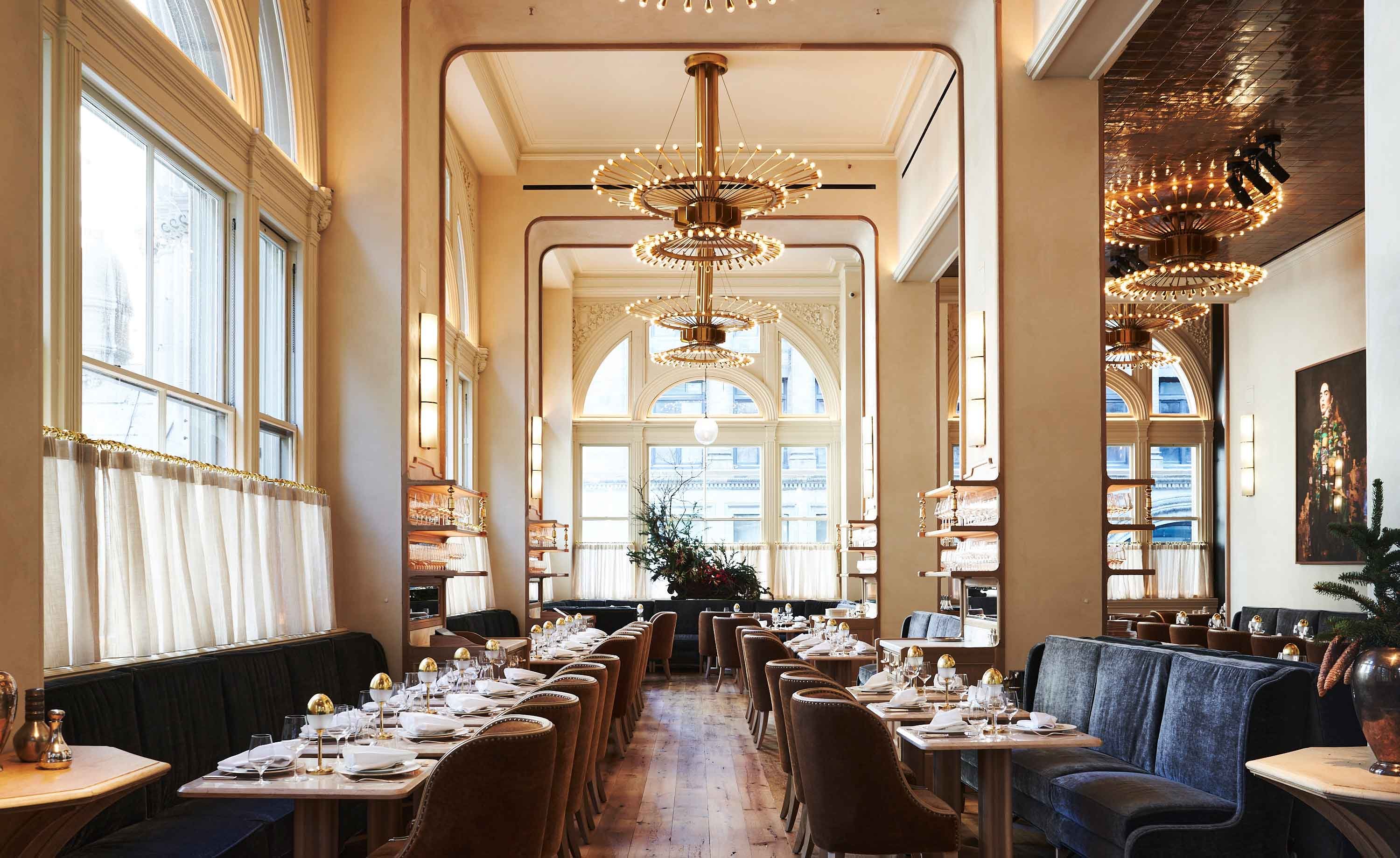
Arriving at Telliskivi Creative City, Tallinn's converted industrial quarter, the transition from street level to restaurant feels deliberately disorienting in the leading way. You pass through the photography gallery floors of Fotografiska before reaching the restaurant above, so by the time you're seated, you've already spent time with large-format prints and the particular attentiveness that comes from looking at images slowly. The restaurant occupies the upper level of this repurposed building, and the rooftop bar extends the experience further outward, framing a panorama across the Old Town's limestone towers and red-tiled rooflines. This is not a venue that exists separately from its cultural container; the two floors inform each other in ways that make the booking feel like a decision about how you want to spend a full evening rather than just where to eat.
Zero-Waste Cooking in a City That Takes It Seriously
Tallinn's restaurant scene has moved decisively toward sourcing discipline and sustainability credentials over the past decade. What began as a niche positioning in the early 2010s is now a meaningful competitive signal across the city's mid-to-upper tier. Fotografiska sits inside this shift, but with a more formal commitment than most: the kitchen operates on a leaf-to-root, nose-to-tail philosophy that the venue describes as 'Sustainable Pleasure,' and zero-waste practice is not a garnish on the menu concept but its structural premise. Dishes such as sprouted rye, pearl barley risotto, and rooftop honey cake — the latter using honey from hives kept on the building itself — illustrate how the sourcing logic reaches into the details of individual plates.
Chef Peeter Pihel, who leads the kitchen, has accumulated a substantial record within Estonian fine dining and is identified as a promoter of zero-waste cooking in the country's culinary community. His role here is less about personal narrative than about what his presence signals: a kitchen led by someone with deep local credibility operating at a price point (€€€) that sits between the city's ambitious mid-range and its Michelin-starred top tier. For comparison, NOA Chef's Hall and 180° by Matthias Diether operate at €€€€ with one and two Michelin stars respectively, while venues like Barbarea and Lore Bistroo occupy lower price brackets. Fotografiska's Michelin Plate recognition (2025) confirms it belongs to the tracked tier without reaching starred status.
The Wine Program as a Parallel Argument
The awards record here skews noticeably toward the wine list rather than the food alone. Star Wine List has ranked Fotografiska among its leading selections in Tallinn across 2023, 2024, and 2025, appearing at positions one through four across those years. In a city where wine programming has historically lagged behind kitchen ambition, sustained recognition of this kind positions Fotografiska as one of the more serious wine destinations in the country, not merely a restaurant with a creditable list. For guests whose dining decisions are partly driven by the glass, this is a meaningful distinction. It also suggests that the pairing dimension of a meal here carries editorial weight that a visit focused only on the food would undervalue. See our full Tallinn wineries guide for context on how the city's wine culture sits relative to the broader Baltic region.
Planning the Visit: What to Know Before You Book
Fotografiska Tallinn sits within a cultural institution that draws both art visitors and dedicated diners, which means the restaurant functions within a dual-audience dynamic. Booking through the restaurant channel rather than arriving speculatively from the gallery is strongly advisable; the €€€ price tier and the quality of the wine program attract a regular dining clientele that fills tables independently of gallery foot traffic. Sunday brunch operates on a themed format, which adds a weekly programming variable that makes the Sunday visit a distinct experience from a weekday dinner. If your itinerary is flexible, the rooftop bar provides a useful hedge: beginning or ending with cocktails on the terrace while waiting for a table, or extending the evening after a meal, extracts more value from the location's geography without requiring a separate reservation.
Tallinn's Old Town is easily walkable from Telliskivi, and the creative quarter is well-connected by tram. The address at Telliskivi tn 60a-8 places the venue inside the cluster of studios, concept spaces, and restaurants that have made this part of the city a reference point for Baltic urban regeneration. For broader orientation, our full Tallinn restaurants guide maps the city's dining options by neighbourhood and price tier, and our full Tallinn hotels guide covers accommodation options across the city for those building a longer stay.
How Fotografiska Fits the Tallinn Fine Dining Map
The city's upper dining tier in 2025 includes a range of formats and philosophies. Horisont offers refined city views from a different vantage point. Art Priori operates in a gallery-adjacent register similar to Fotografiska's cultural framing. HOOV represents the courtyard-and-seasonal model that has proliferated across the Baltic capitals. Each venue reflects a different interpretation of what premium dining in a post-Soviet European city should be in the 2020s. Fotografiska's position is defined by its institutional setting, its wine program's depth, and a sustainability commitment that functions as a genuine operational constraint rather than a marketing gesture. For those building a multi-night itinerary in Tallinn, the combination of gallery visit, dinner, and rooftop cocktails makes it a different kind of evening from a standalone restaurant booking, which is both its strength and its planning requirement. Also consider our full Tallinn bars guide and our full Tallinn experiences guide for what to pair with a Fotografiska evening.
Estonia Beyond Tallinn
Fotografiska operates within a national dining conversation that extends well beyond the capital. Across Estonia, a generation of chefs has been working with hyper-local ingredients and minimal-intervention techniques in settings that range from coastal manor houses to village restaurants. Alexander in Pädaste on Muhu Island has long been a reference point for Estonian fine dining in a natural setting. Hiis in Manniva and Kolm Sõsarat in Lüllemäe represent the country's rural fine dining strand, where sourcing from the surrounding land is structural rather than aspirational. Hõlm in Tartu anchors Estonia's second city with a kitchen that has drawn sustained recognition, and Lahepere Villa in Kloogaranna adds a coastal dimension to the picture. Fellin in Viljandi rounds out the regional circuit for those travelling south. Globally, the zero-waste and sustainability-led modern cuisine model finds peers in formats like Frantzén in Stockholm and, at a different scale, FZN by Björn Frantzén in Dubai, both of which operate within the broader northern European fine dining tradition that informs what Tallinn's upper tier is doing.
Same-City Peers
A quick peer reference to anchor this venue in its category.
| Venue | Cuisine | Price | Notes |
|---|---|---|---|
| Fotografiska | Modern Cuisine | €€€ | This venue |
| NOA | Modern European, Modern Cuisine | €€ | Modern European, Modern Cuisine, €€ |
| 180° by Matthias Diether | Estonian Fusion | €€€€ | Estonian Fusion, €€€€ |
| NOA Chef’s Hall | Creative | €€€€ | Creative, €€€€ |
| Härg | Meats and Grills | €€ | Meats and Grills, €€ |
| Lee | Asian Fusion, Asian Influences | €€ | Asian Fusion, Asian Influences, €€ |