P.S. & Co.
On Rittenhouse Square's quieter residential stretch, P.S. & Co. operates at the intersection of plant-forward cooking and ethical sourcing in a city that has largely kept sustainability-led dining below the radar. The kitchen works from a framework that prioritises seasonal, minimally processed ingredients, placing it in a distinct tier among Philadelphia's independent restaurants.
Pearl is the En Primeur Club membership app — saves, bookings, and concierge access live there. Same editors, same standards.
- Address
- 1706 Locust St, Philadelphia, PA 19103
- Phone
- +1 215 985 1706
- Website
- psandco.com
- Directions
- Get directions
 Saves & bookings on Pearl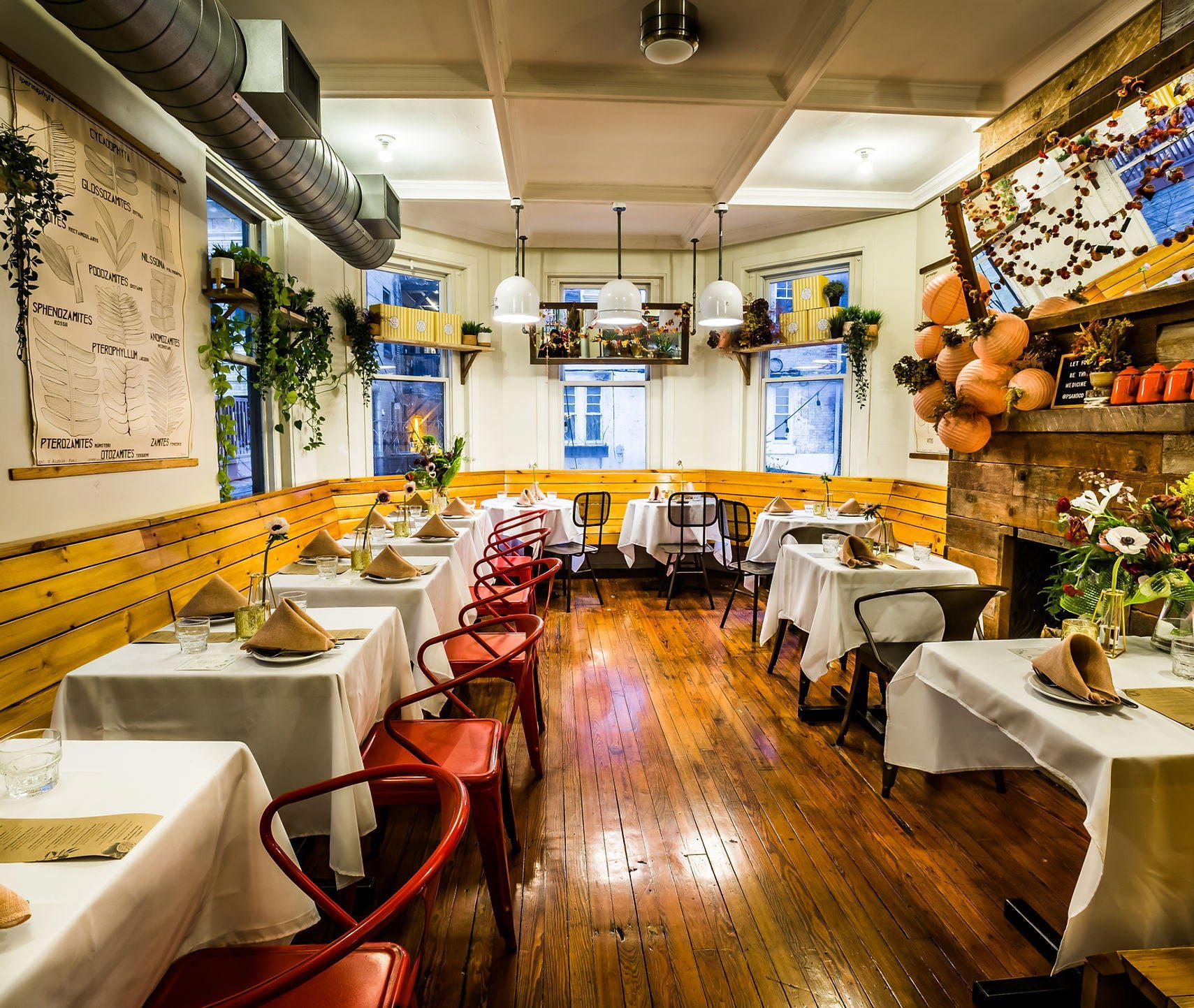
A Different Kind of Rittenhouse Table
Locust Street between 17th and 18th runs quieter than the square it flanks. The foot traffic thins, the storefronts become more residential in scale, and the restaurants here tend to draw regulars rather than tourists. It is in this pocket that P.S. & Co. sits at 1706 Locust St. The aesthetic leans spare and considered: natural materials, light that doesn't overwhelm, a pace that discourages rushing. Philadelphia has built a serious dining identity across neighbourhoods from Fishtown to Graduate Hospital, but Rittenhouse's restaurant row has historically skewed toward comfort and convention. P.S. & Co. occupies a quieter lane within that geography, one defined by what it chooses not to do as much as what it does.
Where Philadelphia's Plant-Forward Scene Actually Stands
American cities have sorted themselves into rough tiers when it comes to sustainability-conscious dining. P.S. & Co. is a casual, walk-in-friendly Philadelphia restaurant serving 100% Vegan Organic Plant-Based food at about $25 per person. At one end sit the coastal standard-bearers, Blue Hill at Stone Barns in Tarrytown operates its own working farm and has become a reference point for farm-to-table practice at the highest level, while Single Thread Farm in Healdsburg integrates agriculture, hospitality, and fine dining into a single property. At another tier, urban kitchens work without land of their own but build sourcing relationships tight enough that seasonal availability shapes the menu rather than merely decorating it.
Philadelphia sits somewhere instructive between those poles. The city has strong farmers' market infrastructure, particularly through the Clark Park and Headhouse Square markets, and a cluster of independent restaurants that have treated local sourcing as operational policy rather than marketing language. Among them, Fork and Friday Saturday Sunday both work within a New American register that includes seasonal produce as a structural element. P.S. & Co. approaches this from a more explicitly plant-centred position, which in Philadelphia's dining context remains a less populated space than in cities like Los Angeles or San Francisco.
Nationally, the restaurants that have built particularly credible sustainability credentials tend to share a few characteristics: sourcing relationships named and verifiable, menus that shift with genuine seasonal logic rather than decorative garnish, and kitchens that address the full supply chain including waste, not just the ingredient at point of purchase. Smyth in Chicago and Providence in Los Angeles both operate within this framework at a fine dining price point. Atelier Moessmer Norbert Niederkofler in Brunico has made Alpine regional sourcing the entire creative premise. P.S. & Co. operates at a different scale and price register, but the underlying commitment to ingredient provenance and minimal processing places it within a recognisable tradition.
The Logic of Eating Here
Plant-forward restaurants in American cities have had to navigate a persistent commercial challenge: the format reads as restriction to a portion of diners who associate meatless eating with compromise. The kitchens that have successfully reframed the conversation tend to do so through technique and specificity rather than ideology, the dish earns its place on taste, not virtue. Philadelphia has seen this play out across several restaurants in recent years, with menus that foreground vegetables through roasting, fermentation, and careful pairing rather than through salad-bowl minimalism.
P.S. & Co.'s position on Locust Street gives it a particular clientele context. Rittenhouse Square draws a professional and arts-adjacent crowd that skews toward considered consumption, a demographic more likely to treat sourcing ethics as a baseline expectation than a novelty. That alignment between location and concept is not accidental in a city where neighbourhood identity still shapes restaurant culture more directly than in denser, more homogenised dining markets.
For points of comparison within the city's broader independent scene: Mawn approaches Southeast Asian tradition through a similarly ingredient-conscious lens, while South Philly Barbacoa has built a loyal following through sourcing specificity within a Mexican framework. My Loup brings French-inflected discipline to its ingredient selection. Each represents a different translation of the same underlying principle: that what a restaurant sources, and how, is as much a part of the offer as what ends up on the plate.
Sustainability as Operating System, Not Branding
The restaurants that have moved sustainability from talking point to operational identity share a common characteristic: the choices show up in the less visible decisions. Waste management, packaging, energy use, and supplier relationships that go beyond a logo on a menu all differentiate kitchens genuinely working within an environmental framework from those using it as positioning. At the level of national recognition, Le Bernardin in New York City has addressed sourcing responsibility within a seafood-focused context. Lazy Bear in San Francisco builds its menu around foraged and locally sourced material. Addison in San Diego and The Inn at Little Washington both bring garden-to-table logic into refined American formats. The French Laundry in Napa maintains its own kitchen garden. Atomix in New York City and Emeril's in New Orleans operate within different culinary traditions but each reflects sourcing decisions made at an institutional level.
P.S. & Co. operates at a more accessible price point than most of those references, which matters for how sustainability-conscious dining reaches a wider audience. High-commitment sourcing at a mid-range price is a harder commercial equation than at a tasting-menu price point, and the restaurants that manage it tend to attract a particular kind of loyalty from regulars who appreciate the values without the occasion-dining premium.
Planning Your Visit
P.S. & Co. is at 1706 Locust St in Philadelphia's Rittenhouse Square neighbourhood, reachable on foot from the 17th Street corridor and served by several SEPTA bus routes. The address sits within easy walking distance of the square itself, making it a practical anchor for an afternoon or evening in that part of the city.
Cuisine Lens
Comparable venues nearby, for context on price, style, and recognition.
| Venue | Cuisine | Price | Notes |
|---|---|---|---|
| P.S. & Co.This venue — the venue you are viewing | 100% Vegan Organic Plant-Based | $$ | Not listed |
| Mi Lah Vegetarian | Vegan Asian Fusion | $$ | Rittenhouse Square |
| Snack Shack at Forest & Main | Polished American Snack Shack | $$ | Fishtown |
| Silk City | New American Diner | $$ | Northern Liberties |
| Abbaye | American Gastropub | $$ | Northern Liberties |
| Seiko Japanese Restaurant | Japanese Sushi | $$ | Northern Liberties |
Continue exploring
More in Philadelphia
Restaurants in Philadelphia
Browse all →
Bars in Philadelphia
Browse all →
At a Glance
- Rustic
- Cozy
- Modern
- Brunch
- Casual Hangout
- Open Kitchen
- Organic
- Local Sourcing
Current opening hours
- Monday
- 7 AM–6 PM
- Tuesday
- 7 AM–6 PM
- Wednesday
- 7 AM–6 PM
- Thursday
- 7 AM–6 PM
- Friday
- 7 AM–6 PM
- Saturday
- 9 AM–6 PM
- Sunday
- 9 AM–5 PM
Hours can change for holidays and private events. Last verified .
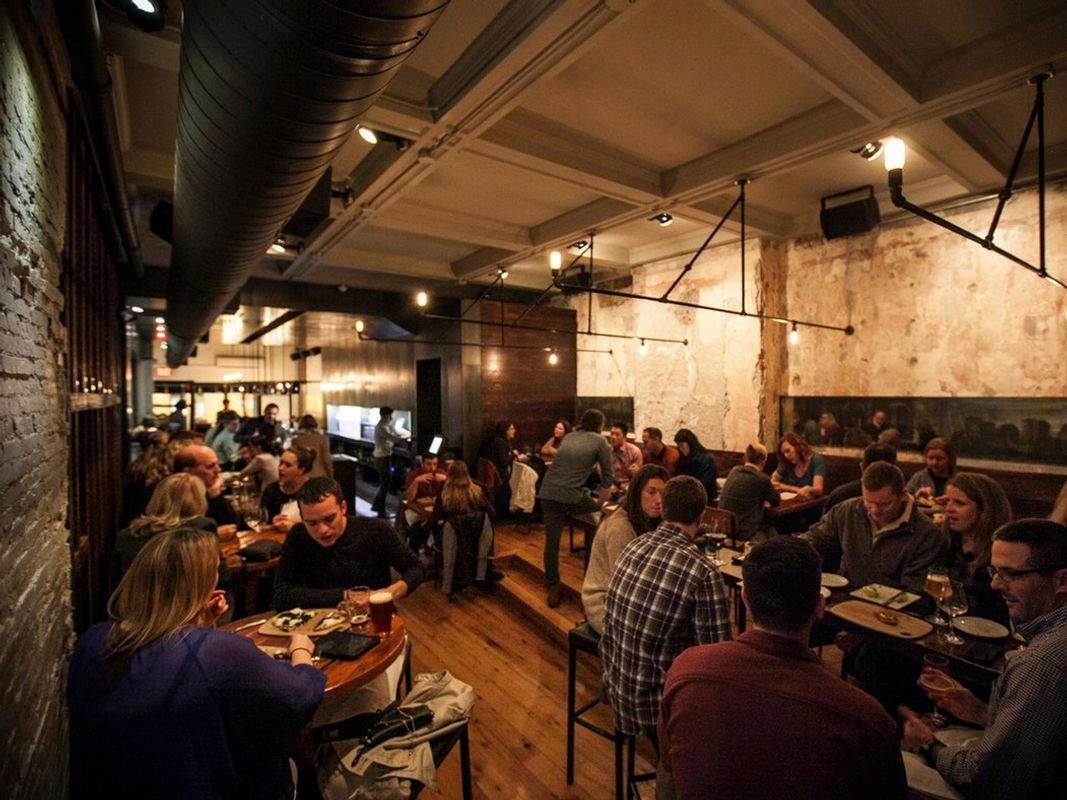
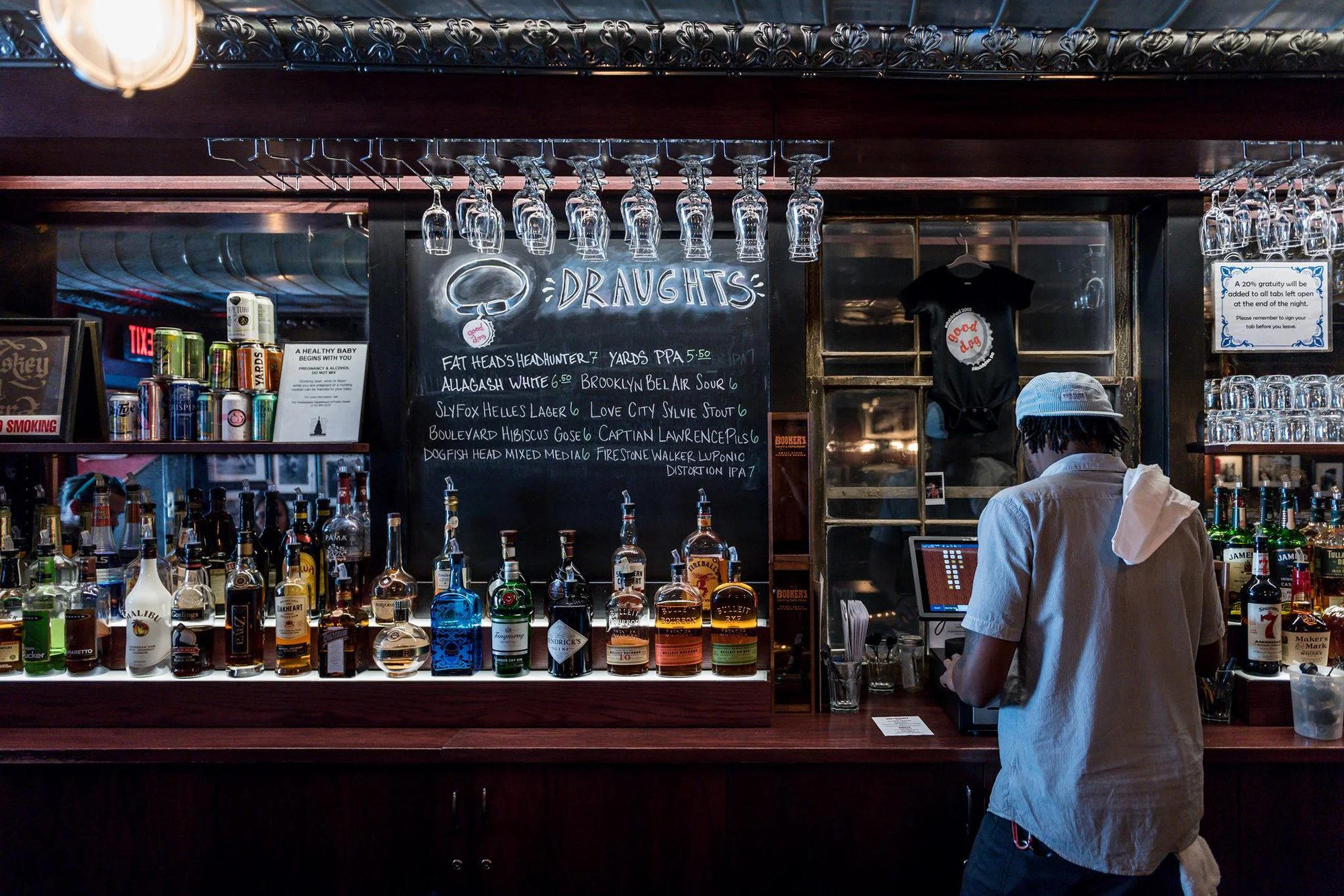
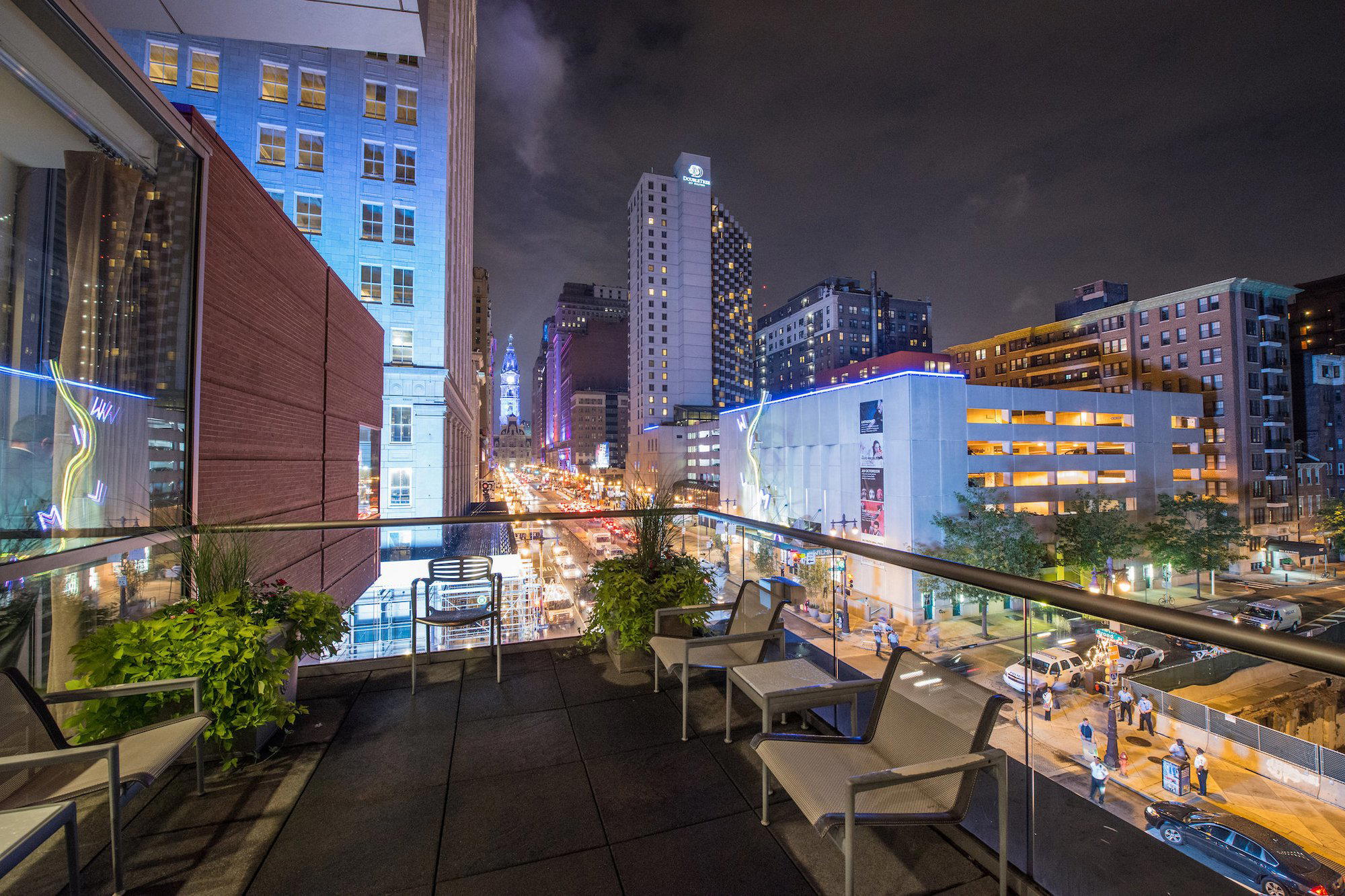
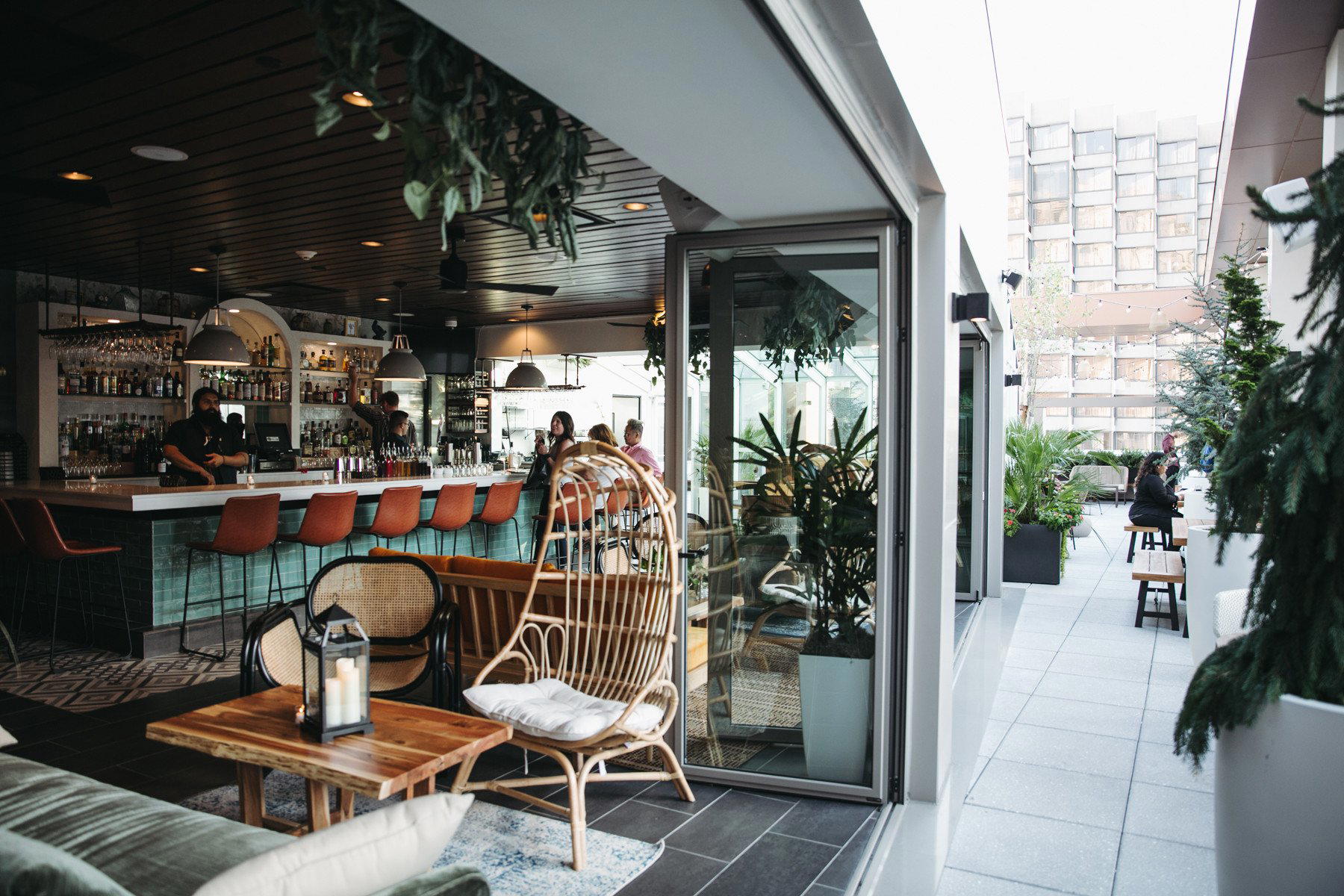
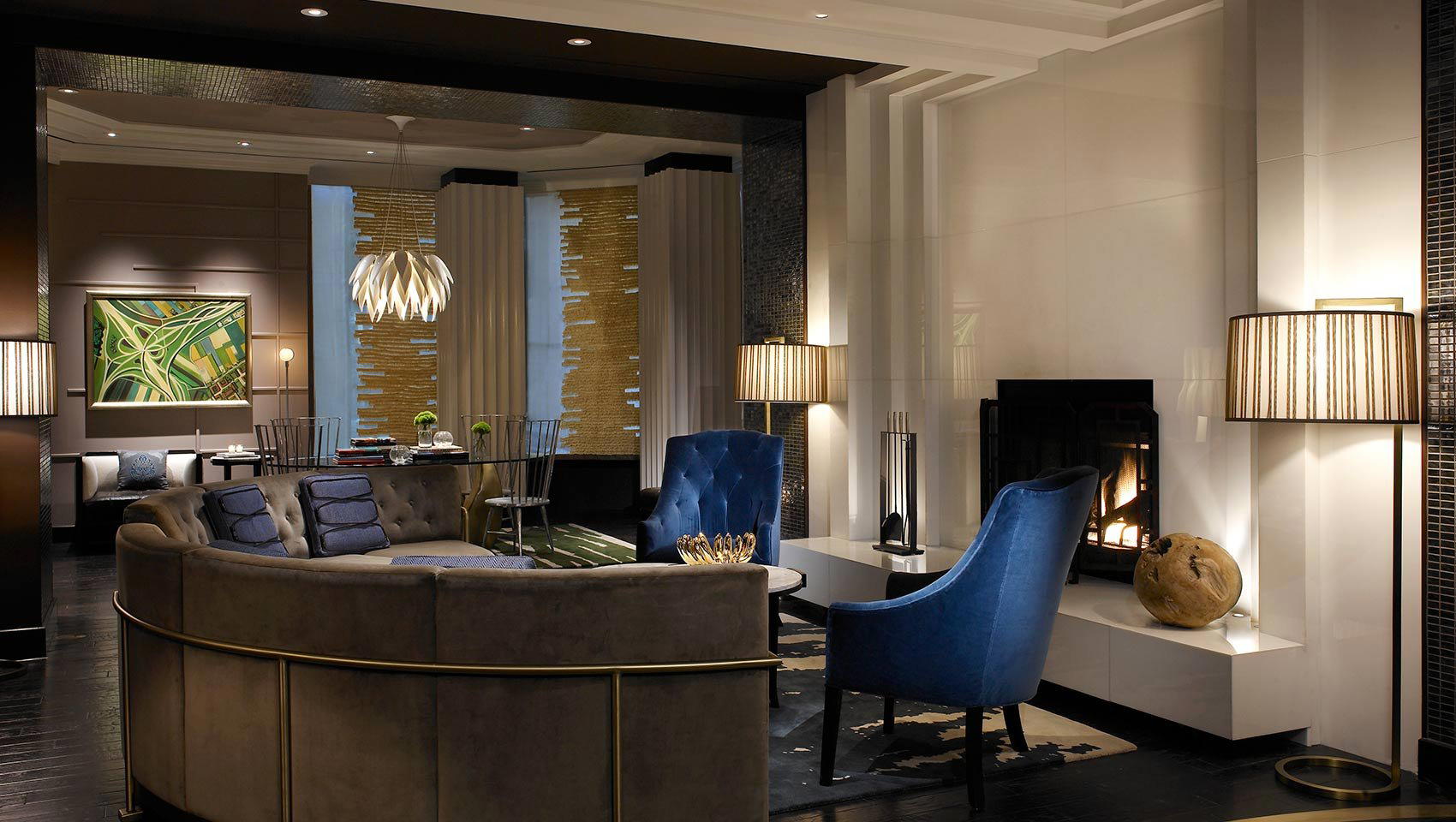
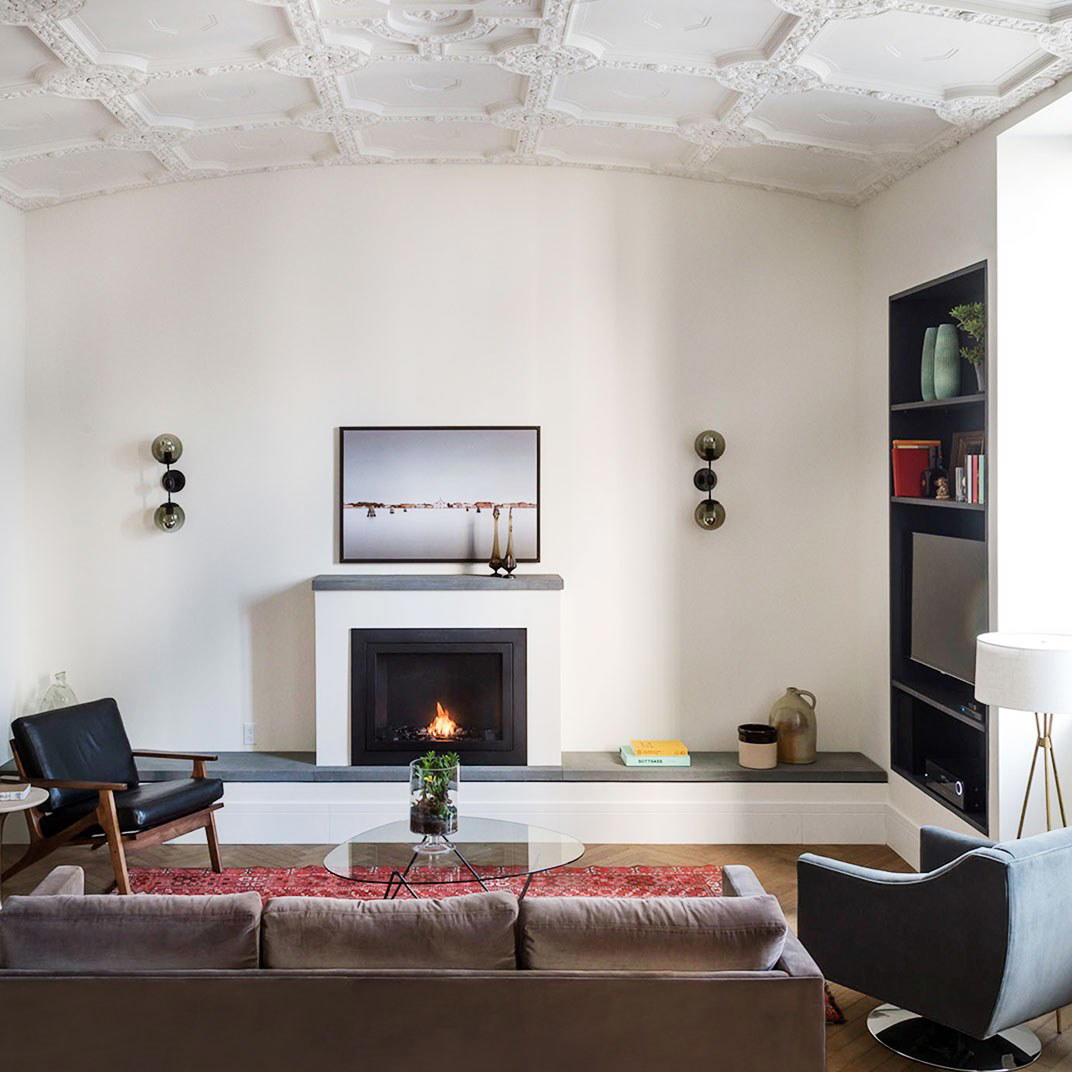
Rustic vibe with gentle music, cozy atmosphere, and beautifully presented dishes.