Mi Lah Vegetarian
Our verdict
On South 16th Street in Philadelphia's Center City, Mi Lah Vegetarian has built a following among diners who want plant-based cooking with genuine culinary intention rather than afterthought substitution. The kitchen draws on Asian-inflected techniques and a vegetable-forward progression that rewards the full meal over a single dish. It occupies a specific niche in the Philadelphia dining scene where plant-based cooking is taken seriously on its own terms.
The menu
What to order
- Cha Sui Bao
- Spicy Dumplings
- Roasted Brussels Sprouts
- Yucca Root Tart with Seitan
- Crispy Tofu over Edamame
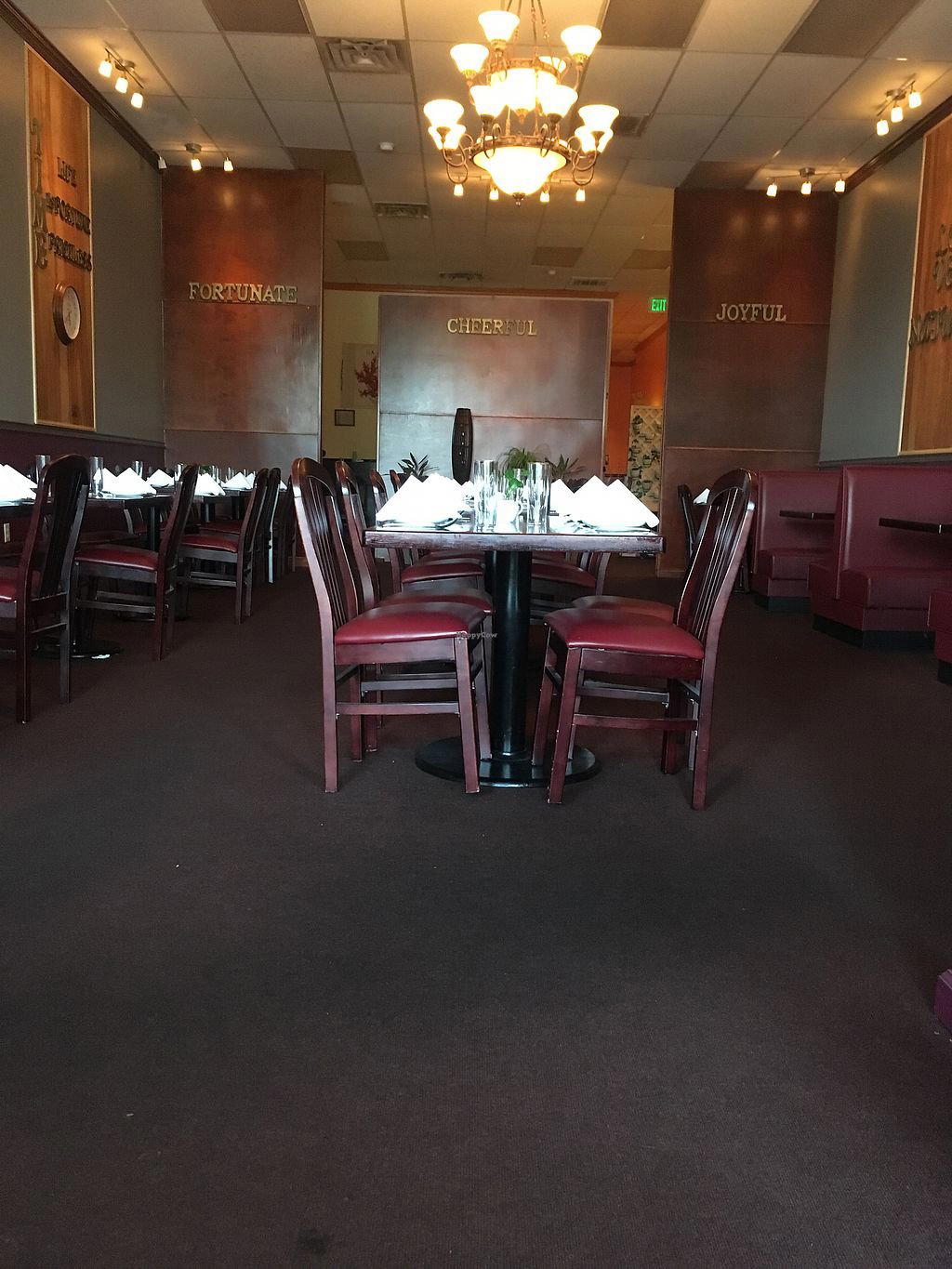
South 16th Street in Center City sits at the edge of a commercial corridor where office lunch crowds thin out by evening and the blocks take on a quieter residential character. Mi Lah Vegetarian occupies 218 S 16th St with the low-key presence that marks Philadelphia's more considered dining rooms: no theatrical signage, no queue theatrics, just a space that signals it expects you to pay attention to what arrives at the table. In a city where the dining conversation has increasingly centered on technique-driven rooms like Fork (New American) and Friday Saturday Sunday (New American), Mi Lah has carved a different position: plant-based cooking framed not as dietary accommodation but as a complete culinary proposition.
Where Plant-Based Cooking Takes a Different Approach
American cities have spent the last decade sorting plant-based dining into two broad camps: fast-casual formats built around substitution logic, and higher-register rooms where vegetables are treated with the same structural seriousness applied to proteins in conventional kitchens. Philadelphia has examples of both. Mi Lah belongs to the latter category, where the question is not what ingredient replaces meat but how a meal builds from first course to last when the full larder is the vegetable kingdom.
That framing matters because it changes how you read the menu. The meal here is a progression, not a collection of independent dishes. Lighter preparations tend to anchor the early courses, building toward richer, more complex plates as the sequence advances. This is the same arc you find at cuisine-focused rooms operating far outside the vegetarian category, from the tasting progression at Lazy Bear in San Francisco to the seasonal sequencing at Blue Hill at Stone Barns in Tarrytown, where the logic of the meal is that each course prepares you for the next. Mi Lah applies similar thinking at a more accessible register and within a plant-only framework.
The Meal as a Sequence
Philadelphia's more ambitious dining rooms across categories have moved toward menus where progression is intentional rather than incidental. The influence of technique-led kitchens at venues like Kalaya and Mawn (Cambodian, Pan-Asian), both of which treat regional culinary tradition as serious subject matter, reflects a broader Philadelphia appetite for cooking with an argued point of view. Mi Lah sits in that current: the kitchen's Asian-inflected techniques are not decorative but structural, shaping how flavors layer across a full meal rather than appearing as accent notes on individual dishes.
The early courses at Mi Lah tend toward brightness and acidity, the kind of opening that clears the palate and sets expectations without overcommitting. Mid-meal dishes carry more weight, where umami-building through fermentation, slow cooking, and concentrated vegetable stocks does the work that rendered proteins handle in conventional kitchens. The close of the meal is where the kitchen's confidence tends to show most clearly: dessert courses at serious vegetarian rooms often reveal whether the kitchen thinks in terms of full composition or whether sweets are afterthoughts, and Mi Lah's position in Philadelphia's more considered dining tier suggests the former.
For context on what that kind of full-meal seriousness looks like at the top of the American dining register, rooms like Alinea in Chicago, Le Bernardin in New York City, and The French Laundry in Napa have each, in different ways, demonstrated how a sequenced meal creates cumulative meaning beyond any single plate. Mi Lah operates in a different category and at a different price register, but the underlying ambition shares the same premise: that what you eat in which order is a deliberate decision.
Philadelphia's dining scene has a long track record of punching above its size. The city produces credentialed kitchens across formats, from the French-informed precision at My Loup (French-Inspired) to the Thai depth at Kalaya, and it has attracted attention from publications and award bodies that once looked past it in favor of New York and Chicago. Within that context, Mi Lah holds a specific position: it is one of the more committed plant-based rooms in the Center City corridor, operating in a niche where peer comparison tilts toward vegetarian-focused kitchens nationally rather than the full-category Philadelphia scene.
Nationally, the rooms that define what serious vegetarian dining looks like at high levels include Providence in Los Angeles, Single Thread Farm in Healdsburg, and Addison in San Diego, each of which engages with plant-forward cooking as part of a broader culinary argument.
Planning a Visit
Mi Lah Vegetarian is located at 218 S 16th St in Philadelphia's Center City, within walking distance of the Rittenhouse Square area. Center City parking is limited and metered; the nearest SEPTA stops on the Broad Street Line and surface routes are within a few blocks, making public transit the practical choice for most visitors arriving from outside the immediate neighborhood. Philadelphia's dining rooms at this level of intention tend to fill on weekend evenings; mid-week visits typically offer more flexibility. Those with specific dietary requirements beyond vegetarian, including vegan or allergy-related needs, should communicate directly with the kitchen ahead of arrival rather than assuming accommodation at the table.
For a fuller picture of where Mi Lah sits within the city's dining options, the our full Philadelphia restaurants guide covers the range of formats and cuisines across neighborhoods. Diners interested in comparable levels of dining ambition in other American cities can reference The Inn at Little Washington in Washington, Atomix in New York City, or Emeril's in New Orleans for a sense of how regional dining scenes support distinct culinary identities across formats, and 8 1/2 Otto e Mezzo Bombana (Hong Kong) in Hong Kong for how plant-forward thinking operates in fine-dining contexts internationally.
Frequently asked questions
at Mi Lah Vegetarian?
Can I walk in to Mi Lah Vegetarian?
What is Mi Lah Vegetarian known for?
Can Mi Lah Vegetarian adjust for dietary needs?
Is a meal at Mi Lah Vegetarian worth the investment?
How does Mi Lah Vegetarian compare to other vegetarian-focused restaurants in Philadelphia?
Cuisine-First Comparison
| Venue | Cuisine | Price | Awards | Notes |
|---|---|---|---|---|
| Mi Lah VegetarianThis venue (the venue you are viewing) | Vegan Asian Fusion | Not listed | Not listed | Not listed |
| Fork | Seasonal New American | Not listed | James Beard Award Outstanding Restaurateur #1 · Wine Spectator Award of Excellence | New American |
| Friday Saturday Sunday | Modern American Tasting Menu | $100–150 | 1 Michelin Star · World's 50 Best #40 | New American |
| South Philly Barbacoa | Authentic Mexican Barbacoa Taqueria | $10–20 | James Beard Award Best Chef: Mid Atlantic · Chef's Table Featured on Chef's Table | Mexican |
| Barbuzzo | Mediterranean Small Plates & Pizza | $30–50 | Not listed | Italian |
| Federal Donuts | Fried Chicken & Donuts | $10–20 | Not listed | Doughnuts |
Continue exploring
More in Philadelphia
Restaurants in Philadelphia
All restaurants in Philadelphia →
Bars in Philadelphia
All bars in Philadelphia →
Details
- Cozy
- Trendy
- Casual Hangout
- Brunch
- Group Dining
- Standalone
- Organic
- Local Sourcing
- Farm To Table
- A La Carte
- Small Plates
- Vegetarian Friendly
- Vegan Options
- Organic Focus
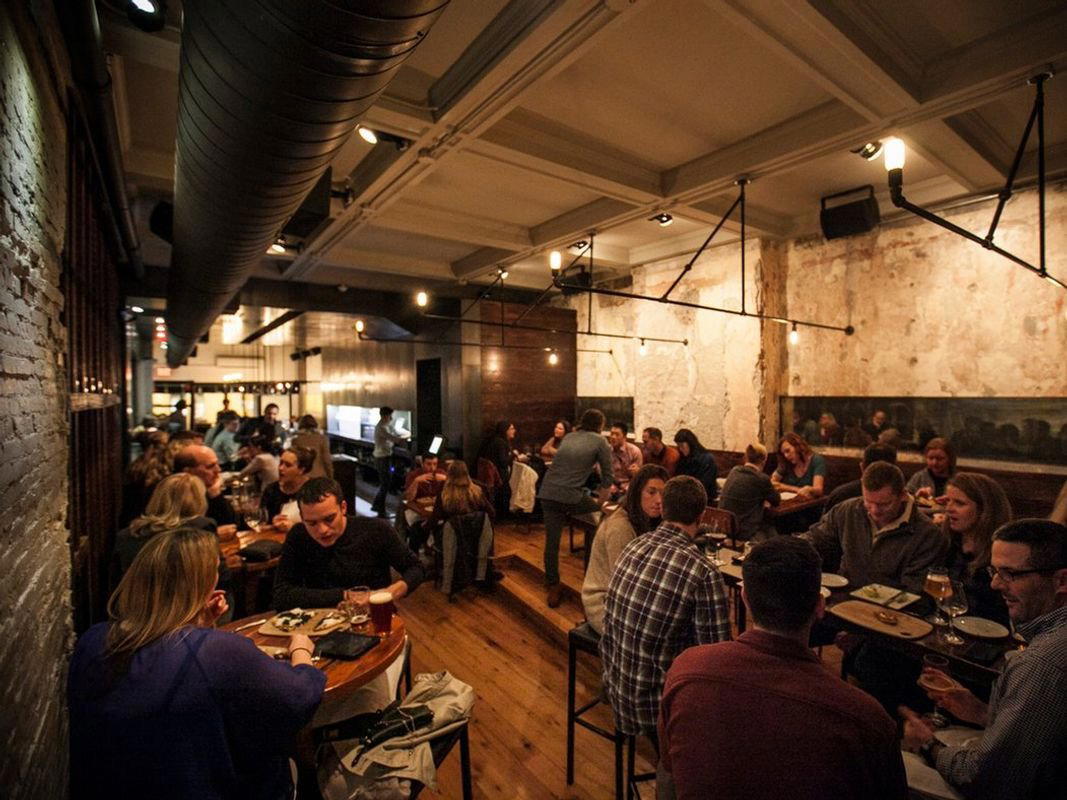
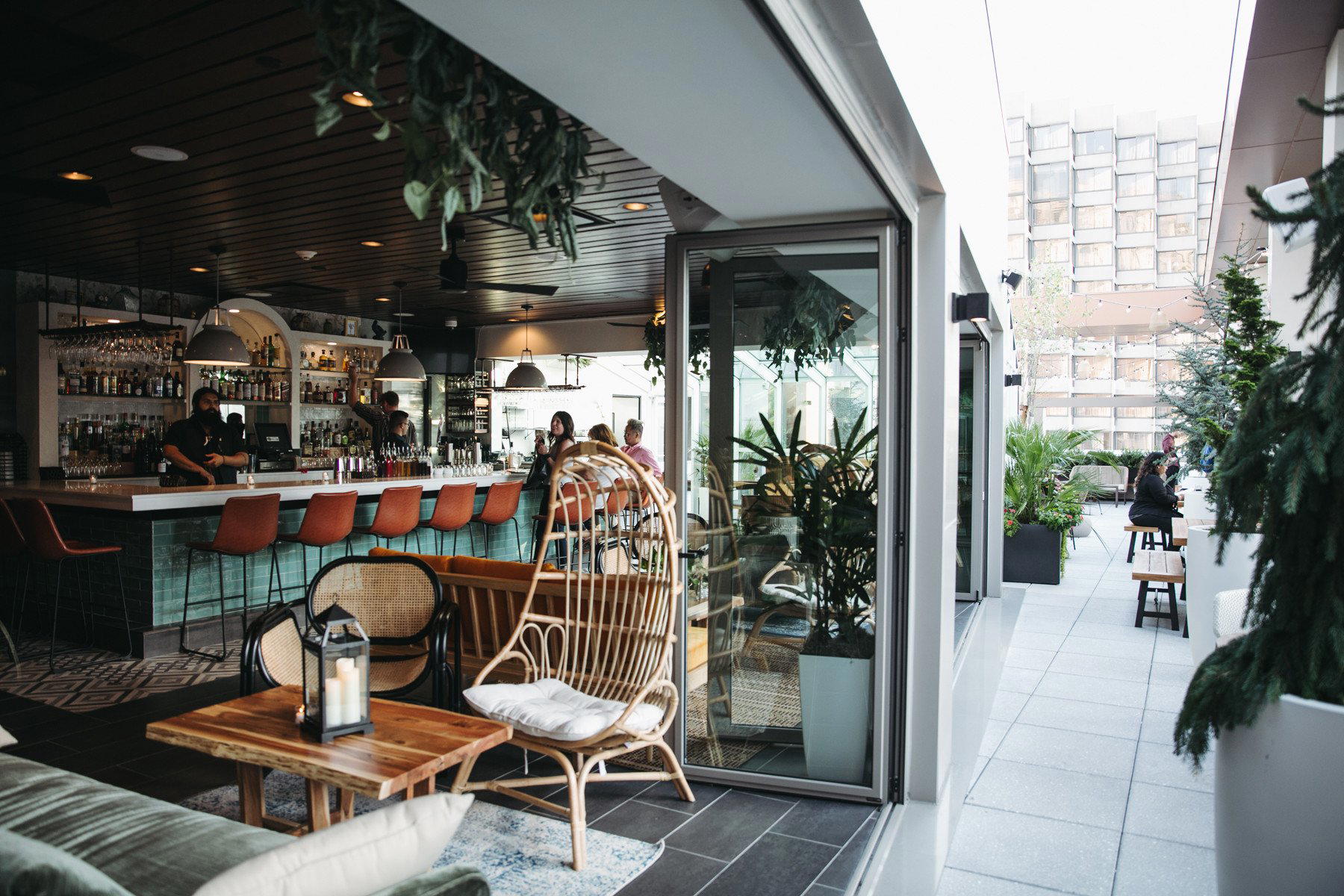
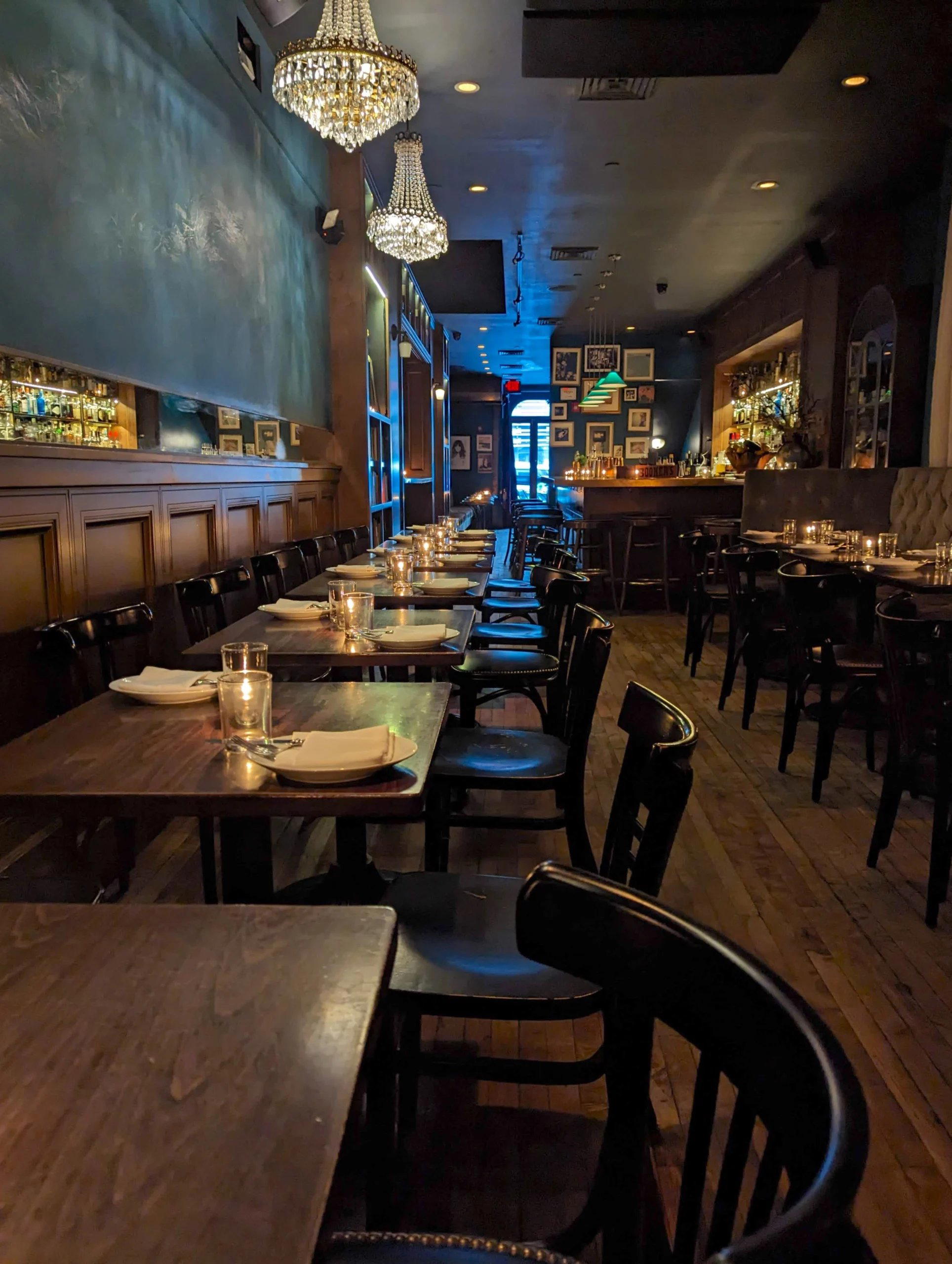
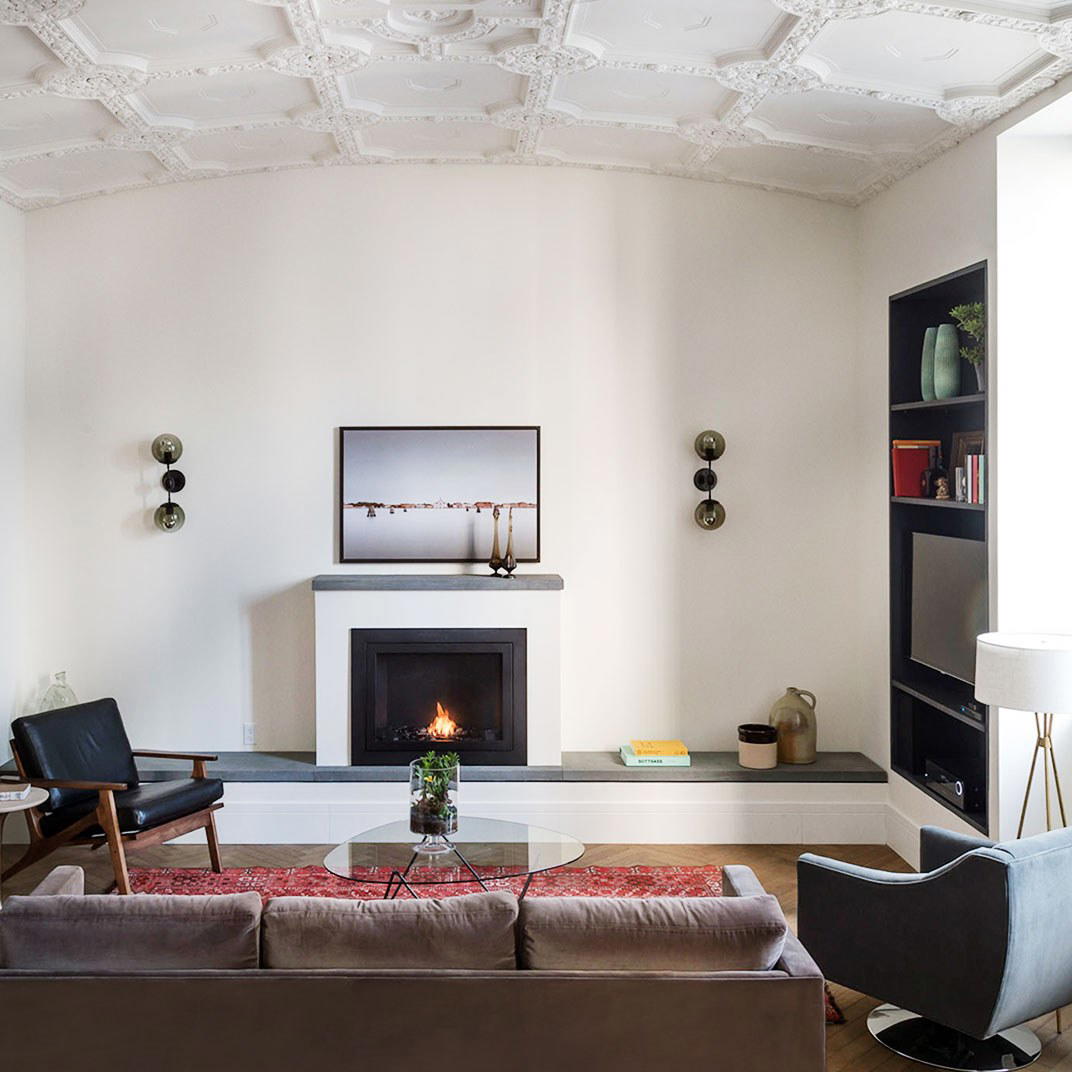
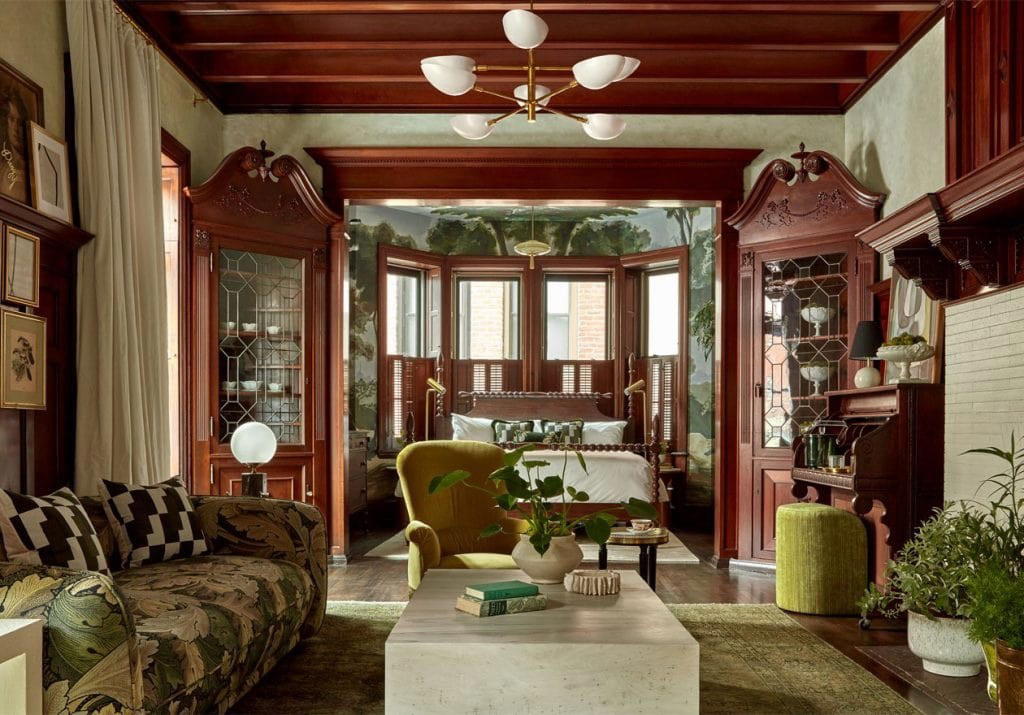
Warm and welcoming with fresh, clean aesthetics reflecting the organic and locally-sourced ingredients used throughout the menu.