Prospect



Michelin Plate · Wine Spectator Best of Award of Excellence
Our verdict
On the ground floor of a SoMa high-rise, Prospect holds a clear position in San Francisco's mid-to-upper dining tier: Michelin Plate recognition, and a kitchen under Chef Pam Mazzola that treats Californian produce as the foundation for technically grounded New American cooking. The room is airy and well-staffed, the cocktail bar genuinely stocked, and the format reliably weeknight-friendly.

Pearl is the En Primeur Club membership app — saves, bookings, and concierge access live there. Same editors, same standards.
- Address
- 300 Spear St, San Francisco, CA 94105
- Phone
- (415) 247-7770
- Hours
- Mon–Fri 4–9 PMSat–Sun Closed
- Website
- prospectsf.com
- Directions
- Get directions
- Booking
- Book on OpenTable
The menu
What to order
- Heritage pork chop
- Seared sea scallops
- Duck breast
A Room Built for the Financial District's Appetite
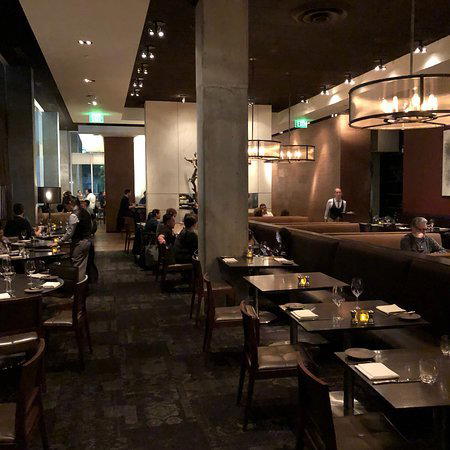
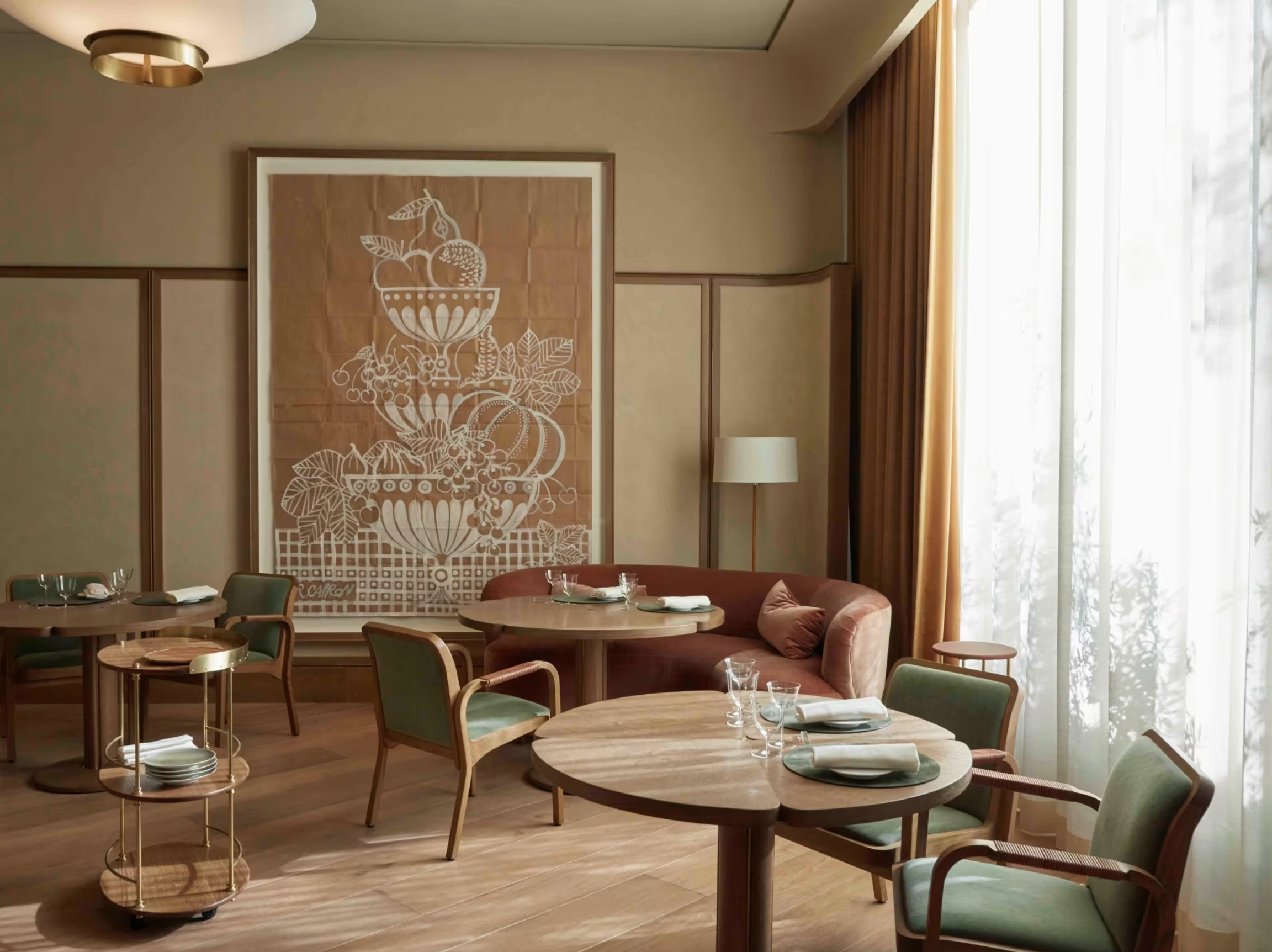
The ground floor of a soaring SoMa high-rise is not an obvious address for a restaurant that earns repeat loyalty, but Prospect has made the format work. The ceilings climb, the tables are roomy and well-spaced, and the room carries a brightness that distinguishes it from the lower-lit, more theatrical dining rooms that dominate San Francisco's ambitious end of the market. This is not a room that signals scarcity or ceremony. It signals comfort at a certain price point, and in the Financial District corridor, that is its own competitive advantage.
The neighbourhood context matters here. SoMa and the Embarcadero-adjacent blocks around Spear Street attract a professional crowd with full pockets and limited patience for the tasting-menu commitment that defines so much of the city's top-tier scene. Venues like Lazy Bear operate at $$$$ with theatrical multi-course formats that require planning weeks or months ahead. Prospect operates at $$$, runs à la carte, and is open five weeknights from 4 to 9 pm. The positioning is deliberate, and for its target diner, it reads clearly.
California Produce, American Technique
Broader story of New American cooking in California is, at its core, a story about what happens when classical European and American training meets an ingredient supply that most of the world's chefs would regard as a structural advantage. The Bay Area's proximity to Sonoma, the Central Valley, and the Marin Coast creates conditions where seasonal produce arrives at kitchens with minimal transit time, and where relationships between chefs and small farms have been built over decades. The cooking that results is not about imported technique overwhelming local product; it's about using that technique as a delivery mechanism for ingredients that can carry the weight.
Prospect operates in that tradition. The Michelin guide's 2025 Plate recognition, which signals a kitchen producing food worth the visit rather than food of notable or starred ambition, frames the approach accurately: well-constructed, approachable American cooking grounded in Californian produce. The burrata arrives with roasted cherry tomatoes, thyme, and golden crostini, finished with olive oil. The construction is familiar in structure but depends entirely on the quality of the components. The bavette steak pairs with creamed corn and crispy smashed purple potatoes, a plate where texture contrast and the richness of the sauce do more work than any single premium ingredient. These are not dishes that demand explanation at the table. They are dishes that reward the kitchen's sourcing decisions silently.
This is the register in which chefs trained in classical American and French kitchens tend to operate when they shift from ambitious tasting formats to à la carte: the technique recedes from view, and the ingredient moves forward. Chef Pam Mazzola's kitchen demonstrates that discipline. The dessert program, which includes a house-made caramel corn balanced with cacao nibs and sea salt, applies the same logic. The sweet-salt-bitter triangulation is a technique; the caramel corn is the California-casual product that makes it land without feeling laboured.
For broader reference points across this genre on the West Coast, Rustic Canyon in Los Angeles operates on a comparable philosophy, and Single Thread Farm in Healdsburg pursues the same farm-to-kitchen connection at a considerably higher price and formality tier. Within San Francisco, Rich Table and State Bird Provisions work the same Californian-ingredient foundation with more experimental formats, while The Progress and Nightbird take the genre toward more involved tasting structures.
Where It Sits in the San Francisco Field
San Francisco's restaurant scene sorts into a few recognisable tiers. At the leading end, venues like Lazy Bear, Benu, Atelier Crenn, Quince, and Saison operate at $$$$ with starred recognition and formats that assume a significant time and financial commitment from the diner. At the other end, the city's neighbourhood restaurant culture is dense and often genuinely excellent at lower price points. The $$$, Michelin Plate tier that Prospect occupies is a specific middle position: the kitchen is operating at a level of technical competence that earns institutional recognition, but the format and pricing are designed for frequency rather than occasion dining.
At that volume, a high average score reflects consistent execution rather than exceptional one-off meals. The diner who visits Prospect on a Tuesday after work and the diner who books it for a business dinner on a Thursday are, by the evidence, likely to have the same experience. That reliability at scale is harder to achieve than it looks, and it is the core value proposition of this tier.
At the technical upper limit, Le Bernardin in New York, Alinea in Chicago, and Providence in Los Angeles define what the starred ceiling looks like for American fine dining.
Prospect does not compete with that ceiling. It competes on accessibility, consistency, and a room that works for multiple occasions without requiring the diner to adjust their expectations upward or their schedule significantly. That is a genuine competitive position, not a consolation category.
The Cocktail Bar as a Standalone Argument
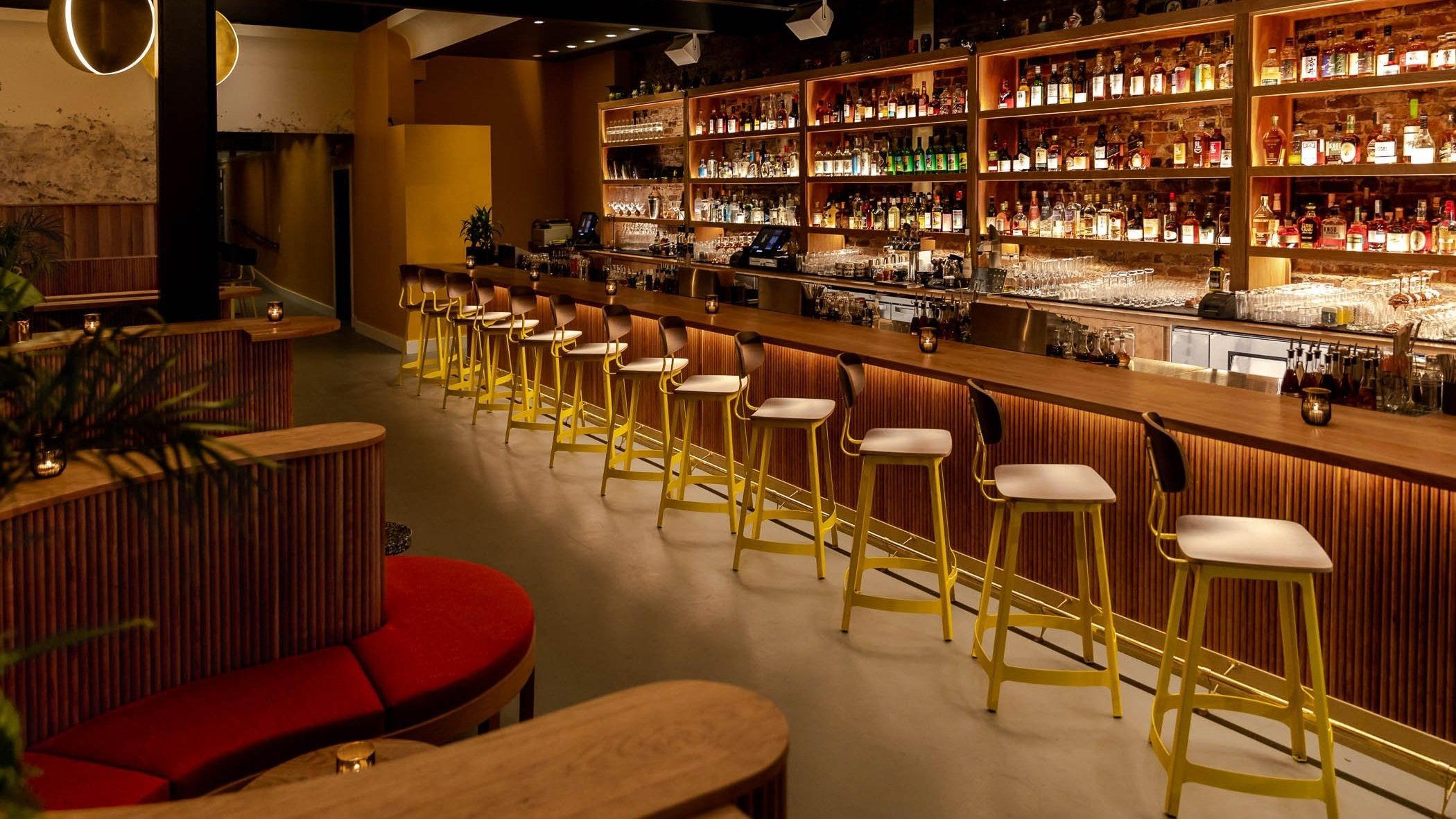
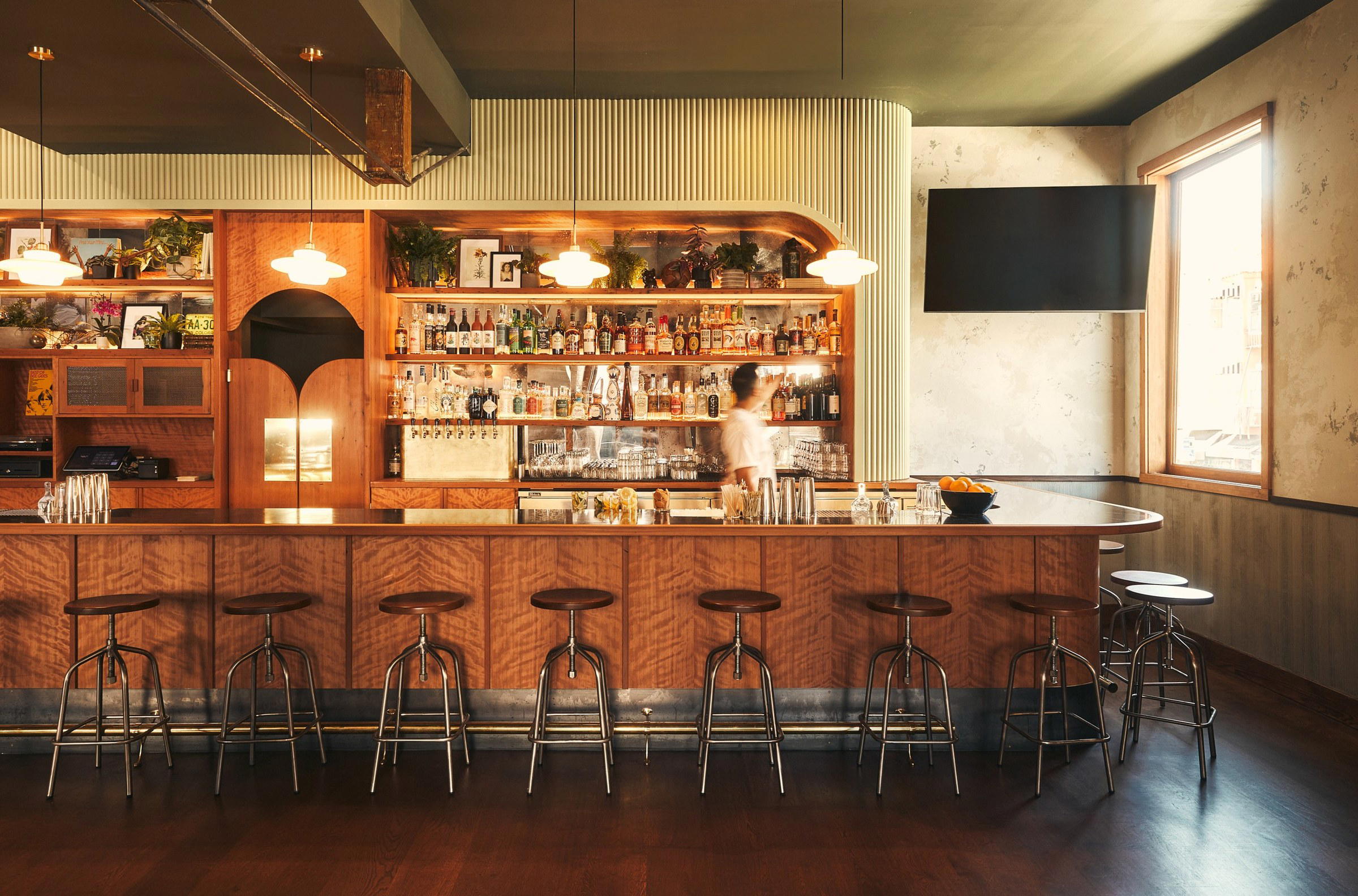
The bar at Prospect earns specific mention in the Michelin entry, described as popular and well-stocked. In a restaurant at this price point, a cocktail bar that functions as a destination rather than a waiting room changes the calculus for drop-in visits, solo diners, and after-work use. SoMa's bar scene is covered in depth in our full San Francisco bars guide, but within a restaurant context, a bar program that attracts its own traffic is a signal of kitchen and front-of-house confidence. It draws a diner population that may convert to full dining visits, and it keeps the room active at the early end of the 4 pm opening.
Planning Your Visit
Prospect operates Monday through Friday, 4 to 9 pm, and is closed on weekends. The address is 300 Spear St, San Francisco, CA 94105. The $$$ price range places it in a pre-theatre or post-work dinner slot that requires less advance planning than the city's tasting-menu venues.
| Venue | Cuisine / Format | Price | Days Open | Booking Lead |
|---|---|---|---|---|
| Prospect | New American, à la carte | $$$ | Mon–Fri | Short to moderate |
| Lazy Bear | Progressive American, multi-course | $$$$ | Select evenings | Weeks ahead |
| Benu | French-Chinese, tasting menu | $$$$ | Select evenings | Weeks to months ahead |
| Atelier Crenn | Modern French, tasting menu | $$$$ | Select evenings | Weeks to months ahead |
| Saison | Progressive American, tasting menu | $$$$ | Select evenings | Weeks ahead |
For broader planning across the city, see our full San Francisco restaurants guide, our full San Francisco hotels guide, our full San Francisco wineries guide, and our full San Francisco experiences guide.
Frequently asked questions
What's the signature dish at Prospect?
A Credentials Check
| Venue | Cuisine | Price | Awards | Notes |
|---|---|---|---|---|
| ProspectThis venue — the venue you are viewing | Contemporary American | $50–100 | Michelin Plate · Wine Spectator Best of Award of Excellence | Not listed |
| Lazy Bear | Modern American Tasting Menu | Not listed | 2 Michelin Stars · World's 50 Best #25 | Progressive American, Contemporary |
| Benu | Modern Asian Fusion Fine Dining | $150–200 | 3 Michelin Stars · World's 50 Best #33 | French - Chinese, Asian |
| Atelier Crenn | Contemporary French Fine Dining | $300–500 | 3 Michelin Stars · World's 50 Best #44 | Modern French, Contemporary |
| Quince | Modern French Fine Dining | $300–500 | 3 Michelin Stars · World's 50 Best #48 | Italian, Contemporary |
| Saison | Modern French-Italian | Not listed | Michelin Plate | Progressive American, Californian |
Recognition history
Dated appearances from independent guides and award organizations, with the underlying list record or original source where available.
Michelin Plate
Michelin · 2026 Michelin Plate
Opinionated About Dining Casual in North America Recommended
Opinionated About Dining
Wine Spectator Best of Award of Excellence
Wine Spectator
Full recognition history (5 entries)
Michelin Plate
Michelin
Michelin Plate
Michelin
Continue exploring
More in San Francisco
Restaurants in San Francisco
Browse all →
Bars in San Francisco
Browse all →
Hotels in San Francisco
Browse all →

Details
- Elegant
- Modern
- Sophisticated
- Business Dinner
- Date Night
- Special Occasion
- Open Kitchen
- Private Dining
- Craft Cocktails
- Extensive Wine List
- Local Sourcing
- A La Carte
- Vegetarian Friendly
- Vegan Options
- Gluten Free Options
Current opening hours
- Monday
- 4–9 PM
- Tuesday
- 4–9 PM
- Wednesday
- 4–9 PM
- Thursday
- 4–9 PM
- Friday
- 4–9 PM
- Saturday
- Closed
- Sunday
- Closed
Hours can change for holidays and private events. Last verified .
Lofty, airy high-rise ground floor with warm modern interior, beautiful lighting, roomy tables, and comfortable acoustics even when busy.