Promenade 18
Our verdict
On the Marktplein of Sint-Lievens-Houtem, a small East Flemish market town between Ghent and Aalst, Promenade 18 occupies a setting that speaks more to regional dining tradition than urban spectacle. Belgium's serious restaurant culture extends well beyond its cities, and this address sits within that broader pattern of destination dining in the Flemish countryside, where sourcing and seasonality tend to define the kitchen's identity.

Pearl is the En Primeur Club membership app — saves, bookings, and concierge access live there. Same editors, same standards.
- Address
- Marktplein 18, 9520 Sint-Lievens-Houtem, Belgium
- Phone
- +32496047422
- Hours
- Mon–Fri 9 AM–6 PMSat–Sun Closed
- Website
- promenade18.be
- Directions
- Get directions
The menu
What to order
- Marokkaanse wortelsalade
- Zeebaars met inktvisrisotto
Market Square Dining in the Flemish Interior
Belgium's most compelling restaurant experiences are not confined to Ghent, Brussels, or the coast. A quieter but equally serious dining culture runs through the Flemish interior, anchored in market towns where the relationship between kitchen and surrounding farmland is direct and unglamorous in the best sense. Sint-Lievens-Houtem, a compact municipality in the East Flemish agricultural belt between Ghent and Aalst, belongs to that tradition. Promenade 18 sits at Marktplein 18, on the town's central market square, a positioning that in Flemish dining culture carries a specific weight: market squares in this region have historically been the commercial and social hubs around which local food economies organised themselves. A restaurant on the Marktplein is not making an ironic gesture toward locality; it is occupying a role that has existed in these towns for generations.
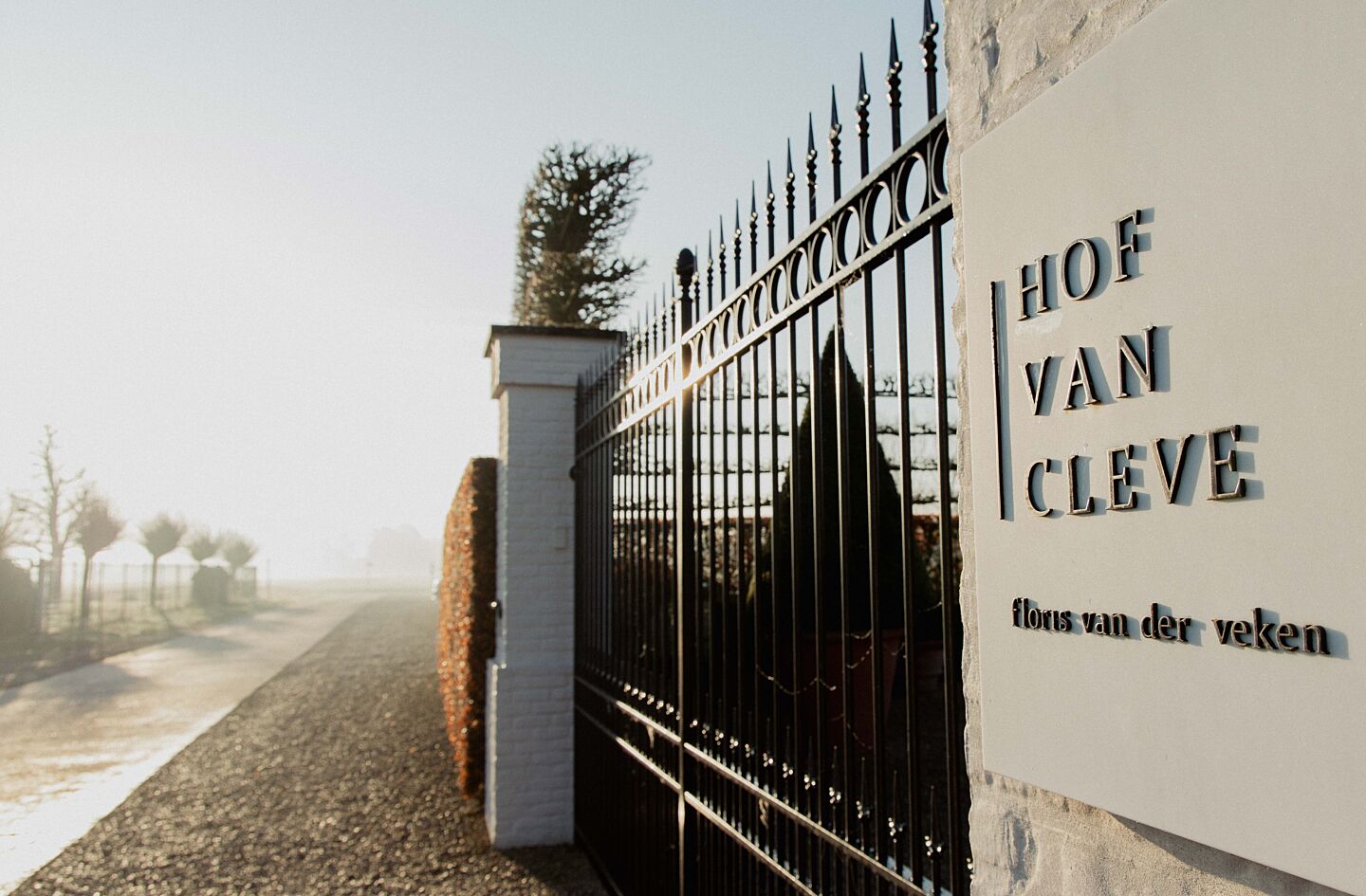
For readers mapping Belgium's serious dining geography, the full picture extends considerably. Our full Sint Lievens Houtem restaurants guide covers the broader local context. For comparison against the country's Michelin-decorated tier, addresses like Hof van Cleve in Kruishoutem and Boury in Roeselare define what the best of the Flemish creative register looks like, while De Jonkman in Sint-Kruis and Castor in Beveren represent the kind of high-seriousness, non-urban dining that has made Belgian gastronomy structurally different from its French and Dutch neighbours.
What Ingredient Sourcing Looks Like Outside the City
The editorial case for paying attention to restaurants in places like Sint-Lievens-Houtem is precisely this: proximity to source. East Flanders sits within one of Belgium's most productive agricultural zones, and kitchens in this region have a structural advantage that urban restaurants work hard to replicate. The supply chain between a kitchen on the Marktplein and the surrounding farmland is measurably shorter than anything available to a restaurant in central Brussels or Antwerp. That compression matters not as a marketing claim but as a practical condition that shapes what arrives on the plate and when. Seasonality in a kitchen this close to its sources is not a philosophy; it is an operational reality.
Flemish cuisine in this part of the country has historically been defined by restraint in technique and directness in flavour, a regional character that contrasts with the more elaborately constructed French-Belgian tradition represented by addresses like Bozar Restaurant in Brussels or Le Chalet de la Forêt in Uccle. Where those kitchens operate within a metropolitan creative context, the dining tradition of the Flemish interior tends to keep one foot planted in the agricultural character of its setting.
Belgium's Non-Urban Dining Circuit
Understanding where Promenade 18 sits requires understanding the broader pattern of Belgian destination dining. Unlike France, where two or three cities dominate the serious restaurant conversation and smaller towns operate as satellites, Belgium has long sustained a circuit of significant restaurants in genuinely rural or small-town settings. Willem Hiele in Oudenburg, Bartholomeus in Heist, and Maison Colette in Tongerlo all belong to this pattern: addresses in non-metropolitan locations that draw a specifically motivated dining public willing to travel for the quality of the table rather than the density of the surrounding urban offer. Nuance in Duffel, La Durée in Izegem, and La Table de Maxime in Our extend that map further. L'air du temps in Liernu and d'Eugénie à Emilie in Baudour similarly operate in settings where the restaurant is the entire reason to make the drive.
Sint-Lievens-Houtem fits structurally within this map. The town is accessible from Ghent in under thirty minutes by car, which places it within the gravitational pull of one of Belgium's most sophisticated dining publics without being absorbed into the urban restaurant ecosystem. That geographic positioning is significant for any kitchen serious about its sourcing: close enough to a discerning clientele, far enough to maintain an agricultural supply network.
The Flemish Market Square as Dining Context
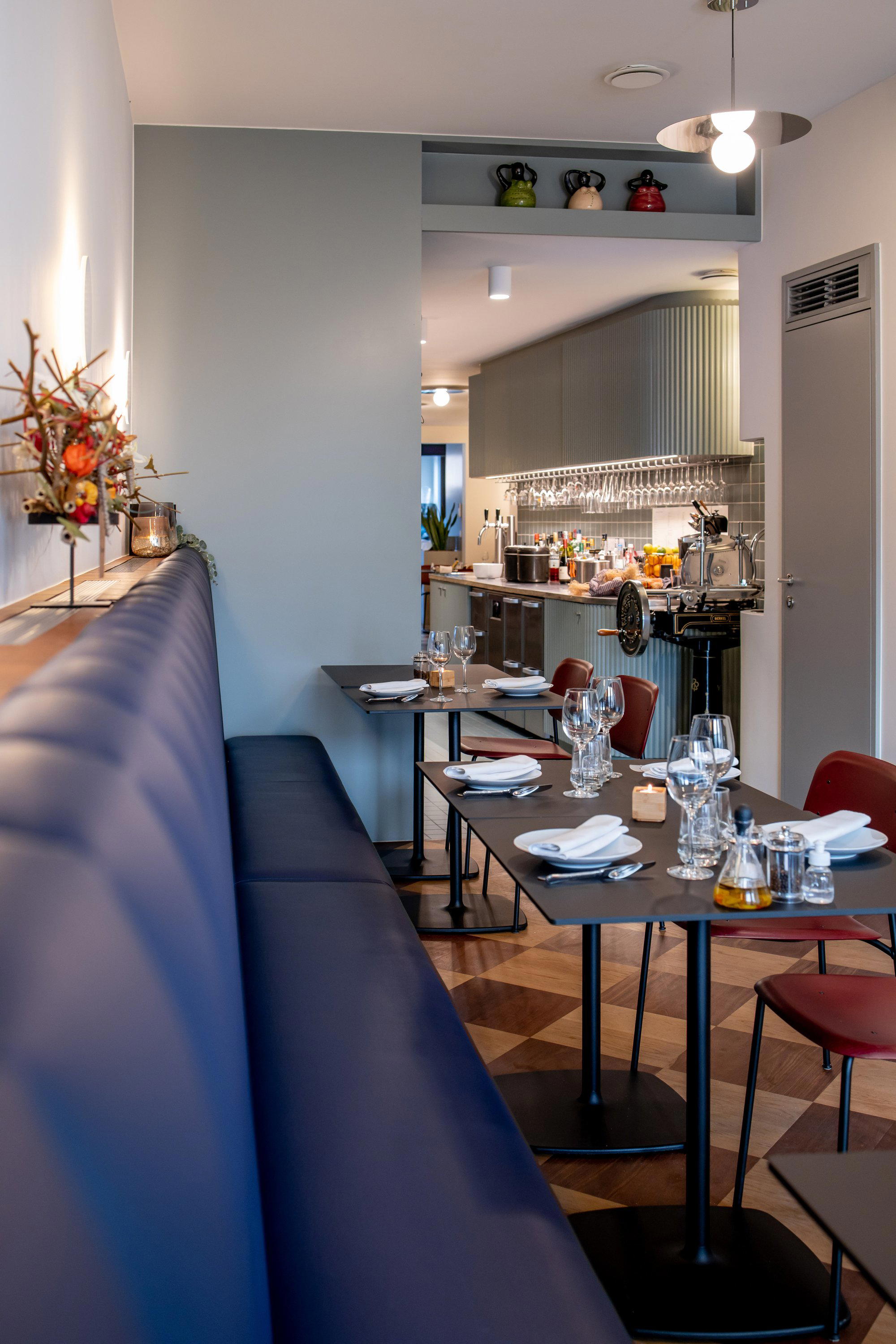
The physical setting of a market square restaurant in a small Flemish town carries specific atmospheric qualities that distinguish it from urban counterparts. These spaces typically have a lower noise ceiling, a more deliberate pace, and an audience that has made a considered journey to be there. Dining in a Marktplein setting in a town of this scale is not an incidental decision in the way that a restaurant visit in Antwerp or Brussels can be; the guest has committed to the trip before they arrive. That changes the dynamic between kitchen and table in ways that can benefit a tightly run, sourcing-focused operation. There is less passing trade, more intention. For the kitchen, that means guests who are generally prepared to engage with what the menu offers rather than arriving with urban-speed expectations.
For readers who want to understand the full range of Belgian serious dining, including how it compares to international reference points, Le Bernardin in New York City and Atomix in New York City offer useful calibration of what the global top tier looks like. Belgian dining at its serious end, particularly in the Flemish countryside, operates with a different set of priorities: less theatricality, more directness, and a sourcing logic that the leading kitchens in this region have refined over decades. Zilte in Antwerp demonstrates what that tradition can look like when it connects with urban scale and Michelin recognition. The circuit that runs through towns like Sint-Lievens-Houtem represents an earlier, less decorated, but no less serious layer of the same tradition.
Planning a Visit
Sint-Lievens-Houtem sits in East Flanders, reachable from Ghent in approximately twenty to twenty-five minutes by car, and from Brussels in under an hour. Promenade 18 is at Marktplein 18, the central market square of the town. Prospective visitors should contact the restaurant directly before planning a trip, particularly for weekend evenings or any visit requiring dietary accommodations. Travelling specifically for a meal in a town of this size is the norm rather than the exception within Belgian destination dining culture, and approaching the experience on that basis, as a deliberate journey rather than a casual drop-in, is the right frame.
Frequently asked questions
What should I expect atmosphere-wise at Promenade 18?
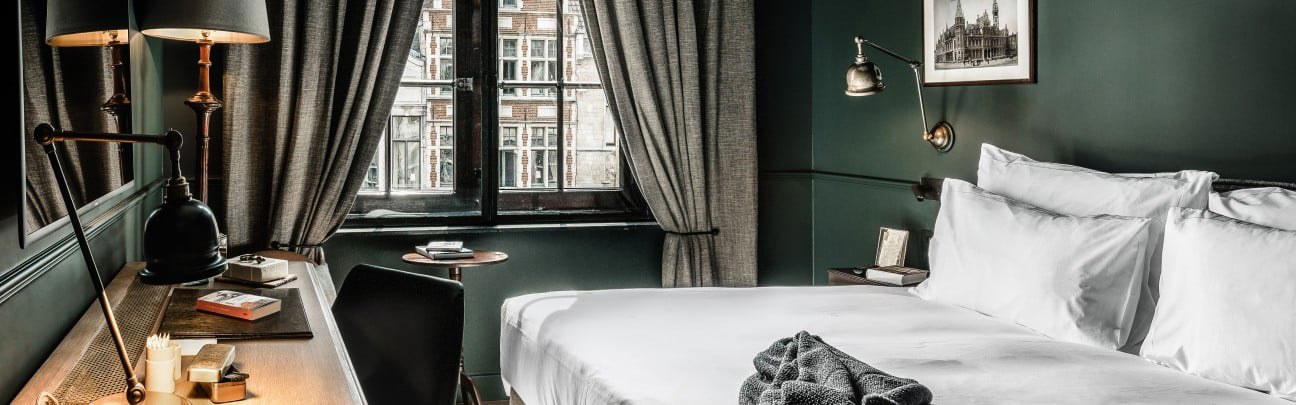
The address at Marktplein 18 places Promenade 18 within the Flemish market-square dining tradition: lower ambient noise than a city restaurant, a pace determined by the rhythm of a small town rather than a reservation queue. Market-square settings in municipalities like Sint-Lievens-Houtem tend toward intentional, unhurried dining rather than the turnover model common in urban centres. Expect a setting shaped more by the surrounding agricultural municipality than by any metropolitan dining trend.
How far is Promenade 18 from Ghent, and is it worth the trip from the city?
Sint-Lievens-Houtem is approximately twenty to twenty-five minutes by car from Ghent, making Promenade 18 a realistic lunch or dinner destination without requiring an overnight stay. Belgium's non-urban dining circuit produces serious restaurants in market towns precisely because proximity to agricultural source is closer outside the city. For diners based in Ghent or Brussels, the drive into East Flanders for a Marktplein meal is a well-established pattern among the region's more attentive restaurant-goers.
How Promenade 18 Sint Lievens Houtem compares with similar nearby venues.
| Venue | Cuisine |
|---|---|
| Promenade 18This venue — the venue you are viewing | French and Belgian Bistro |
| Les Abris | Modern Cuisine |
| 't Pachthuis | Farm to table |
Continue exploring
More in Sint Lievens Houtem
Restaurants in Sint Lievens Houtem
Browse all →
Bars in Sint Lievens Houtem
Browse all →
Details
- Classic
- Cozy
- Lunch
- Dinner
- Historic Building
- Street Scene
- A La Carte
- Vegetarian Friendly
Current opening hours
- Monday
- 9 AM–6 PM
- Tuesday
- 9 AM–6 PM
- Wednesday
- 9 AM–6 PM
- Thursday
- 9 AM–6 PM
- Friday
- 9 AM–6 PM
- Saturday
- Closed
- Sunday
- Closed
Hours can change for holidays and private events. Last verified .
Warm and attentive service in a prominent location on the stemmige marktplein.