Uchibā Austin
Our verdict
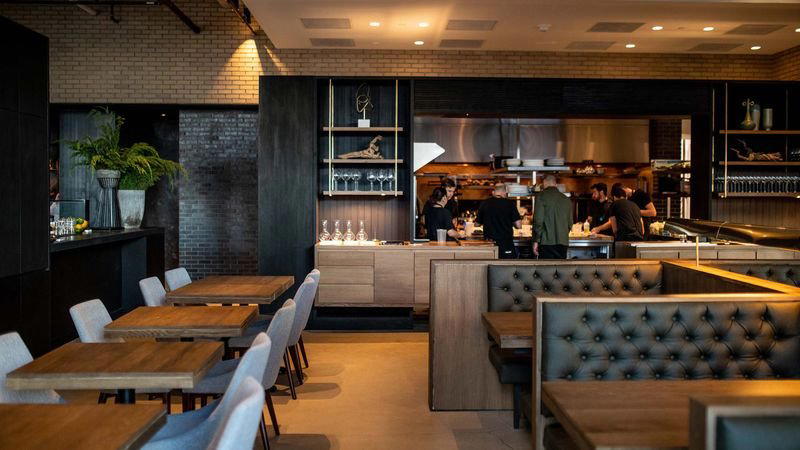
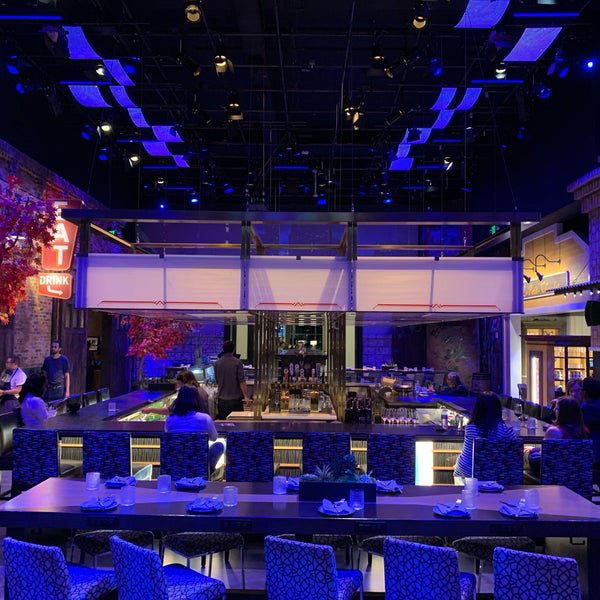
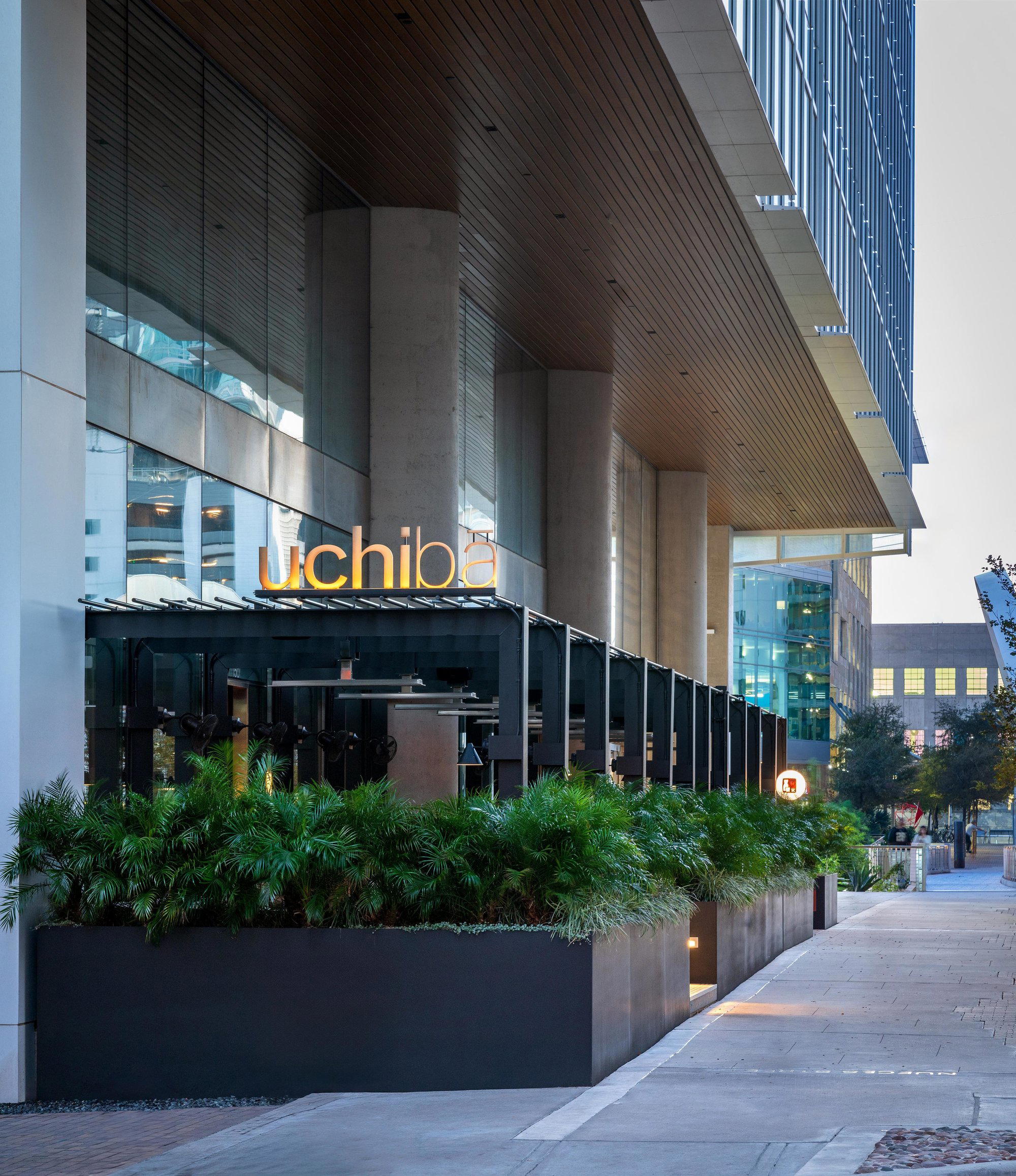
Uchibā Austin occupies 601 W 2nd St in downtown Austin, placing it squarely within the city's most competitive dining corridor. The name — Japanese for 'inner place' — signals an intent toward intimacy and precision that positions it apart from Austin's louder, higher-volume restaurant culture. For Austin's growing contingent of technically focused dining, Uchibā represents a quieter register worth knowing.

Pearl is the En Primeur Club membership app — saves, bookings, and concierge access live there. Same editors, same standards.
- Address
- 601 W 2nd St, Austin, TX 78701
- Phone
- (512) 916-4808
- Hours
- Mon–Thu 11:30 AM–2:30 PM, 4–10 PMFri–Sat 11:30 AM–2:30 PM, 4–11 PMSun 11:30 AM–2:30 PM, 4–10 PM
- Website
- uchiba.uchirestaurants.com
- Directions
- Get directions
- Booking
- Book on SevenRooms
A Quieter Register on the Austin Dining Spectrum
Downtown Austin's Second Street corridor has become one of the more contested restaurant addresses in Texas, with concepts ranging from fast-casual to full tasting-menu formats competing for the same pool of sophisticated diners. Within that cluster, certain venues distinguish themselves not through volume or spectacle but through operational discipline — the kind of focus that shows in how a room is staffed, how a menu is paced, and how a team moves around each other without friction. Uchibā Austin, at 601 W 2nd St, occupies that quieter register.
The name is Japanese for 'inner place,' and that framing tells you something about the intent. In a city where restaurant identity often announces itself at volume — the open-fire drama of Hestia, the deliberate rusticity of Barley Swine, Uchibā draws from a different tradition, one more concerned with restraint and close-range hospitality than with projecting outward. That positioning within Austin's dining ecosystem is worth understanding before you arrive.
Team Dynamics as the Defining Variable
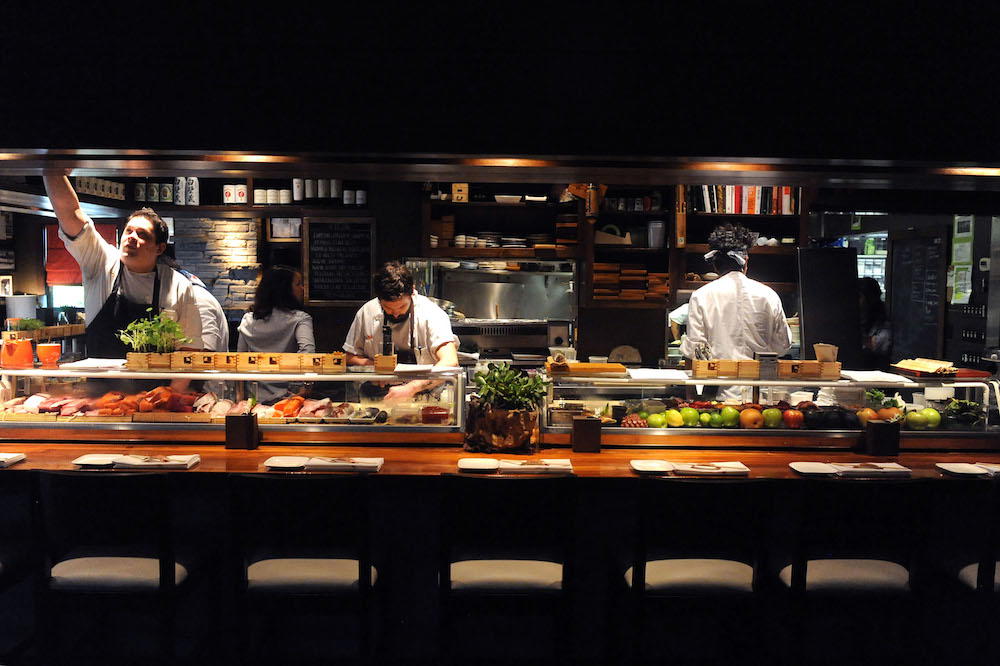
In technically demanding restaurant formats, the interplay between kitchen, floor, and beverage program is where a meal either coheres or fragments. At the highest end of American dining, think the interlocking systems at The French Laundry or the Korean-inflected precision of Atomix in New York, the front-of-house isn't a delivery mechanism for the kitchen's output. It's a co-author of the experience. Timing, explanation, pacing of courses: all of these require a front-of-house team that has internalized the kitchen's logic, not merely memorized its talking points.
Uchibā's Japanese-rooted identity places it in a tradition where this integration is expected rather than exceptional. Japanese service culture, whether in an omakase format like Craft Omakase or an izakaya setting like Kemuri Tatsu-ya, treats floor choreography as inseparable from what arrives on the plate. The sommelier's role in such a framework is similarly specific: not to impose a Western wine logic onto Japanese flavors, but to find the pairing language that makes sense of both. In Austin, where a venue like InterStellar BBQ has proven that serious technique doesn't require formal trappings, the question for a more composed format like Uchibā is whether the team dynamic delivers coherence or simply adds ceremony.
Austin's Japanese-Influenced Dining in Context
Austin's relationship with Japanese cuisine has evolved significantly over the past decade. The city moved from a limited roster of conventional sushi bars toward a more differentiated scene that includes omakase counters, ramen specialists, and izakaya-style operations. That evolution mirrors what happened in cities like Los Angeles and San Francisco earlier, a broadening of format alongside a deepening of technique. Lazy Bear in San Francisco offers a useful parallel: a city that built its premium dining reputation on established formats eventually creates the appetite and the talent base for more specialized, intimate work.
Within Austin specifically, the Japanese-influenced tier now spans a range of price points and formats. At the more accessible end, izakaya-style operations emphasize conviviality and a wide menu sweep. At the upper end, omakase and counter-format dining emphasize precision and a tight, chef-directed sequence. Uchibā's positioning within that spectrum carries real implications for how you book, what you bring in terms of appetite and engagement, and how the meal is likely to unfold. Venues that operate in a compressed, intimate format, the kind implied by a name like 'inner place', tend to reward guests who come prepared to participate rather than simply consume.
For broader context on where Uchibā fits within Austin's full dining picture, our full Austin restaurants guide maps the city by neighborhood and format. Comparing Austin's Japanese-influenced tier to analogous operations in other American cities is also instructive: the beverage-forward rigor of Providence in Los Angeles, the farm-to-table discipline of Single Thread Farm in Healdsburg, or the ingredient-first philosophy of Blue Hill at Stone Barns all demonstrate how venues with a clear conceptual anchor use team cohesion as their primary differentiator.
What the Address Tells You
601 W 2nd St places Uchibā within walking distance of the Seaholm district and the western edge of downtown Austin's hotel and office corridor. This is not the East Side's more casual, neighborhood-bar-adjacent dining culture, and it's not Rainey Street's party-first energy. Second Street attracts a mix of after-work diners, hotel guests, and destination diners making deliberate choices, an audience that tends to have experience with urban dining formats and responds to a more composed, paced hospitality style.
The comparison to Olamaie (Southern, $$$) or Odd Duck (New American, $$$) is instructive: these are restaurants that operate at a considered pace in a neighborhood where considered pacing is commercially viable. la Barbecue and the city's barbecue tradition represent a different axis of Austin dining entirely, democratic, outdoor, cash-focused, but they share with Uchibā an emphasis on craft over spectacle. The overlap is philosophical, not operational.
Planning Your Visit
Given Uchibā's location at 601 W 2nd St, downtown Austin's standard parking constraints apply: street parking is limited on weekday evenings, and the Second Street corridor's walkability from several downtown hotels makes arriving on foot the more practical approach for guests staying in the area. The venue's positioning in a higher-touch format suggests that reservation lead times are relevant, Austin's compressed dining scene at this tier books ahead, and walk-in availability during peak Thursday-through-Saturday windows should not be assumed.
Visitors comparing options at similar price and format registers should also look at how Austin's technically focused dining has expanded beyond its original geography. The city's growth has pulled serious restaurant investment westward and northward from its East Side origins, and the Second Street corridor's maturation as a dining address reflects that shift. Uchibā's presence here is part of a broader pattern of format-specific, precision-oriented restaurants staking positions in Austin's denser, more transit-adjacent zones.
Frequently asked questions
What's the address for Uchibā Austin?
Uchibā Austin is located at 601 W 2nd St, Austin, TX 78701, Austin.
How does Uchibā Austin fit into Austin's broader Japanese dining scene?
Austin's Japanese dining options have diversified sharply since the early 2010s, moving from a handful of conventional sushi houses to a wider range of formats drawing on izakaya tradition, omakase structure, and Japanese technique applied to local ingredients. Uchibā at 601 W 2nd St sits at the downtown end of that spectrum, where proximity to the Seaholm district and the hotel corridor shapes both the clientele and the expectations the kitchen has to meet. Within that context, it occupies a quieter register than the louder bar-forward concepts competing for the same address.
What should I eat at Uchibā Austin?
Uchibā sits within Austin's Japanese-influenced dining scene, a category that has expanded well beyond conventional sushi rolls over the past decade. The kitchen's orientation toward Japanese technique applied to seasonal ingredients is the throughline worth following when ordering. Without a confirmed current menu in hand, the safest approach is to ask your server which dishes reflect the kitchen's core focus that evening rather than defaulting to familiar formats.
Is Uchibā Austin reservation-only?
Uchibā occupies a competitive address at 601 W 2nd St in downtown Austin, where weekday evening foot traffic and limited street parking both push walk-in odds down considerably. Booking ahead is the practical call, particularly for parties of three or more. Check the restaurant's current reservation channels directly, as booking policies in this corridor shift with demand.
What's the defining dish or idea at Uchibā Austin?
The defining idea at Uchibā is restraint applied to a downtown Austin address that trends loud. The Japanese-influenced format asks the kitchen and floor to operate in closer coordination than most comparable concepts on Second Street, where the bar program and dining room often pull in separate directions. The coherence of that interplay, across food, service, and beverage, is the measure by which Uchibā should be judged.
At-a-Glance Comparison
Comparable venues nearby, for context on price, style, and recognition.
| Venue | Cuisine | Price | Awards | Notes |
|---|---|---|---|---|
| Uchibā AustinThis venue — the venue you are viewing | Modern Japanese Izakaya | $50–100 | Not listed | Not listed |
| Aburi TORA Sushi | Modern Aburi Sushi & Conveyor‑Belt Japanese | Not listed | Not listed | EastVillage (northeast tech corridor) |
| Sushi Japon & Hibachi Grill | Modern Japanese Sushi & Teppanyaki | $20–30 | Not listed | St. Johns |
| Group Therapy | Contemporary American | $30–50 | Not listed | Warehouse District |
| The Kitchen American Bistro | Modern American Bistro with Global Influences | $30–50 | Not listed | Market District |
| QUI Restaurant | Modern Chinese & Dim Sum | $30–50 | Wine Spectator Award of Excellence | Market District |