Carpenter Hotel

Michelin Selected
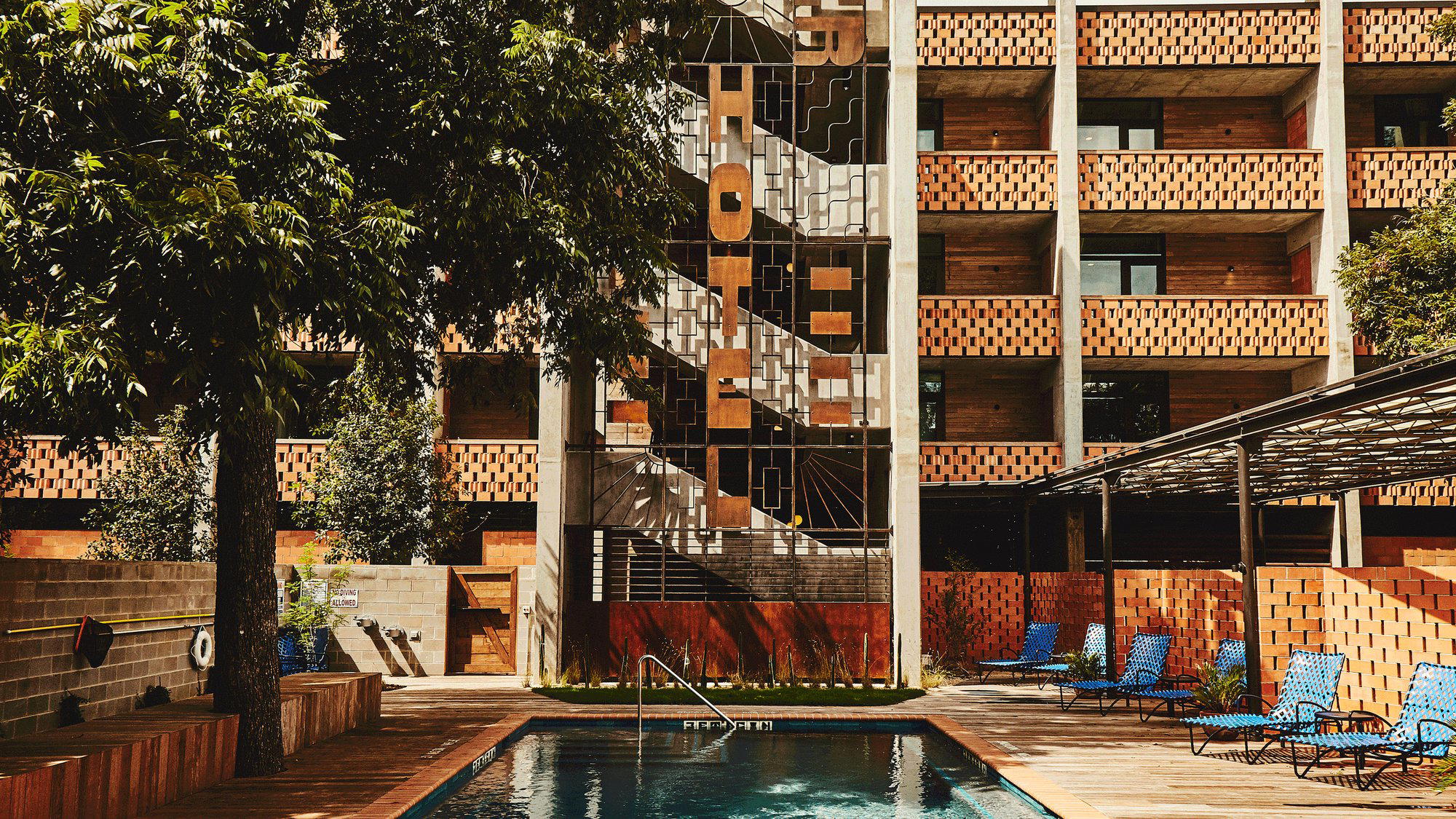
Carpenter Hotel occupies a converted 1939 building on Josephine Street in Austin's 78704 zip code, placing it squarely inside South Austin's design-conscious accommodation tier. The property operates at the intersection of local material sensibility and considered hospitality, offering an alternative to both the large downtown convention hotels and the boutique lifestyle brands clustered along South Congress.

Pearl is the En Primeur Club membership app, where members save venues, book tables and use the concierge.
South Austin's Converted-Building Hotel Tier
Austin's accommodation market has split along a clear fault line. On one side sit the large-format downtown hotels, the Fairmont, the Marriott, the convention-adjacent towers, built for scale and corporate travel. On the other, a smaller cohort of properties has emerged in the 78704 zip code and its surrounding South Austin neighbourhoods, occupying converted structures and smaller footprints, and positioning against a visitor who arrives with specific neighbourhood preferences rather than proximity-to-convention-centre requirements. Carpenter Hotel, at 400 Josephine Street, belongs to this second group.
The building dates to 1939, and its history as a working structure rather than purpose-built hospitality gives it the kind of material specificity that newer properties spend considerable effort manufacturing. South Austin's 78704 corridor, running through Travis Heights, Bouldin Creek, and the streets immediately south of the river, has become the city's most consistent address for design-led independent properties. Hotel Saint Cecilia operates nearby in the same neighbourhood logic, drawing guests who read the postcode as a signal before they read the amenity list. ARRIVE Austin applies a comparable approach further along the South Congress axis.
The Architecture of Restraint
Converted-building hotels carry a structural argument that new builds cannot replicate: the original proportions, materials, and spatial logic of the source structure push back against the designer's instincts. The result, when the conversion is handled with discipline, is a property that reads as inhabited rather than installed. Carpenter Hotel's 1939 bones sit in this tradition. The approach echoes what properties like Troutbeck in Amenia have done with historic rural structures in the American Northeast, using the building's age as a primary design element rather than a liability to be modernised away.
Within Austin's competitive set, this places Carpenter in a different conversation from the capital-intensive new builds. The Commodore Perry Estate, Auberge Resorts Collection deploys significant landscape and villa infrastructure to justify its positioning. The Fairmont Austin Gold Experience operates at the scale of a major downtown tower. Carpenter's footprint is deliberately smaller, and the Josephine Street address keeps it embedded in a walkable residential neighbourhood rather than the refined-podium logic of downtown hospitality.
Local Materials, Considered Programming
The editorial angle most useful for understanding Carpenter Hotel is the intersection of local material and considered technique, an approach that has become the operating premise of the more serious independent properties in mid-sized American cities. Austin's design culture draws heavily on Central Texas material vocabulary: limestone, cedar, raw concrete, reclaimed timber. Properties that apply these materials with architectural discipline rather than theming occupy a specific niche, one that appeals to the same traveller who books Post Ranch Inn in Big Sur for its land-embedded logic or Sage Lodge in Pray for its Montana material honesty.
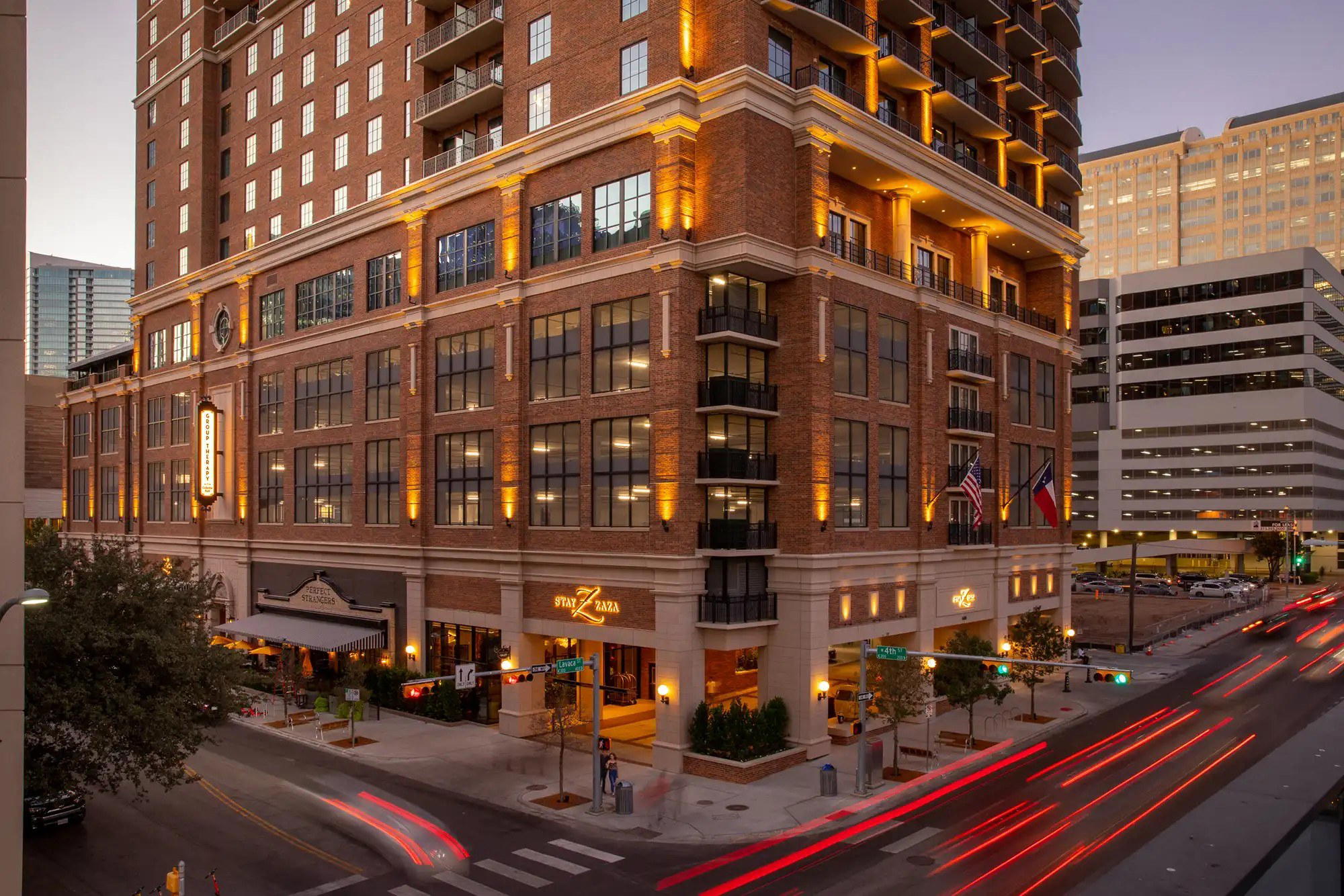
This is where Carpenter's position becomes clearest. The property is not making a lifestyle brand argument in the manner of Soho House Austin, which imports a global membership logic onto a local address. Nor does it deploy the aggressive design language of Hotel ZaZa Austin. The proposition is quieter: a building with genuine provenance, a neighbourhood with walkable density, and a hospitality format calibrated for guests who treat the hotel as a base rather than a destination-within-a-destination.
The South Austin Context
Josephine Street sits in a part of Austin that rewards pedestrian exploration in a way the downtown core rarely does. The blocks around Carpenter connect to the Bouldin Creek neighbourhood's coffee shops, independent restaurants, and the Barton Springs corridor within reasonable walking distance. For visitors whose primary interest is Austin's food and music culture rather than the Congress Avenue tourist circuit, the 78704 postcode functions as a more useful base than a room with a view of the Convention Center.
This neighbourhood logic is shared across a cohort of South Austin independents. The Heywood Hotel operates in a comparable residential-adjacent register. Austin Proper Hotel pitches slightly higher on the amenity spectrum while staying south of the river. The pattern suggests a genuine alternative accommodation culture developing in South Austin, one that sits apart from the downtown hospitality infrastructure and appeals to a different booking decision.
For context on Austin's broader dining and accommodation picture, our full Austin restaurants guide maps the city's key neighbourhoods and eating traditions in more detail.
Where Carpenter Sits in the National Conversation
Independent converted-building hotels in mid-sized American cities represent a specific investment thesis: that a meaningful cohort of travellers will pay a rate premium for neighbourhood embeddedness, material authenticity, and smaller-scale hospitality over the amenity density of a full-service hotel. This is the same argument that drives properties like SingleThread Farm Inn in Healdsburg at the high end, or Kona Village, A Rosewood Resort in Kailua Kona in the resort context, even if the price brackets differ considerably.
At the international level, properties like Aman Venice and Badrutt's Palace Hotel in St. Moritz demonstrate the ceiling of what building-with-history can command. Closer to home, Raffles Boston and The Fifth Avenue Hotel in New York City show how the heritage-structure argument scales in gateway cities. Carpenter operates at a lower price point and in a smaller market, but the underlying logic, that provenance is a differentiator, connects it to this broader hospitality conversation.
Planning Your Stay
Carpenter Hotel's address at 400 Josephine Street places it in the Travis Heights section of South Austin, within walking distance of the South Congress retail and dining corridor and roughly two miles from the downtown convention infrastructure. Guests arriving by air from Austin-Bergstrom International Airport have a direct route via South Congress without needing to pass through downtown congestion. The property's scale and neighbourhood location make it a stronger fit for leisure travel and extended work-from-hotel stays than for large groups requiring meeting infrastructure. For those comparing options across South Austin, the independent properties in this corridor tend to book out during South by Southwest (typically March), Austin City Limits Music Festival (October), and Formula 1 weekends at the Circuit of the Americas, which generally fall in late October or early November, those windows require advance planning measured in months rather than weeks.
Budget Reality Check
| Venue | Price | Awards |
|---|---|---|
| Carpenter HotelThis venue (the venue you are viewing) | $100–200 | Michelin Selected |
| Commodore Perry Estate, Auberge Resorts Collection | Not listed | 2 Michelin Keys · La Liste Top Hotels |
| Fairmont Austin Gold Experience | Not listed | 1 Michelin Key · La Liste Top Hotels |
| Soho House Austin | $200–300 | 1 Michelin Key · Mr & Mrs Smith Seal of Approval |
| Four Seasons Hotel Austin | Not listed | 1 Michelin Key · La Liste Top Hotels |
| ARRIVE Austin | Not listed | 1 Michelin Key |
Recognition history
Dated appearances from independent guides and award organizations, with the underlying list record or original source where available.
Michelin Selected
Michelin
Continue exploring
More in Austin
Hotels in Austin
All hotels in Austin →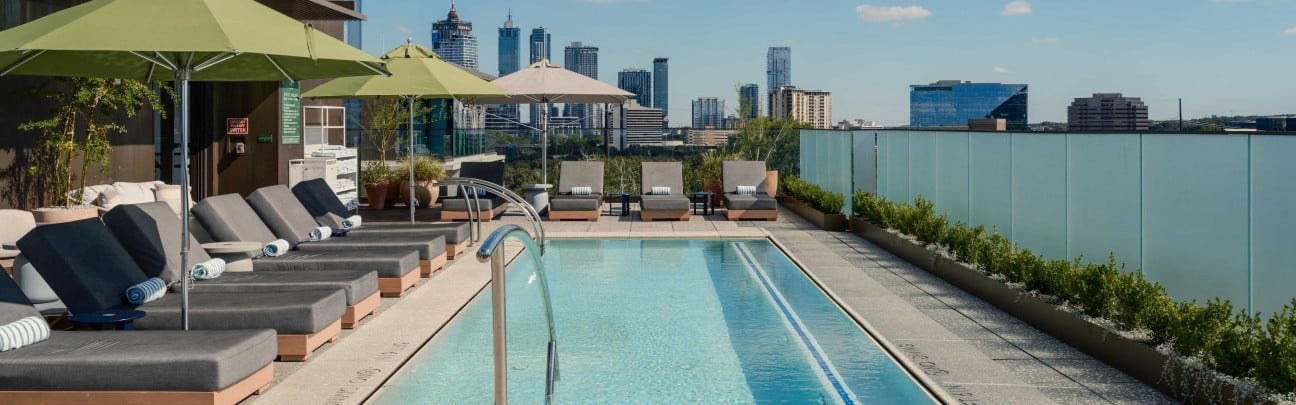
Bars in Austin
All bars in Austin →
Restaurants in Austin
All restaurants in Austin →
Details
- Modern
- Rustic
- Industrial
- Cozy
- Weekend Escape
- Group Retreat
- Garden
- Terrace
- Historic Building
- Design Destination
- Wi Fi
- Pool
- Restaurant
- Air Conditioning
- Luggage Storage
- Garden
- Wheelchair Accessible
- Elevator
- Accessible Restroom
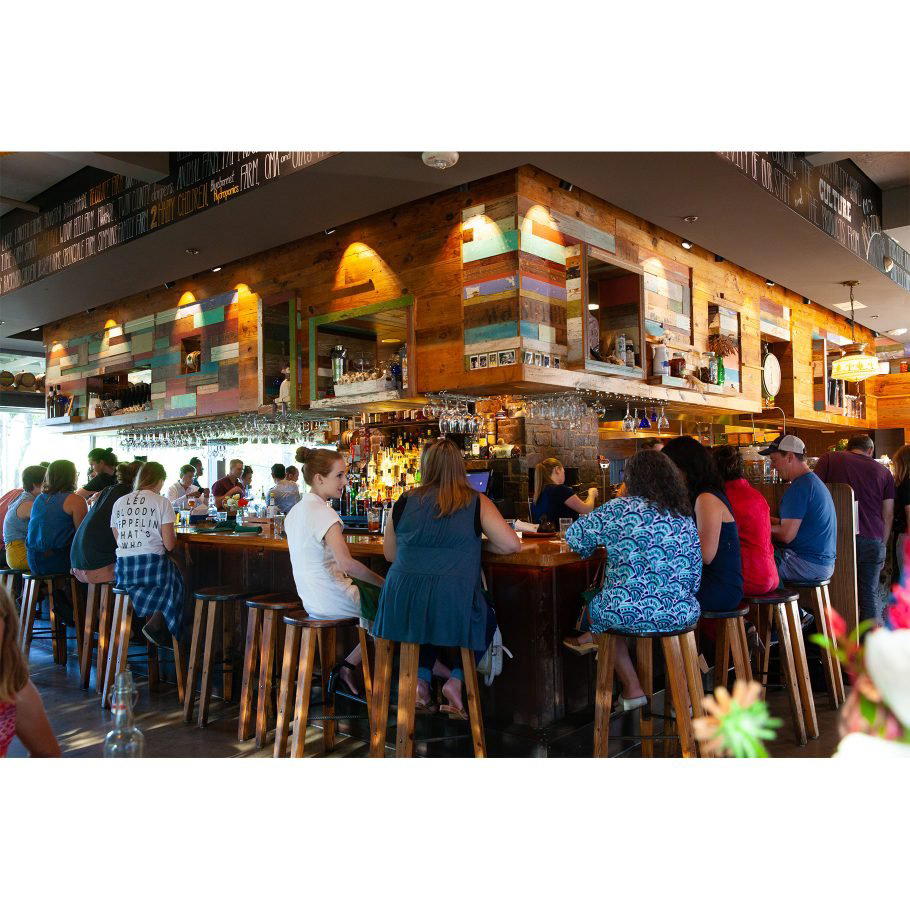
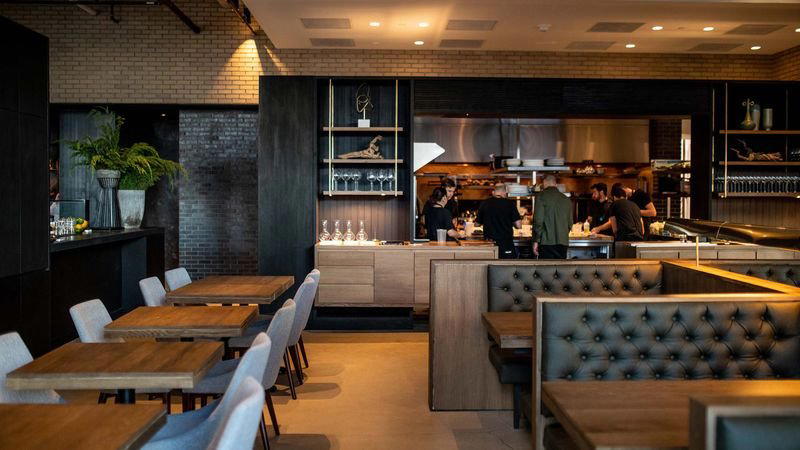
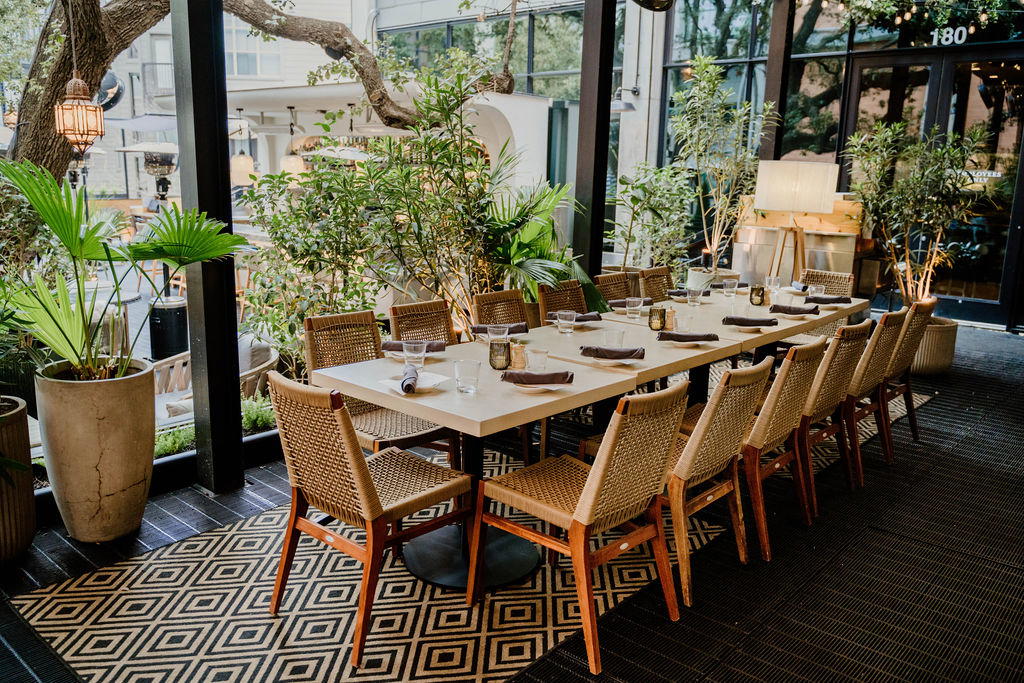
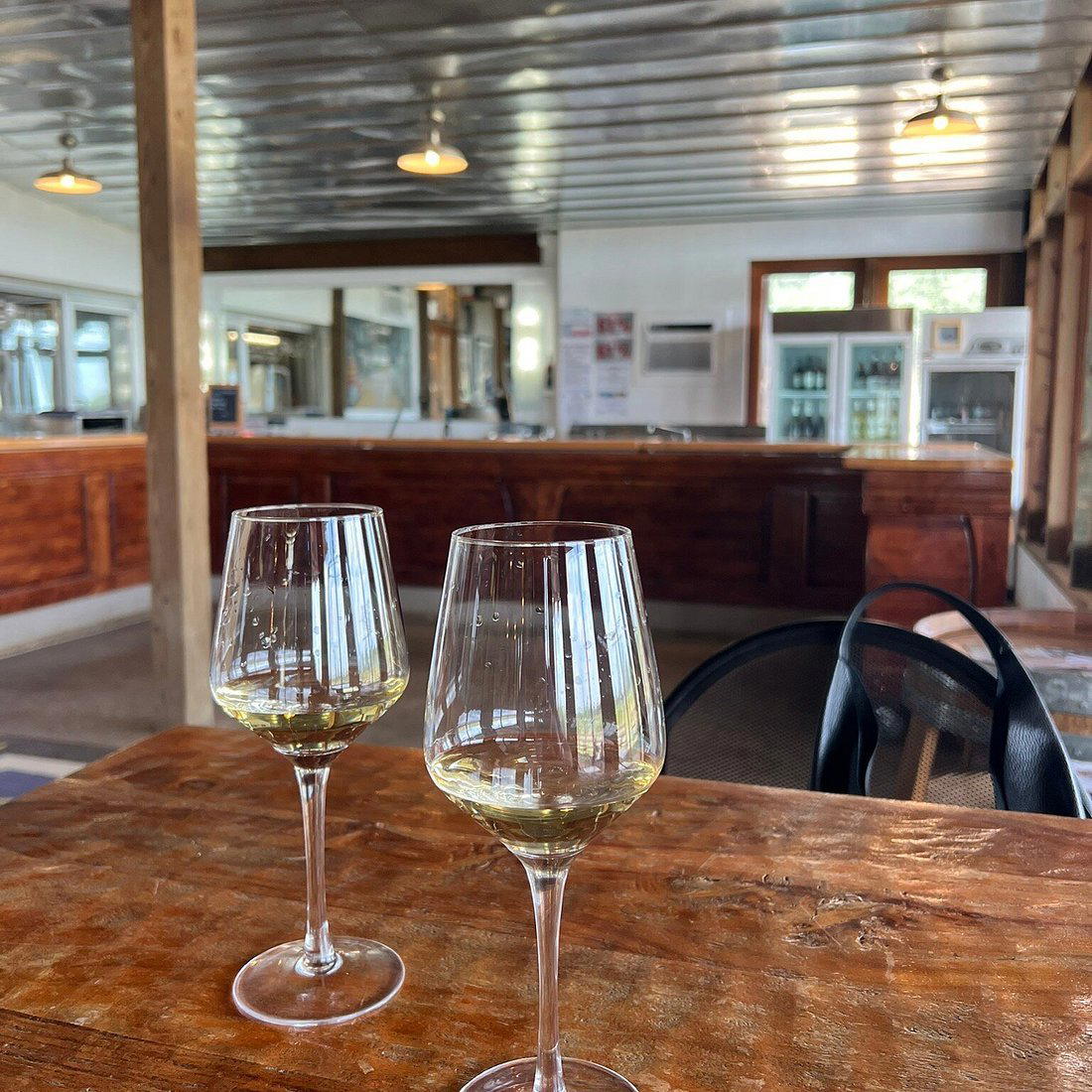
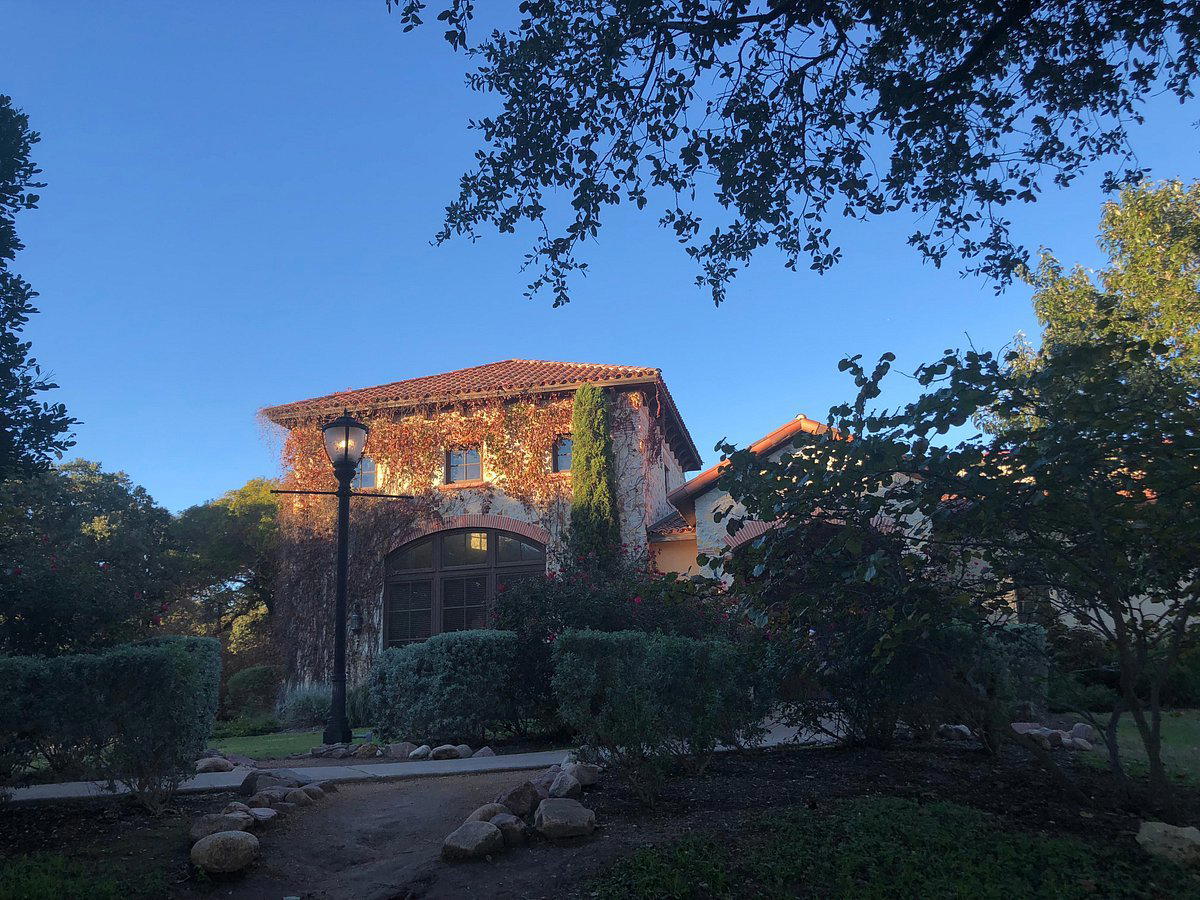
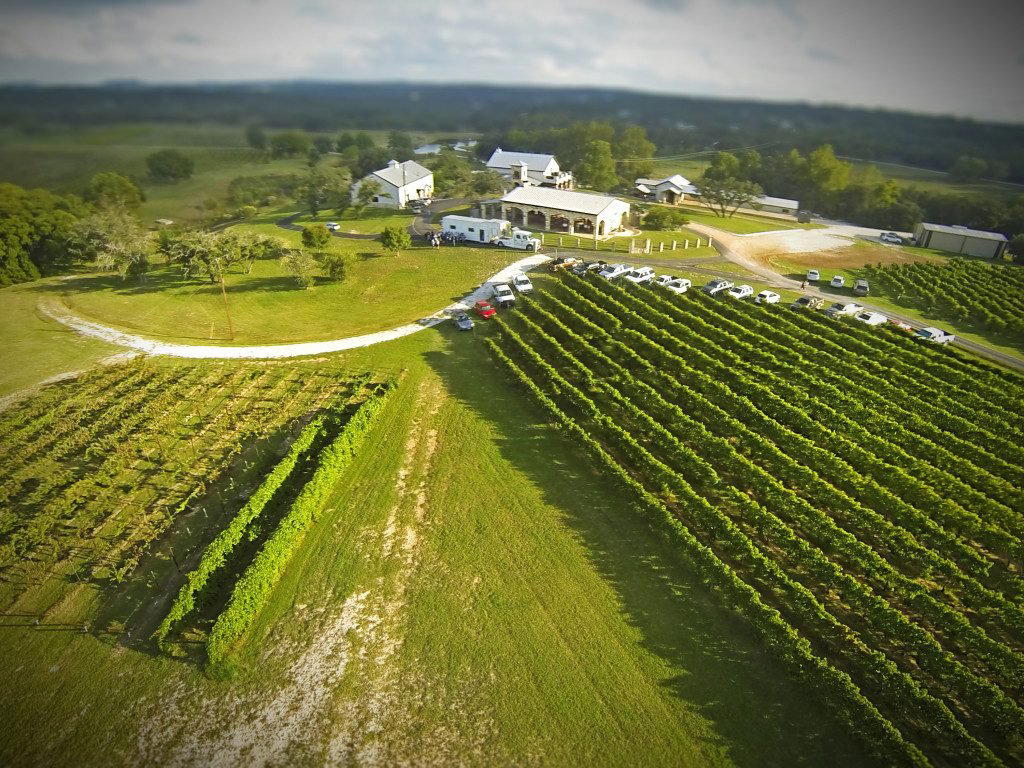
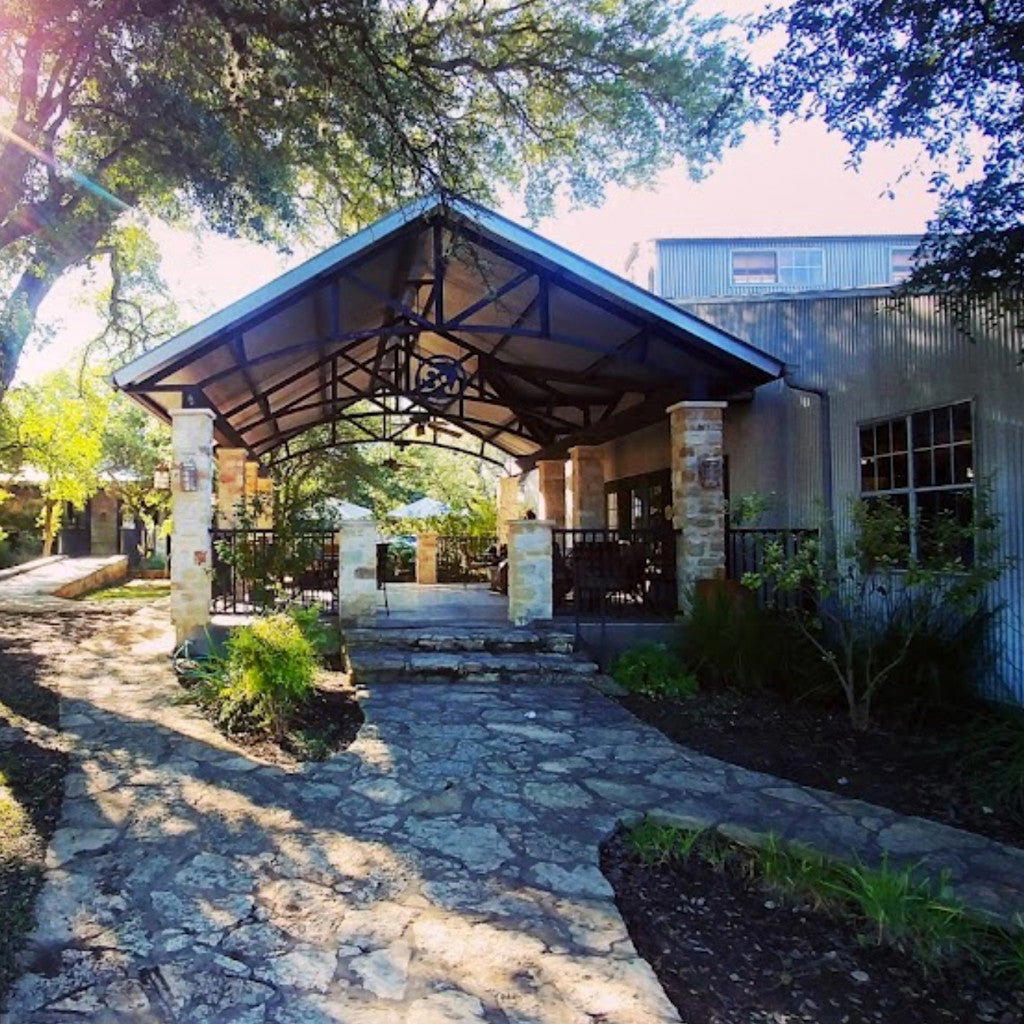
Unpolished and easygoing with natural light filtered through pecan trees, exposed concrete and brick, warm striped textiles, and a relaxed courtyard atmosphere that feels like a cool friend's house.