A neighbourhood pizza spot on Šamačka 4 in Osijek, Pépé sits in a city where informal dining has grown steadily alongside the more formal restaurant scene. For a casual meal in Slavonia's largest city, it occupies the relaxed, accessible end of the local food spectrum, the kind of place that fills a gap the white-tablecloth crowd leaves open.
Pearl is the En Primeur Club membership app — saves, bookings, and concierge access live there. Same editors, same standards.
- Address
- Šamačka 4, 31000, Osijek, Croatia
- Phone
- +38531230030
- Website
- pepepizzaplace.hr
- Directions
- Get directions
 Saves & bookings on Pearl
Pizza in Slavonia: What the Dough Says About the Place
Osijek operates on a different culinary register than Croatia's Adriatic coast. Where Dalmatian cities like Split and Dubrovnik, home to restaurants such as Krug in Split and Restaurant 360 in Dubrovnik, have built reputations around seafood and a sun-driven dining ritual, Osijek is an inland city shaped by Central European influences and river culture. Pizza here is not the Italian-coastal crossover it is further south; it functions as a workaday staple, the kind of food that local neighbourhoods rely on across lunch and dinner with little ceremony.
Pépé pizza place, at Šamačka 4 in central Osijek, sits squarely in that informal tier. The address places it close to the residential and commercial fabric of the city rather than on a tourist circuit. Casual neighbourhood pizza spots in Central European cities tend to draw their identity from regulars rather than from visitors, and the absence of online booking infrastructure or a published website suggests Pépé operates on exactly that logic: you show up, the place either has a table or it doesn't.
What Sourcing Looks Like at This Price Point in Slavonia
Understanding what pizza sourcing means in Slavonia requires a brief detour into the region's agricultural strengths. The Pannonian Plain, which dominates eastern Croatia, produces quality wheat, and Slavonian flour has a different character than the finely milled Italian tipo 00 that Naples-inspired pizzerias elsewhere in Croatia tend to import. A pizza place embedded in this region has the option of working with local grain supply chains in a way that coastal operators, dependent on ferry logistics and tourism-season pricing, do not. That is useful context for what distinguishes Slavonian food production broadly.
The same logic applies to toppings. Slavonia has a serious tradition of cured meats, kulen, the paprika-spiced sausage, is probably the region's most internationally recognised food product, and local dairy, including younger cow's-milk cheeses, is produced at a scale that makes local sourcing economically viable for informal restaurants in a way that is harder for higher-price-point venues in tourist-heavy markets to maintain year-round. Croatia's fine-dining tier, represented nationally by places like Boskinac in Novalja or Pelegrini in Sibenik, talks about local sourcing as an editorial decision and a marker of identity. At a neighbourhood pizza place, the same choices often follow proximity and cost rather than brand narrative.
Pépé in the Context of Osijek Dining
Osijek's restaurant scene is more varied than its relative obscurity on the Croatian food media circuit would suggest. The city has a formal dining tradition that runs through Central European cuisine, Waldinger, for instance, operates in the regional cuisine category at a mid-range price point, and a younger cohort of restaurants that have begun to push Slavonian ingredients in new directions. Karaka, Lipov hlad, and Franz Koch each represent a different register of the city's food offer, and venues like Bijelo-plavi and Kod Javora extend the range further. Against that backdrop, a pizza place occupies a specific and necessary niche: the meal that doesn't require a reservation, a dress decision, or a two-hour time commitment.
That niche matters more in a city like Osijek than it might in Zagreb, where the sheer density of casual dining options means no single spot carries much weight. In a city of Osijek's size, informal neighbourhood restaurants tend to accumulate a loyalty that more ambitious venues can't replicate. They serve the same people on a Tuesday lunchtime and a Saturday evening, and the menu doesn't change much because the point isn't novelty, it's reliability.
Planning a Visit
Pépé pizza place is at Šamačka 4, 31000 Osijek. Reservations are recommended. The restaurant is open daily from 12 PM to 11 PM. The dress code is casual.
For those exploring Croatian dining more broadly, the country's fine-dining conversation extends well beyond the coast. Dubravkin Put in Zagreb, Nebo by Deni Srdoč in Rijeka, Agli Amici Rovinj in Rovinj, Alfred Keller in Mali Lošinj, LD Restaurant in Korčula, and Korak in Jastrebarsko map a national scene that reaches from inland continental cooking to Adriatic fish-driven menus. Internationally, Le Bernardin in New York City and Atomix in New York City represent the kind of sustained, technique-driven ambition that sits at the opposite end of the spectrum from what Pépé offers, but the contrast itself is instructive about what different categories of dining are actually trying to do.
Comparable Venues
Comparable venues nearby, for context on price, style, and recognition.
| Venue | Cuisine | Price | Notes |
|---|---|---|---|
| Pépé pizza placeThis venue — the venue you are viewing | Neapolitan Pizza | $$ | Not listed |
| Lumiere | Modern European & Croatian | $$ | City Center |
| Bijelo-plavi | Traditional Croatian Barbecue | $$ | Osijek center |
| Kod Javora | Traditional Croatian & European | $$ | Donji Grad |
| LULU FUSION BISTRO | Asian Fusion Bistro | $$ | city center |
| Čarda kod Baranjca | Traditional Croatian Fish & Meat | $$ | Osijek |

At a Glance
- Modern
- Cozy
- Casual Hangout
- Date Night
- Open Kitchen
Current opening hours
- Monday
- 12–11 PM
- Tuesday
- 12–11 PM
- Wednesday
- 12–11 PM
- Thursday
- 12–11 PM
- Friday
- 12–11 PM
- Saturday
- 12–11 PM
- Sunday
- 12–11 PM
Hours can change for holidays and private events. Last verified .
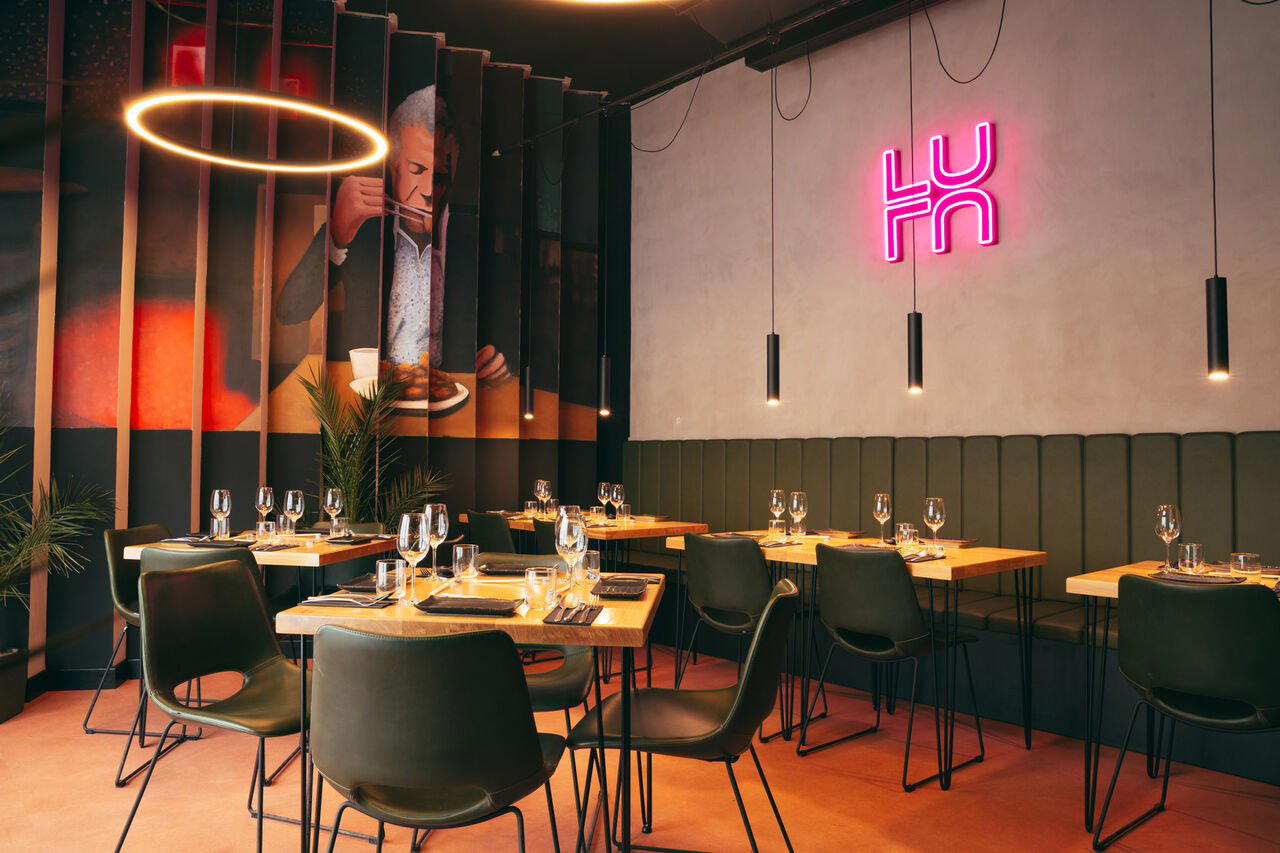
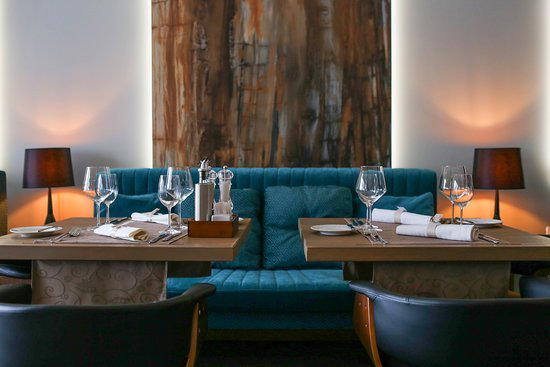
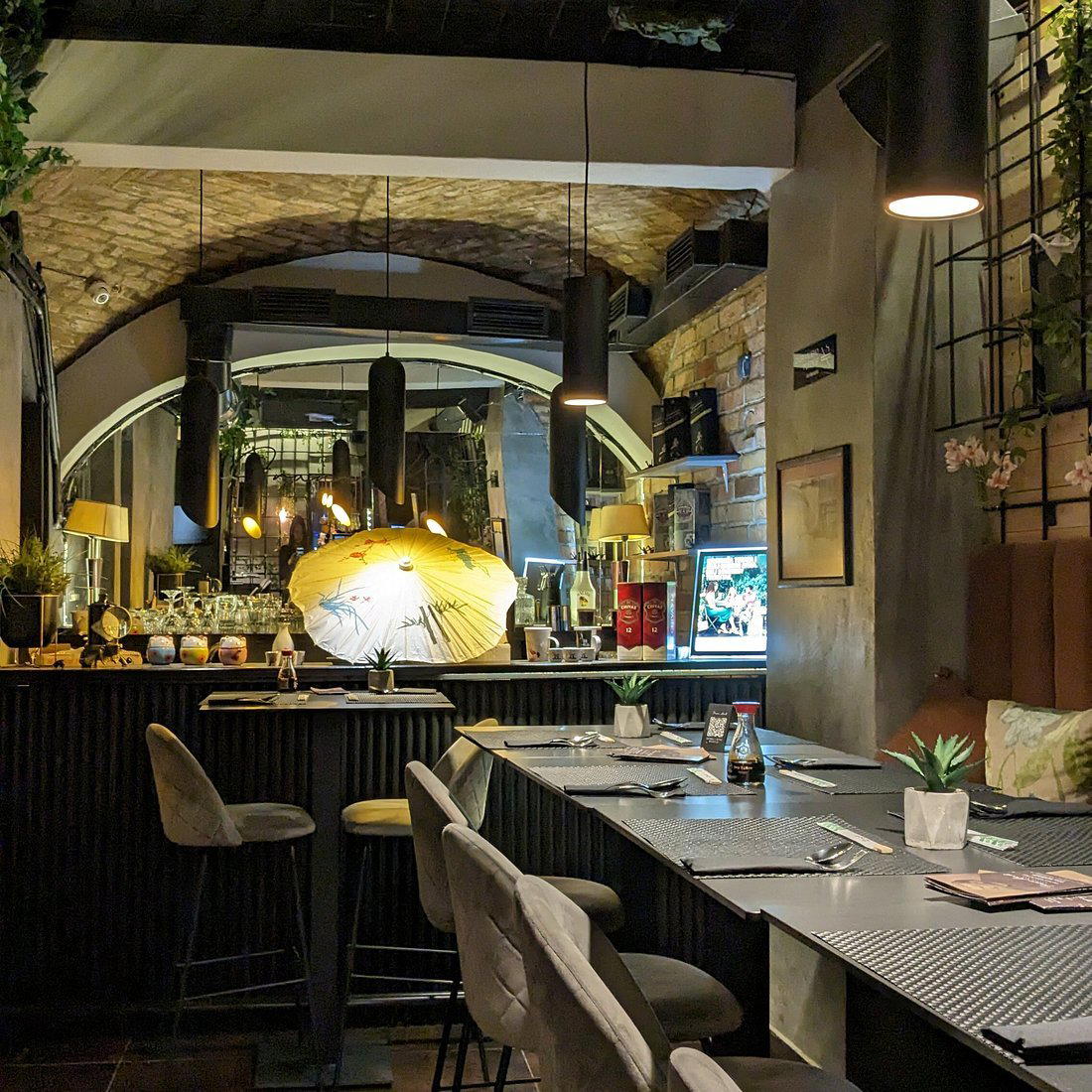
Cozy yet modern interior with warm tones and distinctive design, described as classy and nicely decorated.