
On Sunčana ulica in Osijek, Lulu Fusion Bistro represents the strand of Slavonian dining that looks beyond the region's pork-and-paprika orthodoxy toward broader Central European and Mediterranean influences. The address places it within easy reach of the city centre, and the bistro format signals a middle register, neither a formal dining room nor a casual konoba, that is increasingly common across Croatia's mid-tier restaurant scene.
Pearl is the En Primeur Club membership app — saves, bookings, and concierge access live there. Same editors, same standards.
- Address
- Sunčana ul. 5, 31000, Osijek, Croatia
- Phone
- +385995421640
- Website
- lulu-fusion-bistro.eatbu.com
- Directions
- Get directions
 Saves & bookings on Pearl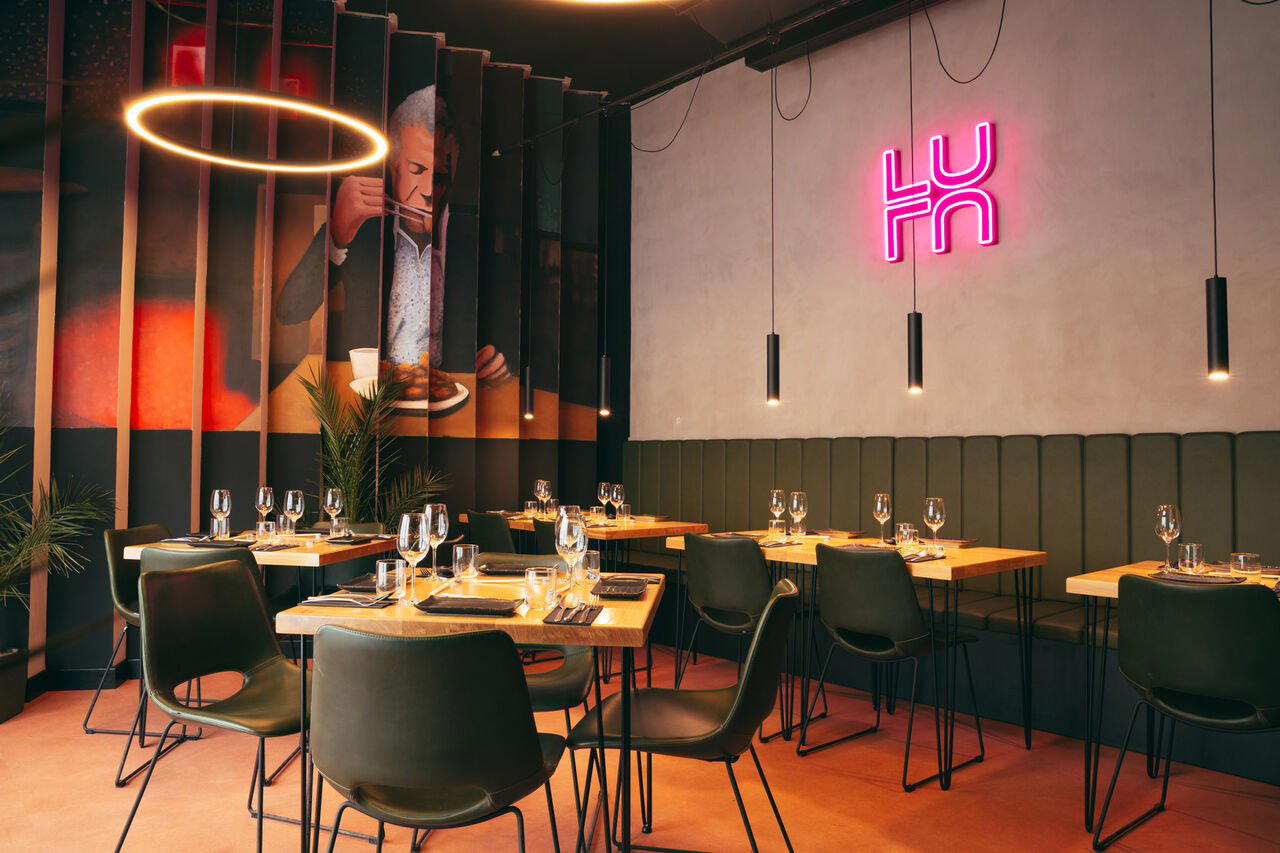
Where Slavonian Cooking Meets a Wider Pantry
Osijek sits at the eastern edge of Croatia's culinary conversation, a city whose food identity has historically been defined by the Pannonian plain: slow-braised meats, freshwater fish from the Drava, paprika in quantities that reflect centuries of Ottoman and Austro-Hungarian layering. That tradition remains the dominant grammar, but a secondary sentence has been forming across the city's restaurant scene, one that draws on ingredients and techniques from further afield without abandoning the regional larder. Lulu Fusion Bistro on Sunčana ulica operates within that secondary register, and understanding what it represents means first understanding the tension it is working within.
Fusion, as a category, carries baggage in European dining. The word conjures the worst of 1990s eclecticism: unfocused menus that borrowed from everywhere and committed to nowhere. The more durable version of cross-cultural cooking, the kind practised at places like Atomix in New York City, is rooted in deep knowledge of a primary tradition before anything is borrowed or combined. Whether Lulu operates closer to the disciplined or the eclectic end of that spectrum is the question worth asking before you book.
Sourcing in a Landlocked Food City
The ingredient question matters more in Osijek than in coastal Croatia. Restaurants in Rovinj, Split, or Korčula, places like Agli Amici Rovinj or Krug in Split, build menus around fish landed within kilometres of the kitchen and olive oil pressed in the same county. Slavonia's sourcing story is different: the region's strength lies in its agricultural depth rather than coastal proximity. Slavonian black pigs, kulen sausage from family producers, freshwater carp and catfish from the Drava and Sava river systems, wild game from the Baranja region to the north, these are the raw materials that give Osijek cooking its actual character.
A bistro with fusion ambitions in this city faces a choice: anchor to that regional larder and apply techniques or flavour combinations from outside, or import ingredients to match the technique. The former produces food with genuine provenance; the latter produces food that could come from anywhere. Croatia's most considered restaurants tend toward the first approach. Pelegrini in Sibenik and Boskinac in Novalja both work from hyper-regional sourcing before applying any contemporary technique. The same discipline, applied to Slavonian produce, is what would make a fusion concept in Osijek genuinely worth attention.
The Bistro Format in Context
Lulu's address, Sunčana ulica 5, in the 31000 postcode that covers central Osijek, places it within the broader restaurant corridor that runs through the city's walkable core. Osijek's dining scene is not large: a handful of addresses account for most of the serious cooking, and the format distinctions between them matter. At one end sit the more formal establishments; at the other, the traditional konoba and tavern format that anchors Croatian neighbourhood eating. The bistro sits between those poles, implying a degree of kitchen ambition without the full apparatus of a tasting-menu operation.
That middle register is exactly where Croatia's emerging restaurant class is doing some of its more interesting work. Dubravkin Put in Zagreb operates in a comparable register, serious enough to reward attention, accessible enough to visit without occasion. Nebo by Deni Srdoč in Rijeka occupies a similar tier on the coast. In Osijek, the comparable reference points include Bijelo-plavi, Franz Koch, Karaka, Kod Javora, and Lipov hlad, each occupying a distinct niche in a city where the total number of serious restaurants remains small enough that each address carries more weight than it might in Zagreb or Split.
What Fusion Actually Means Here
The name Lulu Fusion Bistro signals intent without specifying execution. In Croatian restaurant culture, the term fusion appears most credibly when it describes a specific cultural dialogue, say, Dalmatian technique applied to Slavonian produce, or Central European braising traditions meeting Mediterranean acidity. The less credible version treats fusion as permission to import any ingredient or technique without editorial logic.
For the food to land with the confidence shown by Croatia's more decorated restaurants, LD Restaurant in Korčula, Alfred Keller in Mali Lošinj, or the intensely sourced Korak in Jastrebarsko, it needs the same grounding in a primary ingredient story. The compelling outcome for a Slavonian fusion kitchen would be one that treats Baranja paprika, Drava fish, and regional cured meats as non-negotiable anchors, then applies technique and flavour reference from wherever the kitchen's training points. That is the model worth looking for.
Readers planning a broader Osijek trip should consult our full Osijek restaurants guide for a mapped view of where Lulu sits relative to the city's other addresses. For Croatia-wide context, Restaurant 360 in Dubrovnik and Le Bernardin in New York City represent the upper ceiling of what ingredient-led precision can achieve; they are useful reference points for understanding how much distance remains between ambition and execution in any given kitchen.
Planning Your Visit
Lulu Fusion Bistro is located at Sunčana ulica 5 in central Osijek, within walking distance of the city's main pedestrian areas. Current booking details and hours are listed below. The dress code is casual, and reservations are recommended.
Quick Comparison
Comparable venues nearby, for context on price, style, and recognition.
| Venue | Cuisine | Price | Notes |
|---|---|---|---|
| LULU FUSION BISTROThis venue — the venue you are viewing | Asian Fusion Bistro | $$ | Not listed |
| Kod Javora | Traditional Croatian & European | $$ | Donji Grad |
| Čarda kod Baranjca | Traditional Croatian Fish & Meat | $$ | Osijek |
| Franz Koch | Asian Fusion | $$$ | Tvrđa |
| Bijelo-plavi | Traditional Croatian Barbecue | $$ | Osijek center |
| Ventidue | Authentic Neapolitan Pizza | $$ | Osijek center |
Recognition history
Dated appearances from independent guides and award organizations, with the underlying list record or original source where available.
Michelin Bib Gourmand
Michelin

At a Glance
- Modern
- Cozy
- Trendy
- Date Night
- Casual Hangout
- Group Dining
- Open Kitchen
- Extensive Wine List
- Local Sourcing
Current opening hours
- Monday
- 12–4 PM, 7–10 PM
- Tuesday
- 12–4 PM, 7–10 PM
- Wednesday
- 12–4 PM, 7–10 PM
- Thursday
- 12:30–4 PM, 7–10 PM
- Friday
- 12–4 PM, 7–10 PM
- Saturday
- 12–4 PM, 7–10 PM
- Sunday
- Closed
Hours can change for holidays and private events. Last verified .
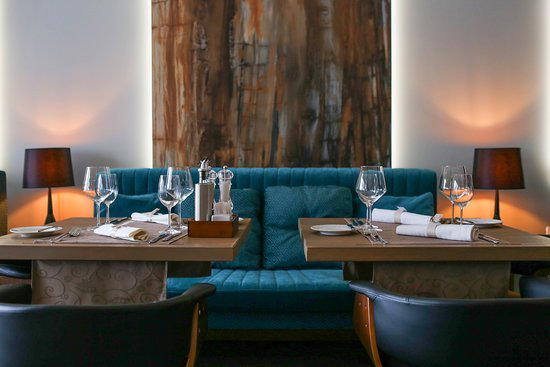
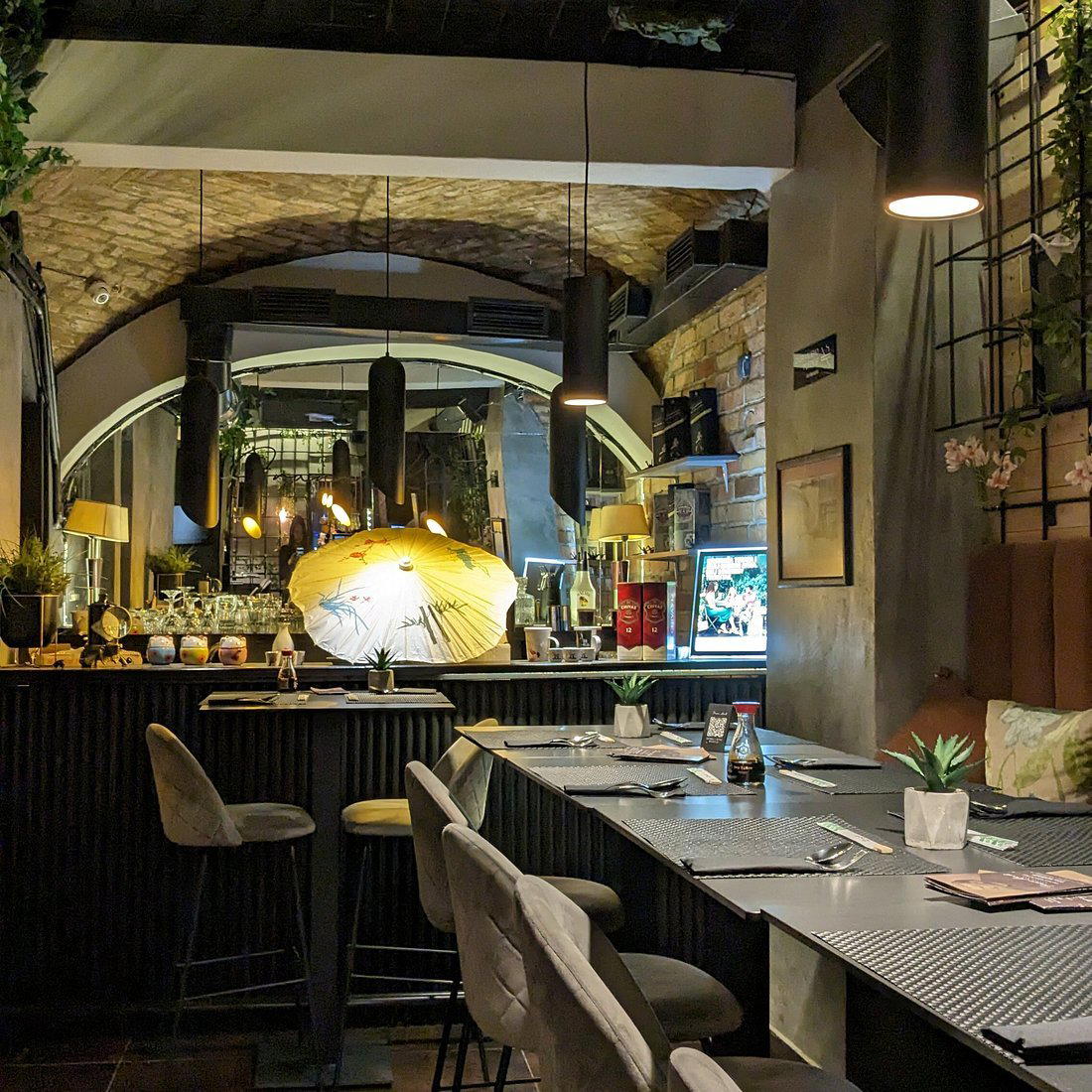
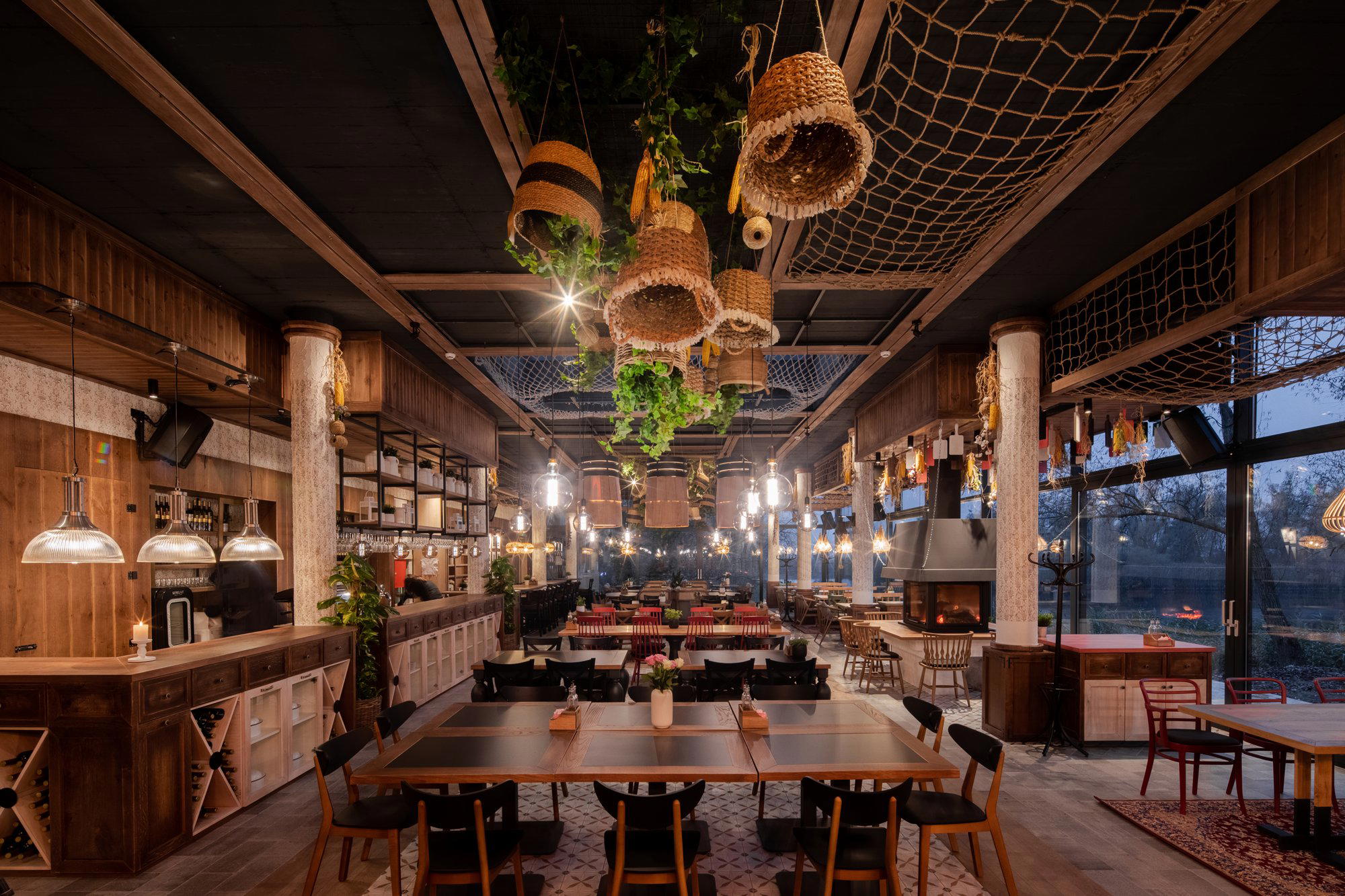
Modern and chill atmosphere with pleasant, cosy setting praised by guests.