Pourquoi pas
Pourquoi pas sits on the Faubourg Saint-Étienne in Pontarlier, a town defined by Franche-Comté's border-country cooking traditions and its proximity to the Swiss Jura. The restaurant addresses a local dining scene where mountain larder ingredients and regional identity carry more weight than metropolitan ambition. For visitors arriving from the Doubs valley or passing through en route to Switzerland, it represents a practical anchor to the area's food culture.
Pearl is the En Primeur Club membership app — saves, bookings, and concierge access live there. Same editors, same standards.
- Address
- 7 Fbg Saint-Etienne, 25300 Pontarlier, France
- Phone
- +33381384798
- Website
- restaurantpourquoipas.fr
- Directions
- Get directions
 Saves & bookings on Pearl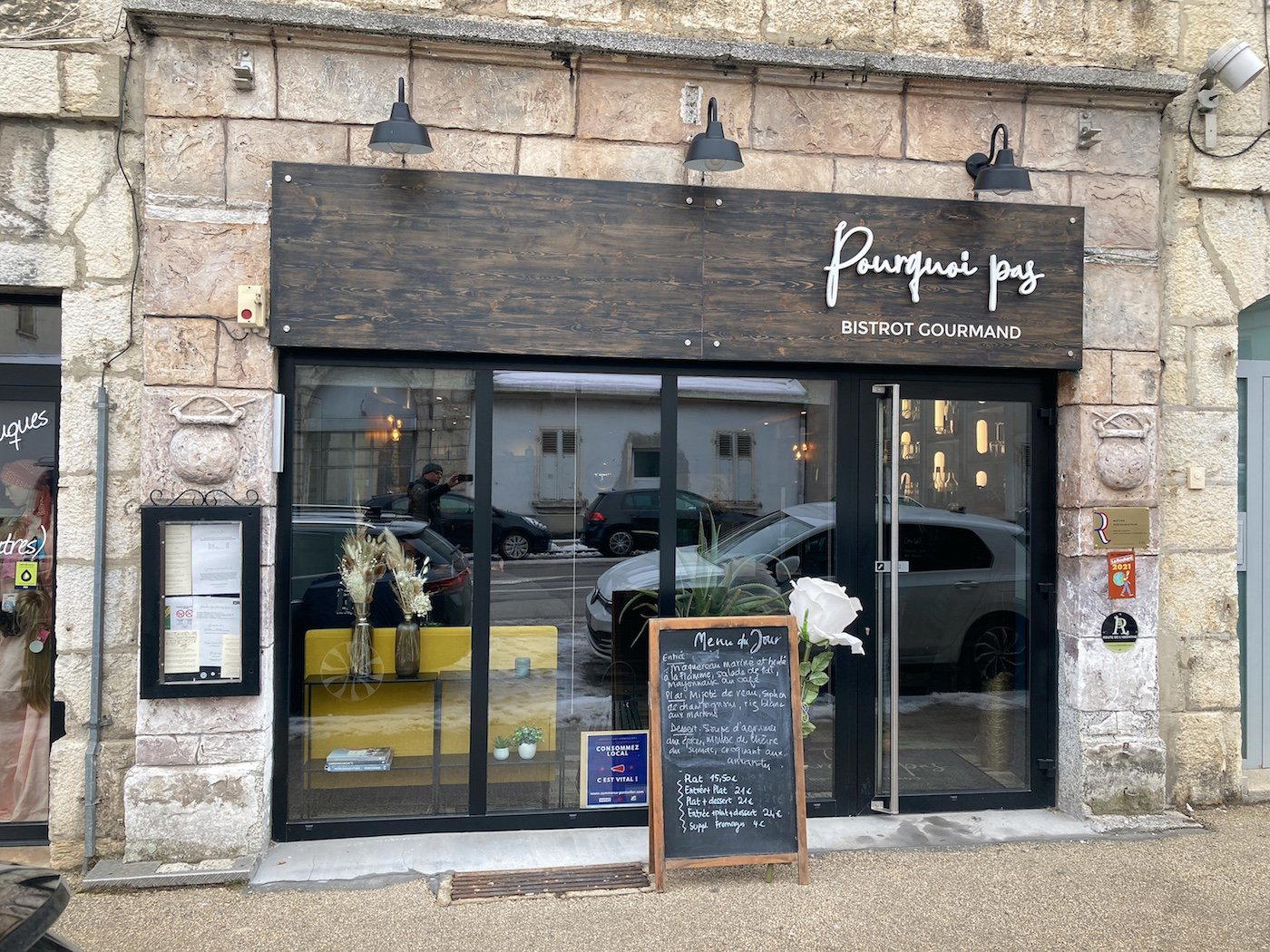
Pontarlier at the Table: What the Franche-Comté Tradition Actually Means
Pontarlier sits at roughly 837 metres above sea level in the Doubs department, pressed against the Swiss border and defined by the kind of larder that mountain geography enforces: aged cheeses from the Jura plateau, cured pork from farmhouse traditions that predate AOC classifications, river fish from the Doubs itself, and wild herbs from forests that also happen to be where absinthe distillation once thrived before the spirit's long prohibition. The cooking culture here is not a diluted version of Burgundy or Alsace — it is a distinct regional identity shaped by altitude, isolation, and a centuries-old proximity to Swiss gastronomy across the border. Restaurants operating in this context are less about chasing metropolitan recognition and more about maintaining a kind of culinary fidelity to place.
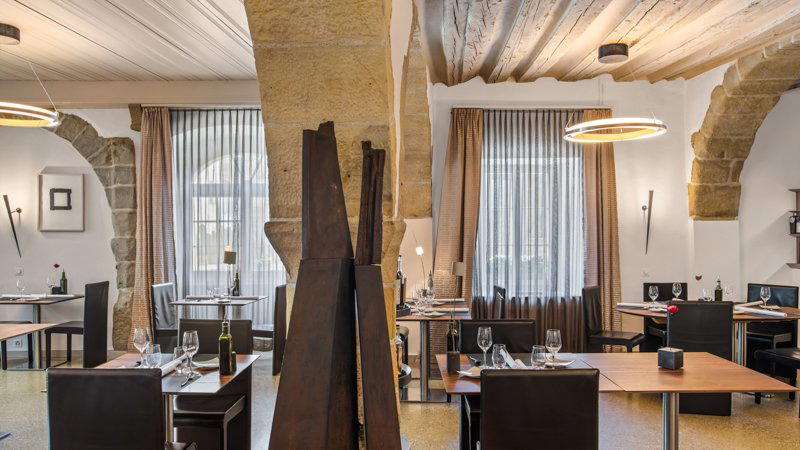
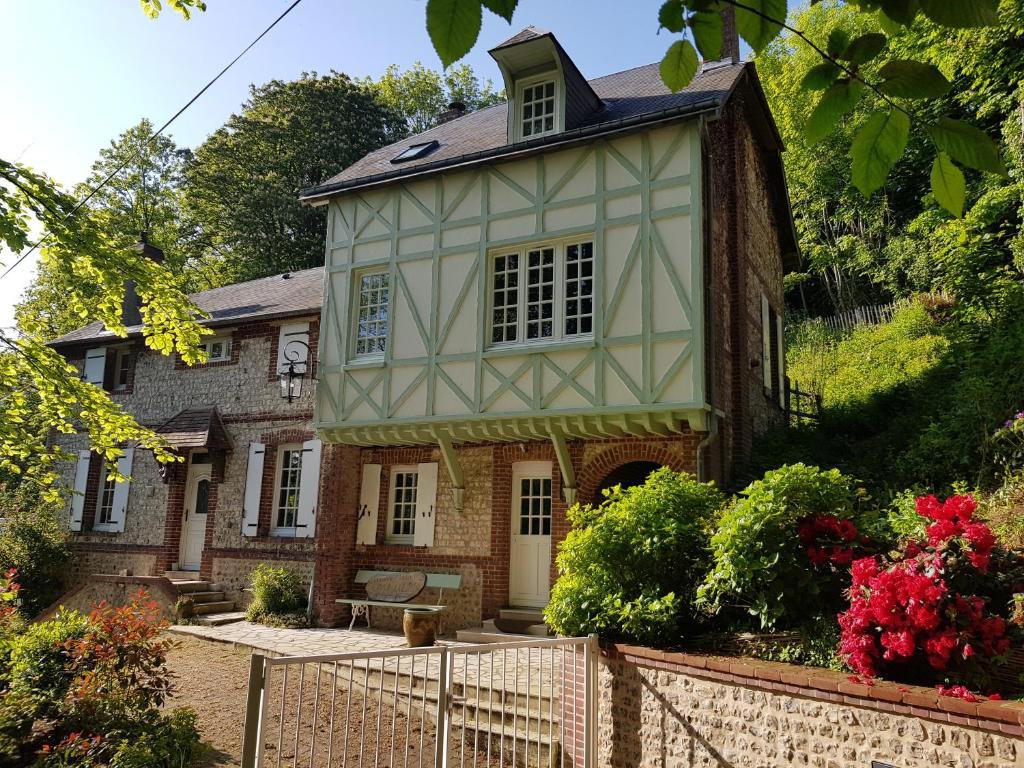
That framing matters when assessing where Pourquoi pas sits in Pontarlier's dining picture. The address — 7 Faubourg Saint-Étienne, places it on one of the town's historic approach roads, the kind of street that has served travellers and locals in roughly equal measure for generations. Faubourg routes in French provincial towns carry a particular character: neither the concentrated buzz of a central place nor the anonymity of a commercial strip, but something more layered, where neighbourhood use and through-traffic coexist. That physical context already tells you something about what kind of room you are likely to encounter.
Franche-Comté's Dining Register and Where a Town Restaurant Fits
The Franche-Comté region produces some of France's most technically demanding dairy: Comté AOP, aged across multiple affineurs from caves in Poligny and Arbois, has become one of the country's most internationally traded cheeses, while Morbier and Mont d'Or each hold protected designations that constrain geography and process. The charcuterie tradition is similarly specific, smoked Morteau sausage carries IGP status, and Montbéliard sausage is produced only within a defined zone. These are not generic French ingredients; they are products with enforceable identities, and the restaurants that use them seriously tend to treat sourcing as part of their actual claim on a diner's attention.
France's celebrated fine dining addresses, Flocons de Sel in Megève, the Jura-adjacent seriousness of operations like Auberge de l'Ill in Illhaeusern, or the deeply rooted terroir cooking at Bras in Laguiole, all demonstrate that French regional identity, treated rigorously, translates to international authority. But those are destination restaurants with institutional histories. The much larger category of French provincial dining operates at a different register: closer to daily life, less dependent on a single chef's mythology, and often more honest about what the local table actually looks like. La Pinte Comtoise in Pontarlier represents one version of this register; Pourquoi pas addresses the same audience from its Faubourg Saint-Étienne address.
The Absinthe Dimension: What Pontarlier's History Adds to the Table
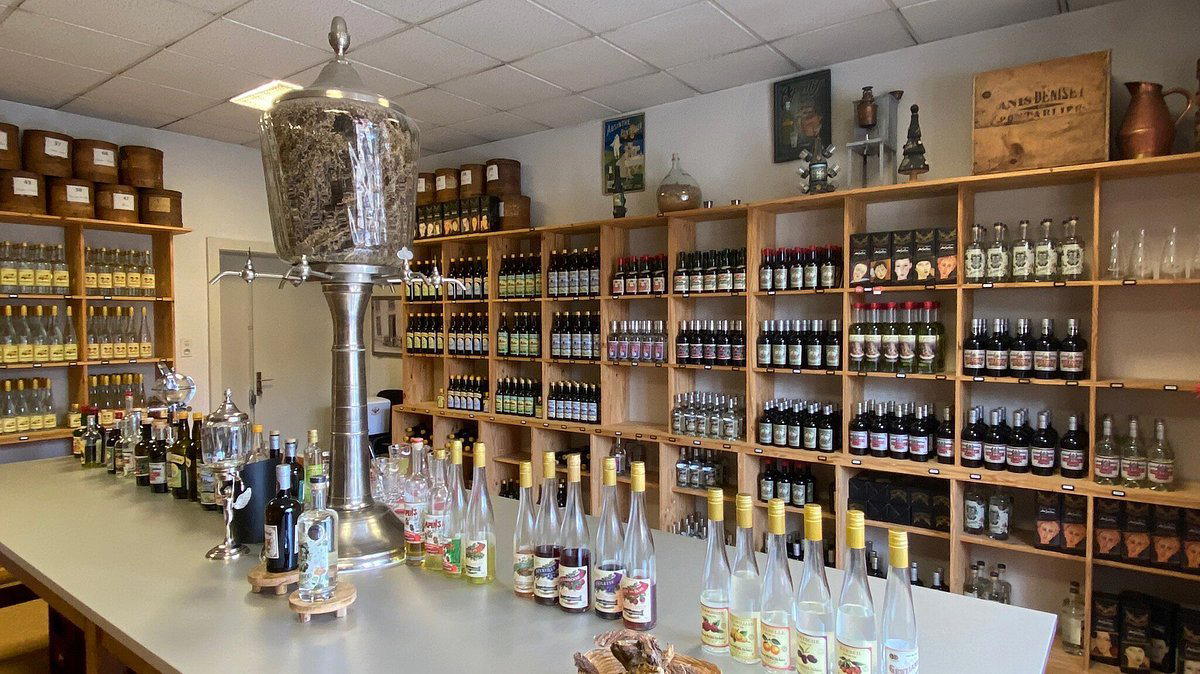
Any serious account of eating and drinking in Pontarlier has to acknowledge absinthe, because the town is not incidentally connected to the spirit, it was the industrial centre of French absinthe production before prohibition in 1915. The Pernod Fils distillery operated here at scale. That heritage has since been reclaimed through a cluster of artisan producers who returned after absinthe's European rehabilitation in the 1990s and 2000s, and the spirit now anchors a genuine local drinks identity. Whether a restaurant engages with that history through its aperitif list or simply through the ambient awareness that the town carries this identity is a question specific to each address, but the cultural layer is present regardless.
For context on how French regional restaurants elsewhere have built reputations around local drinks culture, the model set by houses like Paul Bocuse - L'Auberge du Pont de Collonges or the Loire-anchored confidence of addresses connected to their regional wine traditions suggests that ingredient and drink provenance, handled with discipline, becomes a differentiating signal rather than mere decoration. Pontarlier's version of this is more compact and less commercially developed, which gives it a different kind of appeal for travellers who find the larger destination restaurants in France, Mirazur in Menton, Troisgros - Le Bois sans Feuilles in Ouches, Alléno Paris au Pavillon Ledoyen in Paris, frankly over-programmed.
Planning a Visit: Practical Notes
Pontarlier is accessible by TGV connection via Besançon (roughly 45 minutes by regional train) and sits on the N57 route for those driving from Nancy or Dijon toward Lausanne and Geneva. The town is not a typical tourist circuit, which means restaurants here function primarily for locals, workers from the border zone, and travellers stopping on longer journeys. Visitors coming specifically for the dining scene should also consult our full Pontarlier restaurants guide for broader context on how the town's eating options distribute across format and price. For those building a wider Franche-Comté or eastern France itinerary, pairing Pontarlier with nearby Besançon or extending toward Arbois (Jura wine country) gives the trip a more coherent regional logic. Comparable serious French provincial tables for cross-reference include Au Crocodile in Strasbourg, Assiette Champenoise in Reims, and Georges Blanc in Vonnas. Further afield but sharing the same commitment to regional anchoring: Auberge du Vieux Puits in Fontjoncouse, Christopher Coutanceau in La Rochelle, and L'Oustau de Baumanière in Les Baux. For readers who follow French-trained talent operating internationally, Le Bernardin in New York City and Atomix in New York City represent the export version of that precision; AM par Alexandre Mazzia in Marseille shows what happens when French training meets a coastal city's entirely different sensory register. Pourquoi pas operates at none of those scales, it belongs to the quieter, more functional end of French provincial dining, which is its own legitimate category and, for the right traveller, the more honest one.
How Pourquoi pas Pontarlier compares with similar nearby venues.
| Venue | Cuisine | Price |
|---|---|---|
| La Table du Tillau | Modern Cuisine | €€€ |
Continue exploring
More in Pontarlier
Restaurants in Pontarlier
Browse all →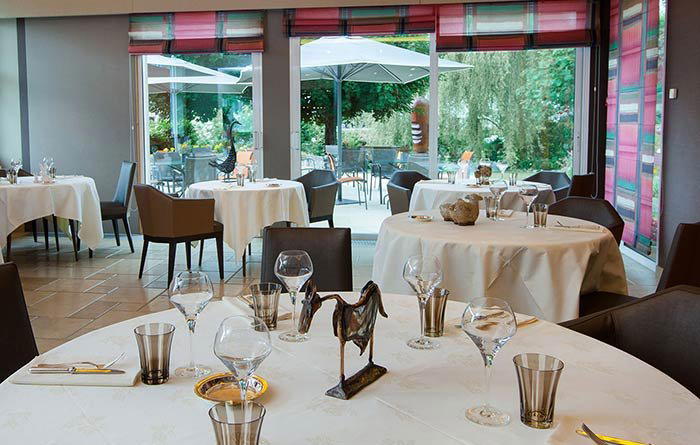
Bars in Pontarlier
Browse all →
Hotels in Pontarlier
Browse all →
At a Glance
- Cozy
- Elegant
- Intimate
- Sophisticated
- Date Night
- Special Occasion
- Open Kitchen
- Extensive Wine List
- Local Sourcing
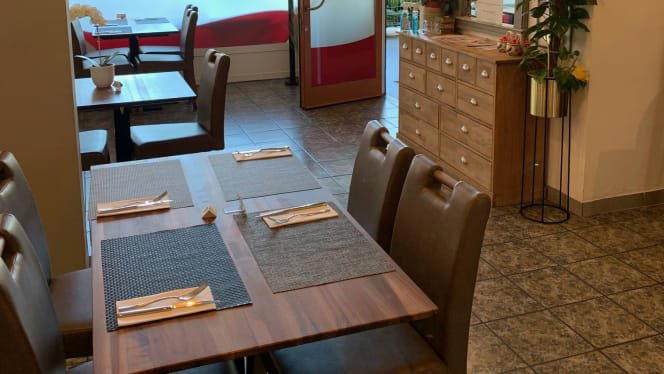
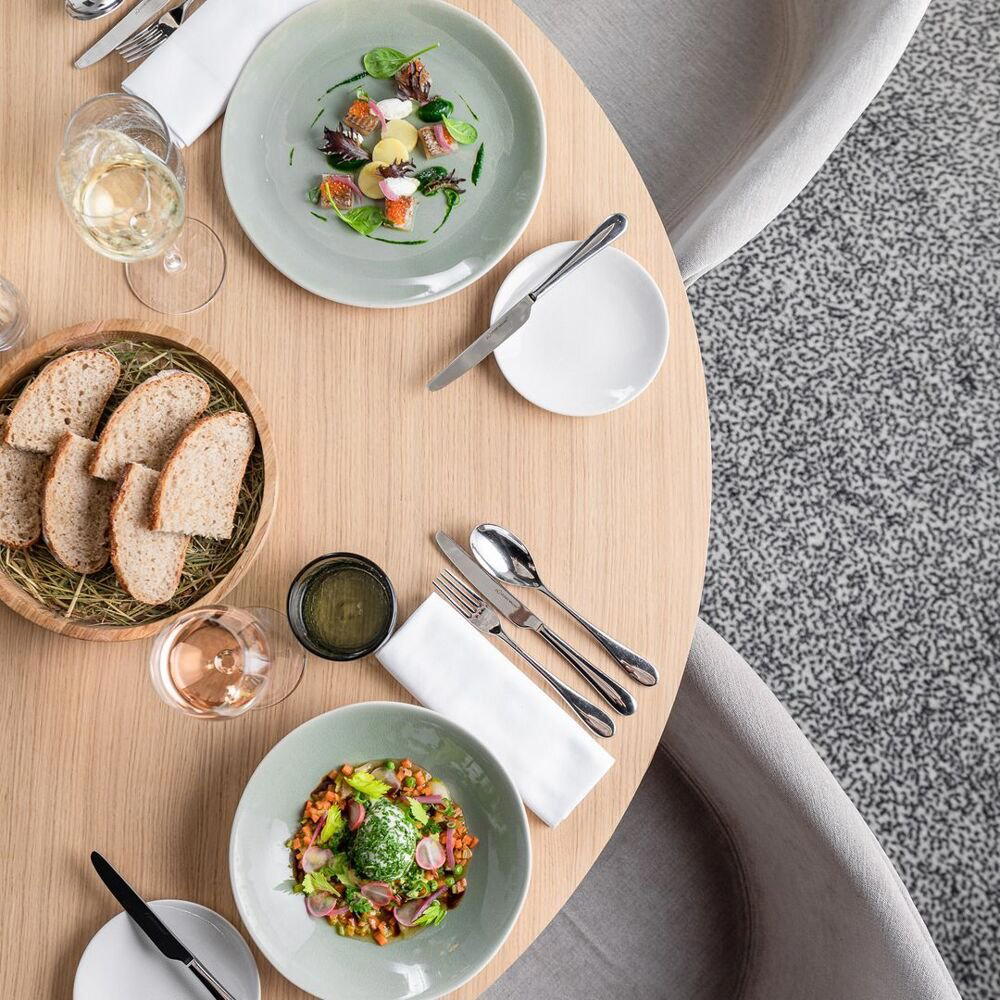
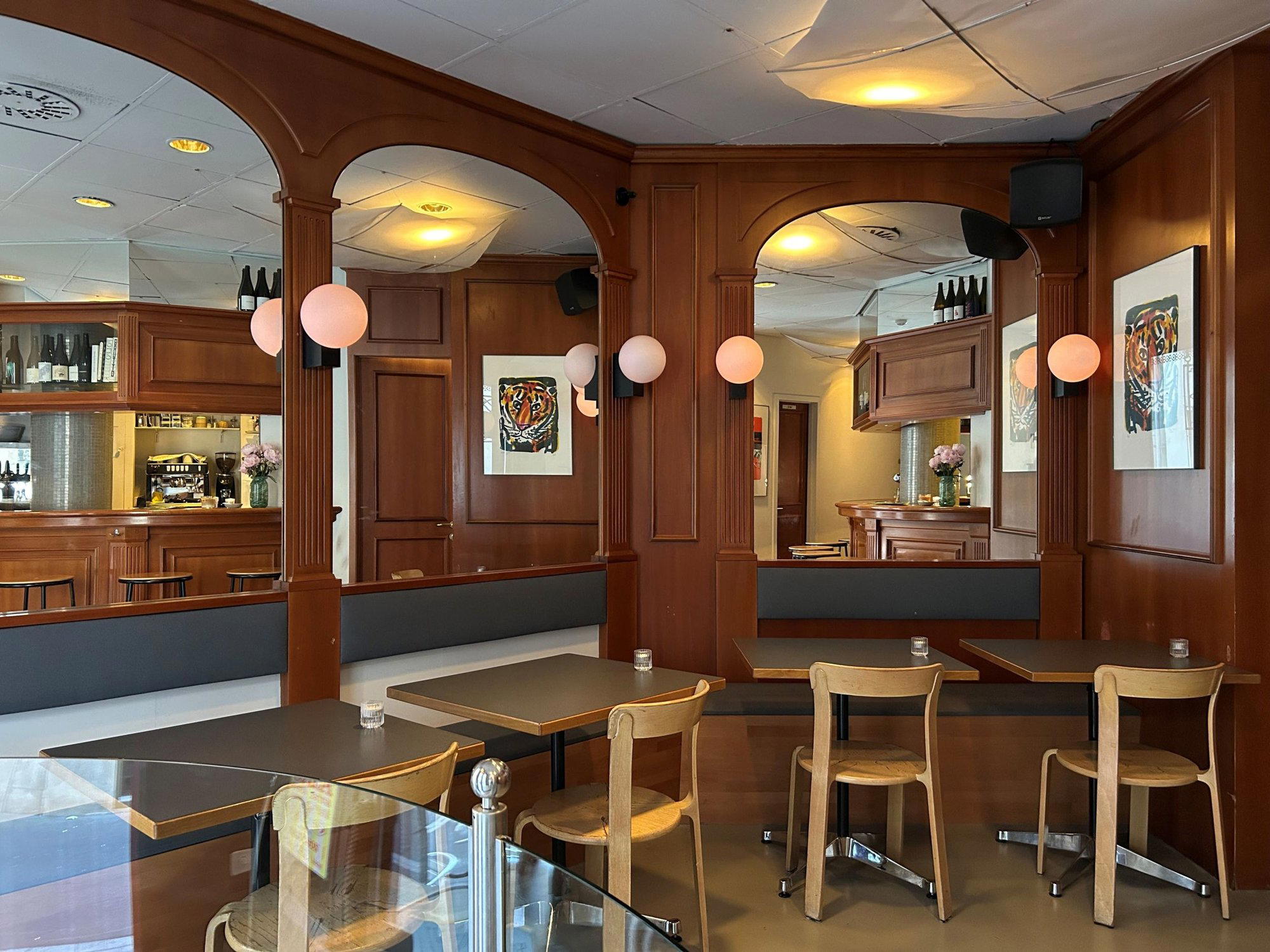
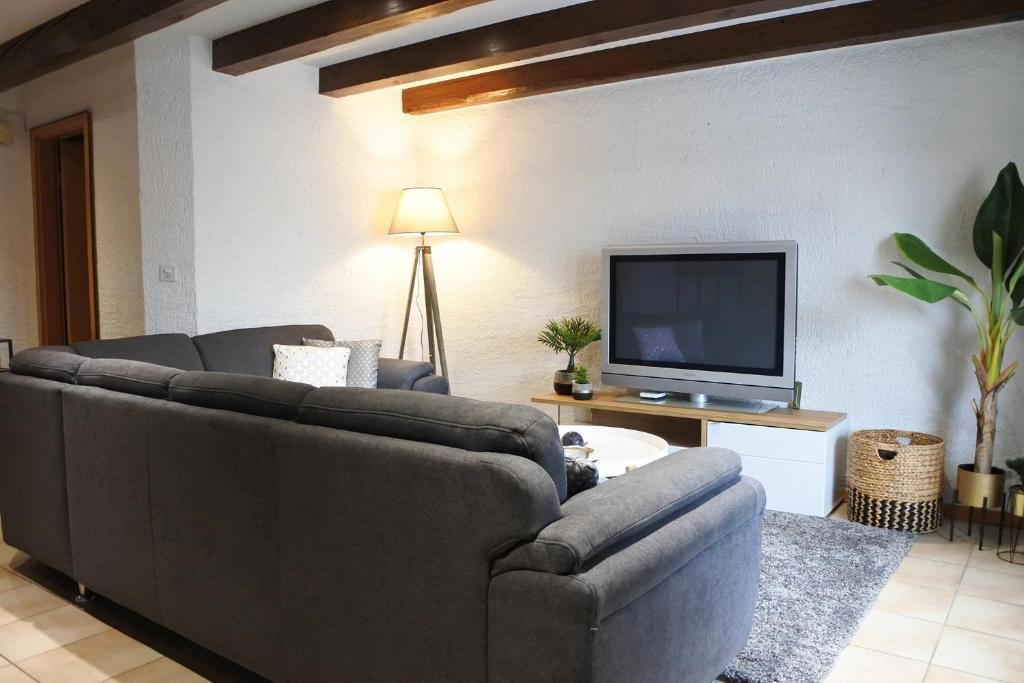
Chaleureux and convivial atmosphere with a modern bistro feel, praised for its intimate and pleasant dining experience.