Aux Ducs de Savoie
Aux Ducs de Savoie sits on the Franco-Swiss border in Saint-Gingolph, a village where the Alps meet Lake Geneva and the surrounding terrain defines what ends up on the plate. The address alone signals a particular kind of alpine dining, one shaped by proximity to Savoyard pastures, mountain streams, and a culinary tradition that predates any modern concept of farm-to-table. A reference point for the region's quieter, border-country dining scene.
Pearl is the En Primeur Club membership app — saves, bookings, and concierge access live there. Same editors, same standards.
- Address
- 13 Rue du 23 Juillet 1944, 74500 Saint-Gingolph, France
- Phone
- +33450767309
- Website
- auxducsdesavoie.fr
- Directions
- Get directions
 Saves & bookings on Pearl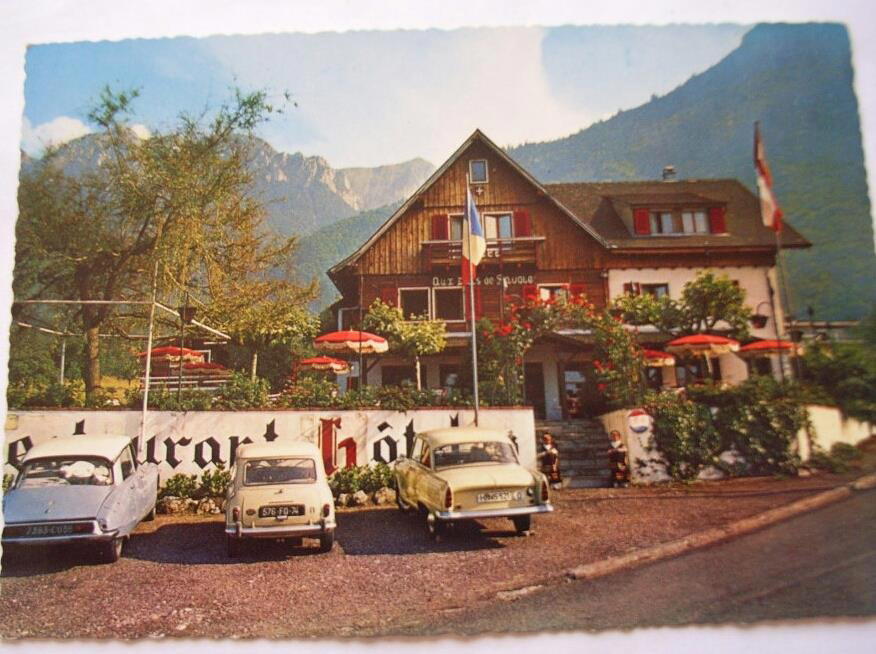
Where the Border Shapes the Table
Saint-Gingolph is a village divided by the Morge river, one half French, one half Swiss, and that geographic accident has shaped its food culture in ways that no single national tradition fully accounts for. The French side, where Aux Ducs de Savoie occupies its address at 13 Rue du 23 Juillet 1944, sits at the foot of the Chablais Alps with Lake Geneva at its doorstep. Arriving from the lakeside road, the scale of the setting clarifies immediately: this is not a dining destination that competes with the high-altitude theatrics of, say, Flocons de Sel in Megève or the coastal confidence of Mirazur in Menton. It belongs to a quieter, border-country tradition where the sourcing radius is short and the culinary references are firmly Savoyard.
That distinction matters. Savoie as a food region operates differently from Burgundy's wine-anchored identity, Alsace's Germanic layering, or the Provençal abundance that defines houses like L'Oustau de Baumanière in Les Baux. Alpine cooking at this latitude is built on constraint: a shorter growing season, a pastoral economy centered on dairy and cured meats, and mountain streams that have historically supplied freshwater fish to tables that would otherwise rely on preserved protein through winter. The result is a cuisine of specificity rather than abundance, and restaurants in this corridor, when they are working well, make that specificity their argument.
Ingredient Country: What the Alps and the Lake Deliver
The sourcing logic of a Savoyard table at the French-Swiss border is worth understanding in concrete terms. The Chablais Alps above Saint-Gingolph produce the milk that goes into Abondance cheese, an AOC-protected raw-milk tome made from the Abondance cattle breed grazed at altitude. The lake, Lac Léman at its far eastern end, historically supplied omble chevalier (Arctic char), perch, and féra, a whitefish specific to the alpine lake system. These are not generic ingredients dressed up with regional branding; they are products whose character is genuinely shaped by the elevation, the water temperature, and the pasture composition of this specific corridor.
In a broader French context, the conversation about ingredient sourcing has largely been claimed by the country's marquee addresses: Bras in Laguiole and its documented commitment to Aubrac terroir, or Auberge du Vieux Puits in Fontjoncouse, where the garden is the menu's primary logic. Border-country Savoie operates outside that spotlight, which means the sourcing story here tends to be transmitted through local reputation and regional habit rather than national press. That is not a disadvantage for the traveller who arrives prepared, it is precisely the condition that keeps the pricing and the atmosphere calibrated to the village rather than the destination-restaurant circuit.
The Border-Country Dining Scene in Context
Saint-Gingolph sits at the far eastern edge of Haute-Savoie, roughly equidistant from Geneva and Montreux on the Swiss side, and from Thonon-les-Bains on the French side. It is not a place most visitors arrive at accidentally. The lakeside road is scenic but specific, and the village itself is small enough that its restaurant addresses occupy a different register than the multi-starred houses anchoring France's grande cuisine tradition, the institutional gravity of Paul Bocuse in Collonges-au-Mont-d'Or, the generational continuity of Auberge de l'Ill in Illhaeusern, or the long creative arc represented by Troisgros in Ouches.
Aux Ducs de Savoie is not in conversation with those addresses. Its comparable set is the category of regional French table that draws from a specific geographic identity and serves a clientele that includes serious cross-border regulars, Swiss and French alike, alongside visitors who have sought out the village for the lake and the mountain access. In that comparable set, the name reference to the Dukes of Savoy is a historical signal: the House of Savoy controlled this territory for centuries before its incorporation into France in 1860, and the culinary traditions of the region carry that pre-national character, distinct from the Paris-anchored French cooking identity that drives houses like Alléno Paris au Pavillon Ledoyen.
What to Expect at the Table
Savoyard cooking at this level typically organizes itself around a core of local dairy, gratins, fondues, raclette preparations, alongside freshwater fish from the lake and cured mountain meats. The format at village restaurants in the Chablais corridor tends toward the traditional: fixed menus with a regional logic, wine lists that lean into Savoie's own appellations (Apremont, Chignin, Roussette de Savoie), and a pace that reflects the unhurried character of a border town that has never needed to perform for a global audience.
The contrast with alpine luxury at the upper price tier, such as Le 1947 à Cheval Blanc in Courchevel, is instructive rather than hierarchical. A different set of priorities governs a border-village address: the kitchen draws on what the altitude and the lake provide rather than what a luxury brief demands, and the dining room reflects a community that includes working locals as much as leisure travellers. That dual character is the sourcing story in social form, this is a place shaped by what grows and lives here, not by what can be flown in.
For context on how other French regional tables have built international reputations on similar sourcing logic, Georges Blanc in Vonnas and Maison Lameloise in Chagny offer useful reference points, both houses that translated hyper-regional ingredient identity into sustained recognition without abandoning their geographic anchors.
Planning Your Visit
Saint-Gingolph is accessible by car from Geneva in under an hour via the lakeside D1005, and from Thonon-les-Bains in roughly 20 minutes. The village sits on a rail line connecting to Évian-les-Bains and onward to Geneva, making it reachable without a car for visitors already based on the French side of the lake. Advance booking is recommended, particularly during summer, when the lakeside corridor draws significant traffic from both the French Alps and the Swiss Riviera. For reference on what ambitious regional French cooking can look like elsewhere in the Alps and along the French periphery, La Table du Castellet and Les Prés d'Eugénie in Eugénie-les-Bains illustrate the range of what regional anchoring can produce across different French terroirs.
Fast Comparison
Comparable venues nearby, for context on price, style, and recognition.
| Venue | Cuisine | Price | Notes |
|---|---|---|---|
| Aux Ducs de SavoieThis venue — the venue you are viewing | Classic French Fine Dining | $$$$ | Not listed |
| Alain Passard's Garden | Vegetable-Focused Fine Dining | $$$$ | Bois Giroult |
| Baumanière 1850 / Le Strato | Modern French Fine Dining with Alpine and Provençal Influences | $$$$ | Courchevel (Commune Non Irisée) |
| Les Enfants Terribles Avoriaz | Classic French Mountain Bistro | $$$$ | Avoriaz |
| La Chamade | Traditional French Savoyard with Cheese Specialties | $$$ | centre of Morzine |
| Les Explorateurs by Pashmina | Haute Cuisine Alpine Fusion | $$$$ | Val Thorens |
Continue exploring
More in Saint Gingolph
Restaurants in Saint Gingolph
Browse all →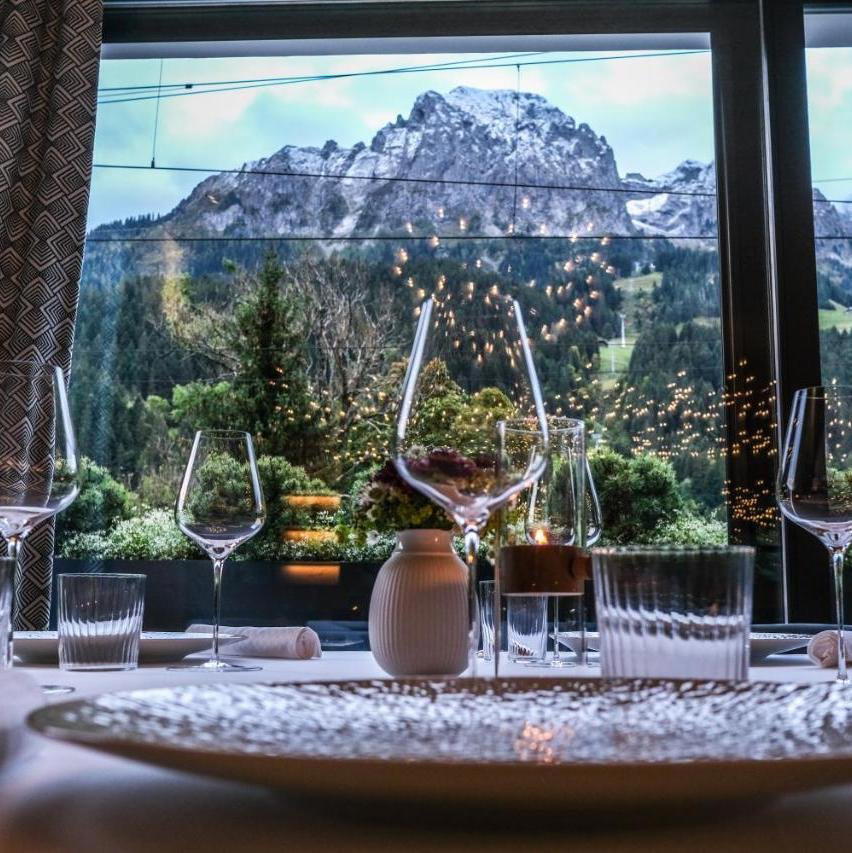
Bars in Saint Gingolph
Browse all →
Hotels in Saint Gingolph
Browse all →
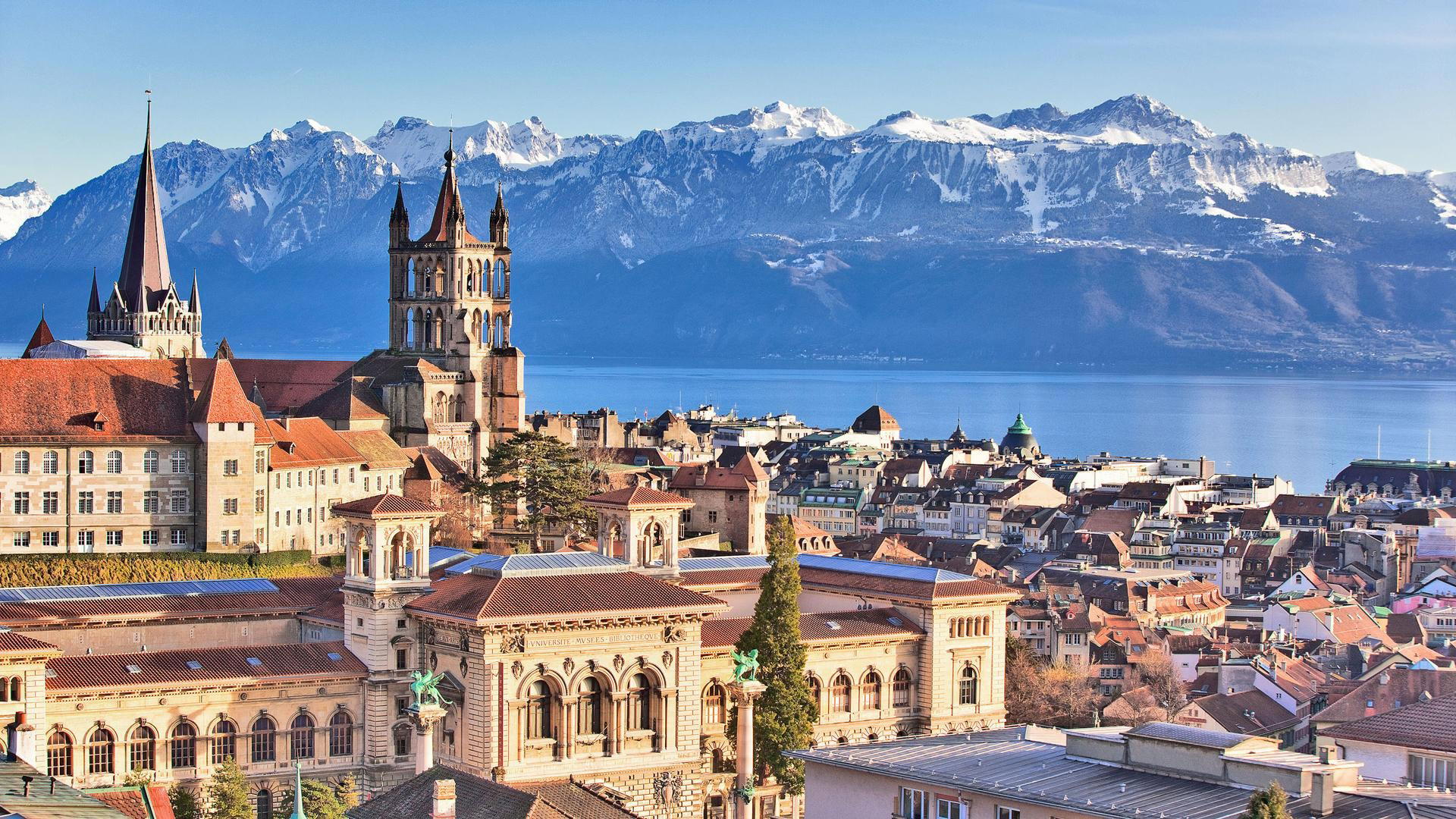
Wineries in Saint Gingolph
Browse all →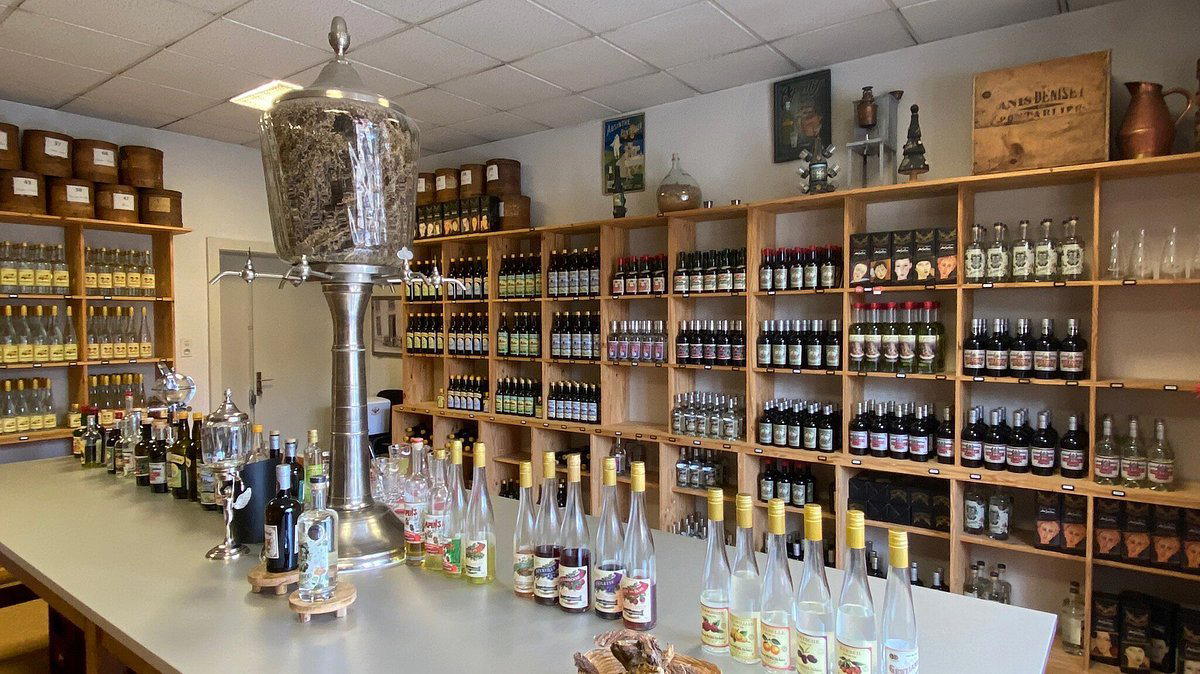
At a Glance
- Romantic
- Elegant
- Classic
- Sophisticated
- Date Night
- Special Occasion
- Celebration
- Waterfront
- Terrace
- Private Dining
- Extensive Wine List
- Sommelier Led
- Local Sourcing
- Farm To Table
- Waterfront
Current opening hours
- Monday
- Closed
- Tuesday
- Closed
- Wednesday
- 12–2 PM
- Thursday
- 12–2 PM
- Friday
- 12–2 PM, 7–9 PM
- Saturday
- 12–2 PM, 7–9 PM
- Sunday
- 12–2 PM
Hours can change for holidays and private events. Last verified .
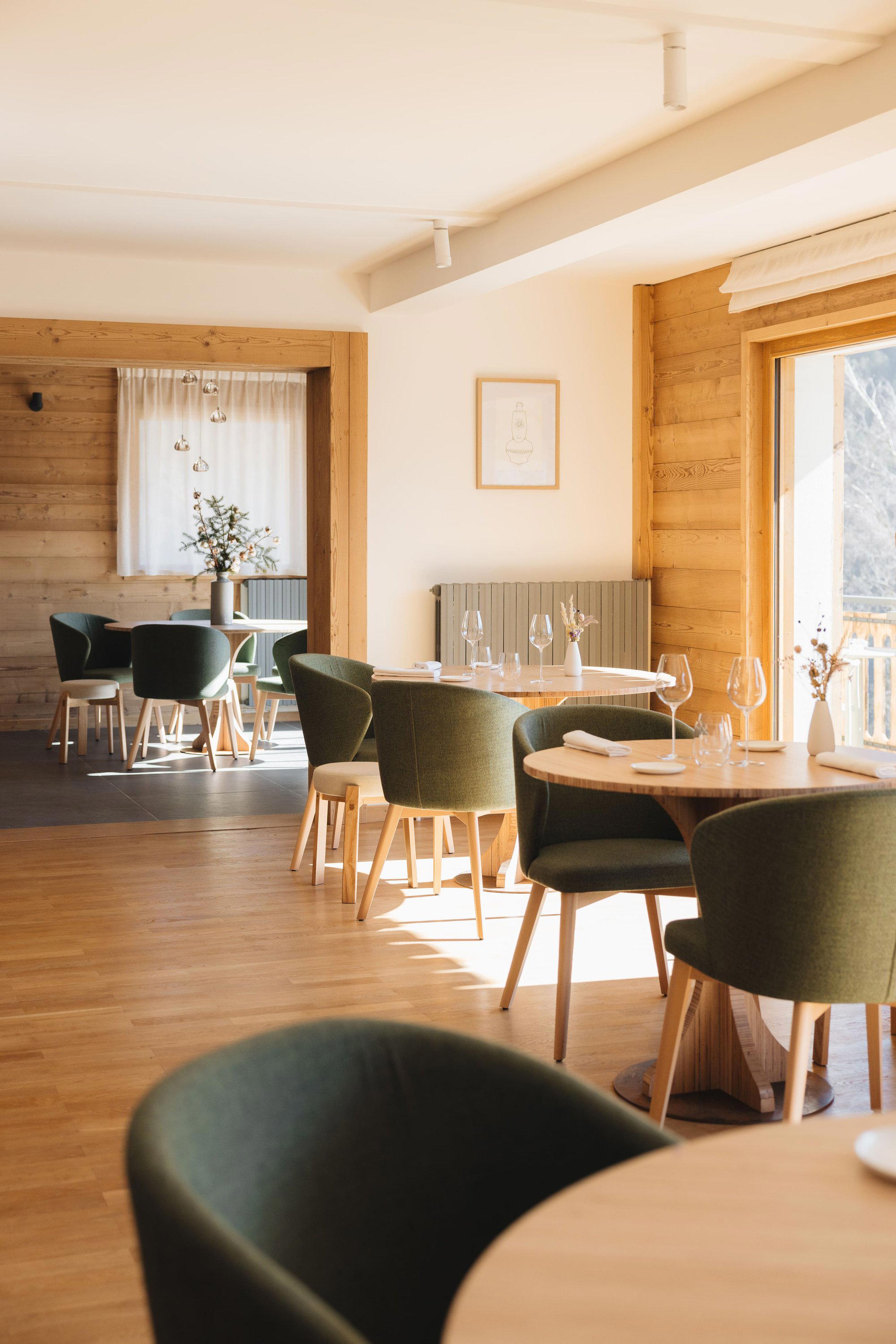
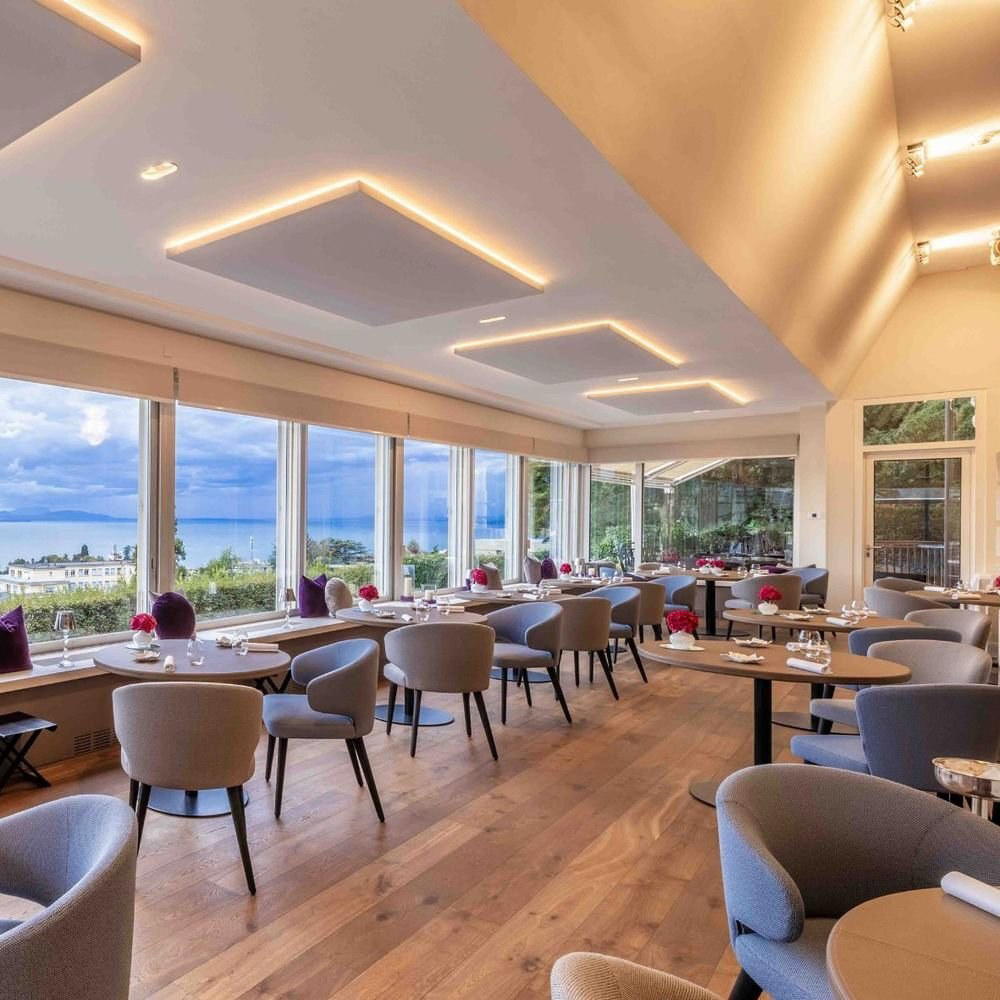
Warm, slightly old-fashioned but elegant Savoyard chalet setting with sumptuous interior décor and lake views; intimate and refined atmosphere conducive to special occasions.