Les Tables de Philippe
Our verdict
Situated along the Route du Chapeau on Chamonix's eastern edge, Les Tables de Philippe occupies a position where mountain terrain and table philosophy intersect. The address alone places it outside the valley's main dining corridor, signalling a deliberate remove from the tourist-facing circuit. For visitors serious about where their food originates in an Alpine context, it warrants attention.

Pearl is the En Primeur Club membership app — saves, bookings, and concierge access live there. Same editors, same standards.
- Address
- 718 Rte du Chapeau, 74400 Chamonix-Mont-Blanc, France
- Phone
- +33607231726
- Hours
- Mon ClosedTue 7–9 PMWed ClosedThu–Sun 7–9 PM
- Website
- lestablesdephilippe.com
- Directions
- Get directions
- Booking
- Book on TheFork
Eating at Altitude: How Chamonix's Sourcing Story Shapes the Table
Chamonix has always had a complicated relationship with its own kitchen. For decades, the town's restaurants split cleanly between high-volume resort feeding and a handful of serious tables that treated the surrounding terrain as a genuine larder. The Alps are not an easy agricultural environment: short growing seasons, isolated pastures, and dairy traditions that predate modern logistics all shape what ends up on the plate. The restaurants that take this seriously tend to sit at a remove from the Rue du Docteur Paccard bustle, and Les Tables de Philippe, addressed at 718 Route du Chapeau, follows that pattern. The road itself heads east toward the Mer de Glace moraine, away from the cable car crowds and the fondue circuit.
The broader context matters here. In the French Alps, the most credible mountain tables have long staked their identity on provenance: Savoyard cheeses with regulated appellations, charcuterie from small-production valley artisans, and dairy from herds that move between summer alpages and valley floors. This is not a romantic abstraction. It is a supply chain with a distinct seasonal rhythm, and restaurants that participate in it operate on a different calendar than city kitchens. Spring arrivals of wild herbs from the lower slopes, summer cheese from high pastures, autumn game from the surrounding massif — these are the structural beats of an Alpine menu built on what the landscape actually produces.
Where Les Tables de Philippe Sits in the Valley's Dining Spectrum
Chamonix's table hierarchy has sharpened in recent years. At the upper end, Albert 1er holds the town's most formally recognised position in modern cuisine, while Auberge du Bois Prin operates a similar modern register at a slightly lower price tier. Atmosphère anchors the traditional cuisine bracket at a comparable spend, and Akashon occupies the more accessible modern tier. Les Tables de Philippe's Route du Chapeau address puts it physically beyond this central cluster, which is a reliable indicator in Alpine resort towns: distance from the main strip usually correlates with a more local, less tourist-dependent clientele and a kitchen less pressured to compromise on sourcing for speed.
For comparison, the most territory-rooted tables in the French Alps have generally operated from positions of deliberate geographic specificity. Flocons de Sel in Megève built its identity on exactly this kind of altitude-sourcing discipline. Further afield in France, Bras in Laguiole defined an entire approach to terroir-led cooking on the Aubrac plateau. Mirazur in Menton made its own garden the literal source of the menu. These are not peer venues for a neighbourhood table in Chamonix, but they demonstrate that the sourcing-first philosophy has deep roots in French fine dining, and that mountain and coastal terroir restaurants share a common instinct: the landscape precedes the technique.
The Route du Chapeau Setting and What It Signals
The Route du Chapeau runs northeast from the valley floor, with the Arve river corridor on one side and the boulder fields from historic glacier retreat on the other. Arriving here by car on an evening service, you are already operating in a different register than the pedestrianised town centre. This physical remove is common to the most committed Alpine tables: Bergerie de Planpraz sits at 2,000 metres and makes the gondola ride part of the experience. Les Tables de Philippe makes the drive part of its logic, separating itself from the resort's transient foot traffic.
In terms of what this means practically, guests planning a meal here should treat the address as requiring a car or taxi rather than a walk from the Chamonix centre. The surrounding neighbourhood is residential and low-density, which aligns with the pattern of farm-adjacent dining rooms found across Savoy and the Haute-Savoie. The seasonality of Chamonix itself affects booking dynamics: summer hiking season and winter ski season bring very different clientele profiles, and kitchens that source locally operate on different supply availability across those windows. Arriving in late summer or early autumn typically means the widest range of Alpine produce in season simultaneously.
The French Alpine Sourcing Tradition Les Tables de Philippe Connects To
France's regional dining culture has long treated the mountain kitchen as a distinct discipline, separate from both Parisian haute cuisine and coastal seafood traditions. Savoie's designated cheeses — Beaufort, Abondance, Reblochon, Tome des Bauges, carry appellation rules as rigorous as wine appellations. Charcuterie from the valley floors, particularly diots and longeole sausages, follow production methods with centuries of local specificity. A kitchen that takes these ingredients seriously is not improvising; it is working within a set of constraints that are simultaneously limiting and clarifying.
The broader French table has produced some of its most distinctive voices from exactly this kind of regional constraint. Auberge de l'Ill in Illhaeusern built decades of recognition on Alsatian specificity. Troisgros has repeatedly repositioned around local Loire and Auvergne sourcing across generations. Paul Bocuse's Auberge du Pont de Collonges made Lyonnais regionalism its permanent argument. The pattern across French culinary history is consistent: the tables with the longest reputations have tended to root themselves in a specific place's produce rather than chasing portable techniques. Les Tables de Philippe operates in a valley where that tradition has direct, local material to work with.
For visitors building a wider itinerary around serious French tables, the contrast between an Alpine room like this and urban reference points such as Alléno Paris au Pavillon Ledoyen, AM par Alexandre Mazzia in Marseille, or Assiette Champenoise in Reims is instructive. City tables maximise technique and access to global supply chains. Mountain tables maximise place. The leading reason to eat at a Route du Chapeau address in Chamonix rather than at a Parisian room is precisely that the ingredient story cannot be replicated elsewhere. For international visitors more familiar with Le Bernardin in New York or Atomix, the shift to Alpine sourcing represents a genuinely different frame for understanding what a kitchen can do with constraint.
See the full Chamonix-Mont Blanc restaurants guide for the complete picture of where this address fits within the valley's broader table.
Planning Your Visit
Les Tables de Philippe is located at 718 Route du Chapeau, on the eastern approach toward the Mer de Glace. Reaching it requires transport beyond the pedestrian town centre; allow fifteen minutes from Chamonix's central hotels by car. Given the address's remove from the main resort circuit, verifying current opening hours and reservation availability directly is advisable before building an itinerary around it. Alpine resort restaurants often operate on seasonal schedules, reducing service or closing entirely between the ski and summer hiking windows, so timing matters. Comparable tables in the valley with confirmed booking infrastructure include Au Crocodile in Strasbourg for those planning a wider Alsace and eastern France circuit.
Frequently asked questions
Where do I go for Les Tables de Philippe?
Les Tables de Philippe is located at 718 Rte du Chapeau, 74400 Chamonix-Mont-Blanc, France, Chamonix-Mont Blanc.
How far is Les Tables de Philippe from central Chamonix, and how do I get there?
The restaurant sits at 718 Route du Chapeau on the northeastern approach to the valley, in the direction of the Mer de Glace — measurably outside the pedestrianised centre of Chamonix-Mont Blanc. Reaching it requires transport: a car, taxi, or local bus service rather than an easy walk from the main square. That distance is part of what separates it from the resort-core restaurant cluster, and most visitors treat the journey as deliberate rather than incidental.
What's the signature dish at Les Tables de Philippe?
Arriving with an open brief rather than a fixed dish in mind is the more reliable approach. Route du Chapeau's position on the eastern valley approach, toward the Mer de Glace, shapes what producers and suppliers the restaurant can draw from.
Do I need a reservation for Les Tables de Philippe?
At a restaurant positioned in Chamonix-Mont Blanc's upper dining tier and set away from the main town centre on Route du Chapeau, walk-ins are a gamble — particularly during ski season and the summer hiking peak. Booking ahead is the standard expectation for venues operating at this level in the valley.
What makes Les Tables de Philippe worth seeking out?
Its address at 718 Route du Chapeau places it outside the high-volume resort dining circuit that dominates central Chamonix, which filters the clientele and sets a different pace. The broader context of Chamonix's dining hierarchy has sharpened considerably, and restaurants on this eastern approach tend to draw on a tighter regional sourcing network. That combination — location, sourcing orientation, and separation from the resort core — gives the table a character that's hard to replicate closer to town.
Can Les Tables de Philippe adjust for dietary needs?
No specific dietary policy is documented. In the French Alpine dining tradition, kitchens operating at this level typically accommodate requests when given advance notice, but assumptions are best avoided. check the venue's official channels before booking if dietary requirements are a factor — the current best route is through a Chamonix-area concierge given that no direct contact details are publicly confirmed.
Is Les Tables de Philippe worth the price?
What the location on Route du Chapeau signals is a restaurant that isn't subsidised by foot traffic or a captive resort audience — kitchens in that position generally need to justify the journey on merit. Whether the current offer matches that expectation is best gauged through recent diner accounts or a direct enquiry before visiting.
Quick Comparison
Comparable venues nearby, for context on price, style, and recognition.
| Venue | Cuisine | Price | Awards | Notes |
|---|---|---|---|---|
| Les Tables de PhilippeThis venue — the venue you are viewing | Seasonal French Fine Dining | $50–100 | Not listed | Not listed |
| Le Cap Horn | Modern French-Japanese Fusion with Seafood | Not listed | Not listed | Chamonix main town |
| Munchie | Asian Fusion with Swedish & French Influences | $30–50 | Not listed | Rue des Moulins, Central Chamonix |
| Atmosphère | Traditional French & Savoyard Fine Dining | $50–100 | Michelin Plate | Chamonix Centre |
| La Couronne | Alpine Savoyard Bistro | $30–50 | Michelin Plate | Argentière |
| Akashon | Modern French with Italian Influences | $50–100 | Michelin Bib Gourmand | city centre |
Continue exploring
More in Chamonix-Mont Blanc
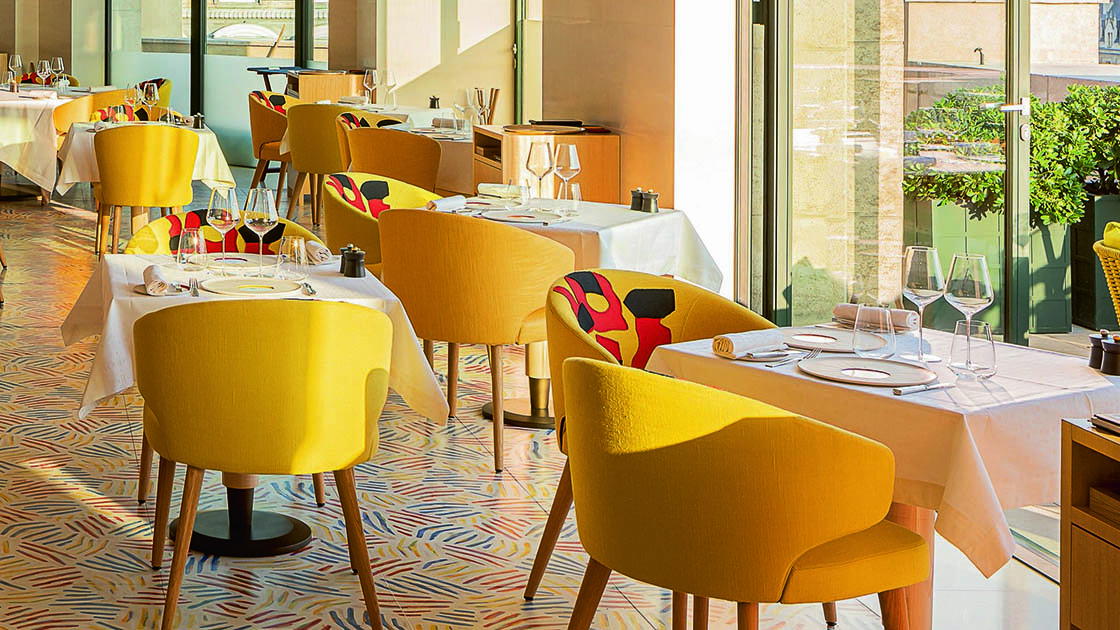
Restaurants in Chamonix-Mont Blanc
Browse all →
Bars in Chamonix-Mont Blanc
Browse all →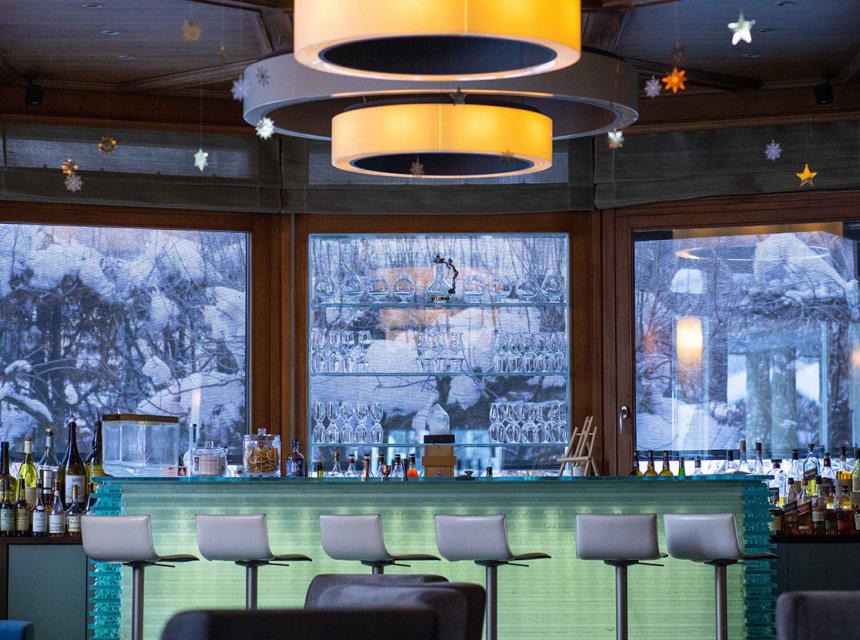
Hotels in Chamonix-Mont Blanc
Browse all →

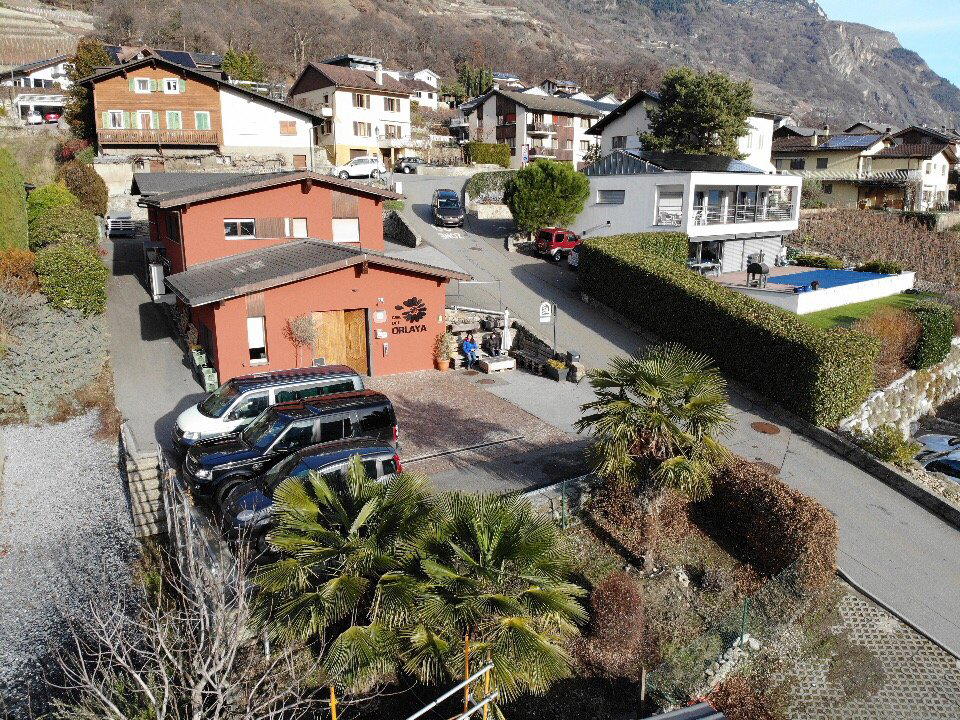
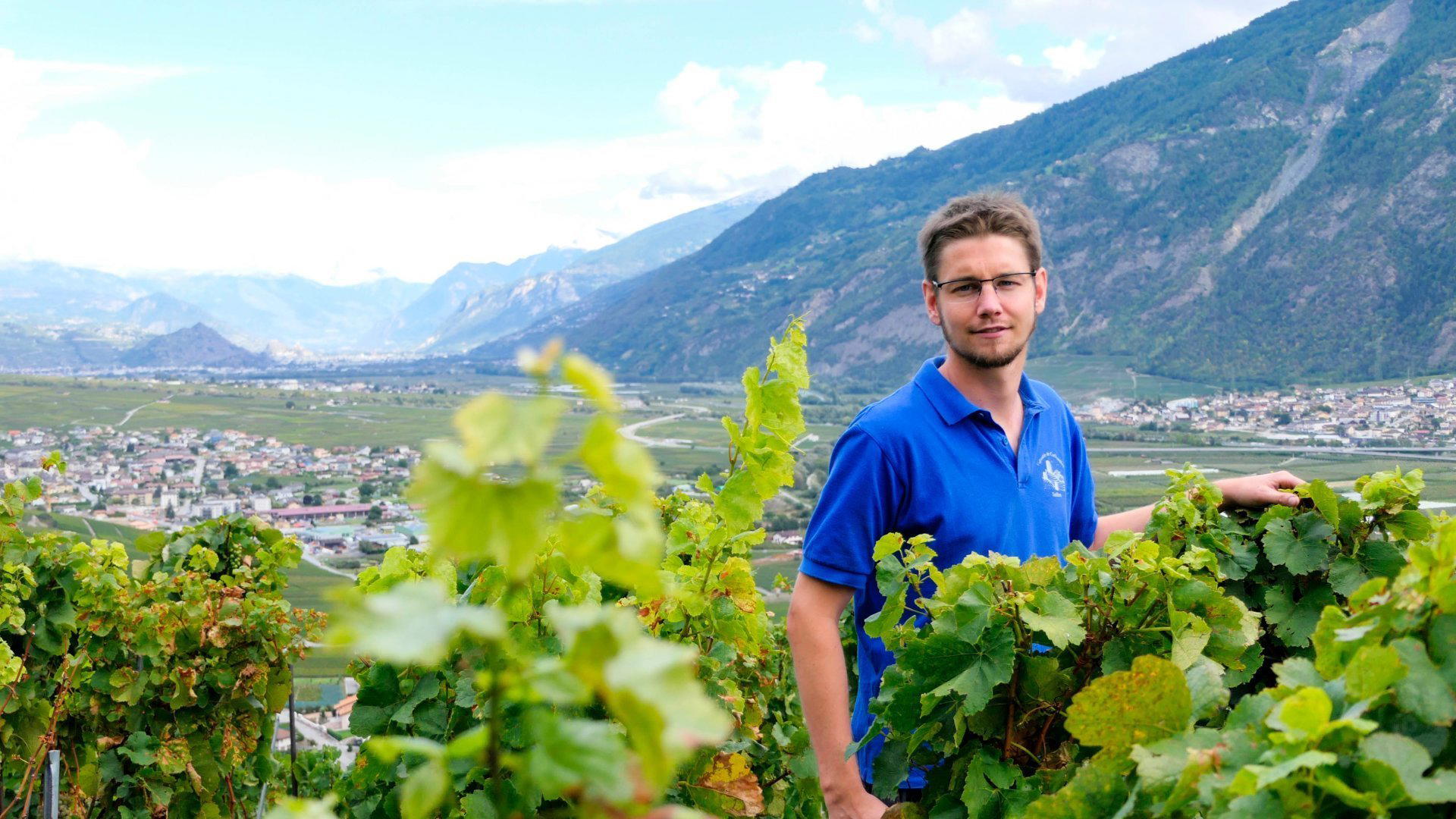
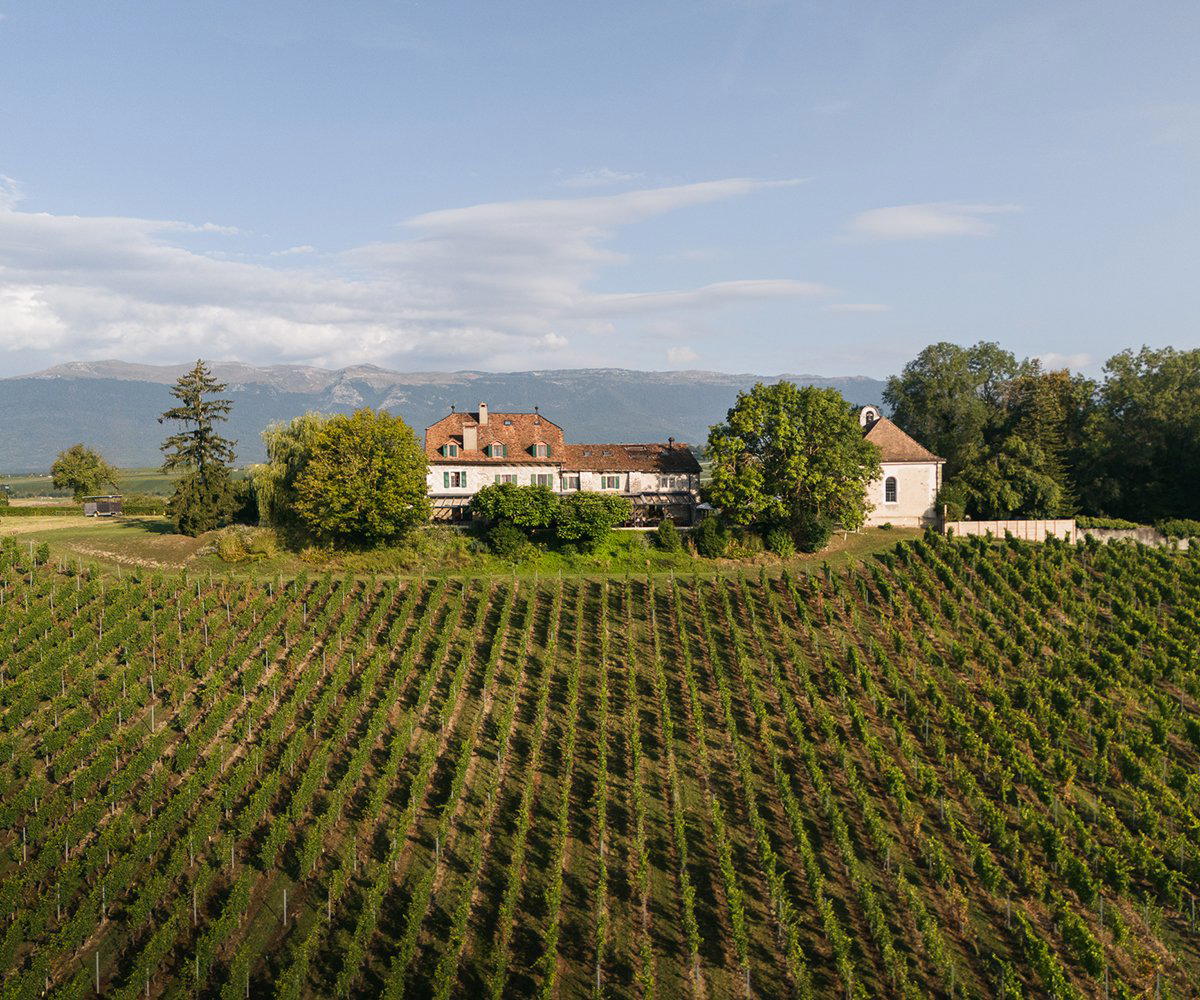
Les Tables de Philippe
The wine
- Wine program
- Curated wine list
- Extensive wine list
Details
- Elegant
- Intimate
- Scenic
- Cozy
- Special Occasion
- Date Night
- Chefs Counter
- Open Kitchen
- Terrace
- Panoramic View
- Extensive Wine List
- Local Sourcing
- Mountain
- Tasting Menu
- Prix Fixe
Current opening hours
- Monday
- Closed
- Tuesday
- 7–9 PM
- Wednesday
- Closed
- Thursday
- 7–9 PM
- Friday
- 7–9 PM
- Saturday
- 7–9 PM
- Sunday
- 7–9 PM
Hours can change for holidays and private events. Last verified .
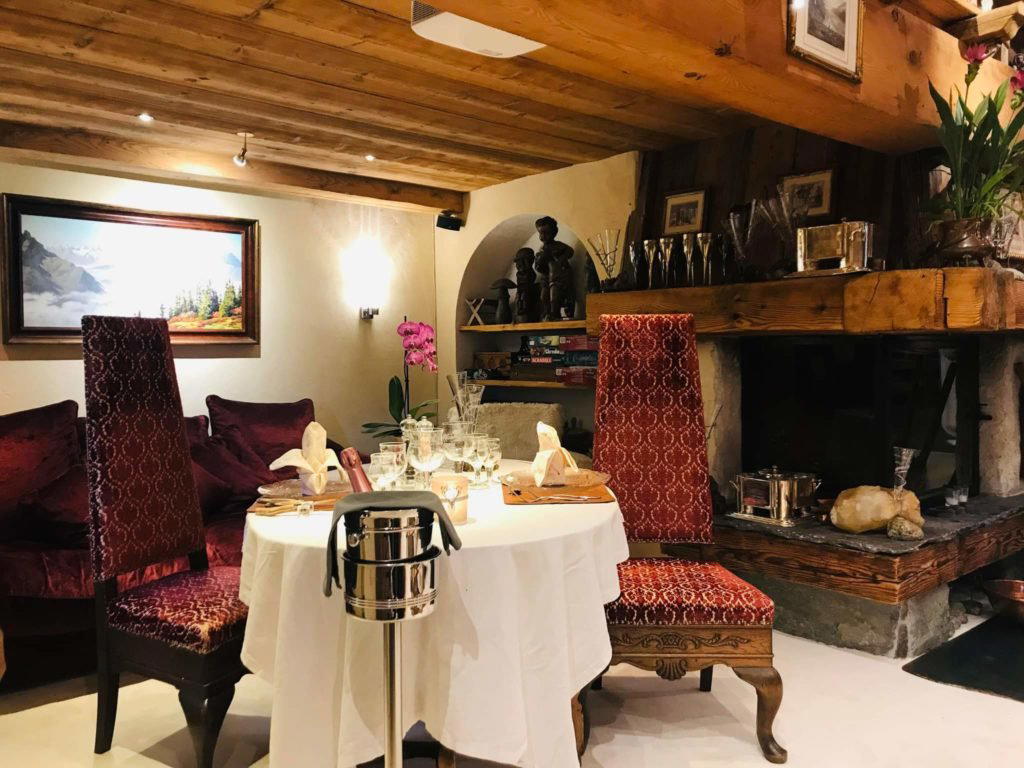
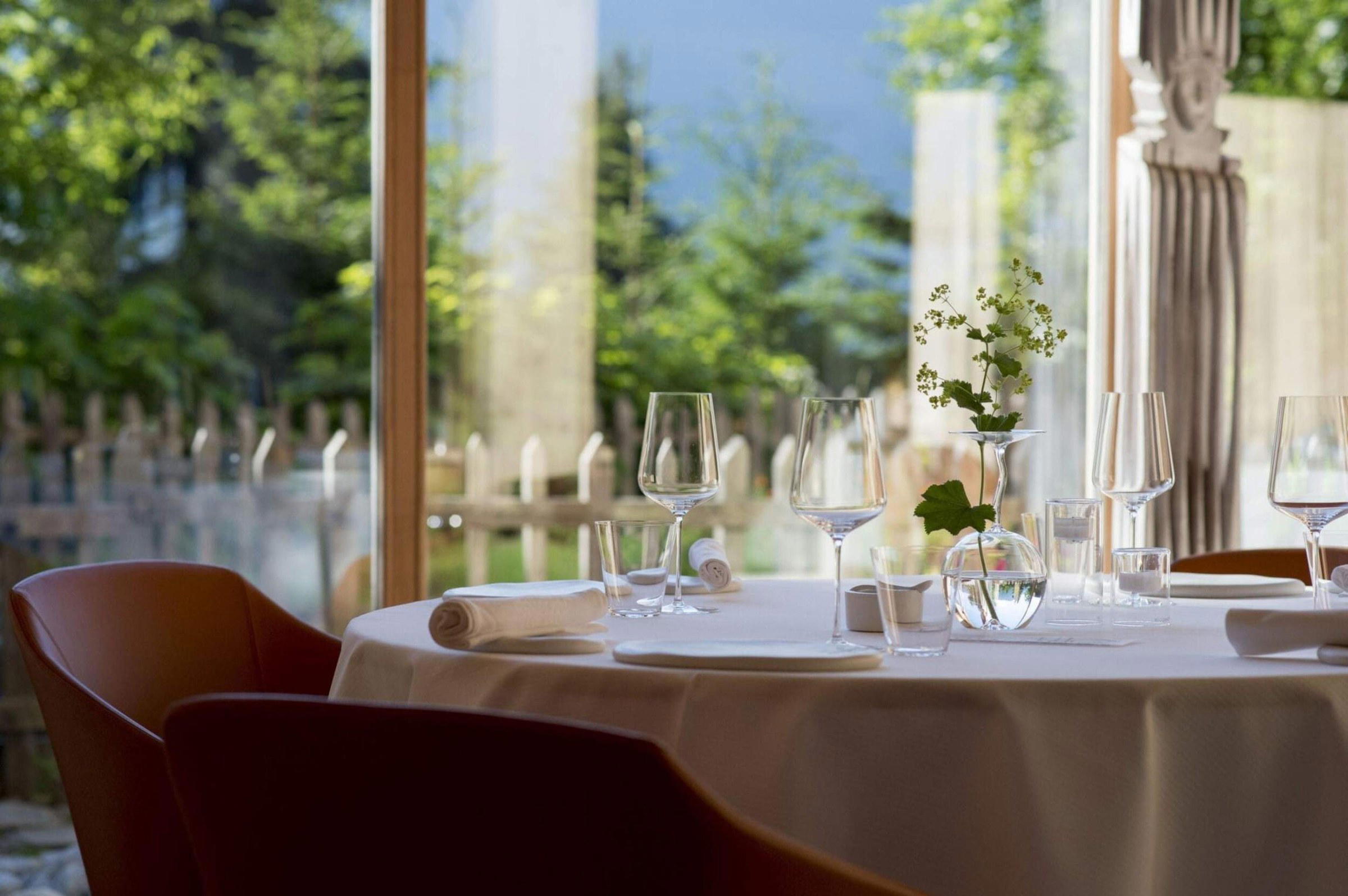
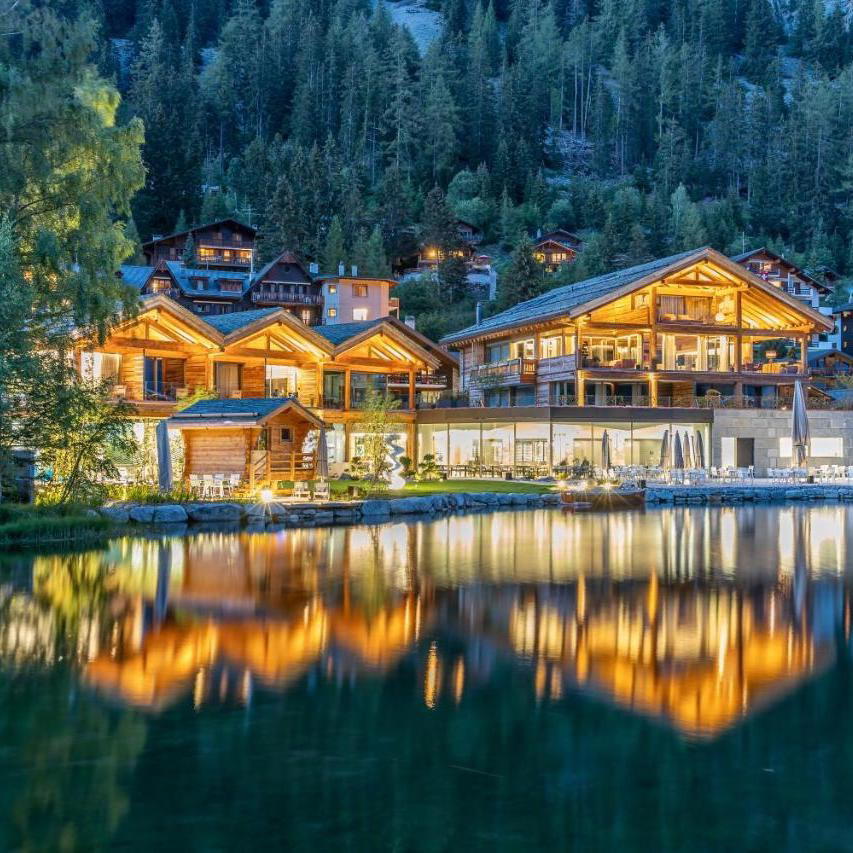
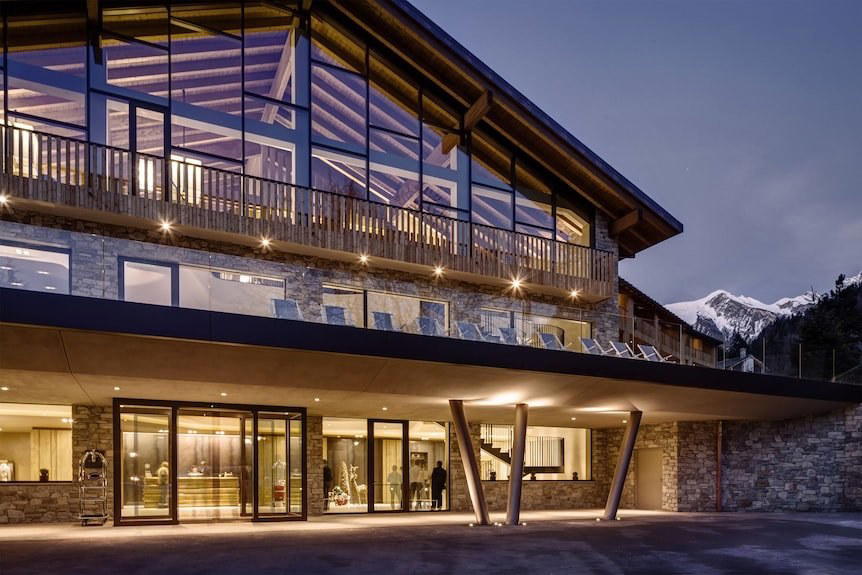
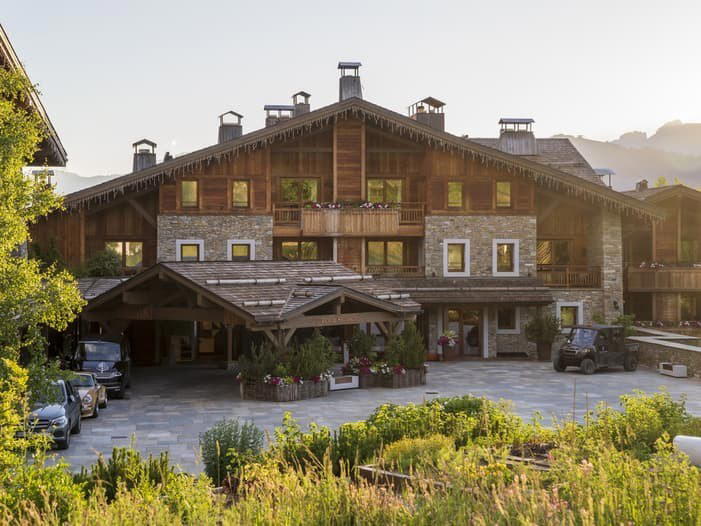
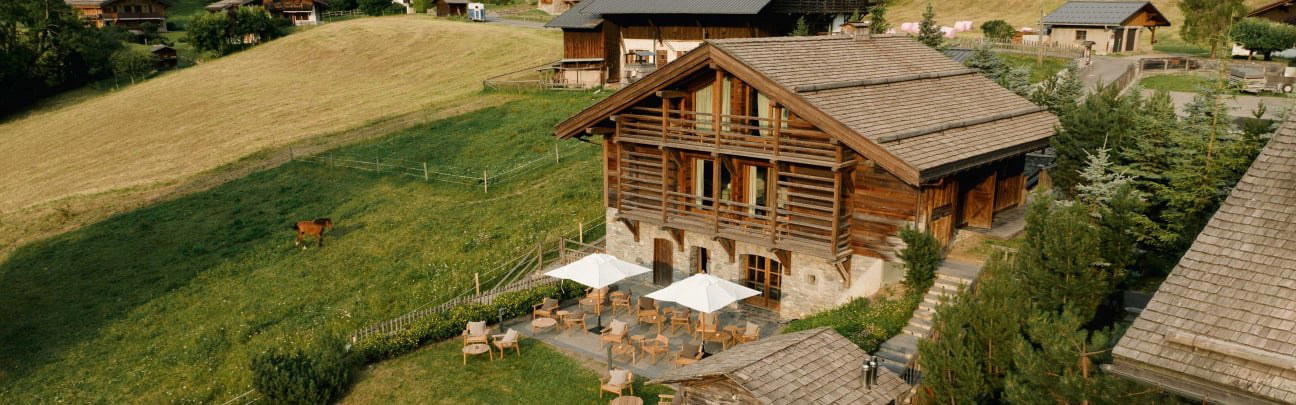
Intimate and magical mountain chalet atmosphere with options for a modern chef's table, 17th-century decor room, or heated outdoor bubble offering snowy peak views; warm lighting enhances the gastronomic experience.